Support

Gurkha Memorial Museum

About

The Gurkha Memorial Museum invites you to immerse yourself in the history of legendary warriors whose courage has become synonymous with bravery. This landmark site in the city of Pokhara is dedicated to the heritage and military path of Nepalese soldiers who have served in the British, Indian, and Singaporean armies since the early 19th century.
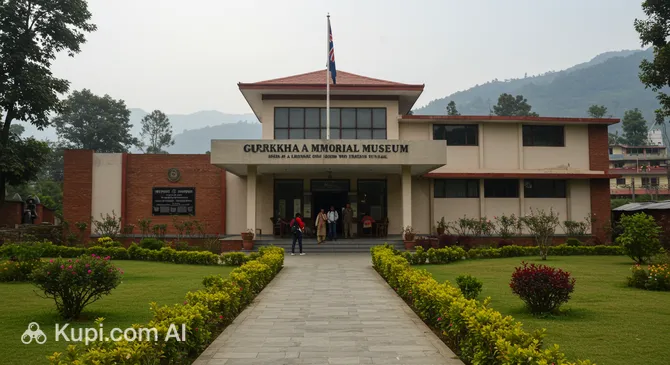
Gurkha Memorial Museum
Gurkha Memorial Museum. Иллюстрация. Источник: Kupi.com AI

The museum is a multi-story building where unique artifacts are carefully preserved: from antique weapons and ceremonial uniforms to rare archival photographs and medals. Here, Nepal is revealed through the lens of military honor and tradition, and the famous kukri knife appears not only as a weapon but as a symbol of the people's unwavering spirit.

The exhibition is logically divided by regiments and units, allowing visitors to trace the evolution of Gurkha equipment and tactics. This is not just a military archive, but an emotional narrative about people whose bravery was recognized with the highest military honors, including the Victoria Cross.

Contacts

To clarify details before your visit or to organize a group tour, you can use the museum's official contact information.

How to contactContact
AddressLamachaur Rd, Pokhara 33700, Непал
Phone+977 61-444762 ext. 444763
Websitegurkhamuseum.org.np

What to Do

Visitors can expect a fascinating journey through three floors of history. It is best to start your tour on the first level, which provides general information about the formation of the units. On the second floor, you can examine the uniforms and personal belongings of distinguished warriors in detail, while the third floor is dedicated to specialized regiments: engineers, signalers, and transport units. Be sure to visit the gallery dedicated to Gurkhas in the Indian Army—it houses an impressive collection of flags and insignia.

Particular attention should be paid to the displays of traditional weapons. You will see various modifications of kukri knives and learn how the soldiers' weaponry has changed over two centuries. The museum provides plenty of food for thought, showcasing sober but impressive statistics: for instance, data on losses during World War II that highlights the scale of the Nepalese contribution to global history.

For photography enthusiasts, the museum serves as an excellent backdrop for photos with mannequins in full combat gear from different eras. Although there are no modern interactive panels, the abundance of authentic documents and medals creates an atmosphere of genuineness that is particularly valued by history and culture lovers. It is an ideal place for a slow walk-through and a deep dive into the theme of military valor.

Getting There

The attraction is located on Lamachaur Rd, approximately 5–7 kilometers north of the tourist center and the popular Phewa Lake. The route to the museum passes through picturesque hilly areas away from the main city bustle, offering pleasant views of the surroundings along the way.

The most convenient way to get here is by taxi or motor rickshaw. The trip from Lakeside takes about 15–20 minutes. If you prefer a more local experience, you can take a public bus heading toward the Lamachaur district from Mahendra Pul.

For those who value comfort, it is recommended to choose air-conditioned transport, especially during the hot afternoon hours. Navigating via maps is easy, as the site is well-known to local drivers. It is best to plan your trip during daylight hours to enjoy the panoramas of the Annapurna mountain range that open up as you approach the museum.

Ближайший город: Pokhara

History & Facts

The history of this place is remarkable because the museum was originally founded far beyond the Himalayas. In 1974, it opened in the UK, at the Queen Elizabeth Barracks in Church Crookham. Only decades later, after several moves and a temporary stay in Kathmandu, the exhibition found its permanent home in Pokhara in 2005 on a plot of land provided by Colonel Peter Sharland.

The museum serves as a living reminder of the Gurkhas' role in the unification of Nepal under the Shah dynasty and their subsequent service in various armies around the world. Gurkhas are not just soldiers, but representatives of specific ethnic groups, such as the Gurungs and Magars, whose military traditions were forged over centuries in harsh mountain conditions.

The main symbol and pride of every warrior is the kukri—a heavy, curved knife. In Gurkha history, this item holds a sacred place: it is used both as a formidable weapon in close combat and as an important attribute in national rituals. Legends say that if a kukri is drawn in battle, it must "taste blood" before returning to its sheath.

The exhibits cover the period from 1815, when the official formation of Gurkha regiments began. The museum gathers evidence of incredible bravery and self-sacrifice that earned these warriors the reputation of being the most fearless soldiers on the planet, respected by allies and adversaries alike.

Time Needed

For a thoughtful exploration of the collection, most travelers need between 1 to 2 hours. The museum spans three floors, and each is literally packed with small details, photographs, and documents that deserve attention.

If you have a deep interest in military history or plan to study the statistics and accounts of heroic deeds in detail, you should set aside a bit more time. For a standard introductory visit, an hour and a half is quite enough to walk through all the halls and take some commemorative photos.

Working Hours

The museum doors are open to visitors daily, making it a convenient stop on any city tour itinerary. The operating schedule is stable throughout the year: from 08:00 to 16:30.

Since official hours may occasionally be adjusted on public holidays, it is recommended to check the official website or verify the information with your hotel administrator before your trip.

08:00–16:30

Nearby

Exploring the northern part of the city allows you to better experience the atmosphere of local life, hidden from most tourists. A walk after visiting the museum will help solidify your impressions and show you Pokhara from a different perspective.

NameDistance
Annapurna Museum0.8 km
Bindhyabasini Temple1 km
Matepani Monastery3.8 km
Bhadrakali Temple4.2 km
Pokhara Disneyland4.3 km
Bar Peepal Resort4.3 km
Little Windows Veg & Vegan Restaurant4.7 km

Reached the end of the page?

That means the route is fully explored