Support

Indira Gandhi Rashtriya Manav Sangrahalaya

About

In the picturesque city of Bhopal lies one of the most unusual cultural spaces in India — the Indira Gandhi Rashtriya Manav Sangrahalaya (IGRMS), or the National Museum of Mankind. This is not just a standard museum building, but a vast open-air anthropological complex spread across the Shyamala Hills. It is dedicated to the history and culture of the Adivasi — India's indigenous peoples, whose heritage is considered the foundation of the region's centuries-old civilization.
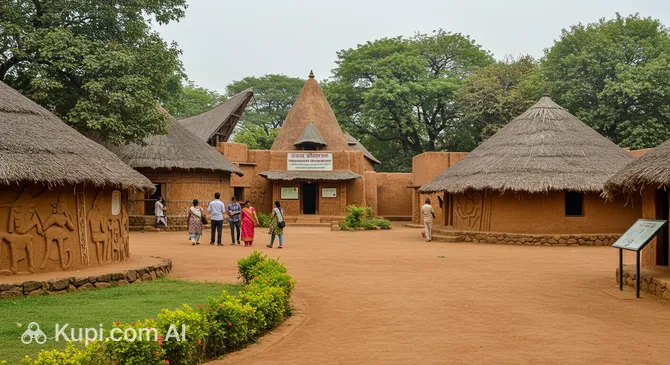
Indira Gandhi National Museum of Mankind
Indira Gandhi National Museum of Mankind. Иллюстрация. Источник: Kupi.com AI

One of the museum's main highlights is its unique approach to displaying exhibits: here, you can see life-size recreations of dwellings from various tribes, harmoniously integrated into the natural landscape. This place allows you to literally travel through time and space, getting acquainted with the daily life, beliefs, and art of those called the "original inhabitants" of these lands.

A particular pride of the museum is the Ceramics Department, founded and long-led by researcher Shampa Shah. This section brings together rare examples of clay traditions from all corners of the country, demonstrating the incredible skill of folk artisans and the deep symbolic meaning behind seemingly ordinary household objects.

Contacts

For up-to-date information on special exhibitions or events, you can use the museum's official communication channels.

How to contactContact
AddressLake View Road, next to RCE campus, Shymala Hills, Bhopal, Madhya Pradesh 462013, India
Phone+91 755 266 1458
Websiteigrms.gov.in

What to Do

At the National Museum of Mankind, visitors can expect a deep immersion into the world of indigenous peoples. The primary focus should be a walk through the open-air exhibition, which features authentic dwellings from various tribal groups. You can step inside the huts, examine their construction details, and see the materials that have been used for centuries to live in harmony with nature. This is a unique opportunity to witness "living history" that rarely makes it into standard guidebooks.

Be sure to visit the Ceramics Department, which is considered one of the finest collections of its kind in the country. It features clay works that reflect the artistic traditions of various regions of India. As you admire the intricate shapes and patterns, you will learn about complex firing techniques and the role ceramics play in the rituals and daily lives of local communities. It is a wonderful chance to appreciate the skill of anonymous artists whose craft has been passed down through generations.

Additionally, the museum grounds themselves are a beautiful place for quiet nature observation and reflection. While walking through the hills, you can enjoy views of the city and its lakes alongside the man-made exhibits. The museum frequently hosts workshops and cultural festivals where you can see the process of creating traditional crafts firsthand or listen to folk music, making your visit even more memorable.

Getting There

The Indira Gandhi National Museum of Mankind is located in the scenic Shyamala Hills area of Bhopal, the capital of Madhya Pradesh. The exact address is Lake View Road, next to the RCE campus. Thanks to its hillside location, the journey to the museum itself is a pleasant trip with beautiful views of the surroundings.

You can reach the city of Bhopal by plane via the local airport, as well as by train or intercity bus, as the city is a major transport hub in central India. Within the city, the most convenient way for tourists to get around is by taxi or the locally popular auto-rickshaws. You can easily book a ride through mobile apps or flag one down in the city center.

If you prefer public transport, city buses run toward the Shyamala Hills area, though you may need to walk a bit from the stop. Most travelers prefer to take a taxi directly to the museum entrance to save time and energy for exploring the extensive exhibits.

Ближайший город: Bhopal

History & Facts

The history of this unique site is closely linked to the Indian government's desire to preserve the vanishing heritage of its indigenous peoples. The Indira Gandhi Rashtriya Manav Sangrahalaya (IGRMS), or National Museum of Mankind, has become an essential platform for studying and promoting Adivasi culture. A significant contribution to its development was made by Shampa Shah, who founded and headed the specialized ceramics department over twenty years ago, turning it into a major center for the study of traditional crafts.

The location of the museum in the city of Bhopal is deeply symbolic. It is believed that the first settlement here was founded by the legendary King Paramara Bhoj in the 11th century. The city's original name, Bhojpal, was derived from his name and the grand dam ("pal") he built to create the Upper Lake. These ancient roots highlight the continuity of generations that the museum aims to showcase.

The modern face of the city began to take shape in the 1720s when the Pashtun ruler Dost Mohammad Khan transformed Bhopal into a powerful fortress. Later, in 1742, the city became the capital of the princely state of the same name. The layering of different eras — from ancient rulers to Islamic architecture and modern ethnographic initiatives — makes a visit to the museum and the city itself a deep dive into the living history of humanity.

Time Needed

To fully appreciate the scale and diversity of the exhibits at the National Museum of Mankind, it is recommended to set aside at least 3-4 hours. The museum covers a vast area, including open-air sites where traditional dwellings of various tribes have been recreated, so much of your visit will be spent outdoors.

If you are an art or ethnography enthusiast and plan to study the ceramics department in detail and read all the artifact descriptions, it is better to plan for half a day. This will allow you not only to view the exhibits but also to enjoy a leisurely walk through the picturesque Shyamala Hills where the museum complex is situated.

Working Hours

When planning your visit to the National Museum of Mankind, please take note of its operating schedule. The museum welcomes visitors from Tuesday to Sunday. Keep in mind that the midday light at the open-air sites is the brightest, making it ideal for photography.

Opening Hours:

  • Monday: Closed
  • Tuesday – Sunday: 10:00 AM – 5:30 PM

DayWorking hours
ПонедельникЗакрыто
Вторник10:00 – 17:30
Среда10:00 – 17:30
Четверг10:00 – 17:30
Пятница10:00 – 17:30
Суббота10:00 – 17:30
Воскресенье10:00 – 17:30

Nearby

A visit to the National Museum of Mankind can be complemented by exploring other interesting sites in the vicinity. The area around Bhopal's lakes is rich in historical monuments and modern parks, allowing you to create a full-day itinerary.

A stroll through the surrounding area will help you better feel the atmosphere of the city, where ancient palaces sit alongside modern leisure centers. Below are some attractions located nearby:

NameDistance
Tribal Habitat0.3 km
Madhya Pradesh Tribal Museum0.8 km
State Museum Bhopal0.9 km
Van Vihar National Park1.1 km
Upper Lake (Bhojtal)1.1 km
Boat Club1.2 km
Tattenham Corner Lounge Bar1.3 km

Reached the end of the page?

That means the route is fully explored