Support

Sigli

About

Dehradun is a true green oasis, nestled comfortably at the foot of the majestic Himalayas. As the capital of the state of Uttarakhand, this city attracts travelers with its unique atmosphere of tranquility and natural beauty. India is known for its vivid contrasts, and it is here that you will find the perfect balance between the dynamic rhythm of modern life and the serenity of mountain landscapes.

The city lies in the picturesque Doon Valley, bounded by the waters of two sacred rivers—the Ganges and the Yamuna. Thanks to the protection of the Shivalik mountain range, a mild and pleasant climate prevails here, allowing visitors to enjoy walks along well-kept alleys and through rich botanical gardens almost year-round. The fresh air and abundance of greenery make this place a wonderful sanctuary for those looking to escape the hustle and bustle of major metropolises.
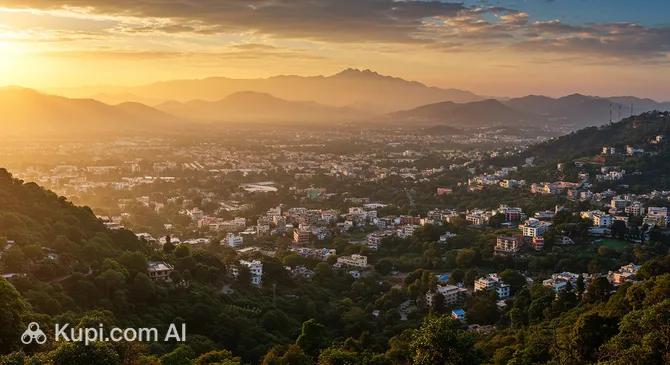
Dehradun. Illustration.
Source: Kupi.com AI

Dehradun is not only an administrative center but also an important cultural and educational hub. The fascinating history of Dehradun is closely intertwined with modernity: ancient temples and colorful craft shops stand alongside prestigious educational institutions and cozy cafes. This harmonious blend of age-old traditions and youthful energy gives the city a special, unique charm.

Travelers certainly won't find themselves bored here. You can embark on a tour of local shrines, visit interesting museums, or immerse yourself in the world of wildlife on a safari in a national park. Furthermore, its convenient geographical location makes the city an excellent starting point for trips to the famous spiritual centers of Rishikesh and Haridwar.

If you are looking for inspiration and want to experience authentic culture in a comfortable setting, this city will be the perfect discovery for you. Come to Dehradun for new impressions, culinary discoveries, and peace of mind.

Weather Overview

The climate of Dehradun is pleasantly diverse, offering travelers comfortable conditions depending on the season. In general, expect warm summers with frequent precipitation and cool, mostly dry winters.

The coldest month is January, when the average temperature is about 11.1°C, and nighttime figures can drop to 4.9°C. With the arrival of spring, the air warms up quickly: by May, the average temperature reaches 23.4°C, and daytime maximums in June reach 29.5°C, making this a popular time to visit the city.

The summer period is characterized by high humidity. In July and August, it rains almost daily—statistics record from 30 to 31 rainy days per month. However, by autumn, the weather stabilizes: in November, there is a minimum amount of precipitation (only 3 wet days), and the temperature drops to a comfortable 15.6°C. Before your trip, we recommend checking the detailed weather in Dehradun to plan your wardrobe correctly.

Average monthly temperature

Average monthly precipitation

Interesting Facts

In addition to picturesque mountain landscapes and colonial charm, Dehradun holds many fascinating secrets revealed only to curious travelers. This city is capable of surprising you with its unique combination of mythology, natural phenomena, and architectural grandeur.

  • A Palace of Science: The Forest Research Institute building is not just an educational institution, but an impressive monument of Indo-British style. The grand structure made of red brick and light stone resembles a royal palace and is surrounded by a vast, picturesque park, ideal for peaceful walks.

  • A Cave Shrine: The unique Tapkeshwar Temple is hidden in a natural cave where an underground river flows directly over the stones. According to ancient legends, it was in this place that the sage Dronacharya, the mentor of the heroes of the great epic "Mahabharata," performed his penance.

  • Robbers' Hideout: The mysterious Robber’s Cave, also known as Gucchupani, is steeped in local lore. It is said that bandits once hid in its intricate, cool tunnels; today, it is a popular picnic location where you can walk ankle-deep in water inside a rocky rift.

  • Sericulture Traditions: The city is known as an important center for fabric production. Here you can observe the process of creating famous Indian silk, and in local markets, find high-quality handmade wool and silk products that make excellent souvenirs.

How to Get There

When planning a trip to the capital of Uttarakhand, it is worth studying the available routes in advance to ensure the journey is as comfortable as possible. You can find more about how to get to Dehradun and choose the optimal mode of transport based on your budget and time.

For those who value speed, air travel is the best option. The city's air gateway is Jolly Grant Airport, located about 25–30 kilometers from the center. This is a modern domestic airport that receives regular flights from Delhi, Mumbai, Bangalore, and other major Indian metropolises. A flight from Delhi, for example, takes less than an hour, offering stunning views of the Himalayan foothills during descent. From the terminal, you can easily reach the city by taxi or prepaid transfer.

Railway communication is a classic and very popular way to get to Dehradun. The city's historic railway station is the terminus of the Northern Railway. Famous trains arriving here include:

  • Shatabdi Express — a high-speed and comfortable train from New Delhi;
  • Mussoorie Express — a convenient overnight train;
  • Nanda Devi Express — connects the region with other parts of the country.

If you prefer road travel, the journey to Dehradun will provide plenty of impressions. The city is connected to other regions by an extensive network of quality roads. The journey from Delhi by car or bus takes about 5–6 hours. You can use state buses or comfortable private Volvo coaches that depart from Delhi's bus terminals and offer a high level of service.

Main Attractions

Dehradun is rich in places worth visiting, whether you are seeking spiritual peace, natural beauty, or architectural masterpieces. The city offers routes that allow you to see completely different facets of local life in a single day, from quiet parks to majestic temples.

Mindrolling Monastery is not just a religious site, but a true architectural masterpiece located in the Clement Town area. It is one of the largest Buddhist centers in India, known for its Great Stupa standing over 60 meters tall, which is considered one of the highest in the world. Tourists are drawn here by the magnificent, well-tended gardens, vibrant murals depicting the life of Buddha, and an incredible atmosphere of peace. It is the perfect place to disconnect from urban noise and admire traditional Tibetan art.

Lovers of natural phenomena should definitely head to Sahastradhara, whose name translates as "Thousand-fold Spring." This picturesque spot is famous for its limestone caves and waterfalls, where water flowing over the rocks forms whimsical shapes. It is believed that the local sulfur springs possess healing properties. Here, you can not only bathe but also take a cable car to the hilltop for a panoramic view of the surroundings.

For a family holiday and a chance to meet local fauna, Malsi Deer Park is an excellent choice. Located at the foot of the Shivalik range on the way to the Mussoorie hill station, this mini-zoo is home to herds of spotted deer, antelopes, and many bird species. It is a quiet, green corner equipped with picnic areas and children's playgrounds, where you can enjoy quality time in the fresh air surrounded by wildlife.

Local Cuisine

The gastronomic palette of Dehradun wonderfully combines the rich flavors of North India with the authentic mountain traditions of Uttarakhand. A trip here would be incomplete without trying aaloo ke gutke—spicy fried potatoes seasoned with local spices, perfect for warming up in the cool climate of the foothills. Another characteristic dish of the region is gahat, a hearty meal made from black lentils, valued for its nutritional properties and simple yet memorable taste.

An interesting feature of the local culinary scene is the popularity of khau suey. This thick noodle soup with coconut milk and a rich set of spices has become a real hit among residents and guests of the city. It is customary to accompany any meal here with freshly baked bread: hot roti or layered parathas are served with spicy sauces and homemade pickles, adding piquancy to the food.

Street food lovers will find a true paradise in Dehradun. At busy markets and intersections, you can always grab a snack of crispy samosas or taste juicy kebabs cooked over an open fire. Here, you will also be offered traditional spiced tea (masala chai), without which a local's day is unimaginable. Farmer's stalls abound with fresh vegetables, aromatic honey, and spices, which are often bought as delicious souvenirs.

Desserts in Dehradun deserve special attention. Be sure to try singhaudi—a unique local sweet made of condensed milk and coconut wrapped in leaves—as well as classic gulab jamun and rasgulla. To cover all the gastronomic diversity, it is worth visiting one of the street food fairs regularly held in the city, which allow you to enjoy delicacies in a warm and friendly atmosphere.

Travel Tips

Preparing for a trip to Dehradun requires attention to detail to ensure your holiday in the Himalayan foothills is as comfortable as possible. India is a country of contrasts, and this city, despite its relatively calm pace, has its own unique rules and features that are worth knowing in advance.

  • City Transport: A hallmark of local roads is the "Vikram." These are large blue auto-rickshaws that accommodate up to 8 passengers and run on fixed routes. This is the cheapest way to get where you need to go. If you take a private taxi or a regular rickshaw, be sure to agree on the fare before getting in, as drivers often ignore meters.

  • Dress for the Weather: Even in the warm season, evenings in the valley can be cool, so a light jacket or sweater in your luggage is essential. For excursions to temples and parks, choose comfortable, closed-toe shoes with flat soles—the city's terrain is hilly, and you will be walking a lot.

  • Visiting Shrines: Dehradun has many religious sites. When entering any temple or gurdwara, be sure to remove your shoes. Clothing should be modest: shoulders and knees should be covered, and women are often advised to have a headscarf with them. Leather goods are prohibited in some shrines.

  • Beware of Monkeys: In tourist zones, especially near forests and temples, many monkeys reside. They can be aggressive if they see food. Keep your food hidden, hold onto your bags and glasses tightly, and never try to feed or tease the animals.

  • Trading and Shopping: In the main Paltan Bazaar and street stalls, fixed prices are rare. The ability to bargain is seen here as part of the culture. Polite but firm bargaining can help reduce the price of souvenirs, spices, or fabrics by 20–30%.

Regarding hygiene, stick to the golden rule of travelers: drink exclusively bottled water, checking the factory seal on the cap. Avoid ice in drinks at small cafes and prefer thermally processed food. Locals are very friendly and usually speak English or Hindi, so if you encounter difficulties, feel free to ask for help.

Entertainment & Nightlife

Entertainment in Dehradun offers a great balance between quiet leisure and active adventures. Shopping here is a special kind of pleasure. Be sure to stop by the colorful Tibetan Market near Parade Ground, where you can buy quality woolen goods, bright shawls, and ethnic jewelry. The city is also famous for its aromatic Basmati rice and excellent baked goods: local butter rusks and biscuits from old-fashioned bakeries will be a delicious reminder of your trip to India.

For lovers of scenic panoramas and light trekking, the estate of Sir George Everest in the Hathipaon area is the perfect destination. The road there passes through dense forests, and the hilltop offers a breathtaking view of the Doon Valley on one side and the majestic snowy peaks of the Himalayas on the other. This is a popular location for picnics and sunset watching, where you can escape the city bustle in the lap of nature.

The city's evening life hums on Rajpur Road. This modern hub of attraction features many cozy cafes, stylish restaurants, and shopping complexes. It is pleasant to stroll here after sunset, enjoying the coolness and the lively atmosphere of a student town. Many establishments offer open terraces where you can have a coffee and try both local and European cuisine.

If you are looking for entertainment for the whole family, head to Fun Valley park, located on the outskirts of the city. It is a large entertainment complex with a water park, exciting rides, and a wave pool. You can have fun here all day long, escaping the heat and enjoying water slides, which young travelers will especially enjoy.

Parks & Museums

Dehradun is famous not only for its educational institutions but also for its magnificent green zones, which coexist harmoniously with a rich museum heritage. The city offers tourists the opportunity to alternate walks in the fresh air with immersion in the history, geology, and culture of the region, creating a diverse vacation program.

In the very heart of the city lies Gandhi Park—a popular meeting place and a favorite for morning walks among locals. This well-maintained space with shaded alleys, a statue of Mahatma Gandhi, and yoga areas is perfect for catching your breath amidst the urban rush. For those seeking wilder nature, Lachhiwala is an excellent choice. This nature park, surrounded by Sal forests, is known for its man-made pools fed by the waters of the Song River. You can have a picnic here, go bird watching, and enjoy the coolness even on a hot day.

A cultural program in Dehradun is unthinkable without visiting the museums on the territory of the Forest Research Institute (FRI). While the building itself is architecturally impressive, inside are six unique museums dedicated to forestry, entomology, and timber. Here you can see rare tree cross-sections, insect collections, and learn about the flora of the Himalayas. Another important point is the Zonal Anthropological Museum. It offers a deep look into the lifestyle and traditions of the Himalayan foothills' inhabitants, showcasing artifacts, costumes, and art objects that tell the story of the Garhwal and Kumaon peoples.

Among the architectural symbols of the city stands the famous Clock Tower (Ghanta Ghar). This unique hexagonal structure with a clock on each face serves as the main landmark of the central market and a reminder of the city's colonial past. Although you cannot go inside, the tower is a must-visit spot for photos.

Insider tip: If you are interested in history, take the time to visit the Kalinga War Memorial. It is a rare example of a monument erected by the victors (the British) in honor of the bravery of their opponents (the Gurkhas). The place is slightly off the tourist track, offering silence and beautiful views, allowing for quiet reflection on the history of India.

Getting Around

The public transport system in Dehradun has its own unique features and differs significantly from metropolises. There is no metro or tram system here; the primary means of transport for locals and tourists are "Vikrams." These are large blue three-wheeled motor rickshaws that operate as shared taxis. They run along fixed routes and cover almost the entire city. This is the most budget-friendly and authentic way to get from point A to point B, but be prepared for the cabin to be cramped, as they carry up to 8 passengers at a time.

In addition to "Vikrams," city buses circulate through the town. Recently, the transport network has been modernizing: modern electric buses are appearing as part of the "Smart City" program. They are more comfortable, equipped with air conditioning and information boards, and run from the main bus station (ISBT) to key points in the city, such as the Clock Tower and the railway station. This is a great alternative to the noisy shared rickshaws if you want to travel with more comfort.

As for the payment system, cash is king in Dehradun. Unified transport cards or passes for tourists are not yet common here. Payment is made to the conductor or driver directly upon boarding or exiting. The fare depends on the distance and is fixed for different zones. Tourists are strongly advised to always have small bills and coins on hand, as finding change for large banknotes can be problematic early in the morning or late at night.

For those who prefer predictability and comfort, popular taxi aggregators such as Ola and Uber operate in the city. Their apps allow you to link a bank card and avoid the need to bargain. There are also many regular auto-rickshaws (tuk-tuks) on the streets operating as private taxis. It is important to remember: meters are rarely used in them, so the price of the trip must be firmly agreed upon with the driver before boarding; moderate bargaining is part of the culture here.

A popular alternative to public transport among travelers is renting scooters and motorcycles. There are many rental services in the city where you can rent a two-wheeled vehicle for a day or more for a reasonable fee. This gives you complete freedom of movement and allows you to independently explore not only city attractions but also the picturesque mountain roads in the surrounding area. To arrange a rental, you will need an international driving permit and a passport.

Accommodation

Dehradun offers travelers a wide range of accommodation options to suit every taste and budget. The city's housing stock ranges from modest hostels and cozy homestays, where you can experience the daily life of local families, to luxurious resorts and boutique hotels located in historic colonial-era buildings.

When choosing a place to stay, you should consider the goals of your trip. The most popular and convenient area for tourists is Rajpur Road. This is a modern artery of the city, where many cafes, shopping centers, and middle- to high-class hotels are concentrated; from here, it is easy to reach the main attractions. If you are looking for budget options and want to be in the thick of things, consider the surroundings of the Clock Tower and the railway station. It is always noisy and crowded here, but the prices for accommodation are the most affordable, and the transport links are ideal.

For those who prefer silence and beautiful landscapes, the outskirts of the city heading towards the Mussoorie hill station are an excellent choice. This area features resorts and spa hotels offering peaceful views of green hills and clean air. The Clement Town area, located near the Buddhist monastery, also boasts a calm atmosphere.

The price range in Dehradun is quite flexible: it is easy to find both a bed for a symbolic fee and luxury apartments with a full range of services. It is recommended to book accommodation in advance, especially if your trip falls during the peak summer season (May–June) or autumn holidays, when the city fills with tourists heading to the Himalayas. Most hotels and guesthouses are listed on major international booking platforms, making the trip planning process simple and reliable.

Nearby Cities

For those who want to explore the surroundings, Dehradun serves as an excellent starting point for day trips to several interesting nearby locations. Its position in the foothills of the Himalayas provides access to unique natural and spiritual centers that can be reached in just a couple of hours.

Mussoorie, often called the "Queen of Hills," is located just 35 kilometers from the city. This is the ideal destination for those who want to escape the heat and enjoy the mountain cool. Here you can walk along the famous Mall Road, admire panoramic views of the Doon Valley, and visit the picturesque Kempty Falls. A trip here will give you the feeling of a true mountain resort with colonial charm.

Rishikesh, located about 45 kilometers away, is known worldwide as the yoga capital and the gateway to the Himalayas. This place attracts not only pilgrims seeking the sacred waters of the Ganges but also adrenaline seekers—the city is famous for excellent rafting opportunities. A walk across the Lakshman Jhula and Ram Jhula suspension bridges, as well as attending the evening Ganga Aarti ceremony, will leave unforgettable impressions.

Below is a table with information about other cities and settlements:

CityPopulationDistance
Jantho9 44039 km
Banda Aceh235 30574 km
Sabang38 07791 km
Takengon47 282128 km
Lhokseumawe180 200132 km

These nearby destinations provide an insight into the diverse culture and landscapes of the region.

Shopping & Souvenirs

Shopping in Dehradun is a fascinating immersion into local culture, where bustling and colorful oriental bazaars sit alongside modern storefronts. The city does not strive for the title of a high-fashion capital, yet it is famous for unique high-quality goods that are hard to find in other regions. A relaxed atmosphere prevails here, perfect for leisurely strolls through market stalls in search of gastronomic treasures and cozy items.

The main shopping artery of the city is rightly considered to be Paltan Bazaar. This market begins at the famous Clock Tower and stretches to the railway station. A walk here is a true attraction for the senses: the aromas of spices mix with the scent of fresh pastries, and the narrow streets are filled with shops selling clothes, shoes, jewelry, and handicrafts. For a more modern and quiet shopping experience, head to Rajpur Road. This wide street has become home to many brand-name stores, showrooms, and boutiques where you can purchase quality goods from international and Indian labels.

For those who prefer comfort and entertainment, visit Pacific Mall, located in Jakhan on Rajpur Road. This is the most popular shopping center in the city, offering an excellent selection of clothing, accessories, and electronics. Here you can not only shop but also relax in a cinema or grab a bite at the large food court, which features both global fast-food chains and local cuisine.

Specialized markets hold a unique place in the city's commercial life. The Tibetan Market is the ideal place for those seeking stylish clothes, bright accessories, and warm items at affordable prices. Here you can find high-quality sweaters, jackets, and shawls, and the purchasing process is often accompanied by friendly interaction with sellers. It is also worth mentioning Arhat Bazaar, where people go for wholesale purchases of spices, pulses, and, of course, rice.

When choosing souvenirs from Dehradun, pay attention to its gastronomic symbols. The city is world-famous for its aromatic Basmati rice; buying a bag of authentic Dehradun rice is every tourist's duty. Another essential item is local baked goods. The famous butter rusks, "melting moments" cookies, and cakes from old bakeries make excellent sweet gifts. Additionally, thanks to the cool climate, excellent woolen goods and brassware are sold here.

Most shops and markets open around 10:00 or 11:00 AM and operate until 9:00–10:00 PM. It is important to remember that many street stalls, especially in Paltan Bazaar, may be closed on Sundays, whereas shopping centers are open seven days a week. Regarding payment, malls and large stores accept bank cards without issue. However, in traditional markets and small shops, preference is given to cash, so it is recommended to always carry a supply of small bills for convenience and bargaining.

The Tax Free system (VAT refund), as European tourists know it, is not practiced in regular city shops. Prices are usually final and include all taxes, so you should not count on a refund when leaving the country.

Reached the end of the page?

That means the route is fully explored