Support

Sabang

About

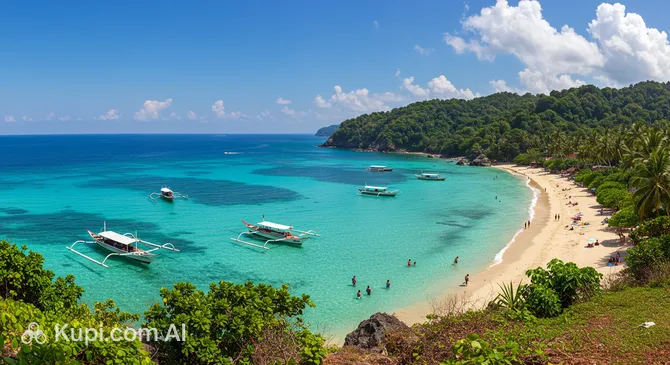
Sabang is a true island oasis, nestled on the picturesque volcanic island of Pulau Weh in the Andaman Sea. Due to its unique geographical location northwest of Sumatra, the city is often called the "gateway to the Indian Ocean." For travelers attracted to exotic Indonesia, Sabang becomes the starting point for adventure: it is here that the famous "Kilometer Zero" is located—the geographical marker for the northernmost and westernmost point of the country.

Sabang. Illustration.
Source: Kupi.com AI

The city features a cozy and intimate atmosphere. With a population of about 38,000 people, it avoids the hustle and bustle of megacities, allowing visitors to enjoy a measured pace of life. Sabang plays an important role as an administrative center and a seaport welcoming ships from all over the world. The rich history of Sabang is inextricably linked to the sea and trade, which has left its mark on the architecture and the multicultural way of life of the locals, known for their sincere hospitality.

This place is a true paradise for nature lovers and outdoor enthusiasts. Sabang is famous for its diving and snorkeling opportunities: azure waters and pristine coral reefs attract diving enthusiasts from all over the planet. Beyond the depths of the sea, tourists are charmed by dense jungles and white-sand beaches that seem designed for total relaxation. Sabang is the perfect choice for those who want to touch authentic culture and get a real taste of life far from civilization.

Weather Overview

The climate in Sabang is typically tropical, hot and humid, making it attractive to tourists almost all year round. The air temperature here is remarkably stable: average figures stay in the range of 26.5°C to 28.1°C. Even in the "coolest" months, such as December and January, the air warms up to comfortable values, and nights remain very warm, rarely dropping below 25°C.

Precipitation is distributed unevenly throughout the year, although rain is possible in any month. The wettest season occurs at the end of the year: in October, November, and December, the number of rainy days is at its maximum (up to 29 days in November). A relatively dry period is observed from February to July, when the number of days with precipitation decreases to 13–14 per month. Expect consistently warm weather with high humidity and frequent tropical downpours, which are usually followed by bright sunshine.

When planning your trip, it's important to consider the seasonality of the rains so as not to spoil your beach holiday. For more accurate planning of your travel dates, we recommend checking the detailed weather in Sabang, which lists climatic features by month.

Average monthly temperature

Average monthly precipitation

Interesting Facts

Besides the popular beaches and diving, Sabang hides many amazing details that reveal themselves only to inquisitive travelers. This city at the edge of the archipelago is full of geographical and natural secrets that make it a unique point on the map.
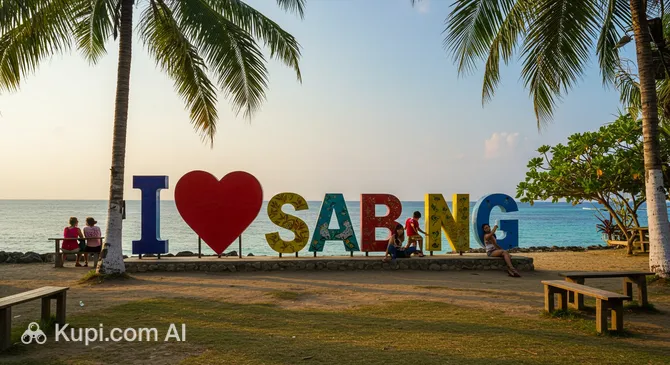
  • Sabang has a special geographical status: it is here that the "Kilometer Zero" monument is located, symbolizing the beginning of all roads in Indonesia. It has become a tradition for many tourists to reach this point to feel like they are at the very edge of the giant archipelago and take a commemorative photo, often featuring the "I Love Sabang" Sign.

  • Pulau Weh, the island where the city stands, is of volcanic origin, which is vividly reflected in its landscape. In the surrounding area, you can find the unique Jaboi geothermal springs: here, boiling water and steam burst directly from the earth's depths, creating surreal landscapes and reminding us of the powerful forces of nature.

  • This place is considered a true Mecca for lovers of the underwater world. The waters around Sabang, especially near Rubiah Island, are famous for their incredible biodiversity: here, divers and snorkelers can encounter sea turtles, schools of colorful tropical fish, and even nurse sharks living among the coral reefs.

  • The spirit of history is preserved in the city thanks to the colonial architecture remaining from the time of the Dutch presence. Walking through the streets of Sabang, you can see old villas and administrative buildings that give the resort a special charm and a time-travel atmosphere.

I Love Sabang Sign. Illustration.
Source: Kupi.com AI

Traveler photos:

How to Get There

A journey to Sabang is a small adventure, as the city is located on Weh Island (Pulau Weh), separated from the island of Sumatra by a strait. Since there is no direct land road, logistics usually involve a flight to the nearest major city followed by a sea crossing. You can study all ways to get to the city in detail on a separate page, and below we will look at the main routes.

There is no large airport in the city of Sabang itself that accepts regular international flights. Travelers usually fly into Sultan Iskandar Muda International Airport (IATA: BTJ), located in the city of Banda Aceh. This airport is about 42 km from Sabang (across the strait). Upon arrival at the airport, you will need to take a taxi or a "Damri" bus to the Ulee Lheue ferry terminal; the journey takes about 30–40 minutes. From there, fast boats and ferries run regularly to Sabang.

For clarity, here is summary information on the main arrival airport:

AirportPassenger trafficDistance
Sultan Iskandar Muda International Airport1.3 mln42 km
Rembele Airport28 000213 km

Railway communication on Weh Island, where Sabang is located, as well as in the northern part of Sumatra (in the Banda Aceh area), is virtually non-existent for passenger transport. Therefore, trains are not considered a way to reach this resort. The main options are air travel and water transport.

The final stage of the journey to Sabang always takes place by water. Speed ferries (travel time about 45 minutes) and slow ferries that also carry vehicles (travel time about 1.5–2 hours) depart from the port of Banda Aceh. They arrive at Balohan port on Weh Island, from where you can reach Sabang city center by taxi or local transport in 15–20 minutes.

Main Attractions

Sabang is a treasure trove of experiences where picturesque nature harmoniously coexists with interesting man-made sites. The city and its surroundings offer tourists a variety of locations, from peaceful white-sand beaches to significant cultural symbols reflecting the history and traditions of the region.

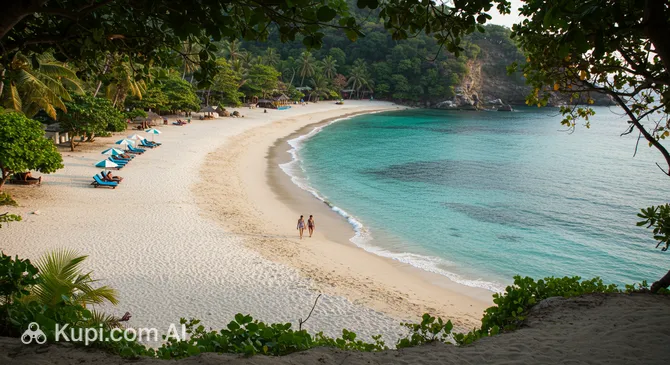
One of the most beautiful spots on the coast is rightfully considered Sumur Tiga Beach. Tourists love it for its long shoreline covered in soft sand and crystal-clear turquoise water. It is an ideal corner for those who want to enjoy tranquility, snorkel among the corals, or watch the sunrise surrounded by lush tropical greenery.

The spiritual heart of the city is the Babussalam Grand Mosque. This majestic building attracts attention with its elegant architecture and serves as the center of religious life for the local community. Visiting the mosque allows travelers to better understand the culture and lifestyle of Aceh province, though it is important to remember to follow the appropriate dress code and rules of conduct on the sacred grounds.

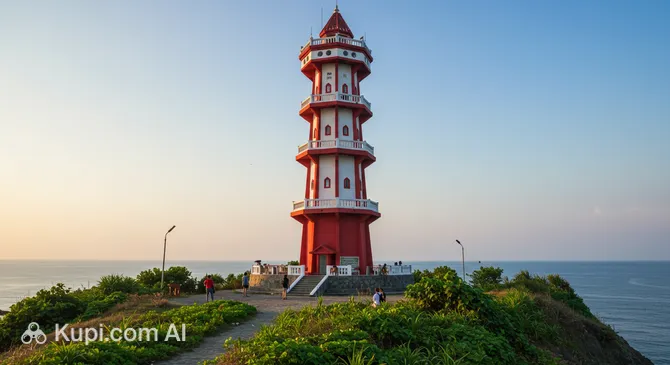
Merah Putih Tower. Illustration.
Source: Kupi.com AI

Traveler photos:

For those who want to capture their stay on the island, the "I Love Sabang" Sign is a mandatory stop. This popular photo zone is located in a picturesque spot on a hill, offering breathtaking panoramic views of the city and the endless ocean. People come here to take bright and memorable photos as a keepsake of their journey to the very edge of the Indonesian archipelago.

History buffs and fans of urban architecture will be interested in the Merah Putih Tower. Its name translates as the "Red and White Tower," referring to the colors of the Indonesian national flag. This landmark not only decorates the city landscape but also serves as an important symbol of patriotism and independence for the locals, reminding them of the region's rich historical past.

Local Cuisine

Sabang's gastronomic scene is a vivid reflection of the richness of the Andaman Sea and the culinary traditions of Aceh province. The basis of the local menu is the freshest seafood, which often hits the table just a few hours after being caught. The cuisine here is spicy and rich with the aromas of spices, chili, and coconut milk, making every meal a true adventure for the taste buds.

One of the city's main hallmarks is sate gurita—tender octopus skewers. They are marinated in a special spice blend and grilled over an open fire, served with spicy sambal sauce or thick padjang peanut sauce. This dish can be found both at street stalls in the night market and in restaurants. Equally popular is grilled fish (ikan bakar), which is traditionally served with fluffy rice and fresh vegetables.

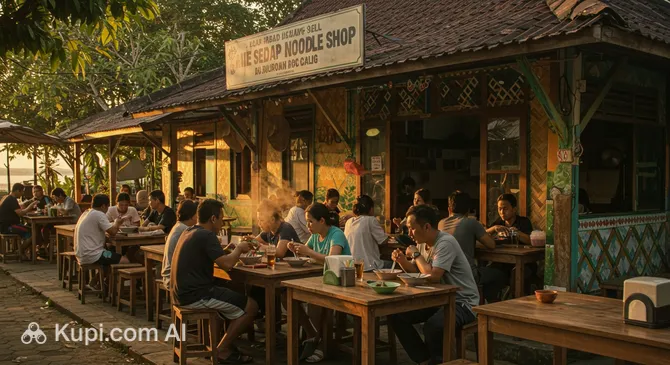
Lovers of rich flavors should definitely try the famous Acehnese noodles—mie Aceh. This is a thick, spicy curry dish prepared with beef, crab, or shrimp. Locals and savvy travelers often head to the Mie Sedap Café for the best noodles. This establishment is considered iconic and offers an authentic taste that is hard to find elsewhere.

Mie Sedap Noodle Shop. Illustration.
Source: Kupi.com AI

Traveler photos:

The drink culture in Sabang is inextricably linked with coffee. Aceh province is famous for its coffee beans, and Sabang is no exception. In local coffee shops (kedai kopi), it is customary to order kopi sanger—strong coffee strained through cloth and mixed with condensed milk. It is the perfect drink for slow conversations. As for alcohol, due to strict local laws, it is not easy to find: it is practically absent from the menus of regular cafes and is only available in some hotels or specialized places for tourists. The main emphasis here is on freshly squeezed juices and coconut water.

Dining in Sabang varies from simple street eateries (warungs) to cozy family restaurants. In the evenings, the center of attraction shifts to the waterfront and the "culinary tourism" area (wisata kuliner), where mobile kitchens with street food set up. If you want to dine in a more comfortable setting with a large selection of seafood, a great option is Kencana Restaurant, which is popular with both tourists and local families.

Travel Tips

Welcome to Sabang! This is a unique place where lush tropical nature coexists with deep cultural traditions. To ensure your stay on this picturesque island in Indonesia is as comfortable as possible and without surprises, we have prepared a list of practical recommendations that will help you easily adapt to the local pace of life.

  1. Clothing and Dress Code. Sabang is in Aceh province, where Sharia laws are in effect, so appearance is taken seriously here. The climate is hot, so bring light clothes made of natural fabrics, but remember: in the city and public places, shoulders and knees should be covered (this applies to both women and men). Swimsuits and trunks are appropriate exclusively on beaches or hotel grounds; when going out into the city, be sure to change.

  2. Transport. There is no usual public transport (buses with schedules) here. The most popular way for tourists to get around is by renting a scooter, which gives freedom in exploring the island. If you don't ride a bike, use the services of motorized rickshaws (becaks). Taxi apps work poorly or are non-existent, so the price of a trip with a driver must be agreed upon in advance, before boarding.

  3. Finances. The official currency is the Indonesian Rupiah. Bank cards are accepted only in large hotels and some diving centers, so cash is your best friend. ATMs are available at the port and in the city center, but they may not accept cards from some foreign banks or may be empty, especially on weekends. It's better to withdraw or exchange money in advance at a major airport or in the city of Banda Aceh.

  4. Health and Safety. Sabang is safe, but the tropical sun and insects require attention. Be sure to use repellents (there is a risk of dengue fever here) and sunscreen with a high SPF. Pharmacies are open, but the range of medicines is basic—bring specific medications with you. Drink only bottled water, avoiding ice in street drinks of questionable origin.

  5. Communication. In tourist zones (Iboih, Gapang) and dive centers, staff speak English reasonably well. However, in the city itself and in villages, locals' knowledge of English is minimal, so download an offline translator or learn a few phrases in Indonesian ("terima kasih" — thank you). For internet, it's better to buy a local SIM card (for example, Telkomsel) immediately upon arrival in Banda Aceh, as Wi-Fi in cafes is often slow.

  6. Local Etiquette. Indonesians are very friendly. When greeting or passing anything (money, food), use only your right hand—the left is considered "unclean." Public displays of affection between couples (kissing, long hugs) are not accepted here and may cause disapproval, so behave discreetly in public places.

  7. What to Avoid. Strictly avoid consuming alcohol in open public places (on streets, squares). Alcohol in Aceh is sold on a limited basis and only in special places for tourists. Also, never point at people or objects with your foot—it is considered a gross insult.

  8. Friday Features. Friday is a holy day for the Muslim population of Aceh. From approximately 11:30 AM to 2:00 PM, life on the island comes to a standstill: shops, markets, government offices, and many cafes close for collective prayer. Plan this time for relaxation on the beach or at the hotel, as activity in the city resumes only after lunch.

By following these simple tips, you can avoid awkward situations and show respect for the culture of the local people, who in return will give you their hospitality and sincere smiles. May your trip to Sabang be filled with bright discoveries and serene relaxation!

Entertainment & Nightlife

Entertainment and Nightlife:

Nightlife in Sabang has its own unique flavor, which differs significantly from typical tourist stereotypes. Since the city is located in Aceh province, where Sharia norms are in effect, you won't find noisy nightclubs, discos, or bars with loud music and alcohol. Instead, evening leisure revolves around cozy socializing, culinary discoveries, and the famous coffee culture. The city goes to sleep quite early, but this time is perfect for relaxed rest to the sounds of the ocean or slow conversations in local establishments.

The center of evening activity is Jalan Perdagangan and the waterfront area. As the sun sets, numerous street cafes and "warungs" open here, where locals and tourists gather to discuss the day's news. This is the best place to immerse yourself in the atmosphere of "ngopi"—the tradition of long sittings over a cup of strong Acehnese coffee. If you want to feel the pulse of the city, be sure to stop by the Mie Sedap Café. It is particularly crowded in the evening, as visitors enjoy not only the legendary noodles but also the authentic old-town atmosphere that reigns in this establishment.

For those who prefer a more romantic and secluded setting, restaurants at coastal beach resorts are an ideal choice. In the Sumur Tiga Beach area, you can spend an unforgettable evening dining to the sound of the surf. For example, Casa Nemo Beach Resort & Spa offers guests a beautiful terrace overlooking the ocean. This is one of the few places where you can enjoy the sunset in a comfortable setting, combining European service with Indonesian hospitality. The dress code here is relaxed but elegant, while in the city center, it is recommended to dress more modestly.

Seafood lovers should go in search of culinary treasures at Kencana Restaurant. This establishment is famous for its fresh catch dishes and is a popular spot for family dinners. Here you can try grilled fish with signature sauces in a calm and friendly atmosphere. Prices in Sabang's establishments remain very affordable: a full dinner for two costs on average 100,000–200,000 IDR.

Practical tips for night walks:

  • Alcohol: Remember that the open sale of alcohol in the city is prohibited. Alcoholic beverages are absent from the menus of regular cafes and shops. They can only be found in some closed restaurants for tourists at hotels, but it is best to be prepared for an "alcohol-free" vacation.
  • Safety: Sabang is a very safe city. You can calmly walk through the lit streets of the center even late at night. However, avoid dark and deserted alleys on the outskirts.
  • Transport: Finding transport after 9:00 PM can be problematic. If you stay late at a restaurant or a distant beach, arrange a return trip time with a becak (motorized rickshaw) driver in advance or take their phone number.

As for daytime entertainment, it is mostly related to nature and history. During daylight hours, tourists explore Japanese bunkers, visit museums, or head to marine parks for snorkeling. Evening in Sabang is a time for gastronomy and peace, allowing you to recover your strength before a new day of adventure.

Parks & Museums

Sabang is a city where the boundaries between urbanity and wild nature are practically blurred. Instead of classic paved parks, lush tropical gardens and untouched natural areas reign supreme here, and the role of museums is often played by open-air historical forts scattered along the coast of Weh Island.

One of the main places for walking is the Sabang Fair park. This landscaped waterfront area serves as a center of social life: old cannons reminding of the colonial past are installed here, and sunset viewing platforms are equipped. Another important natural site is Lake Aneuk Laot. This freshwater body, surrounded by emerald hills, not only supplies the city with water but also offers tourists peaceful panoramas, especially beautiful in the evening hours.

Sumur Tiga Beach. Illustration.
Source: Kupi.com AI

Traveler photos:

Speaking of natural areas, it is impossible not to mention Sumur Tiga Beach. Although technically a beach, its vast territory with coconut palms and rich vegetation is effectively a magnificent natural park where you can hide from the heat in the shade of trees and enjoy the sounds of the jungle.

The city's cultural and historical heritage is carefully preserved in the Sabang Museum. The exhibition of this small but informative museum tells the story of the city's development as an important seaport and trade hub. Here you can see old photographs, documents, and household items illustrating island life in different eras, including the periods of Dutch colonization and Japanese occupation.

Of particular interest are the open-air museums, such as the Japanese Bunkers (Benteng Jepang) in the Anoi Itam area. These World War II defensive structures, built directly into the coastal cliffs, allow you to touch the military history of the region. Exploring the dark tunnels and pillboxes against the backdrop of the endless ocean leaves a strong impression and provides a unique opportunity to combine a historical excursion with a walk through picturesque terrain.

For those looking for hidden gems, we suggest heading to the Gua Sarang cave. This place is often called "mini Raja Ampat" for its impressive rock formations and turquoise waters. Getting there is not easy, but the view of the sea caves and swallow nesting sites is definitely worth the effort.

Getting Around

The public transport system in Sabang is significantly different from the usual urban infrastructure of megacities. Here you won't find a metro, trams, or an extensive network of large scheduled buses. Since the city is located on a small island, the transport system here is adapted to a measured pace of life and complex terrain. Moving around the island is more like an individual transfer or rental than classic public transport with schedules and stops.

The most colorful and common form of transport for short trips within the city is the becak—a motorcycle with a passenger sidecar attached. This is not just a means of transport, but a local attraction. Becaks are ideal for trips from the ferry terminal to the hotel, to the market, or to the nearest beaches. Drivers often decorate their vehicles, and a ride in the breeze allows you to get a better look at the surroundings.

For communication between Balohan port (where ferries arrive) and popular tourist zones such as Iboih or Sumur Tiga, minibuses and minivans operating as shared taxis or shuttles are used. They usually wait for the arrival of the ferry and depart as the cabin fills up. They do not have a clear schedule; they focus on the flow of visitors. This is the most budget-friendly way to reach remote beaches if you are traveling alone.

The payment system in Sabang is as simple and conservative as possible: cash rules here. There are no transport cards, passes, or validators. The price of a trip on a becak or in a private minivan must be agreed upon with the driver in advance, before boarding. Bargaining is appropriate and even encouraged, especially if the price seems inflated. The approximate cost of a becak trip around the city is from 15,000 to 30,000 IDR, while a transfer from the port to distant beaches can cost 50,000–100,000 IDR per person depending on the type of transport.

Mobile apps for calling a taxi (such as Gojek or Grab), popular in large cities in the region, work inconsistently in Sabang or are completely absent in their usual format. Local transport communities often restrict the operation of online services to protect traditional drivers. Therefore, you should not rely on a smartphone to call a car—it is easier to find transport at stands near the port, hotels, or simply flag one down on the street.

The main alternative to public transport and the #1 choice for most tourists is renting a scooter (sepeda motor). This gives complete freedom of movement along the island's winding mountain roads. Rental points are available in almost every hotel and at the port. The rental cost usually varies between 80,000–120,000 IDR per day. For those who do not ride a bike, it is possible to rent a car with a driver for the whole day—this is the most comfortable option for families or groups who want to see all the sights without unnecessary hassle.

Accommodation

Where to stay:

Accommodation in Sabang consists primarily of cozy options harmoniously integrated into the natural landscape, rather than faceless concrete boxes. The hotel infrastructure here is diverse: from simple wooden bungalows for backpackers and divers to comfortable mid-range resorts with ocean views. There are no luxury five-star global chain hotels here, which helps preserve the atmosphere of authenticity and seclusion.

The choice of area to stay in largely depends on your plans. If the main goal is diving and snorkeling, most tourists choose the Iboih area. Life is bustling here: many inexpensive guesthouses are located right by the water or on stilts over the sea, and dive centers are within walking distance. For those looking for a quiet beach holiday with a higher level of comfort and beautiful sunrises, the Sumur Tiga beach area is ideal. Sabang city itself is convenient as a transit point or for business trips, but it is some distance from the best beaches.

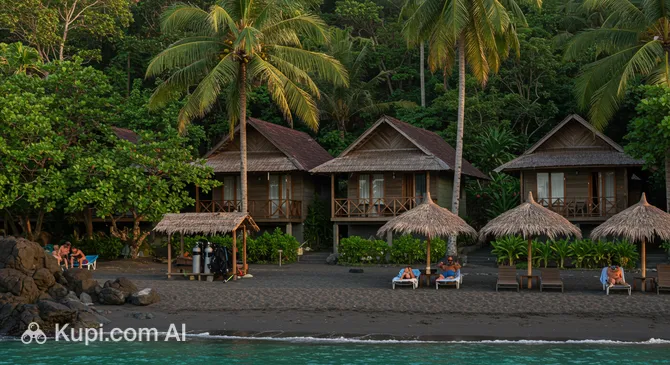
Among the popular places offering an excellent combination of service and location, Casa Nemo Beach Resort & Spa is worth highlighting. This resort hotel, nestled in tropical greenery, is known for its spacious traditional-style bungalows and access to a picturesque beach. This is a great example of how to enjoy nature without sacrificing modern amenities.

Casa Nemo Beach Resort & Spa. Illustration.
Source: Kupi.com AI

Traveler photos:

Booking Tip: Despite the relaxed atmosphere of the island, good housing options (especially bungalows with sea views and air conditioning) are snapped up quickly. If you are planning a trip during the high season (July–August) or on weekends when local tourists from Sumatra arrive, it is highly recommended to book a room at least 2–3 weeks before arrival.

The price range in Sabang is very democratic. Budget accommodation (a simple room with a fan) is very inexpensive, while prices for mid- and high-level hotels remain affordable by international standards. Large resorts and popular hotels are represented on international online booking platforms. However, many small family-run guesthouses in the Iboih area still operate the old-fashioned way: it is best to contact them directly via messaging apps or look for contacts on social media.

Nearby Cities

For those who want to explore the surrounding area, Sabang serves as an excellent starting point for day trips to several interesting nearby locations. Since the city is located on an island, the main connection with the "mainland" is through a ferry crossing that connects this tropical paradise with the mainland of Sumatra. The ferry journey itself becomes a small adventure with picturesque views.

The most accessible and popular destination for a visit is Banda Aceh. The provincial capital is just an hour away by speed boat. This city, with its rich history and culture, offers tourists a visit to the majestic Baiturrahman Grand Mosque—a masterpiece of Islamic architecture, and the Tsunami Museum, which is not only a memorial but also an educational center. A day trip here will allow you to immerse yourself in the atmosphere of a busy Asian city, try the famous Acehnese coffee in its authentic form, and return to the silence of Sabang by evening.

For a longer introduction to the region, you can consider a trip to Lhokseumawe. Although the distance is significantly greater and will require more travel time, this city on the east coast of Sumatra is interesting for its beaches, such as Ujong Blang, and its status as an important industrial and trade center. Visiting Lhokseumawe gives an insight into everyday life in Aceh province beyond the tourist routes, although for a day trip from Sabang, this direction may be tiring and is more suitable for a two-day tour.

CityPopulationDistance
Banda Aceh235 30538 km
Jantho9 44075 km
Dehradun30 70291 km
Meulaboh64 646213 km
Lhokseumawe180 200216 km

These nearby destinations provide an insight into the diverse culture and landscapes of the region, complementing a beach holiday on Weh Island with vivid impressions of the history and daily life of North Sumatra.

Shopping & Souvenirs

Shopping

General Overview: Sabang can hardly be called a global fashion capital, and people don't come here for designer clothes or the latest electronics. However, the city has its own trump card—its status as a Free Trade Zone. This means that you can find imported goods such as chocolate, perfumes, or kitchenware at prices lower than in the "mainland" part of Indonesia. Shopping here is more of a pleasant addition to a holiday, an opportunity to buy unique local souvenirs and inexpensive sweets in a relaxed island atmosphere.

Main Shopping Areas and Streets: The heart of the city's commercial life is Jalan Perdagangan. Its very name translates as "Trade Street," and it fully lives up to it. Most souvenir shops, clothing stores, and small grocery markets are concentrated here. In the evening, the street comes alive: stalls with street food open, and tourists stroll leisurely, choosing gifts and commemorative trinkets. This is the best place to feel the rhythm of city life.

Shopping Centers: There are no large malls or modern shopping centers of the usual Western format in Sabang. Trade is mainly conducted in small private shops (ruko) or at markets. The absence of glass skyscrapers with boutiques is compensated for by the coziness of small shops where owners often know their customers by face and are always ready to help with a choice or just chat.

Markets: To immerse yourself in the local flavor, it's worth checking out the Traditional Market (Pasar Tradisional). It's best to come here early in the morning when the stalls are overflowing with fresh tropical fruits, vegetables, and spices. Although this place is more oriented towards locals buying groceries, tourists can find excellent loose Acehnese coffee or try local snacks. Also, spontaneous mini-markets with souvenirs often appear near popular tourist locations, for example, near the "I Love Sabang" Sign attraction, where vendors offer themed goods.

Souvenirs: From Sabang, you should definitely bring back the famous Aceh coffee (Kopi Aceh)—it has a rich taste and aroma that is highly valued by coffee lovers. Traditional sweets are popular: dodol (a chewy toffee made with coconut milk) and melinjo fruit chips (emping). In souvenir shops, you will find T-shirts with island symbols, and items made from coconut shells and sea shells. Thanks to its port status, it is also profitable to buy imported chocolate and biscuits from Malaysia or Thailand here.

Opening Hours and Payment: Most shops on the main street open around 09:00 and work until 21:00 or 22:00. On Friday, the holy day for Muslims, many shops may close for midday prayer (from 12:00 to 14:00). The main method of payment is cash in Indonesian Rupiah. Bank cards are accepted only in some large shops and hotels, so always have a supply of banknotes with you, especially when visiting markets.

Tax Free: Since the entire island of Weh (Sabang) is a free trade zone, the concept of a tax refund (Tax Free) at the airport does not apply here in the classic sense. The benefit for the tourist is that many imported goods are initially sold without customs duties and taxes, meaning the price on the shelf is already lower. This makes buying foreign products and daily necessities here more profitable than in other regions of the country.
Reached the end of the page?

That means the route is fully explored