Support

Langsa

About

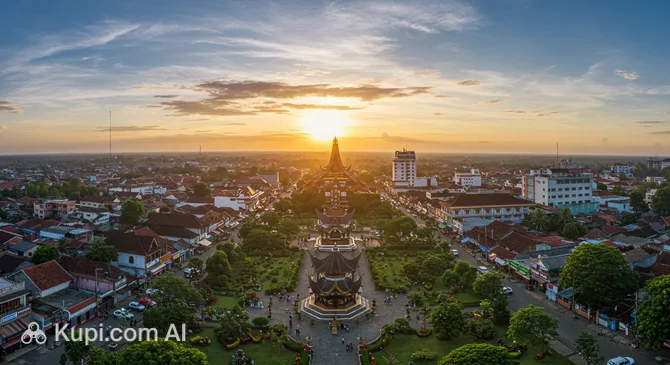
Langsa is a cozy and colorful city located in the northeast of Sumatra, in the heart of the Indonesian province of Aceh. Its strategic location between the green hills and the coast of the Strait of Malacca creates a special atmosphere where a fresh sea breeze meets the scents of tropical forests. This city in Indonesia is surrounded by picturesque rice fields and coconut groves, offering guests a chance to observe the traditional way of life.

Langsa. Illustration.
Source: Kupi.com AI

With a population of about 178,000 people, Langsa is one of the important administrative and economic centers of the region. Urban life here harmoniously combines the charm of traditional customs with modern trends. You can see ancient mosques, stroll through bustling local markets teeming with trade, or relax in one of the cozy street cafes, enjoying local cuisine and drinks.

Langsa attracts travelers with its hospitality and calm pace of life, allowing for a true immersion into authentic Sumatran culture. This city is an excellent choice for those seeking not only a beach holiday but also looking to explore rich nature and unique traditions. Visit Langsa to discover the hidden corners of Indonesia and gain unforgettable experiences.

You can find more interesting facts on the Langsa city history page.

Weather Overview

In the city of Langsa, a typical tropical climate awaits you: it is warm all year round, with average temperatures ranging from 25.5°C to 27.3°C. Maximum daytime temperatures usually reach 28-31°C, and nighttime temperatures rarely drop below 22-23°C. Rainfall is common at any time of year, with November and December standing out for having the highest number of rainy days and precipitation volumes reaching 11-12 mm. In general, expect warm and humid weather with frequent but usually short-lived rains. Read more about the weather in Langsa.

Average monthly temperature

Average monthly precipitation

Interesting Facts

In addition to its picturesque spots and hospitable residents, Langsa hides many surprising stories and features that travel guides don't always mention. This city in Aceh province keeps secrets that can surprise even a seasoned traveler.

  • In the early 20th century, Langsa was not just a city, but a true "gateway to Aceh" – a key port through which active trade in coffee and spices with foreign merchants took place. The spirit of an ancient trading port still lingers on its waterfronts.

  • The city is a real melting pot of Sumatran cultures. This ethnic diversity makes Langsa a venue for vibrant festivals where you can see unique traditional dances and hear original folk music reflecting a blend of many traditions.

  • Langsa is the birthplace of many talented musicians and arts and crafts masters. Local artisans are particularly famous for their unique wood carving techniques and the creation of traditional woven products, which are valued not only in Indonesia but also abroad.

  • Local culture is permeated with amazing legends about forest spirits and sea protectors. These legends, passed down by word of mouth, are not just fairy tales – they come to life during city holidays and theatrical performances, protecting the city from misfortune according to residents' beliefs.

How to Get There

When planning a trip to this corner of Aceh province, it is important to think through the logistics in advance, as the city does not have its own airport. The main flow of tourists arrives through the major transport hubs of neighboring cities. You can find all the ways to get to the city on our detailed page.

The most convenient and popular option for international and domestic flights is Kualanamu International Airport (IATA: KNO). It is located not in Langsa itself, but in the city of Medan, approximately 136 km from your destination. This is a large, modern aviation hub that accepts flights from all over the world. The journey from the airport to Langsa by taxi or bus takes about 3.5–4 hours, and the road passes through the picturesque landscapes of Sumatra.

Another option, though located in a different country, is Penang International Airport (IATA: PEN) in the city of George Town (Malaysia). It is located at a distance of about 271 km in a straight line across the Strait of Malacca. This route may be relevant for travelers planning a combined tour of Southeast Asia, but it will require an additional ferry crossing or a flight to Medan.

For clarity, here is a summary of the main airports through which you can plan your route:

AirportPassenger trafficDistance
Rembele Airport28 000128 km
Kuala Namu International Airport10.5 mln136 km
Sisingamangaraja XII Airport448 157270 km
Penang International Airport7.7 mln271 km
Langkawi International Airport2.5 mln283 km

Regarding rail service, there are currently no direct trains to Langsa that are convenient for tourists. Roads remain the main way of moving between cities in Sumatra. The most common way to reach the city after landing is to use intercity buses or rent a car with a driver in Medan. A bus trip is an economical and colorful way to see local life from the window.

Main Attractions

Langsa, a city in Aceh province, offers its guests several interesting spots that reflect its culture, history, and natural beauty. Although it is not the largest tourist hub in Indonesia, there is plenty to see and do here.

One of the main natural gems of Langsa is the Langsa City Forest (Hutan Kota Langsa). This is a vast green area famous for its mangroves and rich biodiversity. Tourists come here to enjoy the fresh air, walk along specially equipped trails and bridges, and observe birds and other forest inhabitants. It is an excellent place for ecotourism and peaceful outdoor recreation, allowing visitors to learn more about the importance of preserving mangrove ecosystems.

The Darul Falah Grand Mosque (Masjid Raya Darul Falah Langsa) is not only the city's main Islamic temple but also an important architectural and cultural landmark. The mosque attracts attention with its majestic appearance and beautiful Islamic architecture. Visitors can appreciate its interior (while following visiting rules) and feel the atmosphere of spirituality. This place plays a central role in the life of the local community.

Bambu Runcing Park (Taman Bambu Runcing) is an iconic public space in Langsa. The name of the park, "Bambu Runcing," translates as "sharpened bamboo" and refers to the bamboo spears used by Indonesians in their struggle for independence. A monument symbolizing this historical period can often be seen in the park. It is a popular spot for locals to relax, walk, and hold various events, as well as an opportunity to touch the history of Indonesia.

Merdeka Square (Lapangan Merdeka Langsa) is the heart of the city's social life. "Merdeka" means "freedom" or "independence," and such squares are found in many Indonesian cities, symbolizing national pride. The square in Langsa is a venue for city festivals, sporting events, and simply a place for residents to meet and relax. Here you can feel the rhythm of the city and see the daily life of its inhabitants.

Local Cuisine

The culinary scene in Langsa is a true discovery for foodies, offering a unique immersion into the rich flavors and aromas of Indonesian cuisine with a local twist. Gastronomic traditions here are carefully preserved and passed down from generation to generation, creating a unique atmosphere for everyone who wishes to get to know the local culture through food.

Among the dishes that you should definitely try in Langsa is the famous Aceh soup "Kuah Pliek U". This rich soup is prepared with aromatic herbs and spices, giving it a deep and memorable flavor. Another iconic dish is spicy fish stew with coconut milk, which is usually served with rice and fresh vegetables. This dish perfectly demonstrates the locals' love for vibrant and rich flavor combinations.

Coffee holds a special place in the gastronomic culture of Langsa. The city is one of the production centers for the famous Sumatran coffee, which is valued for its rich taste and pleasant mild acidity. In numerous local coffee shops, you will certainly be offered a cup of freshly brewed coffee, often served with traditional sweets made from rice flour and coconut. It is a perfect combination for a morning or afternoon break.

The food culture in Langsa is closely linked to vibrant street markets and numerous street food stalls. Here you can not only taste the freshest exotic fruits and seafood but also witness the preparation of the famous Aceh "Martabak" pancakes, which are fried right before your eyes. Street food is not just a way to grab a quick bite, but an important part of daily life and an opportunity to chat with friendly locals who are happy to talk about their culinary traditions.

The gastronomic life of Langsa is also enriched by various food festivals held throughout the year. These events provide a unique opportunity to get acquainted with traditional recipes, participate in culinary masterclasses, and try dishes prepared only for special occasions, turning the city into a true celebration of taste and hospitality.

Travel Tips

Welcome to Langsa! To ensure your trip to this interesting city in Indonesia, located in the province of Aceh, is as comfortable and memorable as possible, we have prepared some practical tips. By following them, you can better understand the local culture and avoid possible misunderstandings.

  1. Clothing and Essentials:

    Langsa has a hot and humid tropical climate, so choose light, breathable clothing made from natural fabrics. However, as the city is in Aceh province, where special cultural and religious norms apply, it is extremely important to observe modesty in clothing. Women are recommended to wear clothes that cover shoulders and knees (long skirts or trousers, blouses with sleeves). While a hijab is not mandatory for female tourists everywhere, having one or wearing a scarf when visiting mosques and some public places will be received with respect. Men should also prefer trousers and shirts or T-shirts (avoid sleeveless tank tops in public places). Don't forget comfortable walking shoes, sunscreen, a hat, and mosquito repellent. For electrical appliances, you will need an adapter (Type C and F sockets are used in Indonesia).

  2. Transport in the City:

    Moving around Langsa can be done on local minibuses known as "labi-labi" or "bemo," as well as on motorcycle taxis ("ojek") – a popular and inexpensive way to get where you need to go. Traditional taxi services are also available. For greater convenience, you can use mobile ride-hailing apps like Gojek or Grab, if they operate in the city. Car rental is possible, but keep in mind that traffic can be quite chaotic and takes some getting used to.

  3. Finances:

    The local currency is the Indonesian Rupiah (IDR). You can exchange currency at banks or official exchange offices; avoid exchanging with street money changers. Credit cards are accepted in large hotels and some shops, but for daily expenses, especially at markets and small cafes, always have enough cash with you. There are ATMs in the city, but it's better to use those located at bank branches. Tipping is not strictly mandatory in Indonesia, but is welcome for good service (usually 5-10% in restaurants or a small amount for a driver/guide).

  4. Health and Safety:

    Pharmacies ("apotek") are available in Langsa, where you can buy basic medications. If medical help is needed, contact local clinics or hospitals ("rumah sakit"). Travel medical insurance is highly recommended. Langsa is generally considered a peaceful city, but follow standard precautions: watch your belongings, do not display valuables, and avoid walking alone in poorly lit and deserted places at night. Drink only bottled water. Pay special attention to following local laws and customs, given the specifics of Aceh province.

  5. Communication:

    The official language is Indonesian (Bahasa Indonesia). Locals also speak the Acehnese language. English may be common in the tourism sector and among young people, but not everywhere. Learn a few basic phrases in Indonesian: "Selamat pagi/siang/sore/malam" (Good morning/afternoon/evening/night), "Terima kasih" (Thank you), "Sama-sama" (You're welcome), "Permisi" (Excuse me, to get attention or pass by), "Berapa harganya?" (How much does this cost?). A local SIM card with internet access can be purchased upon arrival. Wi-Fi is available in most hotels and many cafes.

  6. Local Etiquette and Traditions:

    Residents of Langsa, and Indonesia in general, are usually very friendly and polite. Greet people with a smile and a slight nod. When communicating, be restrained and tactful, avoid loud talking and outbursts of emotion. The left hand is traditionally considered "unclean," so try to pass objects, food, or money with your right hand. Show respect for religious traditions: do not photograph people praying without permission, behave quietly and modestly near mosques, especially during prayer times. Respect for elders is highly valued.

  7. What to Avoid:

    Strictly avoid any behavior that could be seen as disrespectful to Islamic norms and local traditions. This includes consuming alcohol in public places (strict restrictions apply in Aceh), gambling, and public displays of affection between men and women. Do not criticize local orders or enter into arguments on religious or political topics. Also avoid aggressive behavior or public expressions of strong dissatisfaction – this is considered extremely impolite.

  8. Additional Tip:

    Friday is a holy day for Muslims. On this day, especially during Friday prayers (approximately from 12:00 to 14:00), many shops and institutions may be closed or operate on a reduced schedule. Plan your activities with this in mind. Be sure to try local cuisine, such as the famous Mie Aceh noodles, and if you have the chance, visit the Langsa Mangrove Forest (Hutan Mangrove Langsa) – it is a unique natural attraction.

We hope these tips help you better prepare for your trip and get the most out of your stay in Langsa. We wish you an exciting and informative journey to this unique corner of Indonesia!

Entertainment & Nightlife

Evening and nightlife in Langsa, a city in the Indonesian province of Aceh, has its own unique characteristics due to local cultural and religious traditions. If you are looking for loud nightclubs and bars serving alcohol until dawn, Langsa will offer you a completely different experience. Here, evening leisure is focused on socializing, delicious food, and a calm atmosphere.

The main center of evening life in Langsa are the numerous local cafes and eateries known as warungs. Especially popular are warung kopi – traditional coffee shops where locals gather to drink coffee, chat, and spend time with friends. Here you can try various types of local coffee, including the famous Gayo coffee. The atmosphere in such establishments is usually very friendly and relaxed. Many of them stay open until late in the evening.

Street food areas or night markets (pasar malam), when organized, are also popular places for evening walks and dinner. Here you can enjoy a variety of Indonesian dishes at affordable prices. This is a great place to observe the daily life of the citizens and try something new. Usually, these places come alive after sunset and operate until 10:00-11:00 PM.

The atmosphere of evening Langsa is rather calm and family-oriented rather than club-like. The crowd is mostly local, and the dress code is modest, in accordance with the norms of Aceh province. Loud music and dancing until morning are not practiced here. Instead, slow-paced conversation and enjoying the moment are valued.

Regarding practical tips, the best time for evening walks and visiting cafes is from nightfall until about 10:00-11:00 PM. Local transport such as becaks (cycle or motor rickshaws) or ojeks (motorcycle taxis) can be used to get around the city in the evening. Always agree on the price in advance. As for safety, Langsa is generally a peaceful city, but standard precautions should be taken, especially after dark, and local customs should be respected.

It is important to understand that you will likely not find traditional nightclubs, bars with a wide selection of alcoholic drinks, or nightlife districts in the Western sense in Langsa. This is due to the special status of Aceh province. However, to feel the evening rhythm of the city, we recommend visiting the popular local warung kopi, where social life thrives, or the lively street food courts offering authentic Indonesian dishes.

During the day, there is also plenty to do in Langsa. You can stroll through city parks, visit local markets to immerse yourself in the color of daily life, or visit mosques, which are an important part of the local culture. While the city may not have large museums or world-class amusement parks, its charm lies in its authenticity and the opportunity to get acquainted with the traditional way of life in Indonesia.
Parks & Museums

Langsa, a city in Aceh province, offers its guests both pleasant green corners for outdoor relaxation and places where you can touch the local culture and history. Here you will find opportunities for peaceful walks and getting to know the region's heritage.

One of the main places for outdoor recreation in Langsa is the Langsa City Forest (Hutan Kota Langsa). This is a vast green area popular with locals and tourists, offering shade from trees, walking paths, and sometimes small animal enclosures. A special point of pride is the adjacent Langsa Mangrove Forest (Hutan Mangrove Langsa), where you can see the unique mangrove ecosystem, walk along wooden walkways, and observe local fauna. It is a great place for family holidays and nature lovers.

Another popular spot for relaxation is Bambu Runcing Park (Taman Bambu Runcing). This city park, named after the traditional bamboo spear—a symbol of struggle—is not only a pleasant place for walks but also carries a piece of local history. Here you can take a break from the city bustle and spend time in the fresh air.

While there may not be a large number of traditional museums in the European sense in Langsa, the city's cultural heritage can be felt through its architecture and public spaces. An important spiritual and architectural center is the Darul Falah Grand Mosque (Masjid Raya Darul Falah Langsa). Its majestic building attracts attention and is a significant place for the local community, reflecting the region's Islamic traditions. Visiting the mosque (while observing rules of conduct) can provide insight into local culture and architectural styles.

For a deeper immersion into local life, visit the traditional markets of Langsa, where you can see the daily life of the citizens and find authentic products. Also, don't miss the opportunity to get acquainted with local crafts, which can be found in small shops or workshops that preserve the traditions of Aceh.

Getting Around

Getting around Langsa can be done in several ways, each with its own characteristics. Public transport here is mainly represented by more informal but effective modes for local conditions.

The foundation of the city's transport system is angkots (share taxis) – small minibuses or minivans that run on specific, though sometimes loosely fixed, routes. This is a popular and inexpensive way to travel. Payment is made in cash to the driver, usually upon exiting, and amounts to a small sum. The angkot's route is often indicated on its body, but it's better to confirm the direction with the driver or locals.

Ojeks (motorcycle taxis) are very common in Langsa. This is a fast way to reach your destination, especially for short and medium distances, bypassing potential traffic jams. It is customary to agree on the price of a trip on a traditional ojek in advance. Also, popular regional ride-hailing apps (such as Gojek or Grab) likely operate in the city, where the price is calculated automatically.

For leisurely short-distance trips, especially in central areas or for visiting markets, you can use the services of becaks (cycle or motor rickshaws). As with ojeks, the cost of a trip on a traditional becak should be agreed upon before starting the journey.

Regarding payment, for angkots, traditional ojeks, and becaks, you will need cash, preferably in small bills. There are usually no specialized transit cards for these types of transport. If you use taxi or ojek services through mobile apps, payment can be made either in cash or by card through the app.

Practical tips for tourists:

  • Always have small change with you to pay for fares.

  • Do not hesitate to clarify the route and cost of the trip in advance, especially if using services without a meter or app.

  • Main modes of transport usually start operating early in the morning and finish by evening. At night, the availability of public transport may be limited, making taxis or online ride-hailing services the best choice.

  • Angkot tickets are paid directly to the driver. For ojeks and becaks, payment is by agreement or via the app.

As an alternative to traditional public transport, taxis are available in Langsa, which can be caught on the street, found at special stands, or ordered by phone. A more modern and convenient option is ordering a car or motorcycle taxi through the aforementioned mobile apps (Gojek, Grab), which offer transparent fares and trip tracking. Car sharing or official bike rental options in a city of this size may be limited, but you can always inquire about private bicycle or scooter rentals on-site.

Accommodation

When planning a trip to Langsa, you will find a variety of accommodation options to suit different preferences and budgets. The city offers more economical options, such as guesthouses and simple hotels, as well as mid-range hotels offering more comfort and additional services. While luxury resorts may be few here, you can always find a cozy and clean place to stay.

When choosing a place to stay in Langsa, you should pay attention to areas located near the city center or major transport arteries. This will provide you with easy access to shops, local markets, and dining establishments. Some travelers prefer to stay in quieter areas to better feel the local atmosphere, but it is always useful to check transport accessibility to the sites you are interested in.

To guarantee the best choice and prices, especially if your trip coincides with local holidays or the peak tourist season, it is recommended to book your accommodation in advance. The most popular booking methods are international online platforms and travel aggregators. Sometimes a direct booking via the hotel's website or by phone is possible, which may be relevant for smaller local hotels.

The price range for housing in Langsa varies from budget offers to moderate prices for rooms with improved amenities. In general, Indonesia offers quite affordable accommodation, and Langsa is no exception. Travelers can usually find a suitable option that fits their financial capabilities, whether it's a simple room for a short stopover or more comfortable apartments for a long stay.

Nearby Cities

For those looking to explore the surrounding areas, Langsa serves as an excellent starting point for day trips to several interesting nearby locations. Here are a few options that might interest you:

  • Binjai (about 112 km): Known as the "City of Rambutan," this city offers the chance to get acquainted with the more measured life of the Indonesian province and visit colorful local markets, especially if your trip coincides with the fruit ripening season.
  • Lhokseumawe (about 121 km): Located on the coast, this city may be interesting for its seaside atmosphere, the chance to relax on local beaches, and to learn about the culture of an important economic center of Aceh province.
  • Medan (about 124 km): As the capital of North Sumatra province and one of the largest cities in Indonesia, Medan attracts with its rich history, impressive colonial architecture, bustling markets, and, of course, its famous and diverse local cuisine.

A more complete list of nearby cities with their populations and distances from Langsa is presented in the table below:

CityPopulationDistance
Lhok Sukon96 km
Binjai269 053112 km
Blang Mangat22 850114 km
Lhokseumawe180 200121 km
Medan3 632 000124 km

These nearby destinations allow you to dive deeper into the diverse culture and see the picturesque landscapes of Sumatra island, enriching your journey through Indonesia.

Shopping & Souvenirs

Shopping in Langsa, a city in the Indonesian province of Aceh, offers tourists the opportunity to get acquainted with local trade and purchase authentic goods. Although Langsa is not a major shopping center, you can find interesting souvenirs, fresh products, and everyday items here while immersing yourself in the atmosphere of an Indonesian city.

Main shopping spots in Langsa are generally concentrated along the main streets and near central areas. Here you can find various stores, from small family-run shops to more modern retail outlets. Stroll through the lively streets to find clothing, electronics, and household goods stores. Specific street names may vary, but commercial activity usually thrives in the city center.

Regarding shopping centers, Langsa may have small local department stores or shopping complexes offering a variety of goods under one roof. These might be places where you can find branded clothing, cosmetics, as well as entertainment zones or food courts. However, do not expect the massive malls typical of megacities here.

A special place in the shopping culture of Langsa, as in all of Indonesia, is held by traditional markets (pasars). These are lively places where locals do their daily shopping. In Langsa's markets, you will find fresh fruits, vegetables, spices, fish, and meat. Local delicacies, prepared food, and sometimes handicrafts are also often sold here. Visiting such a market is a great way to feel the local color and perhaps find unique items.

As souvenirs from Langsa and the Aceh region, look out for local coffee (such as the famous Gayo; although produced in the highlands of Aceh, it can be found here too), traditional fabrics like songket or batik with local patterns, as well as handmade items from wood or other natural materials. Don't forget the fragrant spices, which will serve as a great reminder of your trip.

Shops in Langsa usually operate from the morning (around 9:00-10:00 AM) until the evening (8:00-9:00 PM). Traditional markets start their work very early in the morning. The main currency is the Indonesian Rupiah (IDR). In most small shops and markets, cash is preferred. Credit cards may be accepted in larger stores or department stores, but it is always better to have enough cash on hand.

Tax Free refund options for tourists in cities like Langsa are usually limited or non-existent. This system is more common in major tourist centers and international airports in Indonesia. If you make a large purchase in a big store, you can clarify this with the seller, but don't count on it too much.

Reached the end of the page?

That means the route is fully explored