Support

Pangkor

About

Pangkor is an enchanting island and a true gem of Malaysia's west coast, nestled in the waters of the Strait of Malacca. It is renowned for its atmosphere of serenity and tropical comfort, where colorful fishing villages, quiet settlements, and modern resort hotels blend harmoniously.

The island is relatively small, measuring only about 12 kilometers in length and 4 kilometers in width, making it ideal for leisurely exploration on foot or by bicycle. Pangkor has a population of approximately 25,000 people. Although the island is not an administrative center, its developed tourism infrastructure and unique natural landscapes have long made it a favorite vacation spot for both international tourists and Malaysians alike.
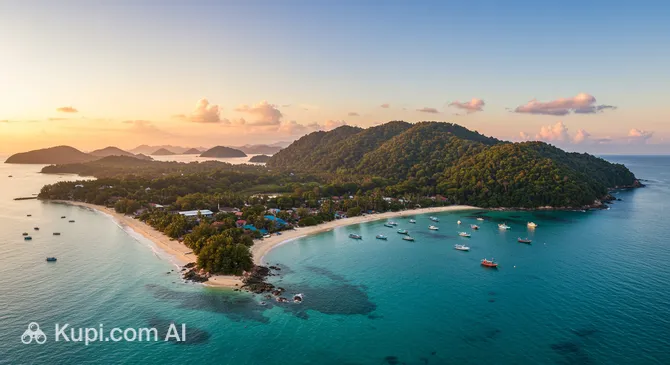
Pangkor. Illustration.
Source: Kupi.com AI

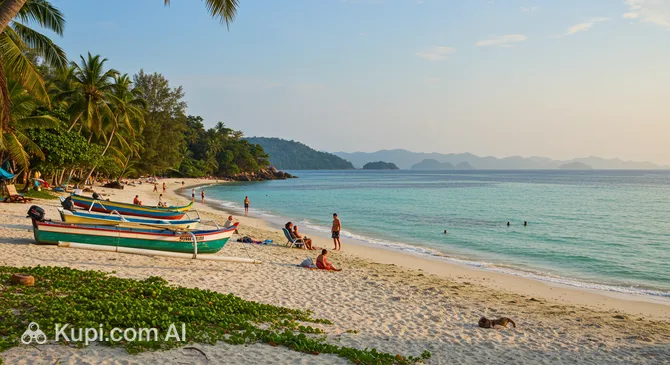
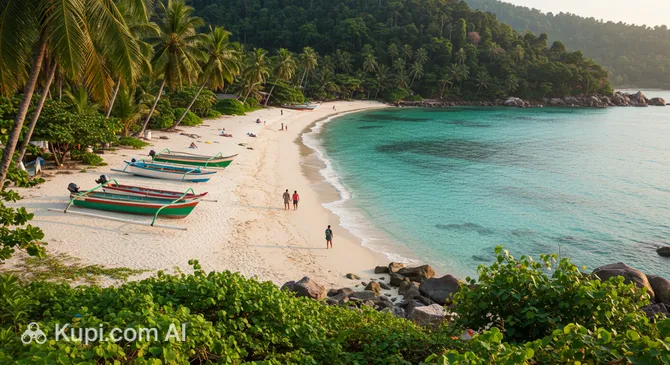
Pangkor attracts travelers with its golden beaches framed by lush greenery and crystal-clear seas. Among its unique features are picturesque, quiet bays where you can watch fishing boats swaying on the waves, as well as the chance to immerse yourself in authentic island life. Here, you can find secluded beaches, enjoy stunning nature, and go snorkeling.

If you dream of a peaceful holiday far from the city bustle, where time flows at a measured pace, Pangkor is the perfect choice for you. Discover this slice of paradise and enjoy its hospitality, gentle sun, and unforgettable sunsets.

You can find more interesting facts on the Pangkor city history page.
Weather Overview

The weather in Pangkor is characterized by consistently high temperatures throughout the year. The average annual temperature hovers around 27-28°C, with minimums around 25°C and maximums reaching nearly 30°C. Expect a warm and humid climate with frequent but usually short-lived rains. The highest rainfall occurs in October and November, but the chance of rain remains high in other months as well, with July being the month with the fewest rainy days and the least precipitation.

For more detailed information on the weather, including monthly forecasts, we recommend checking the Pangkor's climate page.

Average monthly temperature

Average monthly precipitation

Interesting Facts

Beyond its picturesque beaches and relaxing atmosphere, Pangkor holds many surprising stories and little-known details that can reveal this charming Malaysian island in a new light. Here are a few interesting facts to add some flair to your trip:

Fu Lin Kong Temple. Illustration.
Source: Kupi.com AI

Traveler photos:

  • On Pangkor Island, you can find the ruins of the historic Dutch Fort (Kota Belanda), built in the 17th century. Its primary purpose was to protect trade routes from pirate raids, and today its remains serve as a silent reminder of the island's colonial past.

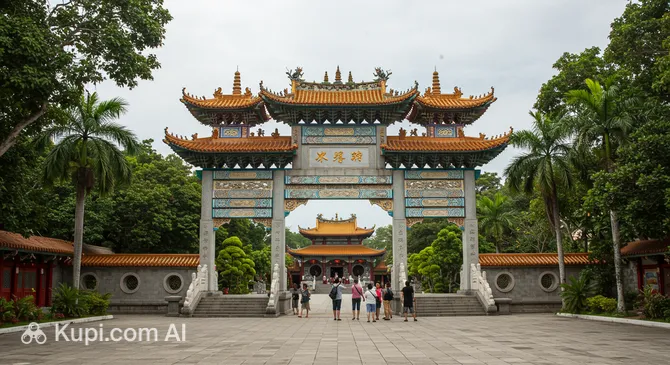
  • In the village of Sungai Pinang Besar, you'll find the stunning Fu Lin Kong Temple, where one of the main highlights is a miniature replica of the Great Wall of China. A stroll through its grounds allows you to immerse yourself in the atmosphere of Eastern legends.

  • One of the most unusual activities on Pangkor is the opportunity to feed exotic hornbills (also known as kalao) right on Teluk Nipah Beach. These friendly creatures often fly down to tourists for a treat, turning an ordinary walk into a small adventure.

  • Despite the development of tourism, Pangkor carefully preserves its authentic fishing traditions. In many villages, you can still see locals mending nets and heading out to sea in traditional boats, maintaining a way of life passed down through generations.

How to Get There

Reaching this picturesque island can be done in several ways, but keep in mind that the final leg of the journey always involves a ferry crossing. We have prepared an overview of the main transport hubs so you can plan your trip as comfortably as possible. You can find out more about how to get to Pangkor by exploring all available route options.

Pangkor itself does not have an airport, but you can fly into one of the transport hubs on the mainland. The closest option is Ipoh Airport (IATA: IPH) in Ipoh, located about 70 km from Pangkor. The journey from there to the ferry terminal by taxi or bus takes about 2 hours. If you are flying on an international flight, it is most convenient to choose Kuala Lumpur International Airport (IATA: KUL) in Kuala Lumpur. It is located about 208 km from Pangkor, and the road to the coast takes approximately 5.5 hours. You can also consider Penang International Airport (IATA: PEN) in George Town, located 122 km away (about 3.5 hours in transit).

For your convenience, here is a summary of the main airports:

AirportPassenger trafficDistance
Ipoh Airport517 16070 km
Penang International Airport7.7 mln122 km
Sultan Abdul Aziz Shah Airport1.4 mln164 km
Kuala Namu International Airport10.5 mln198 km
Kuala Lumpur International Airport57.1 mln208 km

Railway travel is also a popular way to get closer to the coast. There is no train station on Pangkor Island itself, but you can travel to KL Sentral (IATA: XKL) in Kuala Lumpur, which is approximately 174 km from Pangkor. This is the capital's main transport hub, from where ETS high-speed trains depart toward the coast (tourists usually travel to Batu Gajah or Ipoh station and then transfer to a taxi). The total travel time from Kuala Lumpur to the jetty, including the transfer to road transport, is about 4.5–5 hours.

Below is information about the nearest major railway hub:

StationPassenger trafficDistance
KL Sentral Station36.5 mln174 km

After arriving at any of the specified airports or the train station, you need to reach the town of Lumut or the Marina Island Jetty by bus or taxi. This is where ferries depart, taking travelers directly to Pangkor Island. The ferry ride takes between 10 and 40 minutes depending on the departure point.

Main Attractions

The island of Pangkor, located off the coast of Perak state in Malaysia, attracts tourists with its picturesque beaches, cozy fishing villages, and the opportunity to take a break from the urban rush. There are interesting spots here for beach lovers and culture and nature enthusiasts alike.

One of the island's main highlights is Teluk Nipah Beach. This popular spot is famous for its white sand, clear water, and excellent opportunities for snorkeling and diving right off the shore. In the evening, the waterfront comes alive with numerous cafes where you can enjoy fresh seafood to the sound of the waves. The beach is also a starting point for boat trips to neighboring uninhabited islets.

Teluk Nipah Beach. Illustration.
Source: Kupi.com AI

Traveler photos:

No less attractive is Pasir Bogak Beach. It is considered one of the longest on the island and is ideal for families thanks to its shallow and calm waters. Here, you can rent kayaks and jet skis or simply relax on a sun lounger enjoying the tropical sun. The beach's developed infrastructure offers plenty of options for accommodation and dining.

Pasir Bogak Beach. Illustration.
Source: Kupi.com AI

Traveler photos:

For those interested in local culture, the Fu Lin Kong Temple is a must-visit. This colorful Chinese temple, located at the foot of a hill, impresses with its traditional architecture, vibrant dragon sculptures, and well-maintained garden with ponds. By climbing the steps, you can not only explore the temple buildings but also admire a miniature replica of the Great Wall of China and enjoy panoramic views of the surrounding area.

Fu Lin Kong Temple. Illustration.
Source: Kupi.com AI

Traveler photos:

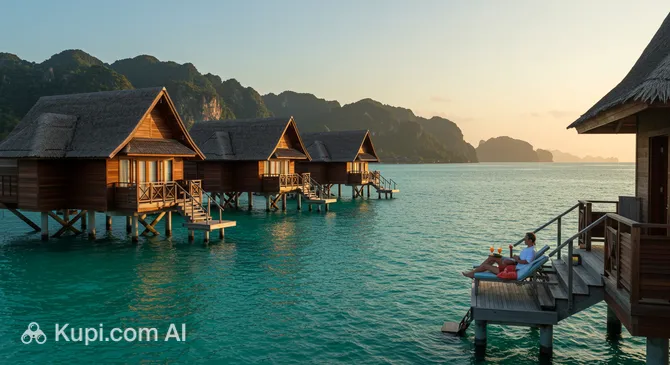
Although it is a private resort, the famous Pangkor Laut Resort, located on the island of the same name next to Pangkor, must be mentioned. This exclusive resort is known for its luxurious overwater villas and world-class service, attracting affluent travelers from around the globe. Pangkor Laut Island itself is famous for its untouched nature and secluded beaches, making it a symbol of luxury travel in Malaysia.

Local Cuisine

Pangkor is a true gastronomic paradise, especially for lovers of the freshest seafood. Located in Malaysia, this island is famous for its prawns, squid, crabs, and fish, which arrive at the table almost straight from the fishing boats. One of the most popular dishes that you should definitely try is fried fish in a spicy sauce, prepared according to traditional ancient recipes passed down through generations.

A special place on Pangkor's culinary map is held by the famous local smoked fish. Its unique aroma and taste are the island's signature. This fish can be found at local markets, and many tourists take it home as a delicious souvenir to share a piece of Pangkor's gastronomic charm with their loved ones.

Street food on Pangkor is a real kaleidoscope of flavors and aromas. In the evening, small markets and numerous stalls come alive, where you can taste aromatic satay skewers, crispy fried bananas, enjoy juicy fresh tropical fruits, or try traditional Malay seafood soups. This is a great opportunity to immerse yourself in the local atmosphere and taste the freshest and most authentic food.

As for drinks, you can always refresh yourself on Pangkor with freshly squeezed exotic fruit juices, local tea, or coconut water. For a more substantial meal, in addition to street cafes and markets, there are restaurants offering both Malay and international cuisine. Many of them are located near popular tourist areas, such as the beaches, like Teluk Nipah Beach, where you can combine relaxation with a tasting of local dishes.

Occasionally, gastronomic festivals are held on the island, characterized by an intimate, almost family-like atmosphere. At such events, local chefs host cooking shows, and guests can even participate in masterclasses on preparing national dishes. This adds a special flavor to a holiday on Pangkor.

The culinary scene of Pangkor attracts tourists with its emphasis on fresh ingredients, especially seafood, and authentic flavors. Signature dishes like spicy fried fish and aromatic smoked fish, combined with a variety of street food and the hospitality of the locals, make the island a true discovery for fans of Southeast Asian cuisine.

Travel Tips

Planning a trip to the charming island of Pangkor? To ensure your journey goes smoothly and leaves only pleasant impressions, we have prepared some practical tips. They will help you better prepare and enjoy your holiday in this corner of Malaysia.

  1. Clothing and Essentials:

    Pangkor is a tropical paradise, so pack light, breathable clothing made from natural fabrics (cotton, linen). Be sure to bring swimwear, sunscreen with a high SPF, a hat, and sunglasses. For walking around the island and potential jungle treks, comfortable closed shoes are useful, while sandals or flip-flops are great for the beach. Don't forget insect repellent, especially for the evening. In Malaysia, Type G sockets (British standard) are used, so bring a corresponding adapter. When visiting local villages or if you plan to visit a mosque (though there are few in touristy Pangkor), choose modest clothing that covers your shoulders and knees.

  2. Transport on the Island:

    You will likely arrive at Pangkor Island by ferry from the town of Lumut. The main form of transport on Pangkor is the pink taxi minivans, which usually have fixed rates depending on the route. Renting scooters or motorcycles is very popular—it's a great way to explore the island at your own pace. Ensure you have an international driving permit of the appropriate category and always wear a helmet. You can also rent a bicycle for short trips. There is practically no public transport in the form of a bus network here.

  3. Finances:

    The local currency is the Malaysian Ringgit (MYR). It is recommended to exchange some money in advance or in Lumut before taking the ferry, as the rate on the island itself may be less favorable and the number of exchange offices is limited. Credit and debit cards are accepted in large hotels and some restaurants, but cash remains king, especially in small cafes, local shops, and for paying for taxis or scooter rentals. There are ATMs on the island, but it's better to have a supply of cash with you. Tipping is not mandatory, as a service charge is often included in the bill, but it is always welcome for good service (you can round up the bill or leave a small amount).

  4. Health and Safety:

    Pangkor is considered a safe place for tourists. Observe standard precautions: do not leave valuables unattended on the beach. There are pharmacies (farmasi) on the island, but the range of products may be limited. For serious medical help, you may need to travel to the mainland. Be sure to get travel insurance. Drink only bottled water. Protect yourself from the sun and don't forget repellent. Be cautious with monkeys, especially if you have food—do not feed them, as they can become pesky or aggressive.

  5. Communication:

    The official language is Malay (Bahasa Melayu). In tourist areas, hotels, and restaurants, English is widely spoken. Learning a few simple phrases in Malay is always appreciated by the locals: "Selamat pagi" (Good morning), "Terima kasih" (Thank you). A SIM card from a local operator (e.g., Maxis, Celcom, Digi) can be bought on the mainland or possibly on Pangkor. Wi-Fi is available in most hotels and some cafes, but the speed may not be high.

  6. Local Etiquette:

    Malaysians are a friendly and polite people. A smile and a nod are common greetings. When interacting with local Muslims, especially women, wait for them to extend their hand first for a handshake. Dress modestly when away from the beach, such as in villages. It is customary to eat with your right hand (if eating without utensils). Remove your shoes before entering homes and temples. Do not point at people or objects with your index finger—use your thumb with the other fingers folded into a fist.

  7. What to Avoid:

    Try not to feed the monkeys, as this can make them aggressive and dependent on handouts. It is also important not to litter and to treat the island's nature with respect to preserve its beauty for future generations. Avoid overly revealing clothing away from beach areas.

  8. Additional Tip:

    Be sure to try the freshest seafood—Pangkor is famous for its fish restaurants where you can eat affordably and deliciously. The island is also known for its hornbills; in some places, like near the Sunset View Chalet, you can watch them being fed. Renting a motorbike is the best way to explore every corner of the island, including lesser-known beaches and viewpoints.

We hope these tips make your stay on Pangkor comfortable and unforgettable. Enjoy the beautiful beaches, the hospitality of the locals, and the unique atmosphere of this Malaysian island!

Entertainment & Nightlife

Pangkor Island is a destination for those seeking a quiet getaway and peace of mind, so its nightlife differs significantly from that of bustling metropolises. You won't find large nightclubs or lively districts with neon signs here. Instead, Pangkor offers quiet evenings by the sea, delicious food, and a relaxing atmosphere.

Most evening activity is concentrated around popular beach areas. For example, at Teluk Nipah Beach and Pasir Bogak Beach, numerous cafes and restaurants open as dusk falls. Here, you can dine on fresh seafood right on the sand, enjoying the sound of the surf and the starry sky. The atmosphere is very laid-back, with no dress code—shorts and a t-shirt are perfectly appropriate. Many establishments stay open late, but they generally close earlier than those in major cities.

There are few specific nightclubs in the Western sense on Pangkor, as the focus is on a more relaxed experience. Some hotels may offer lounge bars with live music or cocktails to their guests. Prices in local establishments are usually moderate. In the evening, it is best to get around on foot if you live near the beach, or arrange a taxi in advance, as public transport rarely runs at night. The island is considered quite safe, but standard precautions, especially after dark, should still be observed.

Regarding daytime entertainment, Pangkor offers its guests magnificent beaches for swimming and sunbathing, along with opportunities for snorkeling and diving. You can rent a boat for a sea excursion around the island or visit nearby small islets. Culture lovers will enjoy visiting local temples, such as the colorful Fu Lin Kong Temple, or exploring traditional fishing villages to see the local way of life. You might also consider a stay at places like Pangkor Laut Resort if you are looking for seclusion and luxury.

Pangkor Laut Resort. Illustration.
Source: Kupi.com AI

Traveler photos:

Parks & Museums

Pangkor, this cozy island off the coast of Perak in Malaysia, attracts visitors not only with its idyllic beaches but also with the chance to experience local culture and history. Although the island is small, it offers interesting spots for both nature lovers and those wishing to touch the region's heritage.

Pangkor's main natural attractions are undoubtedly its beaches. Among them, Teluk Nipah Beach stands out, known for its lively atmosphere, clean water, snorkeling and diving opportunities, and many cafes where you can enjoy fresh seafood. Pasir Bogak Beach is equally popular and is often called the "longest beach" on the island. It attracts tourists with its golden sand, gentle entry into the water, and variety of water activities, making it an excellent choice for a family vacation.

Teluk Nipah Beach. Illustration.
Source: Kupi.com AI

Traveler photos:

While Pangkor may not have large classical museums, its cultural and historical heritage is presented differently. One of the key attractions is the Fu Lin Kong Temple. This bright Chinese temple, with its traditional architecture, dragons, rock garden, and peaceful atmosphere, serves not only as a place of worship but also allows visitors to learn about the island's Chinese culture. Another important historical site is the ruins of the Dutch Fort (Kota Belanda), built in the 17th century. These remnants of fortifications are a reminder of the island's colonial past and its strategic importance in the tin trade.

Fu Lin Kong Temple. Illustration.
Source: Kupi.com AI

Traveler photos:

For a more authentic immersion into island life, visit one of the fishing villages, such as Sungai Pinang Kecil or Sungai Pinang Besar. Here, you can observe the daily lives of local residents, see how fish are dried and boats are made, and taste the freshest seafood right from the boat. It is also worth searching for lesser-known, secluded beaches and coves that could become your own personal discovery on Pangkor.

Getting Around

Getting to Pangkor Island and moving around it is quite simple, although there is no conventional urban public transport system like a metro or trams. The main way to reach the island itself is by ferry. Ferries depart regularly from the mainland, specifically from the town of Lumut and from the Marina Island Jetty. The ferry ride takes about 30-45 minutes and is a pleasant sea trip in itself.

On Pangkor Island itself, the primary form of public transport is the distinctive pink taxi vans. They ply the main roads and can take you to most beaches, hotels, and villages. They usually do not have fixed routes like city buses; they operate more on a shared taxi or individual booking basis. The fare is often fixed for popular destinations, but it is always helpful to confirm the price before boarding. There are no public buses with regular routes on the island.

In addition to taxis, a very popular way to get around Pangkor is by renting scooters (motorbikes) or bicycles. This is an excellent option for those who want to explore the island at their own pace and reach more secluded corners. Rental points are easy to find in the main tourist areas, especially near the ferry jetties. A driver's license is usually required to rent a scooter. Bicycles are suitable for leisurely trips over short distances.

The payment system on Pangkor is fairly straightforward. Ferry tickets are purchased at the ticket counters at the jetties before departure. For rides in the pink taxi vans, payment is made in cash directly to the driver. The same applies to scooter or bicycle rentals—cash payment at the rental point. There are no special transport cards or apps for public transport on the island. Ferry operating hours follow a schedule (usually from early morning to evening), taxis are available most of the day and evening, and scooter and bicycle rental points operate mainly during daylight hours.

Accommodation

In Pangkor, travelers will find a variety of accommodation options to suit every budget and preference. The island offers cozy budget guesthouses and chalets, mid-range hotels, and luxury resort complexes. For those seeking more privacy and home-like comfort, apartment rentals or entire villas are also available.

Most tourist facilities and, consequently, housing options are concentrated along the island's west coast. The beach areas of Teluk Nipah and Pasir Bogak are particularly popular due to their proximity to the sea, cafes, and shops. These areas offer a wide range of accommodation, from inexpensive to more comfortable options, and are convenient for those who want to be in the heart of the action.

Pangkor Laut Resort. Illustration.
Source: Kupi.com AI

Traveler photos:

Among the well-known accommodation choices, Pangkor Laut Resort stands out, offering an exclusive experience on a private island. Overall, the selection of hotels is broad enough for everyone to find something to their taste and budget, from simple rooms to luxury villas with sea views.

Price ranges vary from budget to luxury. You can book accommodation through popular online booking platforms or directly on hotel websites. It is highly recommended to book your stay in advance, especially if your trip coincides with the peak tourist season or weekends, as the best options can be snapped up quickly.

Nearby Cities

For those who want to explore the surrounding area, Pangkor serves as an excellent starting point for day trips to several interesting nearby locations:

For instance, you can head to Ipoh, located just 71 km away, known for its beautifully preserved colonial architecture, impressive cave temples, and delicious local cuisine. Another popular destination is George Town (134 km from Pangkor), the capital of Penang state and a UNESCO World Heritage site, which attracts tourists with its famous street art, historic buildings, and rich multicultural heritage.

CityPopulationDistance
Sitiawan100 00016 km
Teluk Intan101 65956 km
Batu Gajah133 42260 km
Ipoh866 77271 km
Taiping237 09572 km

These nearby destinations offer a deeper look into the diverse culture, history, and natural landscapes of this region of Malaysia.

Shopping & Souvenirs

Pangkor, as a charming resort island, offers a unique shopping experience that differs from the hustle and bustle of Malaysia's big cities. You won't find massive shopping malls here, but you can enjoy buying local goods and souvenirs in a relaxed atmosphere. The island is famous for its duty-free items, especially dried seafood, local snacks, and certain types of alcohol and chocolate.

The main shopping areas in Pangkor are concentrated in the island's primary settlements, such as Pangkor Town, Sungai Pinang Kecil, and Sungai Pinang Besar, as well as along popular beaches like Pasir Bogak or Teluk Nipah. Small shops and stalls are located here, offering everything from beachwear and swimming gear to local delicacies.

There are no large modern shopping centers in Pangkor. Shopping here is more intimate, geared toward tourists looking for authentic goods and souvenirs. Instead of malls, you will find rows of small shops and stalls, especially near the jetties where ferries arrive.

While there are no large organized markets in the traditional sense, you can find small local markets or stalls, particularly in fishing villages, selling fresh seafood and, more interestingly for tourists, a variety of dried seafood. This is a great place to observe local life and buy something truly local.

From Pangkor, it is worth bringing back the famous local dried seafood as souvenirs: anchovies (ikan bilis), squid, and prawns. Shell crafts, batik, sarongs, local coffee and tea, and various sweets and snacks are also popular. In duty-free shops, you can find good deals on chocolate and certain types of alcohol.

Most shops in Pangkor open in the morning (around 10:00-11:00) and stay open until the evening (19:00-21:00). Smaller stalls may have more flexible hours. For payment, most small shops and markets prefer cash (Malaysian Ringgit). Credit cards may be accepted in larger stores, hotels (such as Pangkor Laut Resort), and some souvenir shops. ATMs are available on the island, but their numbers are limited, so it is better to carry an adequate supply of cash.

Pangkor Island has duty-free status. This means that certain categories of goods, such as chocolate, perfumes, alcoholic beverages, and tobacco products, may be priced lower than on mainland Malaysia. This is one of the reasons why shopping on Pangkor can be attractive to tourists. Pay attention to product labeling and the conditions for purchasing duty-free items.

Reached the end of the page?

That means the route is fully explored