Support

Sitiawan

About

Sitiawan is a cozy town in the northwest, located on the coast of the Strait of Malacca. Malaysia often surprises travelers with such places, where you can take a break from the hustle and bustle and immerse yourself in an authentic atmosphere. Thanks to its geographical location, the town serves as an excellent starting point for exploring the Perak region and traveling to picturesque islands.

With a population of about 100,000, Sitiawan retains the charm of a small settlement where life flows at a measured and calm pace. The town literally breathes the sea breeze, and its surroundings are nestled in the greenery of mangrove forests and coconut groves. There is no metropolis-scale here, but that is exactly what allows guests to feel at home and blend into the local rhythm.
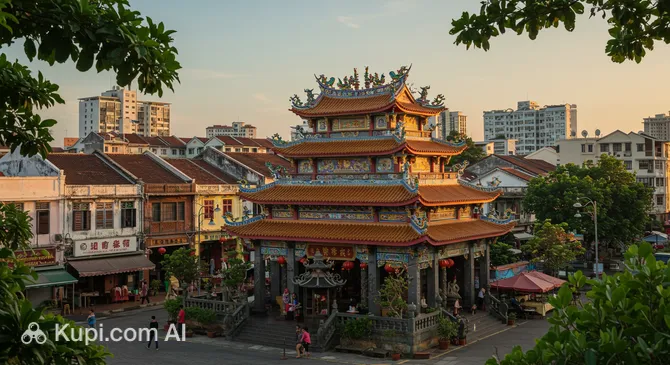
Sitiawan. Illustration.
Source: Kupi.com AI

This place is an important cultural and economic center. The fascinating history of Sitiawan is reflected in the blend of cultures and traditions that shape the city's unique character. Tourists come here not only for transit to Pangkor and Pangkor Laut islands but also for the famous local seafood. A walk through the streets will offer vibrant gastronomic experiences and encounters with hospitable residents.

Sitiawan is worth visiting for its combination of beautiful nature and sincere hospitality. Whether it's exploring mangroves, relaxing on secluded beaches, or dining with a view of the sunset over azure waters, this city will leave the warmest memories in your heart.
Weather Overview

The climate in this region is typical for the tropics: eternal summer reigns here with high humidity. Sitiawan greets guests with consistent warmth, where the average air temperature throughout the year fluctuates slightly, remaining in the range of 26°C to 28°C. During the day, the air usually warms up to 29°C, and the night coolness brings relief with temperatures around 25°C.

Expect consistently warm weather with a high probability of precipitation in any season. Even in the "driest" months, such as July, the number of rainy days is about 19, and in November and December, this figure reaches its maximum—up to 29 days with precipitation. The current weather in Sitiawan is often changeable, so a light raincoat or umbrella will be indispensable companions on your trip.

Average monthly temperature

Average monthly precipitation

Interesting Facts

Beyond the popular tourist routes, Sitiawan holds many fascinating secrets that reveal its true character. Here are some interesting details that will help you look at this city in a new way:
  • The city's history began as a simple fishing village, but thanks to its favorable location, it quickly grew into a significant trading center. Locals proudly claim that the freshest seafood and fish supplied to markets throughout Malaysia come from here.

  • The picturesque City Mangrove Park is located nearby—a true hidden oasis for nature lovers. Walking along special wooden walkways through the dense thickets, you can closely observe the habits of exotic birds and crabs.

  • Sitiawan is a vivid example of harmonious multicultural neighborhood. The traditions of Malays, Chinese, and Indians are intertwined here, which is reflected in the unique architecture and diverse cuisine that attracts foodies from all over the country.

  • According to local legend, the city's name comes from Malay words symbolizing "peace and security." This etymology perfectly matches the atmosphere of tranquility and inspiration that travelers come to this coast for.

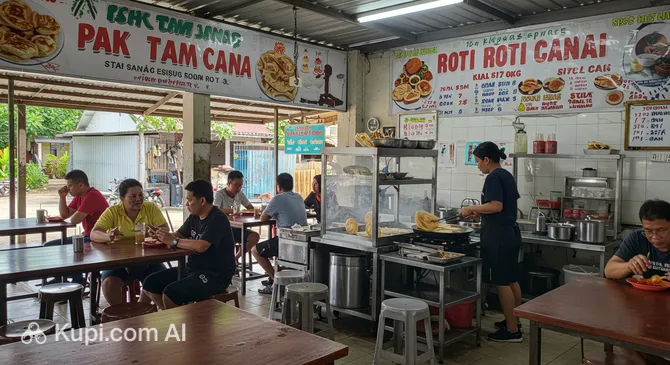
Pak Tam Roti Canai, Sitiawan Village. Illustration.
Source: Kupi.com AI

Traveler photos:

How to Get There

When planning a trip to this cozy corner of Perak state, it is worth thinking about the logistics in advance, as there are no direct flights to the city itself. You can find out more about how to get to Sitiawan by exploring various routes, but most often tourists fly into one of the country's major transport hubs and then continue their journey by land.

The nearest air gateway is Ipoh Airport (IATA: IPH). There is no airport in Sitiawan itself, but you can fly to Ipoh, which is about 58.5 km away. This is a small regional airport that accepts a limited number of flights, but it is the most convenient geographically. The journey from here by taxi or bus will take about 1 hour and 50 minutes.

For international travelers, the main point of arrival is usually Kuala Lumpur International Airport (IATA: KUL). It is the country's largest aviation hub with a huge passenger flow, located in Kuala Lumpur, about 198 km from Sitiawan. The journey from the capital to the coast will take time—expect to spend about 5 hours and 20 minutes on the transfer.

Another popular option is Penang International Airport (IATA: PEN), located in George Town. it is about 128 km from the destination. This is a large airport serving many destinations. A trip by ground transport from Penang to Sitiawan will take approximately 3.5 hours.

For clarity, here is a summary of the main airports:

AirportPassenger trafficDistance
Ipoh Airport517 16058 km
Penang International Airport7.7 mln128 km
Sultan Abdul Aziz Shah Airport1.4 mln153 km
Kuala Lumpur International Airport57.1 mln198 km
Kuala Namu International Airport10.5 mln212 km

Rail travel can also be part of your route, although there are no direct trains to the coast at this point. The nearest major hub is KL Sentral (XKL) station. There is no railway station in Sitiawan itself, but you can come to this station in Kuala Lumpur, which is about 162 km away. From here, you can reach your final destination by taxi or bus in about 4.5 hours. KL Sentral is a huge transport hub with a colossal passenger flow, connecting the capital with all corners of Malaysia.

Below is information about the nearest railway station:

StationPassenger trafficDistance
KL Sentral Station36.5 mln162 km

Main Attractions

The main attractions of Sitiawan are a wonderful mix of gastronomic discoveries, modern entertainment, and cultural sites. The town is famous for its unique cuisine and cozy atmosphere, which is conducive to leisurely strolls and exploring local traditions. Travelers certainly won't be bored here, as everyone will find something to their liking: from authentic breakfasts to shopping.

One of the city's most delicious "calling cards" is Roti Canai Pak Tam, Sitiawan Village. This legendary spot attracts foodies from all over the area with its fluffy roti flatbreads and fragrant curry. Breakfast here is a true ritual, allowing you to immerse yourself in the local food culture. Tourists come here to try dishes prepared according to old recipes and to experience the lively atmosphere of a traditional Malay eatery.

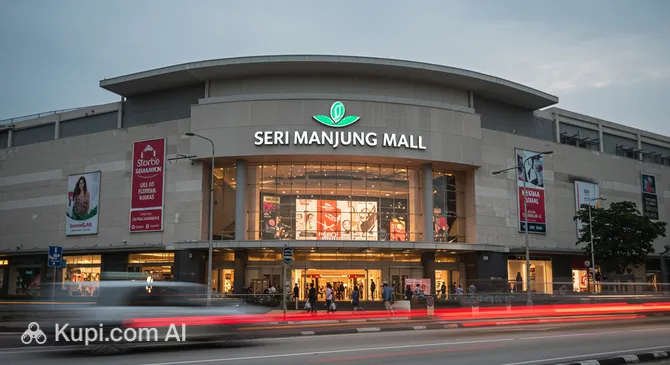
For those who want to take a break from the heat and enjoy modern comfort, Seri Manjung Mall is an excellent place. This is one of the largest malls in the region, where you can not only go shopping but also find entertainment for the whole family. It features a wide selection of brand-name stores, a cinema, and a food court with a variety of dishes. A visit to the shopping center is a good opportunity to get acquainted with the city's modern life and buy necessary items for your trip.

Seri Manjung Mall. Illustration.
Source: Kupi.com AI

Traveler photos:

Coffee culture lovers and fans of cozy interiors should drop by Noah Roastery. This establishment stands out for its approach to roasting beans and preparing drinks. Here you can relax in a calm setting, enjoying a cup of high-quality coffee and desserts. The cafe has become a popular meeting place for both locals and tourists seeking quality service and a pleasant atmosphere after a busy day.

In addition to these places, Sitiawan is known for its famous Tua Pek Kong Temple, located on the coast. Although it is a bit away from the center, its giant deity statues facing the sea and beautiful landscaped park make it one of the most photographed locations in the region. Along with the gastronomic spots and shopping areas, this temple forms a complete tourist route that reveals the city from different sides.

Local Cuisine

Sitiawan's gastronomic scene is inextricably linked to the sea, and seafood is the city's main calling card. In numerous restaurants and bustling markets, travelers can find the freshest shrimp, squid, mussels, and fish. Local chefs masterfully combine the culinary traditions of Malay, Chinese, and Indian cultures, creating unique flavor combinations that cannot be found in other regions.

Among the dishes definitely worth trying is "lam mee"—a hearty, thick seafood noodle dish served in a fragrant broth. Another local hit is fish satay, which consists of small skewers made of sea fish, usually eaten with a spicy peanut sauce. For lovers of exotic and bold sensations, chili-fried crabs or stewed mollusks prepared with spicy herbs are excellent choices.

The dining culture in the town ranges from simple street stalls to cozy modern establishments. For instance, if you want to take a break and have a cup of quality coffee, you can stop by Noah Roastery. However, the true spirit of the city lives in the farmers' markets and street food courts. This is where you should look for the popular local dessert "chendol," made with coconut milk and palm sugar, as well as various tropical fruits grown in the vicinity.

A special time for gourmets comes during food festivals. These events allow you not only to get acquainted with a wide range of street food but also to immerse yourself in the rhythm of the city to the sounds of live music. Attending such events or workshops on cooking traditional dishes is a great way to feel Sitiawan's true hospitality.

Travel Tips

A trip to Sitiawan is an immersion into the authentic atmosphere of "Little Fuzhou," and to ensure your journey goes smoothly, it's worth preparing for local characteristics in advance. These simple but important recommendations will help you feel confident and avoid typical tourist mistakes.

  1. Clothing and Climate. Since Malaysia is a land of eternal summer, prioritize lightweight clothing made of natural fabrics such as cotton or linen. Be sure to bring comfortable walking shoes and a light raincoat or folding umbrella, as tropical downpours can start suddenly. If you plan to visit temples, remember the dress code: shoulders and knees should be covered.
  2. Transport Nuances. Public transport within the city is poorly developed, so the most convenient way for tourists to get around is by taxi through the Grab app (similar to Uber). It is inexpensive, safe, and eliminates the language barrier. If you want to freely explore the surrounding beaches and mangrove forests, it makes sense to rent a car.
  3. Finance and Payment. The official currency is the Malaysian ringgit. Although large supermarkets and hotels accept cards (Visa, Mastercard), Sitiawan has a street food culture where only cash is accepted. Always carry small bills with you to pay for famous local delicacies. ATMs are easy to find in shopping centers and at banks.
  4. Health and Safety. Tap water is not drinkable—buy bottled water. Insects are active in the tropical climate, so be sure to use repellents, especially during evening walks near the water. Pharmacies (such as Watsons or Guardian) are widely represented in shopping areas, but there are few 24-hour outlets. The town is peaceful, but basic precautions with personal belongings won't hurt.
  5. Communication and Internet. There are usually no problems with the English language: locals are friendly and many speak it at a conversational level. For mobile internet, it is better to buy a local SIM card (operators Celcom, Maxis, Digi) at any cell phone shop or 7-Eleven. Wi-Fi is available in almost all cafes, but its speed can vary.
  6. Local Etiquette. Always remove your shoes when entering a private home or religious institution. It is customary to hand over money or items only with your right hand (the left is considered "unclean" in local culture). A greeting is usually limited to a smile or a light nod; handshakes between people of the opposite sex are possible, but it is better to wait for the local resident's initiative.
  7. What to Avoid. Do not point at people or objects with your index finger—this is considered a rude gesture. If you need to point at something, locals do it with the thumb of their right hand, with the other fingers tucked in. Also, try not to raise your voice in public places; restraint is valued here.
  8. Tip for Foodies. Sitiawan is famous for its unique Gong Pian pastries (crispy flatbreads with filling). This treat is so popular that at well-known bakeries, you often need to book them in advance by phone or arrive early in the morning to buy a fresh batch before everything is sold out.

Sitiawan is a town that reveals itself through communication with people and tasting local cuisine. By following these tips, you can easily blend into the measured rhythm of city life and take away only the most pleasant impressions of Malaysian hospitality.

Entertainment & Nightlife

Nightlife in Sitiawan is noticeably different from bustling metropolises like Kuala Lumpur. Here you won't find huge nightclubs with world-famous DJs or streets flooded with neon lights until dawn. Evening leisure in this town is primarily about a relaxed atmosphere, long dinners with friends, and colorful night markets. Life here quietens down closer to midnight, so entertainment seekers should start their evening earlier, right after sunset.

The center of attraction for those seeking modern entertainment and comfort is the Manjung district, which borders Sitiawan. Seri Manjung Mall is located here, serving as the main evening leisure spot for locals and tourists. Inside the complex, you can not only do some late-night shopping but also visit the cinema to watch the latest world releases or go bowling. It's the perfect place for a family evening or to escape the tropical humidity.

For those who prefer a more cozy and intimate setting, an evening at a coffee shop is a great option. For example, Noah Roastery is open until late evening and offers a stylish interior where it's pleasant to spend time chatting. It attracts modern youth and tourists who appreciate high-quality coffee and calm music. The dress code in such establishments is relaxed; a casual style will be quite appropriate.

The true heart of the city's nightlife beats at the Pasar Malam—traditional night markets. They operate on specific days of the week in different neighborhoods and open around 5:00 PM, bustling with life until 10:00 PM–11:00 PM. These are the best places to try inexpensive street food, buy souvenirs, and simply observe the local flavor. The atmosphere here is noisy, fun, and completely safe.

If you are interested in bars or places to have a drink, you should look into establishments at major hotels or small Chinese bistros scattered throughout the city. The crowd here is calm, and the prices are quite affordable. However, remember that Sitiawan is a city with conservative traditions, so it is best to behave with restraint.

Practical tips for evening walks:

  • The best time to go out is from 7:00 PM to 10:00 PM. After 11:00 PM, most establishments close.
  • For getting around at night, it is highly recommended to use the Grab app. Catching a taxi on the street can be problematic, and public transport no longer runs at this time.
  • The city is considered safe, but avoid unlit alleys and keep an eye on personal belongings in crowded markets.
  • The average check for dinner in a cafe will be about 20–40 ringgit per person; at a night market, you can eat heartily for 10–15 ringgit.

As for daytime entertainment, Sitiawan offers a more measured pace. During daylight hours, tourists usually head out to explore mangrove parks or visit the famous Tua Pek Kong Temple with its majestic statues by the sea. Trips to the nearby Teluk Batik Beach are also popular, where you can enjoy the sun before a busy evening.

Parks & Museums

Sitiawan offers travelers a harmonious combination of natural beauty and historical heritage, although it cannot boast of large-scale museum complexes of capital city level. Green zones here are closely linked to the unique coastal ecosystem, while cultural sites carefully preserve the memory of the first settlers who turned a small village into a thriving town.

Nature lovers should definitely visit the Mangrove Park (Taman Paya Bakau), located on the border of Sitiawan and Lumut. This is a true wildlife oasis where convenient wooden walkways are laid out, allowing you to walk right above the swampy soil during high and low tides. A walk here is a great chance to see troops of long-tailed macaques, monitor lizards, and colorful crabs in their natural environment. The park provides coolness even on the hottest days and serves as a wonderful place for a peaceful rest away from the city bustle.

Another significant green zone is the territory around the Tua Pek Kong Temple. Although it is a religious site, its extensive gardens with ponds, artificial rocks, and alleys leading to the mangroves by the sea function as a full-fledged landscape park. Tourists come here to stroll among the giant statues, enjoy the sea breeze, and take colorful photos against the backdrop of the sunset.

The main guardian of the city's history is the Sitiawan Settlement Museum. It is located in a historical building and is dedicated to the fate of Christian immigrants from Fuzhou who arrived here in the early 20th century. The museum's exposition is small but very heartfelt: it contains old photographs, household items, tools, and documents telling the story of how the first settlers developed these lands. This place is a must-visit for those who want to understand why Sitiawan is called "Little Fuzhou."

Since the town is located in close proximity to a naval base, the cultural program can be complemented by a visit to neighboring Lumut, where the Royal Malaysian Navy Museum is located. However, if you want to stay within Sitiawan, pay attention to the architecture of the old colonial churches, which are themselves open-air museums reflecting the spiritual heritage of the region.

Insider tip: When visiting the Mangrove Park, try to arrive early in the morning or closer to sunset. At this time, animals are most active, and the light is perfect for photography. And don't forget to bring mosquito repellent—humid tropical forests are full not only of beauty but also of insects.

Getting Around

The public transport system in Sitiawan is quite simple and does not have the complexity of capital city networks. Here you won't find a metro, trams, or commuter trains within the city limits. The town, like many small settlements in the region, is primarily oriented towards motorists, so for tourists, the choice of transportation is limited to buses, taxis, and car-sharing services.

The main form of public transport is buses, which connect the town center with neighboring districts like Lumut and Manjung, as well as with major cities in the state. The local bus station serves as the main transport hub, from which both long-distance and suburban routes depart. Buses are the most budget-friendly way to get around, but it's worth noting that they run with long intervals, and schedules are not always followed to the minute.

Fares on local buses are paid predominantly in cash. When entering, you should tell the driver your destination and pay the ticket price. It is strongly recommended to have small bills and coins with you, as the driver may not have change for large banknotes. Electronic pass systems or contactless payment by bank card are generally absent in the urban transport.

The most convenient and reliable alternative for travelers is using the Grab mobile app. This is the local equivalent of popular taxi services, which eliminates the language barrier and the need to negotiate. The cost of the trip is fixed in advance, and payment can be made via a linked card. Cars arrive quickly, and this is the most comfortable way to get to attractions or restaurants scattered around town.

Traditional taxis can also be found on the streets or at special ranks (for example, at shopping centers). Unlike Grab, regular taxi drivers often do not use the meter, preferring to agree on a fixed price. Tourists should clarify and agree on the cost of the trip before getting into the car to avoid misunderstandings at the end of the journey.

Car rental is another popular option, especially if you plan to explore surrounding beaches and nature parks. Rental points are available both in town and in neighboring tourist zones. Bicycles are rarely used as transport due to the hot climate and lack of special infrastructure, so for comfortable movement, it is better to choose transport with air conditioning.

Accommodation

Where to stay:

Accommodation options in Sitiawan reflect the modest and cozy character of the town itself. You won't find luxurious five-star resorts of global brands here, but the choice of housing is wide enough to satisfy the needs of most travelers. The basis of the room stock consists of budget hotels, homestays, and small middle-class hotels oriented towards family holidays and business trips.

Geographically, the areas for staying can be divided into several key districts. Lovers of authenticity and gastronomic tourism often choose the historical center of the town. Staying here, you will be within walking distance of famous bakeries and traditional coffee shops. This is an ideal option for those who want to immerse themselves in the atmosphere of "Little Fuzhou" from the very morning.

For those who prefer more modern infrastructure and comfort, the Seri Manjung area is a great fit. This is the administrative and commercial center located right next to Sitiawan. Newer hotels offering modern amenities are concentrated here. A landmark for finding housing in this part is Seri Manjung Mall: there are many hotels in its vicinity convenient for shopping and evening entertainment.

Homestays located in residential neighborhoods are also popular. This is an excellent choice for large groups or families traveling by car. These houses often offer several bedrooms, a kitchen, and private parking, allowing you to feel like a local. If your goal is a beach holiday, it makes sense to consider options closer to the coast or in neighboring Lumut, which is only 15–20 minutes away.

Booking tips:

The price range in Sitiawan is very affordable: a night in a decent hotel will be inexpensive compared to major tourist centers. Most accommodation properties are available on popular online platforms, but small family guesthouses sometimes require direct booking via messengers. It is recommended to book accommodation in advance if your trip falls on weekends, school holidays, or major festivals like Chinese New Year, when the town fills up with locals returning home.

Nearby Cities

For those who want to explore the surrounding area, Sitiawan serves as an excellent starting point for day trips to several interesting nearby places:

Just an hour's drive away is Ipoh—the administrative center of Perak state. This city is famous for its well-preserved colonial architecture, picturesque cave temples, and renowned cuisine, for which foodies come from all over the country. Another attractive destination is George Town, located on Penang Island. This UNESCO World Heritage site offers a unique combination of historic buildings, modern street art, and rich cultural traditions.

CityPopulationDistance
Pangkor25 00016 km
Teluk Intan101 65942 km
Batu Gajah133 42247 km
Ipoh866 77260 km
Taiping237 09570 km

These nearby destinations provide an insight into the diverse culture and landscapes of the region.

Shopping & Souvenirs

General Overview

Shopping in Sitiawan is more of an immersion into local life and gastronomy than a pursuit of global brands. The town does not claim to be a fashion capital, but this is exactly where you can find unique goods not found in other regions of Malaysia. Travelers can expect authentic family shops, modern supermarkets, and colorful retail outlets where the emphasis is on freshness of products and loyalty to tradition.

Main Shopping Districts and Streets

The commercial life of the town is concentrated along the main transport arteries and in the historical center. The streets of the old town are filled with traditional Chinese shops selling everything from medicinal herbs to kitchen utensils. More modern commercial activity has shifted towards the Manjung district, which has effectively merged with Sitiawan. Here, along wide avenues, are rows of new shops (shop-lots) offering electronics, clothing, and services.

Shopping Centers

The center of attraction for lovers of comfortable shopping is Seri Manjung Mall. This is the largest mall in the vicinity, providing a full range of services: from a grocery hypermarket to boutiques of popular Malaysian and international brands. Here you can hide from the daytime heat, update your wardrobe, or buy necessary travel items in air-conditioned coolness.

Markets

The true spirit of the city lives in its markets. The morning market (Pasar Awam) is where locals come for the freshest seafood, vegetables, and fruits. For tourists, night markets (Pasar Malam) are also of interest, opening closer to sunset in different parts of the city according to a schedule. At such bazaars, you can purchase inexpensive clothing, accessories, phone cases, and, of course, try many types of street snacks.

Souvenirs

The main souvenir brought from Sitiawan is the famous "Kampung Koh" chili sauce. It is produced in this region and is famous for its special taste; an original bottle can be found in any local store. The second mandatory item is the traditional "Gong Pian" flatbreads—tandoor-baked buns with onions or sweet filling. It is also worth paying attention to dried seafood (anchovies, squid) and local bean-based sweets.

Hours of Operation and Payment

Large shopping centers and supermarkets are open daily from 10:00 AM to 10:00 PM. Small private shops and stalls usually open early, around 8:00–9:00 AM, and close by 6:00 PM. Modern malls easily accept Visa and Mastercard credit cards, but in markets, souvenir shops, and small cafes, only cash is used. It is recommended to always carry a supply of small bills.

Tax Free

Sitiawan is not a duty-free zone, and tax refunds (Tax Free) for tourists are not common in regular shops. However, if you are interested in duty-free goods, you can head to the nearby Pangkor Island, which has a special tax-free status and is only a few minutes' ferry ride from the neighboring town of Lumut.

Reached the end of the page?

That means the route is fully explored