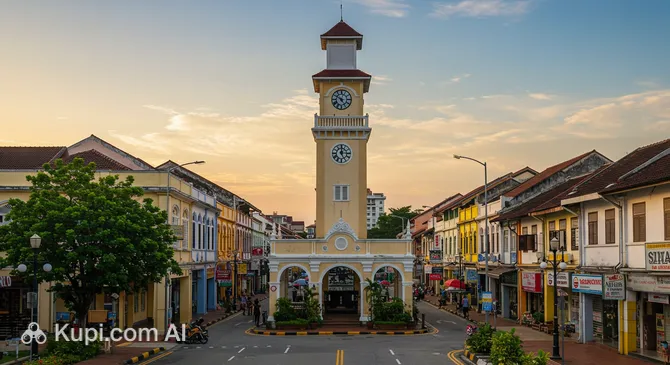
Sungai Petani is a dynamic and vibrant city located in the northern part of Malaysia, in the state of Kedah. As the largest settlement in its state, it represents a harmonious blend of industrial development and the everyday Malaysian way of life. With a population of over 358,000, the city serves as an important economic hub while maintaining the atmosphere of a cozy provincial town where life flows at a measured and calm pace.
Sungai Petani. Illustration.
Source: Kupi.com AI
Geographically, the city is well-situated in the Kuala Muda district, just 33 km from the famous George Town and 55 km from the state capital, Alor Setar. Thanks to this location, the history and heritage of Sungai Petani are closely linked to the development of the region's trade routes. Although the city has been actively industrializing since the 1990s, it remains an attractive transit point for those who want to see the real, non-touristy Malaysia.
Key highlights of Sungai Petani include its proximity to ancient archaeological sites and unique natural areas, such as mangrove forests. This destination is ideal for travelers looking to get off the beaten path and feel the rhythm of a modern Malaysian city. We invite you to experience the hospitality of the locals and discover the charm of this industrial heart of Kedah.
Weather Overview
The climate in Sungai Petani is typical for the tropical regions of Malaysia: summer with high humidity reigns here all year round. The air temperature stays consistently in the range of 24°C to 32°C. The hottest months are traditionally February and March, when the thermometer often rises above 31°C, and the number of dry days is at its maximum.
Precipitation in the city is abundant, especially during monsoon periods. The peak of the rainy season occurs in October and November, when monthly rainfall can reach 400 mm. During this time, rains often take the form of powerful but short-lived downpours that bring a pleasant coolness. A more detailed forecast and current weather in Sungai Petani will help you better plan your wardrobe and activities.
Despite the high humidity, coastal breezes and the proximity of mangrove forests make staying in the city quite comfortable. If you plan on walking a lot, the best time is morning or evening when the heat subsides. Overall, Sungai Petani is ready to welcome guests at any time of year; just be sure to have light clothing and an umbrella for sudden tropical rain.
Average monthly temperature
Average monthly precipitation
Interesting Facts
The name Sungai Petani literally translates from Malay as "Farmer's River", reflecting the region's agricultural roots before its large-scale industrialization.
The famous Clock Tower was donated to the city by local philanthropist Lim Lean Teng; its height is exactly 40 feet (about 12.1 meters).
The Kuala Muda district, where the city is located, is home to the second-largest mangrove forests in Malaysia, which play a key role in the peninsula's ecosystem.
Just a few kilometers from the city lies the Lembah Bujang Archaeological Valley, where ruins of a civilization that existed here more than 1,500 years ago are preserved.
Sungai Petani is the only city in the state of Kedah with a population exceeding that of the state's official capital, Alor Setar.
How to Get There
Sungai Petani is an important transport hub in the north of the country, making it easily accessible for both domestic and foreign tourists. The main transport artery is the North-South Expressway (E1), which connects the city to Kuala Lumpur and the Thai border. The journey from George Town by car takes about 40–50 minutes, although potential congestion on the Penang Bridge during peak hours should be considered. Detailed route information can be found in the section on how to get to Sungai Petani.
The city does not have its own airport, so most travelers arrive via Penang International Airport (PEN). From the airport to Sungai Petani, you can take a taxi or book a transfer through mobile apps; the travel time is approximately one hour. You can also use the Sultan Abdul Halim Airport in Alor Setar, which serves domestic flights.
Rail travel is one of the most convenient ways to visit. The city's Sungai Petani Railway Station serves the high-speed ETS trains on the Padang Besar — Kuala Lumpur route. The trip from the Malaysian capital takes about 4–5 hours in a comfortable, air-conditioned carriage. Regular KTM Komuter suburban trains also run, linking the city with neighboring Butterworth and Alor Setar.
Station
Passenger traffic
Distance
Butterworth railway station
9
31 km
Butterworth railway station
9
31 km
Alor Setar railway station
6
54 km
Arau railway station
6
91 km
Padang Besar railway station
8
114 km
Main Attractions
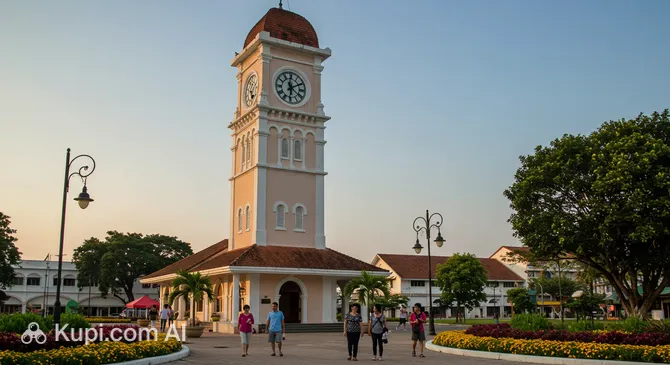
Despite its status as an industrial center, Sungai Petani offers guests several iconic landmarks that help provide a better understanding of the city's culture and rhythm. One of the main symbols is the Sungai Petani Clock Tower, located on Jalan Ibrahim. Built in 1936 to commemorate the Silver Jubilee of King George V, this 12-meter tower with its golden dome remains a popular meeting spot and place for strolls.
Sungai Petani Clock Tower. Illustration.
Source: Kupi.com AI
Traveler photos:
The spiritual and architectural side of the city is represented by the majestic Sultan Muzaffar Shah Mosque. This building draws attention with its elegant design and peaceful atmosphere, serving as an important religious center for local residents. A visit to the mosque allows tourists to experience the Islamic traditions of Kedah and enjoy the harmony of this site.
Sultan Muzaffar Shah Mosque. Illustration.
Source: Kupi.com AI
Traveler photos:
For those seeking outdoor relaxation, the Pantai Merdeka beach is located on the outskirts of the city. It is the only sandy stretch of coast in mainland Kedah and is very popular on weekends. Here, you can not only enjoy the sea breeze but also take a boat trip to nearby islands or explore the extensive mangrove forests of the Kuala Muda district, which are considered some of the most significant in the country.
Local Cuisine
The gastronomic scene in Sungai Petani is a true celebration of flavors, combining Malay, Chinese, and Indian culinary traditions. Seafood dishes are the region's hallmark. Thanks to the proximity to mangrove forests and the coast, it is a must to try the fresh crabs and fish prepared with aromatic spices. The overall character of the local cuisine can be described as spicy, rich, and surprisingly diverse.
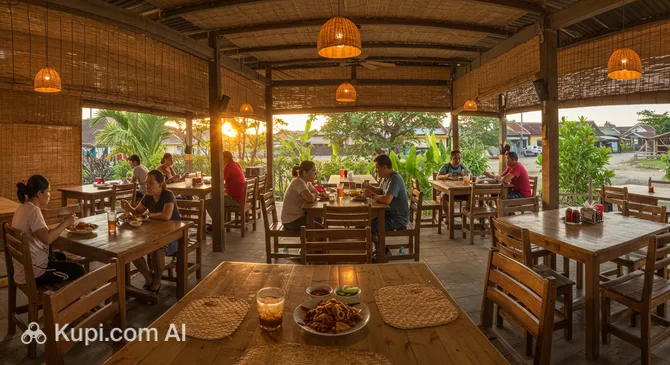
To experience the atmosphere of a traditional Malaysian breakfast, stop by Kawan's Kopitiam (Sungai Petani South). They serve classic coffee, toast with kaya jam, and the legendary nasi lemak — rice cooked in coconut milk. If you are looking for a more home-style and authentic setting, the Kampung Style eatery offers traditional dishes from rural Malaysia, where recipes are passed down through generations.
Kampung Village Eatery. Illustration.
Source: Kupi.com AI
Traveler photos:
Don't forget to try the local drinks: the famous "pulled" tea teh tarik with its thick froth or refreshing tropical fruit juices. Street food is an integral part of city life; the evening markets on Jalan Ibrahim entice with the aromas of satay (grilled miniature skewers) and fried noodles. A gastronomic journey through Sungai Petani is an affordable and incredibly delicious way to get to know the soul of this region.
Travel Tips
Planning a visit to Sungai Petani? We have prepared a few practical tips to help make your journey through northern Malaysia as comfortable and enjoyable as possible.
Clothing and Essentials: Choose light clothing made from natural fabrics, as the climate here is hot and humid year-round. When visiting mosques, such as the Sultan Muzaffar Shah Mosque, be sure to follow the dress code: shoulders and knees must be covered. Don't forget an umbrella — tropical downpours can start suddenly.
Transport: To move around the city, it is best to use the Grab app. This is much more convenient and transparent in terms of price than regular taxis. For trips to other cities, choose KTM trains — they are fast and punctual.
Finances: The local currency is the Malaysian Ringgit (MYR). While cards are accepted in major malls like Central Square, you will need cash at markets and small cafes. ATMs are easy to find in the city center.
Health and Safety: The city is generally safe, but keep an eye on your bags in crowded market areas. Drink only bottled water and always use sunscreen.
Communication: The primary language is Malay, but staff in shopping areas and hotels speak English reasonably well. Learn a couple of phrases: "Terima kasih" (thank you) always brings a smile to locals' faces.
Local Etiquette: Malaysians are very polite. Greet people with a slight nod of the head. Remember that it is better to pass items or money with your right hand.
What to Avoid: Do not point at people or objects with your index finger — it is considered impolite (use your right thumb for this instead). Also, avoid discussing political topics and show respect for religious traditions.
Extra Tip: Try to plan your main walks for the morning or evening to avoid the peak afternoon heat, and spend the middle of the day in air-conditioned shopping centers.
Sungai Petani is a city with true Malaysian character. By following these simple rules, you can fully immerse yourself in the local culture and gain only positive emotions from your trip!
Entertainment & Nightlife
Entertainment in Sungai Petani is primarily geared towards family vacations and quiet evening leisure. The main center of attraction for residents is Riverfront City — a modern zone where you can walk along the river, visit cafes, or go to the cinema. This place is especially transformed in the evening when the lights come on and the atmosphere becomes truly cozy.
Riverfront City. Illustration.
Source: Kupi.com AI
Traveler photos:
For fans of active shopping and daytime leisure, Central Square is worth a visit. This shopping complex offers not only well-known brand stores but also entertainment zones, including karaoke and playgrounds. There are no loud nightclubs in the city; however, numerous food courts and open-air cafes allow for socializing and enjoying local delicacies until late in the evening.
For a more intense nightlife and festivals, tourists often head to neighboring George Town, which is about a 40-minute taxi ride away. In Sungai Petani itself, it is best to spend the evening walking near the Clock Tower or having dinner at one of the night markets, where you can feel the true local flavor without unnecessary hustle and bustle.
Parks & Museums
Although Sungai Petani is known as an industrial hub, history and nature lovers will find unique places to visit here. The main cultural pride of the region is the Lembah Bujang Archaeological Museum, located a short distance from the city. This is one of the most important historical sites in Southeast Asia, featuring the ruins of candi temples and thousands of artifacts that prove the existence of a thriving Hindu-Buddhist civilization here as early as the 4th century.
For outdoor recreation, residents often choose Riverfront City. This well-maintained waterfront area combines elements of a park and an entertainment center, making it ideal for leisurely evening walks. Additionally, in the city center, you'll find the square by the Clock Tower, which is an important historical landmark and a point of interest for tourists.
The region's natural treasures are best revealed in the Pantai Merdeka coastal area and the Kuala Muda mangroves. Ecotourism programs are developing here, offering boat tours for bird watching and studying the unique mangrove flora. These places allow you to swap city noise for the tranquility of untouched nature, serving as a reminder of how closely life in Kedah is connected to the rivers and the sea.
Getting Around
Public transport in Sungai Petani is primarily represented by a developed network of bus routes and rail connections. Regional buses link the city with major centers such as George Town and Alor Setar. Within the city itself, local buses operate, though their schedules may not be the most flexible, so they are more frequently used by residents for daily commutes.
For tourists, the most convenient way to get around is using mobile ride-hailing apps like Grab. This is a reliable and inexpensive option that allows you to quickly reach any part of the city without needing to figure out bus routes. Taxis are especially helpful in the evening and during peak hours when traffic on the central Jalan Ibrahim becomes particularly heavy.
The city's railway station serves KTM trains, which are an excellent alternative to buses for trips to neighboring states. It is best to purchase tickets for high-speed ETS trains in advance online or at the station's ticket counters. The payment system on buses usually involves cash, so tourists are advised to always carry small change. Bicycle rental is not yet developed in the city, as the hot climate and heavy traffic make walking and cycling along main thoroughfares less than comfortable.
Accommodation
Accommodation options in Sungai Petani are primarily geared toward business travelers and those making a stopover during a long journey. The city is dominated by mid-range hotels and budget guesthouses offering a decent level of comfort at very attractive prices. Most hotels are located in the center or in newer districts like Amanjaya.
The area around Central Square and Jalan Ibrahim is considered the most convenient for tourists. The city's main infrastructure, many cafes, and shops are concentrated here. It is also worth considering accommodation near Riverfront City, where the selection of apartments and modern hotels ensures a comfortable stay surrounded by entertainment facilities.
Since Sungai Petani is not a mass tourist center, there are usually no issues with room availability. However, during national holidays and school vacations, it is recommended to book accommodation in advance. Most properties support online booking through popular international platforms. Room prices here are significantly lower than in neighboring Penang, making the city an excellent base for a budget-friendly exploration of northern Malaysia.
Nearby Cities
Thanks to its prime location at the intersection of major transport routes, Sungai Petani serves as an excellent starting point for exploring the northern regions of Malaysia. In just half an hour, you can reach major cultural and economic centers, making the city a convenient base for day trips.
The most popular destination is George Town on Penang Island. This UNESCO World Heritage site is famous for its colonial architecture, street art, and incredible street food. It is also worth visiting Butterworth, which offers great views of the strait and where you can catch the famous ferry to the island. For those interested in the history of Kedah, a trip to Alor Setar is an excellent choice, where you can see royal palaces and the majestic Zahir Mosque.
Exploring the surroundings will allow you to see the contrast between the industrial rhythm of Sungai Petani and the historical grandeur of Malaysia's old cities. Regardless of the chosen direction, such trips will enrich your journey with new impressions and vivid discoveries.
Shopping & Souvenirs
Shopping in Sungai Petani is a pleasant combination of modern shopping complexes and colorful local markets. The city is not a destination for high fashion, but it is perfect for everyday shopping, buying electronics, and high-quality Malaysian textiles. Prices here are often lower than in large tourist metropolises, making the shopping process particularly advantageous.
The center of modern commerce is considered to be Central Square, where clothing, accessories, and home goods stores are gathered under one roof. Another popular spot is Riverfront City, which combines shopping with pedestrian zones. Furthermore, the city's largest shopping facility is Amanjaya Mall, offering a wide selection of international and local brands, as well as an excellent food court and cinema.
Central Square. Illustration.
Source: Kupi.com AI
Traveler photos:
For those looking for authentic goods and souvenirs, the night markets (pasar malam) on Jalan Ibrahim are a must-visit. Here you can buy handicrafts, local spices, and products from the mangrove forests. Most shops operate from 10:00 to 22:00, and it is customary to pay in cash at the markets. International bank cards are accepted in large shopping malls, and foreign tourists in Malaysia have the option to apply for tax refunds at certified outlets.