Support

Binjai

About

Binjai is a dynamically developing city in the province of North Sumatra, part of the vibrant Indonesia. Located just a couple of dozen kilometers from the bustling Medan, it combines the features of a cozy residential area and an important transit hub. With a population of about 269,000 people, the city lives at the rhythm of a typical Sumatran suburb, where modern buildings coexist with a traditional way of life.

Geographically, the city is situated on flat terrain, which favors its dense development and active market trade. The atmosphere in Binjai is calm and functional: you won't find crowds of tourists here, but instead, you can immerse yourself in the authentic daily life of Indonesians. This place is ideal for those who want to see Indonesia without the filters, stroll through noisy local markets, and feel the pulse of real Sumatra.
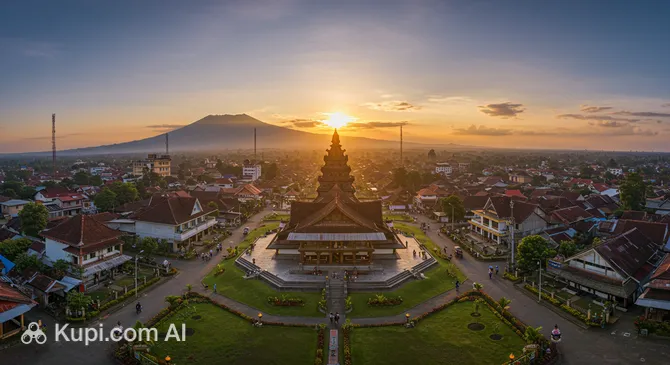
Binjai. Illustration.
Source: Kupi.com AI

Despite the fact that the city primarily serves as a "bedroom community" for the neighboring metropolis, its own historical heritage and unique character make it interesting for a short visit. While exploring Binjai, be sure to check out its famous night markets, where life is in full swing and the best local delicacies are offered.

We invite you to discover Binjai — a city that serves as a bridge between the quiet province and the bustling metropolis, offering travelers sincere hospitality and an authentic experience.

Weather Overview

The climate in Binjai is typical for the tropics of North Sumatra: it is warm year-round, complemented by high humidity. Average daytime temperatures range between 29–32°C, while nights bring only a slight coolness with readings around 22–23°C. Such stability makes the city accessible for visiting at any time, though precipitation seasonality should be considered.

Particular attention should be paid to the monsoon period, which lasts from October to March. During these months, rainfall increases significantly, peaking in November and December. Tropical downpours can be very intense, which sometimes leads to flooding in low-lying areas of the city. The drier period is considered to be from June to August, although short rains are possible even on the sunniest day.

The detailed city's climate is characterized by an absence of sharp pressure drops, but due to dense construction and a lack of green spaces in the center, it can feel stuffy. When planning walks, it is better to choose morning or evening hours when solar activity is not as high, and always carry a supply of drinking water.

Average monthly temperature

Average monthly precipitation

Interesting Facts

  • Third in the province: Binjai holds a respectable third place in terms of population in the North Sumatra province, trailing only Medan and Pematangsiantar.

  • Rapid growth: Over the last two decades, the city's population has practically doubled, transforming it from a small settlement into a major urbanized center.

  • Seismic activity: The city is located in a zone of regular tectonic activity; up to 1–2 small earthquakes are recorded monthly in the vicinity of Binjai.

  • Transit status: Thanks to its location, the city serves as a key link for travelers heading from Medan deep into the island of Sumatra.

How to Get There

Binjai is an important transport hub in North Sumatra, making it easily accessible for travelers exploring the region. Despite the lack of its own airport, the city is closely integrated into the transport network of the Greater Medan metropolitan area, which significantly simplifies trip planning.

The main air gateway for arrivals is Kualanamu International Airport (IATA: KNO). It is located approximately 50–60 kilometers from the city. You can get from the airport to Binjai by taxi or bus; however, keep in mind that due to heavy traffic, the journey can take from one and a half to two hours. Kualanamu Airport is considered one of the most modern in Indonesia and offers convenient connections to many cities in Southeast Asia.

AirportPassenger trafficDistance
Kuala Namu International Airport10.5 mln41 km
Sisingamangaraja XII Airport448 157159 km
Rembele Airport28 000221 km
Ferdinand Lumban Tobing Airport164 502232 km
Malikus Saleh Airport10 270248 km

Railway communication in the region is quite well-developed, but the main station is in neighboring Medan. Tourists often use the train to get to the center of Medan and then transfer to buses or local minibuses — angkots — which run between the cities every few minutes.

Within the region, traveling by taxi via mobile apps or on intercity buses departing from Sumatra's central bus stations is also popular. If you are traveling from Medan, the journey takes about an hour, but during peak hours, traffic jams can significantly increase this time.

Main Attractions

Although Binjai is not considered a major world tourist center, it possesses a special charm for those who appreciate local flavor and authenticity. The main life of the city is concentrated around its markets and public spaces, which allow a glimpse into the heart of everyday life in Sumatra.

One of the most popular places among locals and rare visitors is Pasar Kaget Binjai. It is a kind of flea market and a gastronomic hotspot all in one. Here you can find almost anything: from inexpensive clothing to exotic street snacks, and the atmosphere of the evening bustle conveys the true spirit of an Indonesian city.

For connoisseurs of aesthetics, Sawah Lukis may be of interest — picturesque rice fields that have been transformed into art objects. It is a wonderful place for walks and taking colorful photos, where traditional agriculture meets modern space design art.

Another point of attraction is Roemah Jahit Mayang — an art gallery and creative space that has received high marks from visitors. This place stands out against the typical urban development with its cozy atmosphere and attention to detail, offering guests a chance to get acquainted with local applied arts.

Local Cuisine

The culinary face of Binjai is a vibrant mosaic of Batak and Malay traditions, characteristic of all North Sumatra. The foundation of local cuisine consists of rice, noodles, and an abundance of aromatic spices. The gastronomic scene here is simple but incredibly delicious, with food prepared using the freshest local ingredients.

Among the dishes that are a must-try are nasi goreng (fragrant fried rice with meat and vegetables) and mie goreng (fried noodles). Equally popular are miniature sate skewers served with a thick peanut sauce. Street food lovers will find true pleasure walking through the Pasar Kaget evening market, where the selection of street snacks seems endless.

Coffee culture holds a special place in the life of the city. Sumatran coffee varieties are world-renowned for their rich flavor with earthy notes, and in local warungs (small eateries), you can enjoy a cup of this invigorating drink in the company of locals. It is also worth trying traditional herbal teas, which are excellent for quenching thirst in the tropical climate.

Most establishments in the city are small family cafes where a relaxed atmosphere prevails. The lack of pretentious restaurants is more than compensated for by sincere hospitality and the opportunity to try authentic "home-style" Indonesian food at very democratic prices.

Travel Tips

When planning a trip to Binjai, you should prepare to immerse yourself in the real, non-touristy Indonesia. These tips will help make your journey as comfortable and safe as possible.

  1. Clothing and Essentials: Choose light clothing made from natural fabrics, as high humidity prevails in the city year-round. Don't forget to bring a sturdy umbrella or a raincoat — tropical downpours start suddenly here. When visiting mosques or administrative buildings, follow the dress code: shoulders and knees should be covered.
  2. Transport: The most convenient way to move around is via the Grab or GoJek apps. This will save you from the need to haggle and guarantees safety. If you decide to take an angkot, prepare small change in advance.
  3. Finance: The main currency is the Indonesian Rupiah (IDR). In Binjai, you should always have a supply of cash on hand, as cards are rarely accepted. ATMs are available in the city center, but it's better to withdraw money from trusted bank locations.
  4. Health and Safety: Drink only bottled water and avoid ice in street cafes. Be sure to use insect repellent. The city is generally safe, but in crowded market areas, keep a close eye on your belongings.
  5. Communication: The main language is Indonesian. English is not widely spoken, so it's useful to learn a few basic phrases: "Terima kasih" (thank you) and "Berapa?" (how much?). It's best to buy a SIM card (for example, Telkomsel) in advance at the airport or in specialized shops in the center.
  6. Local Etiquette: Greet people with a slight nod of the head. In Indonesia, it is not customary to pass things or food with the left hand, as it is considered unclean. Always smile — it's the best way to build rapport.
  7. What to Avoid: Do not point at people or objects with your index finger (use your thumb instead) and avoid public displays of affection, as local society is quite conservative.
  8. Seismic Awareness: Given the seismic activity of the region, it is useful to know the basics of earthquake behavior and to follow alerts in the local news.

Binjai is a city of genuine smiles and authentic Sumatran life. Have a pleasant journey and bright discoveries!

Entertainment & Nightlife

Nightlife in Binjai is rather local and quiet in nature. You won't find huge nightclubs or noisy discos typical of resort areas here. The main centers of evening leisure are local cafes and markets, where life begins to buzz after sunset when the daytime heat subsides.

For more active entertainment, such as visiting modern cinemas, large bars, or concert venues, residents and guests of the city usually head to neighboring Medan. The trip by taxi or motorbike takes between 30 and 60 minutes, making the metropolis the main hub for a full night out.

Within Binjai itself, cozy karaoke cafes are popular, which stay open late and serve as meeting points for young people. If you are looking for a quiet place to spend the evening, you should pay attention to hotel restaurants, such as Waroeng Transit, where you can find a bar with a good selection of drinks and a relaxed atmosphere.

Daytime entertainment in the city includes walking through local shopping arcades and visiting modest gaming zones in shopping pavilions. For evening strolls, it is better to choose central illuminated streets, and for ordering transport at night, it is recommended to use trusted apps like Grab or GoJek, which ensure safety and a fixed fare.

Parks & Museums

Binjai is a typical example of a densely built-up Indonesian city where classic parks in the European sense are rare. Greenery here is often limited to small squares near markets or government buildings, which locals use for a short rest in the shade of trees.

Despite the lack of large park zones in the center, the surrounding agricultural lands serve as the city's "green lungs." For example, the Sawah Lukis site offers tourists walks through picturesque rice fields, where you can enjoy natural silence and see traditional farming methods that have remained unchanged for decades.

There are currently no specialized museums in Binjai itself. The main focus here is on living heritage: the architecture of local mosques and old market pavilions. For a serious museum program and an introduction to Sumatra's archaeological finds, travelers usually head to the museums in neighboring Medan, which is easily accessible by taxi.

For those seeking tranquility amidst nature, a walk along the outskirts of the city is a good option, where the urban landscape gradually gives way to tropical gardens and plantations, offering much-needed coolness and peace away from the noisy roads.

Getting Around

The transport system of Binjai is represented mainly by traditional Indonesian modes of transport. The most common and cheapest way to get around is by angkots — brightly colored minibuses that run on specific routes. It is worth noting that they are often crowded, and there is no fixed schedule, so they depart as they fill up.

For maximum comfort, tourists are recommended to use the Grab or GoJek apps. With their help, you can call both a car and a motorcycle taxi (ojek), which is particularly relevant in heavy urban traffic. A trip on a motorbike can significantly save time, as two-wheeled vehicles easily weave through traffic jams.

There are no metro or tram lines in the city, and the main railway activity is focused on the connection with Medan. Rush hours in Binjai occur in the morning (from 7 to 9) and evening (from 17 to 19), when the roads fill with residents returning from the metropolis. At these times, speeds can drop to 10–20 km/h, so plan your movements in advance.

Payment in public transport is made in cash to the driver, while in taxi apps, you can link an international card or pay in cash at the end of the trip. Bicycle or scooter rentals are not developed here, as the climate and chaotic traffic do not favor such activities.

Accommodation

The hospitality sector in Binjai is primarily oriented toward transit travelers and those visiting the city for business or long-term stays. You won't find luxury five-star hotels here, but the choice of budget and mid-range accommodation is quite sufficient for a comfortable stopover for a few days.

Guesthouses and homestays are popular, offering home comforts and affordable prices. One well-known option is Waroeng Transit and Depary Homestay, located in the center. These establishments often include small cafes or bars, becoming social hubs for guests.

Most available accommodation options (of which there are more than ten in the city) are concentrated along the main transport routes, which is convenient for those planning an early departure towards Medan or the airport. Apartments are often rented long-term by expats and locals working in the metropolitan area.

When planning your visit, it is recommended to book accommodation in advance through popular online services, especially if your trip coincides with Indonesian public holidays, when local mobility increases sharply. Accommodation prices in Binjai remain some of the most affordable in the region.

Nearby Cities

Thanks to its convenient location in the Greater Medan metropolitan area, Binjai serves as an excellent starting point for exploring the most interesting corners of North Sumatra. The city's surroundings offer both bustling metropolises and quiet corners with a traditional way of life.

The most obvious destination for a trip is Medan, located just 19 kilometers away. It is a massive cultural and economic center where you can visit the majestic Masjid Raya Mosque, the Maimun Palace, and enjoy endless shopping in modern malls. The trip there takes less than an hour, making it an ideal option for a day trip.

For those who want to get to know the region's smaller towns, Tebing Tinggi and Pematangsiantar may be of interest. These cities are famous for their markets and are important hubs on the way to the famous Lake Toba — the largest volcanic lake in the world. You can also stop by the cozy Pangururan to enjoy views of Sumatra's mountain ranges.

CityPopulationDistance
Medan3 632 00019 km
Merdei43 km
Tebing Tinggi169 78680 km
Pematangsiantar278 05595 km
Pangururan34 209112 km

Exploring the outskirts of Binjai will allow you to see Indonesia in all its diversity — from the colonial architecture of Medan to the endless plantations and picturesque hills surrounding the city.

Shopping & Souvenirs

Shopping in Binjai is, above all, an exciting adventure through local markets where you can find everything from the freshest tropical fruits to products of local artisans. There are no huge, gleaming malls with world brands here, but there is an abundance of the lively atmosphere of traditional oriental trade.

The main place for shopping is considered to be Pasar Kaget Binjai. This evening market attracts both locals and occasional tourists with its low prices and huge selection. It's worth looking here for high-quality Indonesian fabrics or everyday clothing, as well as trying unique local sweets and snacks.

As souvenirs from the city, people often bring back the famous Sumatran spices — cloves, cinnamon, and pepper — which cost very little here. Local coffee beans grown on the plantations of North Sumatra are also popular. To purchase higher-status goods or visit brand boutiques, it is better to go to the shopping centers in Medan.

Shops in Binjai usually open early in the morning and work until late evening, and the markets are most active in the evening hours. Practically everywhere, only cash in Indonesian Rupiah (IDR) is accepted, so it's worth taking care of small bills in advance, as cards are only accepted in very large supermarkets or chain pharmacies.

Reached the end of the page?

That means the route is fully explored