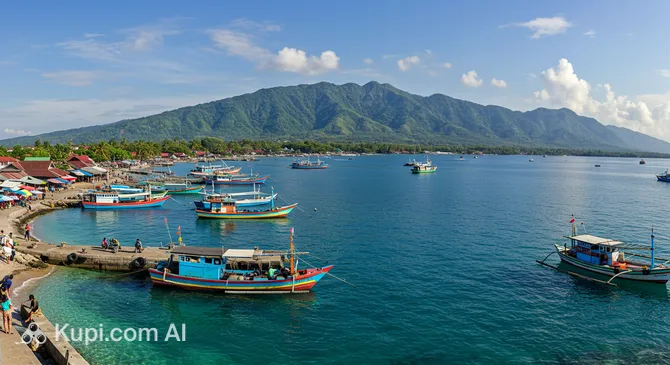
Located on the northeastern tip of Sulawesi Island, Bitung is a unique blend of industrial power and the natural treasures of Indonesia. As the region's main deep-water port, the city pulses to the rhythm of maritime trade, shipbuilding, and fishing. It is a dynamic hub where daily life is closely tied to the ocean, and the air is filled with the scent of exotic spices.
Bitung. Illustration.
Source: Kupi.com AI
Bitung's geographical location makes it a gateway to a world of stunning nature. Although the city has a population of about 232,440 and is the second-largest in North Sulawesi province, it retains the atmosphere of a busy port hub. The city's history is inextricably linked to the development of sea routes and logistics in the eastern part of the archipelago.
For tourists, Bitung is primarily interesting as a base for exploring the surrounding areas. Its proximity to the Lembeh Strait, a world center for "muck diving," and nearby unique nature reserves make it an important point on a traveler's map. A visit to the local markets, where the freshest seafood and spices are sold, will allow you to feel the true flavor of this authentic Indonesian city.
Weather Overview
Bitung is under the influence of a classic tropical climate typical of North Sulawesi. Warm and humid weather prevails year-round, with daytime temperatures ranging between 25–32°C. The average annual temperature is around 26°C, making the city comfortable for those who love eternal summer.
Precipitation in the region is abundant, especially during the monsoon period from November to March. During this time, rains can be intense, but they are most often short-lived. August and September are traditionally considered the driest months, when the number of sunny days increases. Nevertheless, high humidity remains constant, which should be considered when planning active walks.
The city's seaside location and proximity to mountains promote constant air circulation; however, in port areas, the climate can feel heavier due to industrial activity. If you want to study in more detail what weather in Bitung awaits you in a specific month, we recommend checking seasonal forecasts before your trip.
Average monthly temperature
Average monthly precipitation
Interesting Facts
Main Maritime Gateway: Bitung boasts the largest port in the province, which includes container terminals and handles international ferry routes to the Philippines.
Diver's Paradise: The city borders the famous Lembeh Strait, which biologists call the world capital of unusual marine creatures, including the rarest sea slugs.
Spice Center: The region is a major supplier of cloves, vanilla, and cinnamon. These fragrant treasures can be bought directly from street vendors in the city center.
Shipbuilding Base: Thanks to its protected harbor sheltered by Lembeh Island, Bitung has become a key center for shipbuilding and repair in eastern Indonesia.
Growing Metropolis: According to 2023 estimates, the city's population exceeded 232,000, confirming its status as an important economic center in Sulawesi.
How to Get There
The easiest way to get to Bitung, located in northeastern Sulawesi, is through the province's transport network. The main link between the city and the outside world is the Port of Bitung (Pelabuhan Bitung) — a powerful maritime hub that receives cargo ships, cruise liners, and passenger ferries. Detailed information on routes can be found in the section on how to get to Bitung.
For those who prefer air travel, the nearest airport is Sam Ratulangi International Airport (MDC), located in Manado. The journey from the airport to Bitung by taxi or bus takes from 1.5 to 2.5 hours, depending on traffic in the port area. There is currently no direct rail service to the city.
Land transport connects Bitung with the provincial capital through regular bus services. The bus trip from Manado covers a distance of about 50 km along scenic but sometimes narrow roads. Taxi trips are also popular, providing greater comfort and flexibility in scheduling.
Main Attractions
Despite its industrial status, Bitung offers travelers several interesting locations. One of the main attractions is the Trikora Monument, which serves as an important historical landmark. This monument commemorates significant events in the country's history and is a popular spot for walks among locals and visitors alike.
For those looking for vibrant experiences, the Bitung morning fish market is well worth a visit. This is the place to see the full diversity of the region's marine fauna and feel the true rhythm of port life. Not only fish but also fresh vegetables and fruits brought from the mountain regions are traded here, creating an incredible palette of colors and smells.
While the city itself is oriented toward logistics, its main value lies in its accessibility to natural wonders. Bitung serves as a starting point for trips to the Tangkoko Nature Reserve and the Lembeh Strait. These areas are famous for rare animal species and unique marine life, making the city a must-stop for naturalists and divers from all over the world.
Local Cuisine
The culinary scene in Bitung is a true feast for seafood lovers. Thanks to its status as a major fishing port, the city offers an abundance of fresh fish prepared in various ways. Local cuisine is based on Minangkabau traditions and specific Sulawesi recipes, where hot spices and aromatic herbs play a central role.
Be sure to try the signature dish Ikan Bakar — charcoal-grilled fish served with spicy sambal sauce. Nasi Goreng (fried rice) is also popular and is often supplemented with seafood here. For authentic flavors, head to the morning market or small warungs near the harbor, close to which the Trikora Monument is located. Here you can find vendors offering spices directly from the highlands, such as cloves, vanilla, and ginger.
As for drinks, locals prefer freshly squeezed tropical fruit juices, strong Indonesian coffee, and tea. Alcoholic beverages are available in limited quantities due to local cultural traditions, but beer can be found in some tourist restaurants. The food culture in Bitung is simple and democratic: the best dishes are often served in modest-looking establishments where freshness is always guaranteed.
Travel Tips
A trip to Bitung promises to be an exciting adventure if you prepare for the specifics of this port city in advance. Our tips will help you navigate the local pace of life and make your journey as comfortable as possible.
Clothing and Essentials: Choose light clothing made from natural fabrics, as Bitung experiences tropical heat and high humidity year-round. Don't forget comfortable walking shoes and insect repellent. When visiting official institutions or religious sites, it is recommended to cover your shoulders and knees.
Transport: To get around the city, use angkots (minibuses) or ojek motorcycle taxis. Keep in mind that there are often traffic jams in the port area due to trucks, so allow extra time for travel.
Finances: The main currency is the Indonesian Rupiah (IDR). For market purchases and transport fares, be sure to carry cash. ATMs are available in the center, but international cards are not accepted everywhere, so it's better to have a reserve of cash.
Health and Safety: Bitung is generally safe, but keep an eye on your belongings in markets and at the port. Drink only bottled water and use sunscreen. Pharmacies can be found in the central part of the city.
Communication: The primary language is Indonesian. English is limited, so download an offline translator. A local SIM card with internet will be very useful for navigation.
Local Etiquette: Indonesians are very friendly. Greet people with a smile, and try not to use your left hand for passing items or food, as this is considered impolite.
What to Avoid: Avoid late walks alone in remote port areas. It is also wise not to criticize local customs or engage in political discussions.
Extra Tip: The best time to visit from a budget perspective is between March and May, when accommodation prices drop slightly.
May your visit to this maritime land be filled with bright discoveries and pleasant encounters. Bitung knows how to surprise those ready to look behind its industrial facade!
Entertainment & Nightlife
Nightlife in Bitung is quiet and modest, typical of an industrial and fishing center. You won't find noisy clubs or massive concert venues with international DJs here. Main evening entertainment is concentrated in small cafes by the harbor and at night markets, where you can enjoy street food and live conversation in a relaxed atmosphere.
Most establishments close quite early, as the city lives by the working rhythm of the port. For those seeking more active nightlife, bars, and discos, locals recommend heading to Manado, which is about an hour's drive away. In Bitung itself, the focus is on daytime activities, such as visiting the Trikora Monument or walking along the coastal areas.
Safety in the city is generally good; however, caution should be exercised in the port area at night due to heavy truck traffic. For getting around after dark, it is best to use official taxi services or the popular motorcycle taxis (ojek), which will quickly take you to your destination. Daytime leisure can be diversified by spice shopping or trips to nearby natural attractions.
Parks & Museums
In Bitung itself, there are almost no classic museums or large landscaped parks, as the urban layout is subordinate to the needs of the port. However, this is compensated for by the proximity to incredible natural areas that replace any man-made gardens for residents and tourists. Small squares, for example, near the Trikora Monument, serve as local recreational spots, but most recreational life is concentrated outside the city limits.
The region's main "natural museum" is the Tangkoko National Reserve, located near the city. This is a unique place where you can see the rare tarsiers, black macaques, and hornbills in their natural habitat. For tourists based in Bitung, a visit to Tangkoko becomes a key point of the cultural and nature program.
City authorities pay attention to greening coastal zones, but the industrial nature of the city dictates its own rules. The lack of galleries is compensated for by colorful markets and port landscapes, which are themselves a reflection of the modern history and culture of Sulawesi. For a full immersion into the art and history of the region, travelers often visit museums in neighboring Manado.
Getting Around
The transport system of Bitung is adapted to its status as a major industrial hub. The main form of public transport here is angkots — small minibuses that run on fixed routes and connect residential areas with the port and markets. This is a budget-friendly and colorful way to get around, although they can be overcrowded during peak hours.
For quick trips over short distances, tourists and locals most often use ojeks (motorcycle taxis). This is the most efficient way to maneuver through heavy traffic, especially in the harbor area where roads are often clogged with trucks. The price for an ojek ride should be agreed upon in advance, as they usually lack meters.
There is no metro, tram, or trolleybus system in Bitung. Moving around the compact center is quite possible on foot; however, the high humidity and intensity of road traffic should be considered. If you plan a trip to neighboring cities like Manado, it is best to use regular intercity buses that depart from the main terminal, keeping in mind possible delays due to freight traffic.
Accommodation
The hotel sector in Bitung is primarily geared toward transit travelers, sailors, and divers. Budget guesthouses and mid-range hotels offering basic amenities predominate here. There are virtually no luxury five-star complexes in the city itself, as most tourists prefer to stay at specialized dive resorts on the shores of the Lembeh Strait or in neighboring Manado.
The most convenient area to stay is near the port and central squares, such as the one where the Trikora Monument is located. This will provide easy access to markets, transport hubs, and main shopping spots. However, keep in mind that the port area can be quite noisy due to the 24-hour operation of terminals and truck movement.
For a quieter stay, it is better to choose accommodation on the outskirts of the city or closer to the Lembeh Strait coast. When planning a trip during the peak season (December to February), it is recommended to book in advance, as demand from maritime transport and expedition participants remains consistently high. Overall price levels in Bitung remain affordable, and the most budget-friendly offers are often found between March and May.
Nearby Cities
Bitung serves as an excellent starting point for exploring the picturesque surroundings of North Sulawesi. Thanks to a developed transport network, you can easily take day trips to neighboring cities, each with its own unique character and attractions.
Just an hour's drive away is Manado — the provincial capital, offering a wide range of entertainment, large shopping centers, and restaurants. Another wonderful destination is the mountain city of Tomohon, known for its flower markets, cool climate, and proximity to volcanoes. It is also worth visiting Airmadidi, which preserves ancient megalithic tombs of the Minahasa people.
For those ready to travel a bit further, the roads are open to Kotamobagu and the colorful settlement of Modisi. Exploring these places will allow you to dive deeper into the culture and traditions of the island while enjoying diverse landscapes — from coral shores to misty highlands.
Shopping & Souvenirs
Shopping in Bitung is primarily about visiting traditional markets and street vendor stalls. The city cannot boast of huge modern shopping malls, but it is famous for its authentic goods. The main attraction is the morning market, where you can buy the freshest seafood and produce brought from the fertile valleys of Tomohon.
If you are looking for gifts to bring back, look out for the famous Indonesian spices. Cloves, vanilla, cinnamon, and ginger are sold here in abundance and are of exceptional quality. Also, in souvenir shops near the Trikora Monument, you can find folk crafts and figurines reflecting the local maritime theme.
Shops in the port area often work with fixed prices ("harga pas"), while at markets and with street vendors, polite bargaining is appropriate and even welcomed. Payments are usually made in cash in the local currency, as bank cards are only accepted at large outlets or hotels. The Tax-Free system is virtually non-existent in the city, so it's best to focus on the initially affordable prices of local producers.