Support

Cimahi

About

Cimahi is a vibrant and densely populated city in the province of West Java, forming part of the Bandung metropolitan area in Indonesia. Located just 12 kilometers west of the provincial capital, the city covers an area of about 40 square kilometers and is home to more than 590,000 residents.
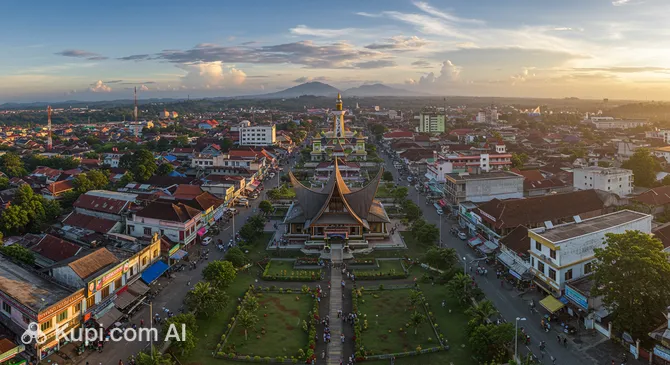
Cimahi. Illustration.
Source: Kupi.com AI

Cimahi has a unique character: it is often called Kota Tentara, which translates to "City of Soldiers." The city earned this nickname due to its rich history, which began in the late 19th century when Dutch colonizers established large military garrisons here. Today, the city is a blend of residential neighborhoods, industrial hubs, and numerous military institutions, giving its atmosphere a sense of discipline and order.

Geographically, Cimahi is situated on an upland plain, which provides it with a cooler and more comfortable climate compared to the coastal regions of Java. Although the city is not a typical tourist center, it attracts travelers with its authenticity, proximity to the region's natural beauty, and historical sites such as old military cemeteries and parks.

Visiting Cimahi is a great opportunity to see the daily life of modern Indonesia away from the polished tourist routes. We invite you to get to know this "military city," its hospitable residents, and the interesting heritage carefully preserved within its quarters.
Weather Overview

The climate in Cimahi is typical for the highland areas of West Java: it is tropical and humid, but somewhat cooler than in coastal cities. The average annual temperature fluctuates between 20°C and 30°C, making the city pleasant to visit year-round. You can check the current forecast by exploring the city climate in more detail.

There are two main seasons throughout the year: wet and dry. The heaviest rainfall occurs from November to March, when tropical showers can be short but very intense. July and August are traditionally considered the driest and sunniest months — an ideal time for walks and trips to waterfalls. Expect warm days with high humidity and refreshing evenings when the temperature can drop to a comfortable 18–20°C.

Average monthly temperature

Average monthly precipitation

Interesting Facts

  • The city's name comes from the Sundanese words "cai mahi", which literally translates to "enough water" — a reference to the abundant rivers that historically provided the region with this valuable resource.

  • Cimahi holds the status of the city with the highest population density in Indonesia, creating a unique and dynamic atmosphere of dense urban development.

  • The city is home to Ereveld Leuwigajah — one of the largest and most significant Dutch military cemeteries in the country, where over 5,000 soldiers and victims of Japanese camps from the WWII era are buried.

  • Cimahi consists of only three administrative districts, which is the smallest number for cities in the West Java province.

  • The city began to develop actively in 1811 thanks to the initiative of Governor Herman Willem Daendels, who transformed this area into an important military logistics hub on the Great Post Road of Java.

How to Get There

The transport accessibility of Cimahi is due to its strategic location near major economic centers in Indonesia. The city is located about 180 kilometers from Jakarta and just 12 kilometers from Bandung, making it an easily reachable point for travelers. You can learn more about the routes in the section on how to get to the city.

The nearest air hub is Husein Sastranegara International Airport (IATA: BDO) in Bandung. It is located approximately 15–20 kilometers from the center of Cimahi. A journey by taxi or through the Grab and Gojek apps will take about 30–45 minutes, though dense traffic at the city entrance should be taken into account.

AirportPassenger trafficDistance
Husein Sastranegara Airport3.8 mln4 km
Kertajati International Airport413 24073 km
Halim Perdanakusuma Airport3.8 mln99 km
Tangerang (Budiarto)126 km
Soekarno-Hatta International Airport51.0 mln129 km

Rail travel is one of the most convenient ways to get around. The city has the Cimahi station, served by trains running from Jakarta to Bandung and further into East Java. A train trip from Jakarta takes about 3 hours and is considered a more comfortable alternative to buses due to the lack of traffic jams.

For those who prefer road transport, you can drive from Jakarta via the Tol Cisumdawu highway in about 3–4 hours. Local buses and minibuses (angkots) also run regularly between Cimahi and neighboring cities in the region.

Main Attractions

While Cimahi is primarily known as an industrial and military center, a curious tourist will find many interesting locations here. One of the main attractions for locals is Taman Alun-Alun Cimahi — the central square and park where important city events take place and life bustles in the evening hours. It is the perfect place to feel the rhythm of the city and observe the local people.

For those interested in history, a must-visit is Ereveld Leuwigajah — a majestic and poignant Dutch military cemetery. Thousands of victims of the Second World War rest here, and the well-maintained grounds and memorial architecture create an atmosphere of silence and deep respect for the past.

If you are hungry or want to go shopping, it is worth stopping by Pasar Atas Cimahi — a large market where you can find everything from fresh tropical fruits to local textiles. For nature lovers, the picturesque cascades of Curug Tilu Leuwi Opat are located on the outskirts of the city, offering relaxation amidst forest greenery and cool natural pools.

Connoisseurs of cultural leisure might be interested in the Lakshmi Museum, which introduces visitors to local artifacts. For family recreation, Taman Kartini is perfect — a cozy green zone in the very heart of the urban area.

Local Cuisine

The gastronomic scene in Cimahi is a real treat for lovers of Sundanese cuisine, which is famous for its abundance of fresh herbs, aromatic spices, and piquant sauces. The basis of most local meals is rice, served with a variety of side dishes made of fish, tofu, and vegetables.

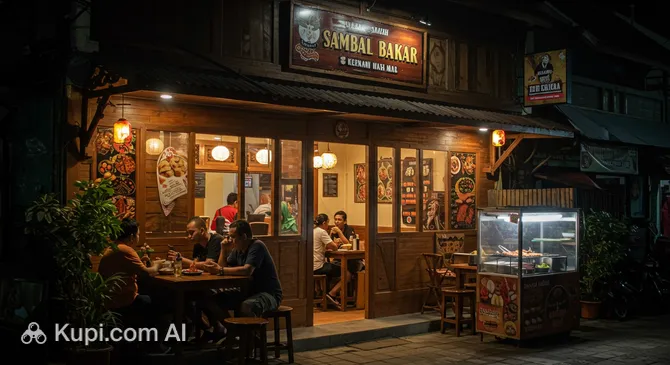
One of the most vivid experiences will be a visit to Sambal Bakar, where you can try the signature sambal sauce prepared in a special way. Street food lovers should look for Tahu Goreng Susu Cihanjuang — incredibly tender fried tofu in a milky sauce, which has become a hallmark of the region.

Sambal Bakar. Illustration.
Source: Kupi.com AI

Traveler photos:

For those who prefer international cuisine, Big Papa Pasta & Steak is an excellent choice, serving high-quality steaks and pasta. Chinese-Indonesian cuisine is also popular in the city, represented in numerous stalls selling bakmi (noodles). For drinks, locals prefer strong Javanese coffee and sweet tea, as well as refreshing fruit smoothies made from tropical fruits.

Most establishments are concentrated around markets and large shopping centers. The food culture here is very democratic: the best flavors are often hidden in small family-run warungs, where they cook according to recipes passed down through generations.

Travel Tips

Cimahi is a city with a special rhythm and traditions, so a little preparation will help make your trip as comfortable and pleasant as possible.

  1. Clothing and Essentials: Choose light clothing made from natural fabrics, as humidity here is high. However, when visiting military memorials or the Ereveld Leuwigajah cemetery, you should dress more formally (cover shoulders and knees). Bring comfortable shoes for walking on hilly terrain.
  2. Transport: The best way to get around is using the Grab or Gojek apps. This will save you from having to bargain and guarantees a fixed price. Be prepared for serious traffic jams during peak hours.
  3. Finances: Always carry cash in Indonesian Rupiah. Cards are only accepted in large shopping centers and hotels. Small shops and markets are cash-only.
  4. Health: Drink only bottled water. Pharmacies (Apotek) are common, but it is better to bring specific medications with you. Don't forget sunscreen.
  5. Communication: The main languages are Indonesian and Sundanese. English is not widely spoken, so learn a few phrases like "Terima kasih" (thank you) — it goes a long way with the locals.
  6. Local Etiquette: Greet people with a slight nod or a smile. Try to use your right hand for giving money or food, as the left hand is considered unclean in local culture.
  7. What to Avoid: Do not plan important trips during peak hours (7:00–9:00 and 17:00–19:00). It is not advisable to walk alone on the outskirts of the city after dark.
  8. Extra Tip: It is best to use Cimahi as a base for day trips and return to neighboring Bandung for the night, where the choice of hotels and restaurants is much wider.

By following these simple recommendations, you will be able to immerse yourself deeper into the atmosphere of West Java and enjoy your adventure!

Entertainment & Nightlife

The entertainment scene in Cimahi is primarily focused on family recreation and quiet pastimes in parks. Since the city is considered a residential suburb of neighboring Bandung, a vibrant nightlife with clubs and noisy bars is practically non-existent here. Locals prefer to spend their evenings at the central square or in cozy cafes where they can enjoy conversation and delicious food.

One of the popular spots for an evening dinner is the Sambal Bakar restaurant, which serves traditional Indonesian dishes in a lively atmosphere. Also popular is Big Papa Pasta & Steak, offering a more familiar Western menu, making it an excellent choice for tourists.

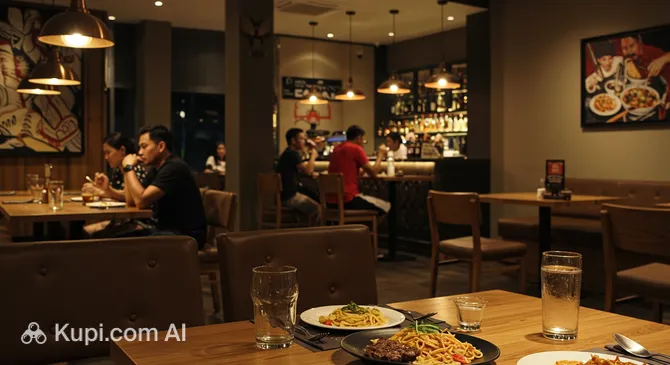
Big Papa Pasta & Steak. Illustration.
Source: Kupi.com AI

Traveler photos:

For active daytime leisure, you can head to Pandiga Recreation Sport, which features sports fields and swimming pools, or visit the Alam Wisata Cimahi nature area. If you crave dancing until dawn or major movie premieres, most travelers and expats head to Bandung, which can be quickly reached by taxi or motorcycle taxi even at night.

Parks & Museums

The green zones of Cimahi are oases amidst dense urban development where residents escape the hustle and bustle. The main public space is Taman Alun-Alun Cimahi. This park on the central square serves as a place for walks, picnics, and public gatherings. Another popular spot is Taman Kartini, which delights visitors with its shady alleys and well-kept lawns.

If you are willing to travel slightly outside the city, be sure to visit the Curug Tilu Leuwi Opat nature area. This is a picturesque cascade of three reservoirs and four pools surrounded by forest. Here you can not only enjoy the views but also swim in the cool mountain water, which is especially pleasant on a hot afternoon.

The city's cultural program is complemented by a visit to places like the Lakshmi Museum, where you can see artworks and local antiquities. It is also worth spending time at Ereveld Leuwigajah — a historical military cemetery that is an open-air museum in itself, reflecting the region's complex colonial history.

Although there are not many parks within the city itself, their cozy atmosphere and the hospitality of the local residents make visiting these places a pleasant addition to a trip through West Java.

Getting Around

The transport system in Cimahi is typical for large Indonesian suburbs and requires some flexibility from the tourist. The main form of public transport here are angkots — brightly colored minibuses that run on set routes between the city's three districts. This is the cheapest way to get around, although they can be very crowded during peak hours.

For faster and more comfortable travel, locals and tourists actively use the Grab and Gojek apps. You can call both a regular taxi and a motorcycle taxi (ojek), which easily maneuvers through dense urban traffic and narrow alleys. This is especially relevant since traffic jams in Cimahi are common in the morning and evening.

The city has a railway station connecting Cimahi with Bandung and Jakarta, making intercity trips very convenient. There are no metro or rapid bus systems in the city itself. If you decide to use an angkot, payment is made in cash to the driver upon exiting, and the fare is fixed for short distances.

Walking around Cimahi can be difficult due to the lack of sidewalks in some areas and the hilly terrain, so it is better to combine taxis and short trips on public transport for sightseeing.

Accommodation

The choice of accommodation directly in Cimahi is relatively small, as the city is oriented more towards local residents and the military. The bulk of the offers consist of budget guesthouses, inexpensive hotels, and apartments intended for long-term rental. Prices here are usually lower than in neighboring Bandung, which attracts budget-conscious travelers.

The most convenient areas to stay are around the central square and the neighborhoods adjacent to shopping centers like Borma Toserba Dakota. Here, it is easier to find taxis and places to have dinner. In the city center, you can find simple lodging options with prices starting from 300,000 Indonesian Rupiah per night.

If you are looking for high-level service, luxury hotel chains, or authentic boutique resorts, it is recommended to book accommodation in Bandung and visit Cimahi on day trips. However, if your goal is to study local life or work in this area, book small private guesthouses in advance through popular online services.

When choosing a hotel, pay attention to the availability of air conditioning, as despite the relative coolness of the highlands, it can be quite hot and humid during the day.

Sambal Bakar. Illustration.
Source: Kupi.com AI

Traveler photos:

Nearby Cities

Cimahi serves as an excellent starting point for exploring the surroundings of West Java, offering travelers access to the region's cultural and natural treasures.

The most popular destination is neighboring Bandung, located just 9 kilometers away. It is known as the "Paris of Java," famous for its Art Deco colonial buildings, numerous shopping outlets, and rich cultural life. It is also worth visiting Padalarang, where impressive limestone hills and landscapes attract photography and hiking enthusiasts.

For those who want to experience the quieter side of the province, Soreang is a good fit, known for its tea plantations and proximity to volcanic lakes. A bit further away is Purwakarta — a city with beautiful reservoirs, and Sumedang, famous for its culinary heritage and historical museums.

CityPopulationDistance
Padalarang184 1828 km
Bandung432 5579 km
Soreang116 78016 km
Purwakarta179 23339 km
Sumedang1 240 00043 km

The region around the city is rich in contrasts: from bustling metropolises to quiet mountain villages, and every short trip will allow you to discover new facets of amazing Indonesia.

Shopping & Souvenirs

Shopping in Cimahi is primarily an introduction to the daily lifestyle of Indonesians. You won't find luxury boutiques here, but you can fully enjoy the atmosphere of traditional markets and modern local shopping centers.

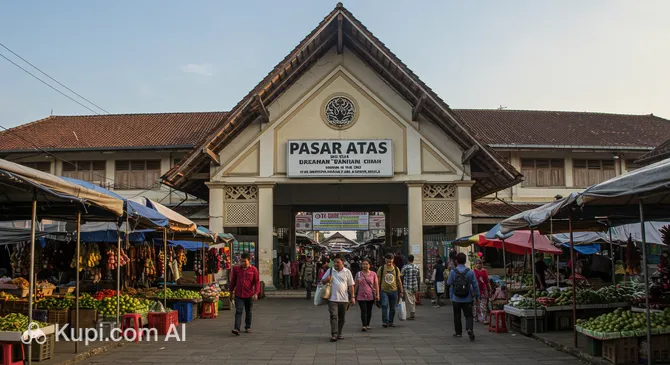
The central shopping destination is Pasar Atas Cimahi. It is a colorful market where everything you need is sold: from the freshest spices and exotic fruits to clothing and household goods. A trip here is not only an opportunity to buy souvenirs but also a chance to practice the art of bargaining.

Pasar Atas Cimahi. Illustration.
Source: Kupi.com AI

Traveler photos:

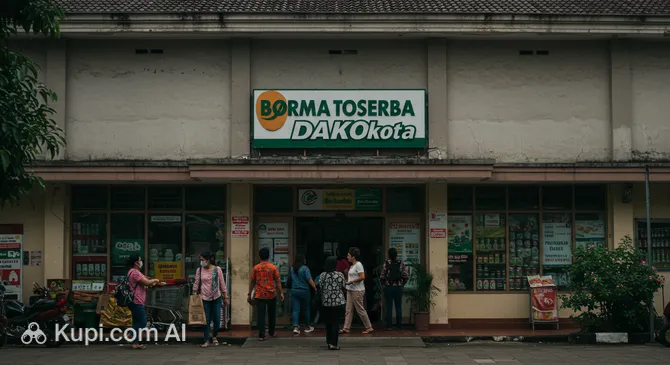
For a more familiar shopping format, Borma Toserba Dakota is ideal. This shopping center combines a supermarket with clothing and electronics departments, offering fixed prices and comfortable conditions in an air-conditioned environment.

Borma Toserba Dakota. Illustration.
Source: Kupi.com AI

Traveler photos:

As souvenirs from Cimahi, it is worth bringing back traditional Indonesian batik, which can be found in specialized shops such as Lembur Batik. Shops are usually open from 9:00 to 21:00, and card payments are only accepted in large shopping centers, so be sure to have cash Rupiah with you for market trips.

Reached the end of the page?

That means the route is fully explored