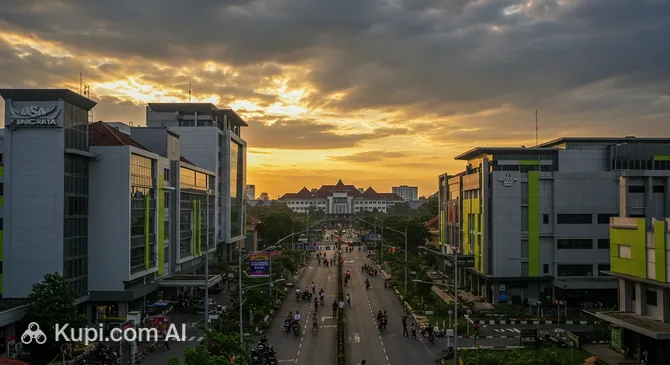
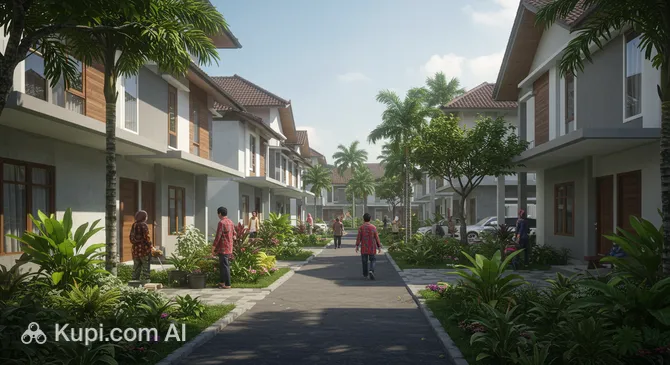
Depok is a dynamically developing metropolis in the Indonesian province of West Java, serving as an important link between the capital and its surroundings. As a satellite city of Jakarta, it harmoniously combines the rhythm of a modern university center with the tranquility of traditional residential neighborhoods. With a population of over 2.3 million people, Depok is filled with the energy of youth and students, giving it a special, lively character.
Depok. Illustration.
Source: Kupi.com AI
Geographically, the city is located south of the capital, covering an area of about 200 square kilometers. Its history is closely intertwined with the colonial past of Indonesia, which is reflected in the architecture and lifestyle of certain districts. You can explore the city's historical heritage in more detail, which dates back to the late 17th century and shaped the unique cultural identity of the local residents.
Today, Depok attracts travelers with its picturesque lakes, green parks, and authentic atmosphere, where it's easy to get lost among bustling markets or cozy cafes. It is an ideal place for those who want to see the real life of the country without the capital's pretension, enjoying the hospitality and friendliness of the townspeople. We invite you to discover this amazing corner of West Java, where tradition and modernity go hand in hand.
Weather Overview
Depok is characterized by a classic tropical climate with high humidity and consistently high temperatures throughout the year. The average temperature range fluctuates from 25°C to 32°C. There are no familiar seasonal changes here: instead, the dry and rainy seasons are distinguished, which determine the rhythm of city life.
The dry season usually lasts from May to October and is considered the most favorable time for tourism, as rain during this period is brief. The wet season arrives in November and continues until April, bringing heavy tropical downpours that most often occur in the afternoon. If you want to know more details, check the current weather in the city.
When planning walks, expect warm, sunny mornings that may give way to a sudden but refreshing rain. High humidity makes the heat more noticeable, so always bring water and sunscreen with you. Evenings in Depok bring pleasant coolness, creating ideal conditions for visiting night markets and outdoor cafes.
Average monthly temperature
Average monthly precipitation
Interesting Facts
According to one version, the city's name is an acronym for DEPOC — "De Eerste Protestantse Organisatie van Kristenen", which translates to "The First Protestant Organization of Christians," founded here in the late 17th century.
In 1714, the city's founder, Cornelis Chastelein, freed 150 slaves in his will and transferred land ownership rights to them, leading to the formation of a unique ethnic group known as Belanda Depok (Depok Dutch).
From 1871 to 1952, Depok held the status of an autonomous republic with its own president, government, and laws, existing as an independent entity within the Dutch colony.
Depok officially received the status of an independent city within the West Java province only on April 20, 1999.
Depok is considered one of Indonesia's largest educational centers — the main campus of the prestigious University of Indonesia (UI) is located here.
How to Get There
Depok boasts excellent accessibility, making it a convenient destination for tourists. Located just 20–30 kilometers from Jakarta, the city is integrated into the region's overall transport network. The fastest and most popular way to get here is by using the KRL Commuterline electric train, which connects the capital's center to Depok in just 30–60 minutes, bypassing the famous traffic jams.
The nearest major air hub is Soekarno-Hatta International Airport (CGK) in Jakarta. From there, comfortable Damri buses and direct trains run regularly to Depok. Taxis and transfers are also available for travelers' convenience, taking you directly to your hotel. You can check the current route to the city on the dedicated transport page.
Railway communication is the foundation of travel in this area. Several important stations are located in the city, ensuring a steady flow of passengers. One of the key stations is Depok Baru, conveniently situated near shopping centers and markets. Traveling by train allows you not only to save time but also to see the picturesque surroundings from the carriage window.
Station
Passenger traffic
Distance
Lebak Bulus Bank Syariah Indonesia MRT station
6
13 km
Pasar Minggu railway station
7
14 km
Blok M BCA MRT station
6
17 km
Halim railway station
6
20 km
Bogor railway station
8
21 km
Main Attractions
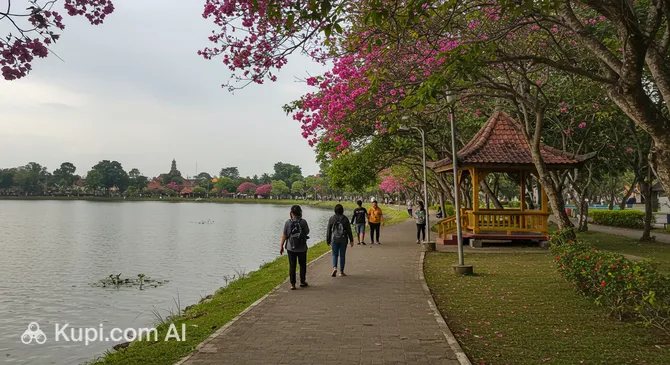
Depok offers travelers an interesting combination of natural areas and cultural sites. One of the city's main gems is Kenanga Lake. This is a popular spot for walks and relaxation, where you can enjoy the calm water surface and picturesque views, especially during the pre-sunset hours.
Kenanga Lake. Illustration.
Source: Kupi.com AI
Traveller photos:
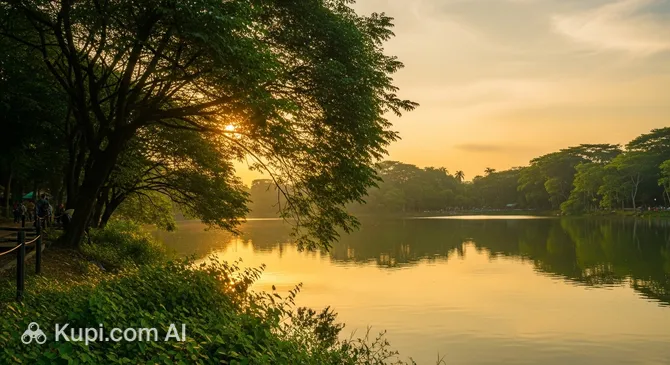
For those seeking solitude in nature, Brigif Lake is an excellent choice. This vast green space and catchment area serves as the "lungs" of the city. Here, you can often meet locals exercising or having family picnics in the fresh air.
Brigif Lake. Illustration.
Source: Kupi.com AI
Traveller photos:
Fans of urban strolls should visit Merdeka Park. This is a cozy public space in the very center, where local events are frequently held. Additionally, the city is famous for its traditional markets, such as Pasar Depok Lama, where you can experience the true flavor of Indonesian daily life and see the old estates of the "Belanda Depok" community.
Local Cuisine
Depok's culinary scene is a true feast for lovers of Javanese cuisine. Here you will find everything from fine restaurants to cozy street stalls (warungs). The basis of the local diet consists of classic dishes such as nasi goreng (spicy fried rice), sate (small grilled skewers), and gado-gado — a vegetable salad with a thick and flavorful peanut sauce.
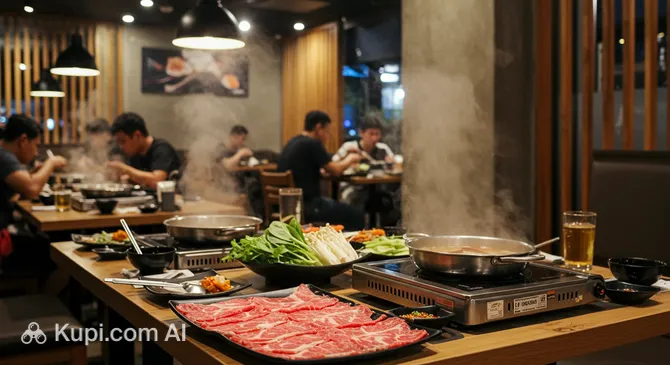
If you want to try something truly popular among locals, stop by Sop Durian Margando. This place is famous for its desserts based on exotic durian, which have become a culinary trademark of the area. For a more substantial East Asian-style lunch, Shabu Hachi Margonda is a great choice, offering an "all-you-can-eat" format with an emphasis on Japanese shabu-shabu and grill.
Shabu Hachi Margonda. Illustration.
Source: Kupi.com AI
Traveller photos:
Don't forget to refresh yourself with traditional Indonesian drinks. Try es cendol — a sweet drink made from coconut milk, palm sugar, and jelly noodles made from rice flour. In the evening, head to traditional markets like Pasar Agung, where street food is prepared right before your eyes, filling the air with the aromas of spices and grilled meat. The food culture here is very democratic, and the portions are always generous.
Travel Tips
Depok is a hospitable city that will give you many pleasant impressions if you prepare for your trip in advance. Here are some practical tips to help you feel at home here:
Clothing and Essentials: Choose clothing made of light, natural fabrics, as it is hot and humid in the city year-round. When visiting mosques or official institutions, remember to cover your shoulders and knees. Comfortable shoes are a must for walking through markets and parks.
Transport: For quick trips, use the Grab or Gojek apps — it's cheap and safe. For trips to Jakarta, the KRL train is ideal, but try to avoid peak hours (7:00–9:00 and 17:00–19:00).
Finances: The official currency is the Indonesian Rupiah. Malls accept cards, but for markets and street food, always carry small denomination cash. ATMs are found everywhere.
Health: Drink only bottled water and avoid ice in street drinks. There are many pharmacies (Apotek) in the city where you can find basic medicines, and medical centers in university areas are quite modern.
Communication: The main language is Indonesian, but many in the student community understand English. It's useful to learn a few phrases, such as "Terima kasih" (thank you), to win over the locals.
Etiquette: Always use your right hand to pass money or food, as the left is considered "unclean." Be polite and smile often — Indonesians highly value friendliness.
What to Avoid: Do not point at people or objects with your foot and try not to show strong emotions (anger) in public — this is considered very impolite.
Connectivity: Buy a local SIM card (e.g., Telkomsel) immediately upon arrival; this will provide you with a stable internet connection for navigation, as public Wi-Fi is not available everywhere.
Enjoy every minute of your stay in this energetic city and be open to new discoveries!
Entertainment & Nightlife
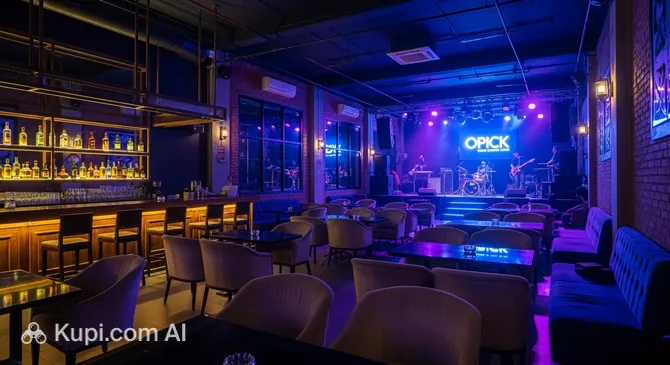
Entertainment life in Depok is largely geared toward youth and students, thanks to the presence of major universities. There is no noisy glitz of capital-style clubs here, but the city offers many cozy venues with live music and a creative atmosphere. A popular spot for evening relaxation is Opick Music Studio & Cafe, where music lovers often gather to enjoy performances by local talents.
Opick Music Studio & Cafe. Illustration.
Source: Kupi.com AI
Traveller photos:
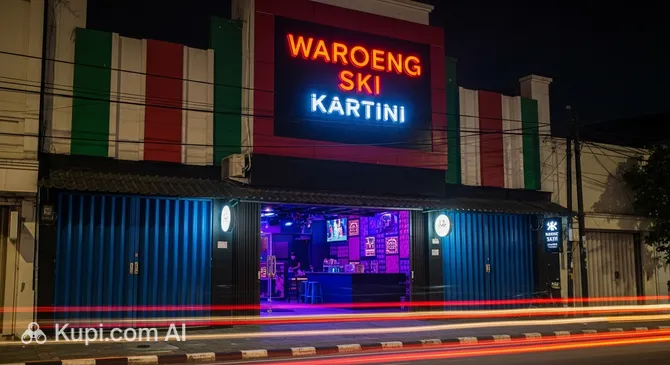
For those who prefer active recreation and water activities, the city features the Makita Coffee Garden Water Park. This unique space combines a cafe with a family relaxation area by the water, making it an excellent choice for daytime leisure. Also popular among locals is Waroeng SKI Kartini, which offers a relaxed setting for evening get-togethers.
Waroeng SKI Kartini. Illustration.
Source: Kupi.com AI
Traveller photos:
The city's evening life is centered around main streets like Margonda Raya, where cinemas, shopping malls, and cafes stay open late. For post-sunset walks, illuminated parks and night markets are ideal, offering snacks and a hospitable atmosphere. For safety, it is recommended to use official taxi apps when returning to your hotel late at night.
Parks & Museums
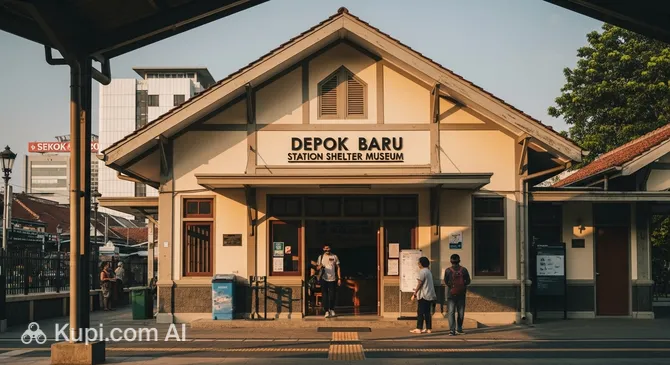
Despite its status as a metropolis, Depok preserves green oases that serve as places for relaxation and cultural enrichment. The city's historical heritage is carefully preserved in sites such as the Museum at Depok Baru Station. This is a small but interesting space that helps visitors understand the role of the railway in the city's development and see rare artifacts from the past.
Depok Baru Station Shelter Museum. Illustration.
Source: Kupi.com AI
Traveller photos:
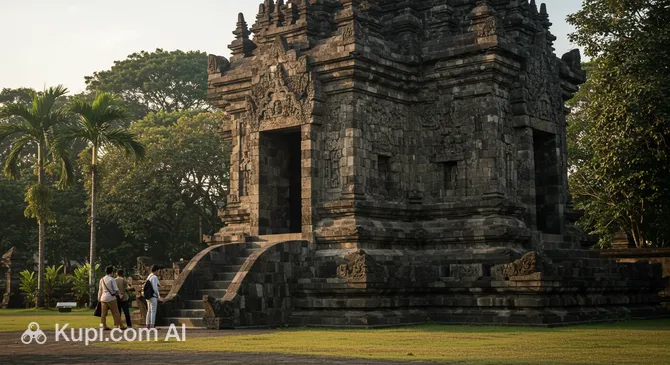
While walking around the city, you will definitely come across memorial signs reminding you of important pages in history. One such symbol is the Margonda Monument, erected in honor of the national hero whose name the city's main street bears. Another significant site is the Pengasinan Monument, which is often visited by tourists interested in local history and monumental art.
Pengasinan Monument. Illustration.
Source: Kupi.com AI
Traveller photos:
The city's green zones are mainly concentrated around university campuses, where beautiful parks and gardens open to the public have been laid out. A special place in cultural life is occupied by the "Bengkel" theater (Bengkel Teater Rendra), founded by the famous poet Rendra. It is not just a theater, but a true open-air cultural center, where the architecture of the buildings harmonizes with the surrounding nature, creating a unique atmosphere for creativity and exhibitions.
Getting Around
The public transport system in Depok is closely integrated with Jakarta's transport network, making travel around the region quite convenient. The "backbone" of the transport system is the KRL Commuterline. Trains run every 15–30 minutes, connecting city stations with key hubs in the capital. To pay for travel, contactless transport cards (E-Money or Flazz) are used, which can be purchased and topped up at any station.
Intra-city trips are often made on angkots — microbuses characteristic of Indonesia. They run on specific routes but do not have strict stops: to get off, you just need to signal the driver. Additionally, TransJakarta buses operate in the city, offering more comfortable transport conditions along dedicated lanes, which helps to avoid traffic congestion.
An alternative to public transport are taxi and motorcycle taxi booking services via the Gojek or Grab apps. This is perhaps the fastest way to get around, especially during rush hour, as motorcycles easily maneuver through the flow of cars. Bicycles are also popular in student campuses and park areas. When planning trips, keep in mind that roads can be very congested in the morning and evening, so the train remains the most reliable way to save time.
Accommodation
The choice of accommodation in Depok is quite diverse and primarily caters to students, business travelers, and families. The main concentration of hotels is found in the Beji and Cimanggis districts, which are in close proximity to major university campuses. Modern mid-range hotels and budget guesthouses predominate here, offering comfortable conditions at reasonable prices.
For those seeking a higher level of service, chain hotels such as Mercure or Ibis can be found near Margonda Street. If you are planning a quiet family holiday, it is worth looking at the Sawangan area — there are apartments and residential complexes with access to green areas and parks. We recommend booking accommodation in advance, especially during the start of the academic year or major city festivals, when demand for rooms increases significantly.
Accommodation prices in Depok are generally lower than in the center of neighboring Jakarta, making the city an attractive base for budget-conscious travelers. Most properties can be easily booked through popular international and local aggregators. Pay attention to the availability of air conditioning and proximity to KRL train stations for the most convenient travel around the region.
Nearby Cities
Depok is an excellent starting point for exploring the surroundings, thanks to its central location between the region's two largest points of attraction. Just 20–30 kilometers to the north is the country's capital, easily accessible by train for shopping and museums. At the same time, a trip south will take you to picturesque Bogor, famous for its magnificent botanical garden and cooler climate.
Nearby are cozy districts and towns worth visiting to get acquainted with the local way of life. For example, Sawangan attracts with its green areas and parks, while Cimanggis is interesting for its shopping and residential complexes. It's also worth paying attention to Beji — a district where university life is in full swing and many youth cafes are concentrated.
Exploring neighboring locations will allow you to see the diversity of West Java: from ultra-modern skyscrapers to quiet village landscapes. All these destinations are ideal for day trips, allowing you to return to cozy Depok in the evening. Don't be afraid to turn off the main tourist trails to find the hidden gems of the region.
Shopping & Souvenirs
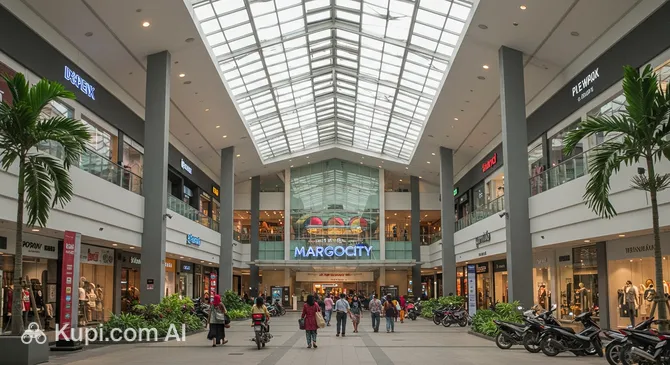
Shopping in Depok is an exciting process where ultra-modern malls and colorful traditional markets coexist. The city's main shopping artery is Margonda Raya Street, where most stores are concentrated. If you are looking for comfort and international brands, be sure to visit MARGOCITY. It is one of the largest and most popular shopping centers, where you can find not only clothing and electronics but also excellent food courts and cinemas.
MARGOCITY. Illustration.
Source: Kupi.com AI
Traveller photos:
Another modern shopping destination is The Park Sawangan. This shopping center attracts residents of the western part of the city with its spacious layout and wide selection of home and leisure goods. It's a pleasant place to spend time with the whole family, combining shopping with entertainment.
The Park Sawangan. Illustration.
Source: Kupi.com AI
Traveller photos:
For authentic souvenirs and local flavor, head to the Pasar Depok Lama or Pasar Kemiri markets. There you can buy high-quality Indonesian batik, aromatic spices, and handicrafts. Local coffee and traditional sweets are often brought back as gifts from Depok. Remember that it is customary to haggle politely in the markets, while in large shopping centers, prices are fixed and card payments are accepted everywhere.