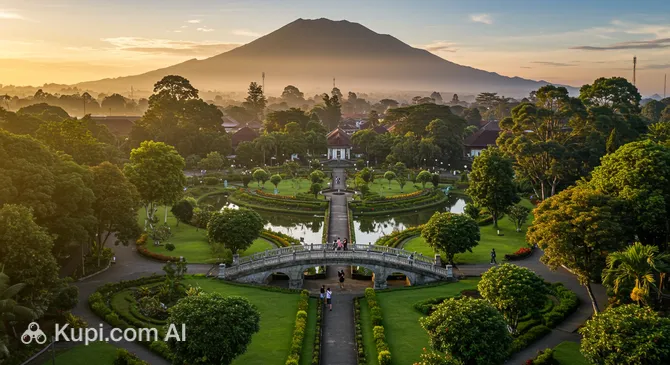
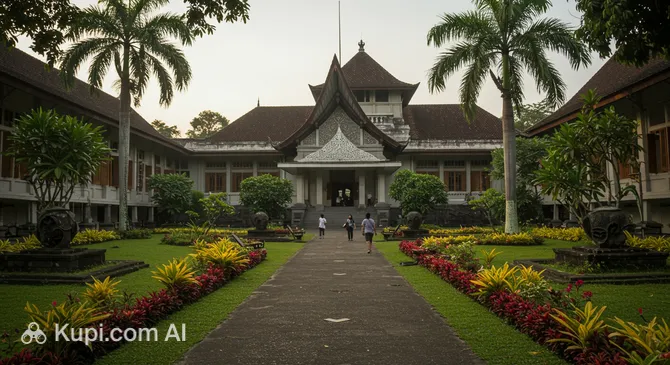
Bogor is a fascinating city in the West Java province of Indonesia, located just 60 kilometers south of Jakarta. Known by the poetic name "Rain City," it welcomes travelers with fresher and cooler air than the sweltering lowlands of the capital. With a population of over one million, Bogor is a seamless blend of a bustling administrative center and a cozy green oasis, closely linked to the rhythm of the greater metropolitan area.
The city possesses a unique atmosphere where its colonial past intertwines with modern Indonesian dynamics. Bogor's historical heritage dates back to the era of the Sunda Kingdom, and it later served as the favorite summer residence for the Governors-General of the Dutch East Indies. Today, this destination attracts guests with its lush gardens, majestic architecture, and the opportunity to take a break from the hustle and bustle of the megalopolis amidst evergreen hills.
Bogor. Illustration.
Source: Kupi.com AI
The primary draws for tourists here are the world-famous botanical garden and the elegant presidential palace. Despite the high building density and busy traffic, Bogor retains its identity as one of the "greenest" places on Java. Visiting this city is a great opportunity to see Indonesia from a different side, enjoy its natural wealth, and experience the leisurely pace of life in the foothills of Mount Salak.
Weather Overview
The climate of Bogor is classified as a tropical rainforest climate, making it one of the wettest places in the region. Due to its location at the foot of the mountains, the air here is noticeably cooler than in Jakarta, with daytime temperatures ranging from 27–30°C and nighttime temperatures around 21–22°C. When planning your visit, keep in mind that the weather in Bogor is characterized by regular rainfall that can start suddenly.
A typical day in the city starts with a clear, sunny morning, but by midday, the sky often clouds over, and by evening, heavy rain falls. The wettest months are considered to be November, December, and January, when rainfall exceeds 300 mm per month. During this period, humidity is at its peak, and thunderstorms become a daily occurrence.
Relatively "drier" months are July and August, although even then rain is not uncommon. High humidity and an abundance of greenery create a special atmosphere of eternal summer here. Visiting the Botanical Garden after a fresh downpour is a unique pleasure, as the scents of tropical flowers and damp earth become particularly intense.
Average monthly temperature
Average monthly precipitation
Interesting Facts
Bogor is full of amazing stories and features that make it unlike other Indonesian cities:
A City Without Care: During the colonial era, the city was named Buitenzorg, which literally means "without care" or "carefree" in Dutch. This emphasized its status as a resort destination for high-ranking officials to relax.
A Green Treasure Trove: The local Botanical Garden is considered one of the oldest in Southeast Asia; it was officially founded back in 1817 and today houses more than 13,000 species of plants.
Etymology of the Name: It is believed that the modern name Bogor comes from local words meaning "mountain" or "hill," which accurately describes the terrain at the foot of volcanic slopes.
Rain Capital: Bogor is officially recognized as the rainiest city on the island of Java. Thunderstorms occur here almost daily, often at the same time in the afternoon, bringing a long-awaited coolness to the residents.
Presidential Deer: Hundreds of spotted deer live on the grounds of the presidential palace, descendants of animals brought here in the 19th century from Nepal for royal hunts.
How to Get There
The transport accessibility of Bogor makes it an ideal destination for a weekend trip. Most travelers arrive here from Jakarta using the well-developed commuter network. If you are planning a visit, it is useful to study all the ways to get to Bogor in advance to choose the most comfortable option depending on your schedule.
The city does not have its own airport, so the main flow of tourists goes through the capital's international air hubs. From Jakarta's airports, Bogor can be reached by direct shuttle buses or taxi. The car journey usually takes about 1.5–2 hours, though it is worth noting that on weekends and during rush hours, travel time can increase significantly due to heavy traffic.
The most reliable and predictable way to travel remains the railway. The KRL Commuter Line connects central Jakarta with Bogor Station. Trains run regularly, and the trip itself takes just over an hour. This allows you to avoid many kilometers of highway traffic jams and arrive in the "Rain City" on time.
Main Attractions
The heart of Bogor is rightfully considered the magnificent Botanical Garden—a vast scientific complex that is home to thousands of exotic plants. Standing beside it is the Bogor Palace, the official presidential residence, whose snow-white walls and deer grazing on the lawns create a truly royal landscape. These two sites form the foundation of any tourist itinerary through the city.
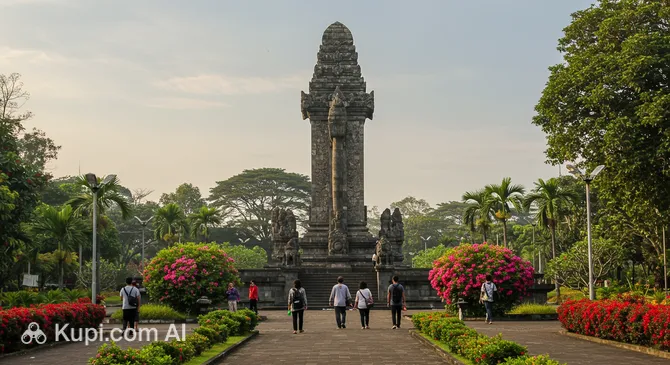
For those interested in culture and history, the Zebaoth Church (Church of Savaof) is a point of interest. This historic building serves as a reminder of the colonial period and stands out with its architecture against the backdrop of modern city blocks. Another important symbol of the city is the Kujang Monument—a monument shaped like a traditional Sundanese weapon, which rises proudly over one of the main road junctions.
Kujang Monument. Illustration.
Source: Kupi.com AI
Traveler photos:
Family travelers and those seeking unique experiences should look into sites like the Sentulfresh Education Farm. Here, you can get a closer look at rural Indonesian life, learn about farming methods, and spend time in the fresh air. Bogor offers a wonderful variety: from solemn historical monuments to interactive spaces for relaxation and learning.
Local Cuisine
The cuisine of Bogor is a festival of flavors dominated by Sundanese culinary traditions. The local diet is based on fresh vegetables, rice, soy, and aromatic spices. Be sure to try Asinan Bogor—a famous salad made of pickled fruits or vegetables in a spicy-sour sauce, which has become a true gastronomic hallmark of the city.
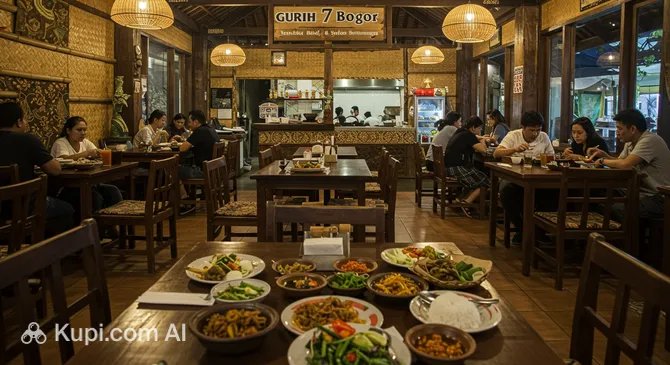
For a thorough introduction to regional cuisine, it is worth visiting traditional restaurants. For example, Bumi Aki is famous for its grilled meat dishes and authentic atmosphere. Another excellent spot is Gurih 7 Bogor, where you can dine in bamboo gazebos right over the water, sampling fresh fish and various types of sambal (spicy sauce).
Gurih 7 Bogor. Illustration.
Source: Kupi.com AI
Traveler photos:
Street food in Bogor is equally interesting: "tauge goreng" (fried soy sprouts with noodles) and various sweet snacks are often sold in markets and along the roads. As for a drink, try the local ginger tea or freshly squeezed tropical fruit juices. The city's gastronomic scene is accessible and diverse, offering everything from simple warungs to exquisite restaurants with high service standards.
Travel Tips
Preparing for your trip to Bogor will help you fully enjoy this "Rain City" and avoid minor inconveniences. Here are some practical tips to make your journey comfortable and rewarding:
Clothing and Accessories: Be sure to bring an umbrella or a light raincoat. Rain occurs here almost daily, even during the dry season. Comfortable shoes are needed for walks in the botanical garden, and when visiting mosques or the palace, wear clothing that covers your shoulders and knees.
Getting Around the City: For transportation, it is most convenient to use the Gojek or Grab apps. This will save you from having to haggle with angkot drivers and guarantees a transparent price.
Finances: The official currency is the Indonesian Rupiah (IDR). Large shopping centers and hotels accept cards, but for markets and small cafes, always keep small denomination cash with you.
Time Planning: Try to visit the main attractions in the first half of the day. Thunderstorms often start after lunch, and traffic jams become significantly heavier.
Communication: Local residents are very friendly, but English is mainly spoken in hotels and large malls. Learn a few phrases in Indonesian (e.g., "Terima kasih"—thank you); it always fosters goodwill.
Etiquette: In Indonesia, it is customary to pass items and food only with the right hand. Also, try not to point at people with your index finger—it is considered impolite.
What to Avoid: Avoid planning trips to Bogor from Jakarta on Saturday mornings or returning on Sunday evenings—you risk spending several hours in traffic jams along with thousands of city vacationers.
Safety: In crowds at markets and near the station, keep a close eye on your bags and phones, as cases of minor pickpocketing are possible.
Bogor is a welcoming and very atmospheric city that will certainly reward you with vivid impressions if you approach its rhythm with understanding and proper preparation.
Entertainment & Nightlife
In the evening, Bogor offers guests a calm and relaxed atmosphere. Nightlife here is not as boisterous as in neighboring Jakarta and is mainly oriented toward family recreation, dinners in cozy cafes, and strolls through shopping malls. The primary leisure format after sunset is visiting gastronomic venues or lounge areas where you can enjoy the cool Javanese evening in the company of friends.
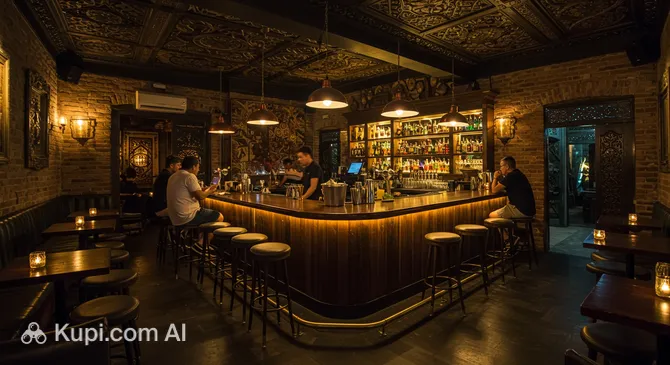
For fans of social interaction and modern urban culture, places like Mojoke Communify are ideal. This popular space combines the features of a bar and a cafe, attracting young people and a creative crowd with its stylish interior and laid-back atmosphere. Another interesting spot on the evening map is Cafe Twenty Two, where you can spend time over a cup of coffee or a light cocktail.
Mojoke Communify. Illustration.
Source: Kupi.com AI
Traveler photos:
If you are looking for entertainment during the day, especially for the whole family, be sure to check out JBound park. It offers active outdoor recreation, making it an excellent alternative to city walks. Despite the absence of loud nightclubs, Bogor wins visitors over with its soulfulness and high-quality service in local establishments, offering a safe and friendly environment for relaxation.
Parks & Museums
Parks and gardens are the main reason many people come to Bogor. The most significant site here is the Botanical Garden, which features the picturesque Gunting Lake. The lake is located right in front of the presidential palace, and its quiet waters, covered with lotuses, create an ideal backdrop for photography and peaceful nature contemplation.
The city's museum program is equally captivating. For those interested in modern Indonesian history, a visit to the Balai Kirti Presidential Museum will be beneficial. The museum's exhibition is dedicated to the lives and achievements of the country's presidents, and the building itself is characterized by its solemnity and grandeur. For fans of more niche thematic collections, the Museum Bucketlist Indonesia is open, showcasing unique collections of personal items and achievements of famous personalities.
Balai Kirti Presidential Museum. Illustration.
Source: Kupi.com AI
Traveler photos:
Due to the abundance of greenery, Bogor is perceived as a single park-city. Here, scientific research by botanists is closely interwoven with recreation areas for city residents. Visiting local museums and walking along the shaded garden alleys will help you feel the historical significance of this place as an important cultural and administrative center of Java.
Getting Around
The transport system in Bogor has its own unique features that tourists need to get used to. The most noticeable and widespread type of transport here is the angkot—small blue shared microbuses. They permeate the entire city but do not have a fixed schedule or official stops, so it's better to check the route with locals or the driver before boarding.
Within the city, there is also an active network of buses and taxis. In recent years, mobile apps for calling taxis and motorcycle taxis (Gojek or Grab) have become increasingly popular, allowing for travel at a fixed price and avoiding misunderstandings over fares. This is particularly convenient during rush hours when central streets can be heavily congested with cars.
For tourists, it is important to remember that traffic jams are common in Bogor, especially in rainy weather and on weekends. If you need to reach the station or an important landmark by a certain time, allow an extra 30–40 minutes. Payment in buses and angkots is usually made in cash, while in app-based taxis, you can use a linked card or digital wallet.
Accommodation
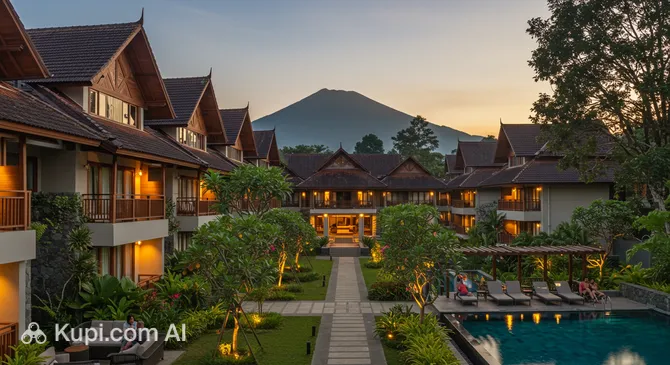
The choice of accommodation in Bogor is quite broad, catering to both business travelers and tourists looking for a nature retreat. Most hotels are concentrated in the city center, near the Botanical Garden and the railway station, which is convenient for walking. For those who prefer a quieter environment, resort complexes are available on the outskirts, offering picturesque views of the hills.
Among the popular options, Padjadjaran Suite Resort & Convention Hotel stands out, combining modern amenities with event facilities. If you are looking for a place with traditional flavor, consider the Saung Dolken Resort and Syariah Hotel Bogor. This hotel offers a countryside retreat atmosphere and excellent service.
Saung Dolken Resort & Syariah Hotel Bogor. Illustration.
Source: Kupi.com AI
Traveler photos:
During the peak tourist season and on weekends, when Jakarta residents head to Bogor in large numbers, it is recommended to book rooms in advance. The price range varies from budget guesthouses to luxury boutique hotels. Regardless of your choice, you can count on the famous Indonesian hospitality and a warm welcome.
Nearby Cities
Bogor serves as an excellent starting point for exploring the picturesque surroundings of West Java. The region is rich in small towns and natural areas, each offering its own unique experience: from visiting traditional markets to hiking on mountain slopes.
Very close by is Cibinong, the administrative center of the regency, where you can observe the modern life of the province. If you are interested in larger settlements with developed infrastructure, it is worth stopping by Depok, located on the way to the capital. Another popular destination for a short trip is Cimanggis, which attracts travelers with its green zones and parks.
Exploring the outskirts of Bogor allows for a deeper understanding of the island's culture and an appreciation of the variety of landscapes. Whether it is a quick trip to a neighboring city or a journey to mountain waterfalls, every destination will provide new impressions and a chance to rest from the bustle of the central districts.
Shopping & Souvenirs
Shopping in Bogor is a practical and engaging activity. Unlike the high-end boutiques of Jakarta, large shopping malls and traditional markets dominate here, where you can find everything you need at reasonable prices. The city is famous for its textile products and local foods, which make excellent souvenirs.
One of the main shopping destinations is Botani Square Mall, conveniently located near the bus station and the botanical garden. It features both international brands and local labels. If you are looking for a more compact and modern space, check out Bogor Junction, which is popular for its food court and selection of home goods.
Botani Square Mall. Illustration.
Source: Kupi.com AI
Traveler photos:
As for souvenirs from Bogor, local sweets like Lapis Bogor (a taro layer cake) are most commonly brought home, as well as Javanese tea and coffee. Stores generally operate from 10:00 to 22:00, and payments are accepted in both cash and bank cards. Don't forget to visit the traditional markets in the morning to experience the true flavor of local trade and buy the freshest exotic fruits.