Support

Cianjur

About

Cianjur is a charming city nestled among the picturesque hills of West Java in Indonesia, about 120 kilometers south of Jakarta. Located at an altitude of approximately 350 meters above sea level, it enjoys a pleasant, mild climate, while the surrounding landscapes delight the eye with green rice terraces and majestic volcanic silhouettes on the horizon. Cianjur seems perfectly designed for leisurely strolls and discovering the real Java, far from the hustle and bustle of megacities.

With a population of about 175,000 people, the city remains compact enough to maintain an atmosphere of comfort and friendliness. Cianjur is the administrative center of the regency of the same name and an important transport hub on the route between Jakarta and Bandung. Here, the traditional Javanese way of life blends harmoniously with modern features, making it particularly interesting for travelers.

Cianjur. Illustration.
Source: Kupi.com AI

The main charm of Cianjur lies in its leisurely pace and the hospitality of the local residents. The city offers a unique opportunity to immerse yourself in an authentic atmosphere: visit colorful local markets where you can find fresh fruit and handicrafts, or relax in one of the modern cafes. The surroundings of Cianjur are rich in natural beauty: from here, it is easy to reach picturesque mountains, refreshing waterfalls, and emerald tea plantations, which are the hallmark of the region.

Cianjur is an excellent choice for those seeking authentic experiences, wishing to get acquainted with Javanese culture, try local delicacies, and enjoy nature. This city will be a great starting point for exploring the wonders of Java and will provide unforgettable memories of your trip.

You can find more interesting facts on the history of Cianjur city page.
Weather Overview

In Cianjur, a warm and humid equatorial climate prevails. Throughout the year, the air temperature remains fairly stable, with average values around 23-24°C. Maximum daytime temperatures usually range from 26°C to 29°C, while minimum nighttime temperatures rarely drop below 20°C.

Expect warm weather year-round with frequent rains, particularly intense between October and May, when the number of rainy days can reach 29 per month. The driest period falls in July and August, but precipitation is still possible even during these months. For more detailed information, check the full forecast: Cianjur climate.

Average monthly temperature

Average monthly precipitation

Interesting Facts

Beyond its picturesque landscapes and hospitality, Cianjur hides many amazing stories and cultural features that not all travelers know about. This Indonesian city is ready to share its secrets with those looking for something more than standard tourist routes.

  • Tea Heart of Java: Cianjur is famous throughout Indonesia for its vast tea plantations. Some of the most aromatic varieties of Javanese tea are grown here, and tours of the plantations, accompanied by tastings, have turned into a real local ritual and a popular activity for tourists.

  • Witness of Eras: The city carefully preserves traces of its rich history as an important trade crossroads. Its architectural appearance harmoniously combines elegant colonial-era buildings, traditional Javanese houses, and ancient mosques. A striking example of historical architecture is the Great Mosque of Cianjur, which attracts attention with its distinctive style.

  • Wedding Extravaganzas: One of the most colorful and unique traditions of Cianjur is its lavish wedding ceremonies. During celebrations, the city streets are transformed by bright floral arrangements and many lanterns, while the bride and groom, dressed in luxurious national costumes, become the center of general admiration.

  • Cradle of Talents and Traditions: Cianjur is known as the birthplace of many prominent Indonesian artists and politicians. The city is also a guardian of rich cultural heritage: festivals are regularly held here where you can enjoy the sounds of a traditional gamelan orchestra and see mesmerizing Sundanese dances, which often take place at Cianjur City Square.

  • Legends of Old Markets: The ancient markets of Cianjur are not just places for lively trade, but real treasuries of city legends and lore. Local residents enjoy sharing these stories with inquisitive guests, adding a special flavor to visits to these authentic spots.

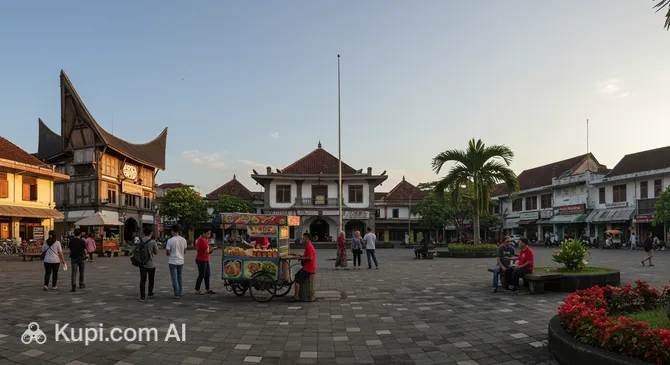
Cianjur Town Square. Illustration.
Source: Kupi.com AI

Traveler photos:

How to Get There

When planning a trip to Cianjur, a city in the West Java province of Indonesia, it's important to know that it does not have its own airport. However, getting here is quite easy by using one of several airports located in neighboring cities and then continuing the journey by ground transport.

The most convenient and nearby option is Husein Sastranegara Airport (IATA: BDO). It is located in the city of Bandung, about 49 km from Cianjur. A taxi or bus ride from there to the center of Cianjur takes about 1.5 hours. This airport primarily serves regional routes and some international flights.

Another popular option is Halim Perdanakusuma Airport (IATA: HLP), located in the nation's capital, Jakarta, approximately 67 km from Cianjur. This is a fairly large airport, and the transfer to Cianjur from here will take about 2 hours, depending on traffic conditions.

The main international gateway receiving most overseas flights is Soekarno-Hatta International Airport (IATA: CGK). It is also in Jakarta, about 94 km from Cianjur. Despite being further away, its status as the primary international hub makes it a frequent choice for tourists. The journey from Soekarno-Hatta Airport to Cianjur can take between 2.5 and 3 hours.

From any of these airports, you can reach Cianjur by taxi, rental car, or by using bus companies. It is recommended to check public transport schedules and routes in advance or book a transfer, especially if you are traveling with large luggage or in a group.

For clarity, here is a summary of the main airports used to reach Cianjur:

AirportPassenger trafficDistance
Husein Sastranegara Airport3.8 mln49 km
Halim Perdanakusuma Airport3.8 mln67 km
Soekarno-Hatta International Airport51.0 mln94 km
Kertajati International Airport413 240114 km
Radin Inten II Airport1.1 mln279 km

Main Attractions

Cianjur, nestled in the West Java province, offers its guests a chance to experience unique local culture and enjoy picturesque views. The city is rich in interesting places that reflect its history and modern life.

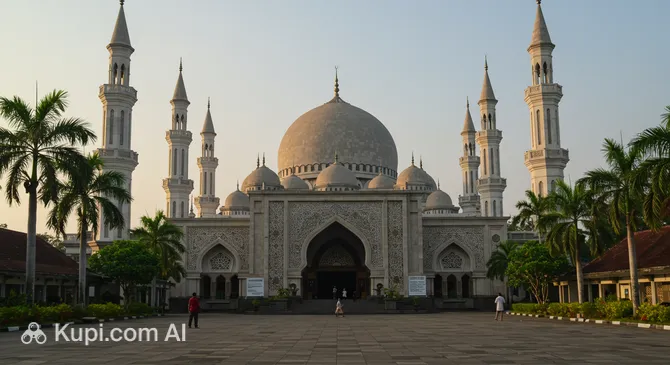
One of the main architectural and spiritual landmarks of the city is the Great Mosque of Cianjur. This is not only an important site for worshippers but also an impressive example of Islamic architecture, drawing attention with its grandeur and beauty. Visitors can appreciate the details of its design and feel the peaceful atmosphere of this place.

Cianjur Grand Mosque. Illustration.
Source: Kupi.com AI

Traveler photos:

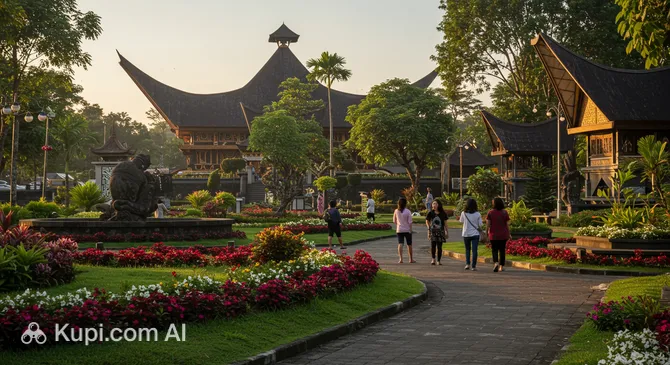
The center of social life and a popular spot for walks is Cianjur City Square, also known as Alun-Alun. Various events, fairs, and festivals are often held here. The square is surrounded by greenery and is a great place to observe the daily life of citizens and relax.

Cianjur Town Square. Illustration.
Source: Kupi.com AI

Traveler photos:

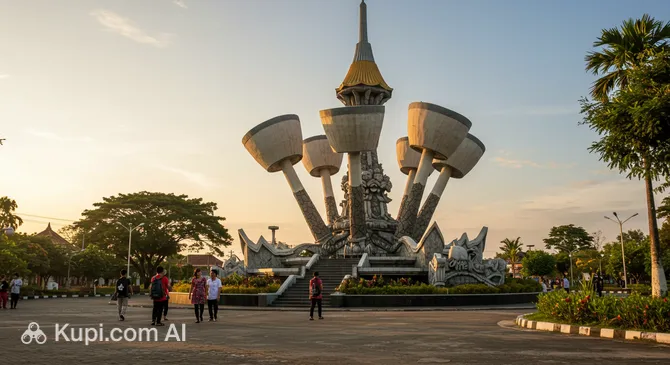
An unusual and memorable symbol of the city is the Gentur Lamp Monument. This monument, designed in the shape of a traditional oil lamp, symbolizes enlightenment and the cultural heritage of the region. It has become a popular photo spot and a reminder of local traditions.

Gentur Lamp Monument. Illustration.
Source: Kupi.com AI

Traveler photos:

For nature lovers and those seeking peaceful relaxation, Prawatasari Park is a perfect fit. This green oasis offers well-kept paths, recreation areas, and playgrounds. The park is a favorite spot for family walks and picnics, allowing a break from the city bustle.

Prawatasari Park. Illustration.
Source: Kupi.com AI

Traveler photos:

Another interesting feature reflecting the region's culinary specialty is the Tauco Monument in Cianjur. Tauco is a fermented soybean paste that is an essential ingredient in local cuisine. The monument emphasizes the significance of this product to Cianjur's gastronomic culture and serves as a reminder of culinary traditions.

Tauco Monument Cianjur. Illustration.
Source: Kupi.com AI

Traveler photos:

Local Cuisine

The gastronomy of Cianjur is a fascinating journey into the world of West Javanese flavors, where culinary traditions are carefully preserved and passed down through generations. One of the main gastronomic highlights of the region is tauco—an aromatic fermented soybean paste that serves as the base for many local dishes, giving them a characteristic rich taste. Another dish definitely worth trying is pepes ikan: fish marinated with an abundance of local herbs and spices and then baked in banana leaves, making it incredibly tender and fragrant. Local chefs often add special spices to this dish, making the flavor even more intense.

In addition to these iconic dishes, Cianjur's cuisine is rich in other traditional Javanese and Sundanese delicacies. Look for ketupat—rice boiled in woven pouches made from young palm leaves, often served with various sauces or as a side dish for satay. Also popular is lemper—sticky rice filled with spicy chicken or fish, wrapped in a banana leaf. Local chefs skillfully use fresh ingredients and unique spice combinations, creating dishes with deep and memorable flavors. Special attention should be paid to local sauces and marinades that can transform even familiar foods.

For drinks in Cianjur, be sure to try the aromatic local tea grown on nearby plantations. It perfectly quenches thirst and complements any meal. Also popular are various freshly squeezed tropical fruit juices (jus buah), such as mango, papaya, or avocado, and the refreshing es kelapa muda—a drink made from young coconut. For those with a sweet tooth, there is es teh manis (sweet iced tea) or bajigur and bandrek—traditional hot drinks based on coconut milk, palm sugar, and spices, especially pleasant in cool weather.

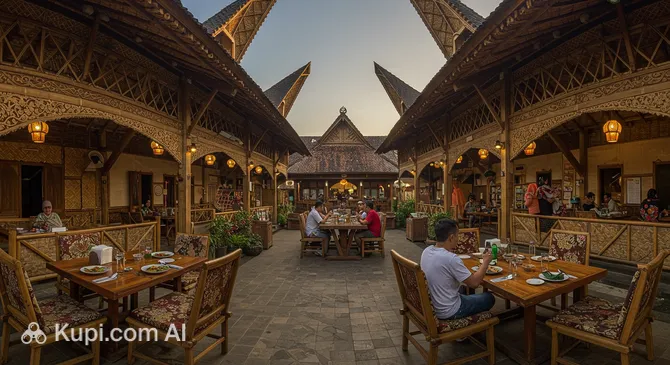
Food culture in Cianjur is diverse. Authentic dishes can be sampled at small family-run eateries (warungs) as well as larger restaurants offering both traditional and modern interpretations of local recipes. For example, you can visit Wizzmie to get acquainted with local cuisine. Street food also plays an important role, offering a wide range of snacks and sweets. Be sure to visit local farmers' markets, where you can not only buy the freshest produce, vegetables, fruits, and spices but also observe the food preparation process and sometimes even participate in culinary workshops.

Wizzmie. Illustration.
Source: Kupi.com AI

Traveler photos:

Cianjur's gastronomic scene attracts tourists with its authenticity, use of fresh local products, and unique flavor combinations. Immersing yourself in the world of local cuisine is a great way to get to know the region's culture. If you're lucky, you might catch one of the gastronomic festivals occasionally held in the city. This is a wonderful opportunity to try the full variety of Javanese and Sundanese cuisine in one place and enjoy the atmosphere of a real Indonesian celebration.

Travel Tips

Planning a trip to Cianjur? Great idea! To ensure your journey through this interesting Indonesian city goes smoothly and leaves only pleasant impressions, we have prepared some practical tips.

  1. Clothing and Essentials:

    The climate in Cianjur, as in all of Indonesia, is tropical, so choose light, breathable clothing made from natural fabrics (cotton, linen). Don't forget comfortable walking shoes, sunscreen, a hat, and insect repellent. For visiting religious sites like mosques, both women and men are recommended to cover their shoulders and knees. Also, bring a universal adapter for electrical appliances (Indonesia uses Type C and F sockets).

  2. Transport in the City:

    The main form of public transport in Cianjur is the "angkot" route taxi and local buses. This is the most budget-friendly way to get around. Taxis and online ride-hailing services like Gojek or Grab are also popular, offering both cars and motorcycle taxis ("ojek")—a quick way to move short distances. Car rental is possible, but keep in mind that traffic can be quite chaotic; renting a scooter might be a more convenient option for independent trips around the area.

  3. Finances: Currency, Cards, and Tipping:

    The local currency is the Indonesian Rupiah (IDR). You can exchange money at banks or official exchange offices; avoid street money changers. Credit cards (Visa, Mastercard) are accepted in large hotels, restaurants, and some shops, but for markets, small cafes, and souvenir stalls, it's better to carry cash. ATMs are fairly common. An approximate daily budget can vary from $20-30 USD for a budget traveler to $50-100 USD and above for more comfortable stays. Tipping is not mandatory but is always welcomed for good service (usually 5-10% of the bill in restaurants or a small amount for porters and drivers).

  4. Health and Safety:

    Before your trip, take out travel medical insurance. Pharmacies (Apotek) are available in the city, but the range of medications may differ from what you are used to, so it's better to bring basic medicines with you. Drink only bottled or boiled water. Cianjur is generally considered a safe city, but as everywhere, basic precautions should be followed: watch your belongings, especially in crowded places, and do not display expensive jewelry or large sums of money. Avoid walking in poorly lit and deserted areas after dark.

  5. Communication and Internet:

    The official language is Indonesian (Bahasa Indonesia). In the West Java province, the Sundanese language is also common. English may be understood in tourist spots, hotels, and among the youth, but overall proficiency is not very widespread. Learn a few basic phrases in Indonesian, such as: "Terima kasih" (thank you), "Selamat pagi/siang/sore/malam" (good morning/afternoon/evening/night), "Permisi" (excuse me). A local SIM card with internet access can be easily purchased at numerous kiosks (a passport is required for registration). Wi-Fi is available in most hotels and many cafes.

  6. Local Etiquette and Traditions:

    Indonesians are friendly and hospitable people. When communicating, it's important to show respect, especially to elders. Use your right hand for greetings (a light handshake), passing items, and eating, as the left hand is traditionally considered "unclean." A smile and politeness will help establish contact. When visiting homes or temples, it is customary to remove your shoes. Try to speak in a calm tone and avoid public displays of anger.

  7. What to Avoid:

    Do not point at people with your finger—it is considered rude. It's better to use the thumb of your right hand with other fingers folded or your entire palm. Also, avoid open criticism of local customs, religion, or authorities. Remember that public displays of strong negative emotions, such as anger, are considered unacceptable and can lead to a "loss of face."

  8. Cianjur Specialty:

    Cianjur is known for its high-quality rice, called "Beras Cianjur." Be sure to try local dishes prepared with this rice. The city is also a gateway to some of West Java's natural beauties, such as tea plantations and mountain landscapes. Don't miss the chance to enjoy authentic Sundanese cuisine, famous for its fresh vegetables and aromatic spices.

We hope these tips help you better prepare for your trip to Cianjur and enjoy every moment of your stay in this unique corner of Indonesia. We wish you unforgettable impressions and brilliant discoveries!

Entertainment & Nightlife

In the evening, Cianjur offers its guests a cozy and mostly peaceful atmosphere to relax after a busy day. Although the city is not famous for wild 24-hour parties like the major metropolises of Indonesia, you can find pleasant places to spend the evening, enjoy local cuisine, or socialize with friends.

The main focus of evening entertainment in Cianjur is on karaoke bars and restaurants. One popular spot for singing enthusiasts is Sky Karaoke & Gadangholic, where you can book a private room for your group. The atmosphere here is usually lively, especially on weekends. The dress code is generally smart casual. Many restaurants also stay open until late evening, offering guests both local and international dishes. For example, you can check out Wizzmie or try local specialties at Bakso Sejahtera. There are no specialized nightlife districts with many clubs in Cianjur; entertainment is more spread out.

Sky Karaoke & Gadangholic. Illustration.
Source: Kupi.com AI

Traveler photos:

When planning your evening leisure, keep in mind that most venues start filling up towards the evening, especially on Fridays and Saturdays. Prices in local bars and restaurants are usually moderate. For getting around the city at night, it is recommended to use taxis; you can use local taxi companies or order a car through popular mobile apps in Indonesia. While Cianjur is generally considered a safe city, you should always take standard precautions: avoid poorly lit and deserted streets, especially if walking alone.

During the day, there is also plenty to do in Cianjur. Visitors can head to Cianjur City Square, see the Tauco Monument or the Gentur Lamp Monument. For outdoor walks, Cianjur City Park or Prawatasari Park are excellent choices. If you're interested in shopping, you can visit Citimall Cianjur 2. These places will help you get to know the city and its culture better before diving into its evening life.

Parks & Museums

Cianjur offers its guests both pleasant green corners for outdoor relaxation and interesting sites that introduce its culture and history. While the city may not have many traditional museums, its heritage is reflected in its monuments and architectural structures.

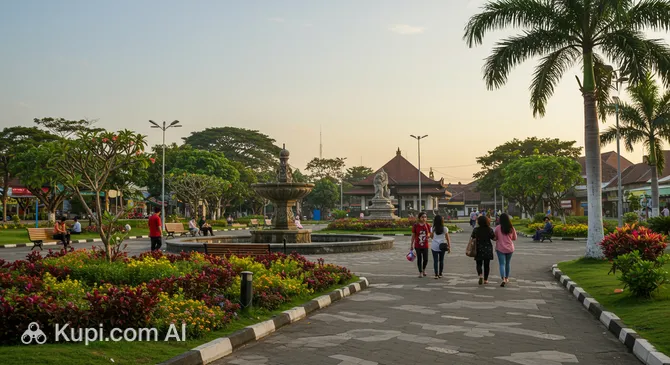
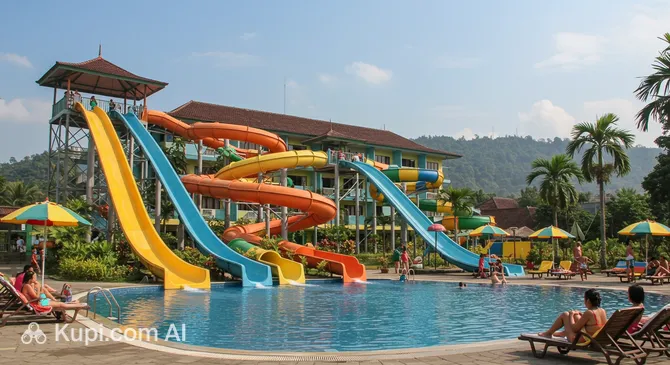
For lovers of nature and peaceful rest, there are several notable places in Cianjur. Cianjur City Park is a popular spot among locals and tourists, offering space for walking and relaxation. Another green zone, Prawatasari Park, also provides opportunities for leisure in nature. If you are looking for active recreation with water activities, you should check out The Jhon's Aquatic Park & Resort, which combines elements of a water park and a resort area.

Cianjur City Park. Illustration.
Source: Kupi.com AI

Traveler photos:

The Jhon's Aquatic Park & Resort. Illustration.
Source: Kupi.com AI

Traveler photos:

You can immerse yourself in the city's history and culture by visiting its iconic landmarks. An important historical site is the Tauco Monument in Cianjur, which holds significance for local identity. Also noteworthy is the Gentur Lamp Monument, another symbolic monument of the city. The majestic Great Mosque of Cianjur represents not only a religious center but also an important architectural site showcasing local craftsmanship.

The center of social life and the venue for various events is often Cianjur City Square. This is a great place to observe the daily life of the residents. For more authentic experiences, take a walk through the city's less busy streets, where you can see the local way of life and perhaps find small local cafes or shops.

Getting Around

Getting around Cianjur can be done in several ways, and public transport here is mainly represented by route taxis and motorcycle taxis. This is a fairly typical system for cities of this size in the region, making it relatively easy to reach necessary points.

The main form of public transport in Cianjur is angkot (route taxis). These are small minibuses that run on set routes. Each route usually has its own color or license plate. Payment is made in cash directly to the driver upon boarding or exiting; the fare is low and depends on the distance. To stop an angkot, simply wave your hand, and to get off, notify the driver in advance.

Another popular way to get around, especially for short distances or to bypass traffic jams, is the ojek (motorcycle taxi). You can easily find ojek drivers on the streets or order them through mobile apps popular in Southeast Asia, such as Gojek or Grab. The apps are convenient because the cost of the trip is known in advance, and payment can be made either in cash or by card through the app. If you take an ojek "from the street," it's better to agree on the price before the trip starts.

Regarding the payment system, for angkots and traditional ojeks, you will need cash, preferably in small denominations. In ride-hailing apps, payment by card or through electronic wallets linked to the app is available. Specialized transit cards for public transport in Cianjur generally do not exist.

Practical tips for tourists:

  • Always carry small cash for paying fares in angkots.
  • If using a traditional ojek, agree on the fare in advance.
  • Mobile transport apps (Gojek, Grab) offer more predictable prices and payment convenience. Ensure you have a local SIM card or Wi-Fi access to use them.
  • Public transport usually operates from early morning until evening. At night, the number of angkots and ojeks may be limited.

As an alternative to public transport, taxi services are always available. They can also be ordered through the mentioned mobile apps (e.g., GoCar in the Gojek app or GrabCar in Grab), which is the most convenient and safe option. Regular taxis are also present, but they can be harder to find, and you should ensure the driver turns on the meter or agree on a price beforehand. Car-sharing or formal bike rental services are less common or non-existent in Cianjur.

There are no unique or historical types of transport, such as an old metro or cable cars, in Cianjur. The city's transport system is focused on practicality and the daily needs of its residents.

Accommodation

When planning a trip to Cianjur, you will find a variety of accommodation options to suit different preferences and budgets. The city offers everything from budget guesthouses and hostels to more comfortable mid-range hotels and resort complexes offering an expanded range of services.

When choosing a place to stay, it's worth looking at areas closer to the city center or main transport hubs, which will provide easy access to attractions and convenient travel. Although Cianjur may not have clearly defined tourist hotel zones, many housing options are within easy reach of places like Cianjur City Square or the Great Mosque of Cianjur.

Among the notable options is The Jhon's Aquatic Park & Resort, which offers not only accommodation but also entertainment on its grounds. Overall, choices range from simple guesthouses to hotels with higher levels of service.

It is recommended to book accommodation in advance, especially if your trip coincides with peak tourist season or local holidays, to ensure the best selection and prices. The price range can vary from budget options to mid-range and higher-end offers. Most hotels and guesthouses can be booked through popular online booking platforms or directly by contacting the management.

Nearby Cities

For those eager to explore the surroundings, Cianjur serves as a convenient starting point for exciting day trips to nearby cities and attractions.

Cities such as Bogor, famous for its magnificent Botanical Garden and refreshing mountain climate, and Bandung deserve special attention. As the capital of West Java, Bandung beckons travelers with its colonial architectural charm, excellent shopping opportunities, and breathtaking volcanic landscapes in its vicinity. For your convenience, below is a list of some cities that might be interesting for short trips from Cianjur:

CityPopulationDistance
Cipanas15 43516 km
Sukabumi320 97026 km
Padalarang184 18237 km
Cimahi586 58045 km
Bogor1 030 72045 km

Trips to these cities and their surrounding areas will allow you to deeper engage with the rich culture, history, and diverse landscapes of the West Java province in Indonesia.

Shopping & Souvenirs

While Cianjur may not be a major shopping destination in Indonesia, it offers tourists the chance to purchase local goods and souvenirs and experience an authentic trading atmosphere. The city is known for its agricultural products, especially "Pandanwangi" rice and fermented soybean paste "Tauco," which is reflected in the assortment of local shops and markets.

The main shopping points in Cianjur are concentrated along the main streets and near market squares. Here you can find small shops offering everyday goods, clothing, and stalls with local delicacies. For a more modern shopping experience, you should look toward the shopping malls.

One of the notable shopping centers in the city is Citimall Cianjur 2. Here, visitors will find a variety of clothing, electronics, and home goods stores, as well as a food court and entertainment zones. This is a good place for those who prefer comfortable shopping under one roof.

Citimall Cianjur 2. Illustration.
Source: Kupi.com AI

Traveler photos:

Traditional markets (pasars) play an important role in the commercial life of Cianjur. You can buy fresh fruit, vegetables, spices, local sweets, and handicrafts there. Visiting such a market is an excellent opportunity to dive into the local culture and find unique products. Although specific markets are not always tourist-oriented, they offer an authentic experience.

As souvenirs from Cianjur, consider local products. Tauco—the fermented soybean paste that is the culinary pride of the region—is particularly popular (there is even a Tauco Monument in the city). You can also look at handicrafts, batik, and traditional snacks. Pandanwangi rice, known for its aroma, can also make a great gastronomic souvenir.

Shops in Cianjur are usually open in the morning (from about 9:00-10:00) and operate until evening (20:00-21:00). Shopping malls generally have longer hours, often until 22:00. At the markets, trading begins early in the morning. Cash in Indonesian Rupiah (IDR) is accepted in most small shops and markets. In shopping malls and large stores, you can pay with bank cards.

Regarding tax refunds (Tax Free), Indonesia has a VAT Refund for Tourists system for foreign tourists on certain goods purchased in participating stores. Check the possibility of a tax refund and conditions directly at the points of purchase or at the airport when departing the country.

Reached the end of the page?

That means the route is fully explored