Support

Purwakarta

About

Purwakarta is a charming city nestled on the island of Java, in the heart of West Java province, Indonesia. It is picturesquely spread among green hills and emerald rice terraces, surrounded by lush tropical forests and impressive volcanic landscapes. Due to its favorable location between Jakarta and Bandung, Purwakarta often becomes an attractive stop for travelers wishing to explore Java away from the hustle and bustle of major metropolises.
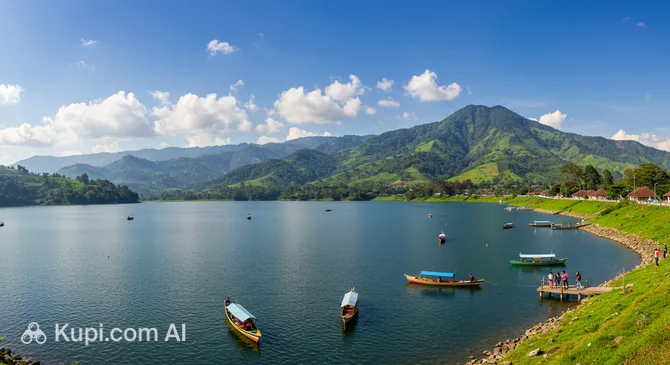
Purwakarta. Illustration.
Source: Kupi.com AI

Purwakarta is home to about 179,000 people. The city is the administrative center of the regency of the same name and plays a significant role in the cultural and economic life of the region. Here, modern infrastructure harmoniously intertwines with a carefully preserved traditional way of life, giving Purwakarta a special appeal for those seeking an authentic atmosphere of the Indonesian province.

Purwakarta is famous for its sincere hospitality and a calm, measured pace of life, which favorably distinguishes it from larger cities. Tourists are attracted by peaceful views, rich local culture, and many opportunities for active outdoor recreation. Among the unique features of the city is the opportunity to get acquainted with authentic local traditions and enjoy the magnificent natural landscapes that surround Purwakarta on all sides.

A trip to Purwakarta is a wonderful opportunity to discover Indonesia from a different, less explored side. Here, you can immerse yourself deeper into the daily life of locals, try authentic Javanese dishes, and enjoy a unique atmosphere where the past and present coexist harmoniously at every step. Purwakarta hospitably awaits travelers ready to discover its unique treasures.

You can find more interesting facts on the Purwakarta city history page.
Weather Overview

In Purwakarta, a warm and humid climate prevails throughout the year. Expect consistently high temperatures: average monthly indicators fluctuate from 25.8°C (February) to 27.5°C (October), with daytime maximums often reaching 28-32°C and night minimums rarely dropping below 21-23°C. The rainy season usually falls between November and April, when the highest amount of precipitation occurs (8-11 mm per month) and up to 29 rainy days are observed. The drier season lasts from June to September, with minimum precipitation in August (about 1 mm) and fewer rainy days (8-17). For more details, see Purwakarta's climate.

Average monthly temperature

Average monthly precipitation

Interesting Facts

Purwakarta, nestled on the island of Java, is not only about picturesque landscapes and modern districts. The city holds many fascinating secrets and little-known details that make getting to know it even more interesting.

  • The surroundings of Purwakarta are the gateway to the active volcanoes of Java. Exciting trekking routes to craters and mountain lakes start from here, where you can catch the sunrise over a sea of clouds – a sight that stays in memory for a lifetime.

  • In the city's vicinity, traditional villages still exist where time seems to have stopped. Local residents carefully preserve ancient customs, hold colorful festivals, and proudly demonstrate unique crafts such as skillful wood carving, weaving, and the creation of original national musical instruments.

  • The famous Jatiluhur Lake, one of the region's hallmarks, is much more than just a source of water and energy. For locals and tourists, it is a favorite spot for picnics, fishing, and various water activities, offering a respite from the city's hustle.

  • Purwakarta regularly comes alive with unique cultural festivals. These are not just holidays, but an opportunity to immerse yourself in an authentic atmosphere: see mesmerizing traditional dances, hear ancient legends passed down from mouth to mouth, and, of course, try local dishes prepared according to recipes kept for centuries.

Sri Baduga Fountain Park. Illustration.
Source: Kupi.com AI

Traveler photos:

How to Get There

Purwakarta is most conveniently reached by air through one of the nearest airports, as there is no airport in the city itself. The main air gateways serving this region are located in Jakarta and Bandung.

The nearest to Purwakarta is Husein Sastranegara Airport (BDO), located in the city of Bandung, about 42 km away. This is a medium-sized airport serving both domestic and some international flights. From Husein Sastranegara Airport to Purwakarta, you can travel by taxi or bus in about 1.5 hours, depending on traffic conditions.

Another convenient option is to fly into one of the airports in Indonesia's capital, Jakarta. Halim Perdanakusuma Airport (HLP), located in Jakarta, is about 68 km from Purwakarta. This is a major airport from which numerous flights also operate. The trip from Halim Perdanakusuma Airport to Purwakarta will take about 2 hours by car.

The country's main international airport, Soekarno-Hatta International Airport (CGK), is also located in Jakarta, at a distance of about 99 km from Purwakarta. It is one of the busiest airports in Southeast Asia, receiving flights from all over the world. Transfer from Soekarno-Hatta International Airport to Purwakarta can take from 2.5 to 3 hours by taxi or bus, depending on traffic.

Additionally, Purwakarta has good road connections with major cities on Java, so you can also get here by intercity bus or a rental car, which can be a convenient option for those traveling around the island.

For convenience, here is summary information on the main airports through which you can reach Purwakarta:

AirportPassenger trafficDistance
Husein Sastranegara Airport3.8 mln42 km
Halim Perdanakusuma Airport3.8 mln68 km
Kertajati International Airport413 24080 km
Soekarno-Hatta International Airport51.0 mln99 km
Radin Inten II Airport1.1 mln289 km

Main Attractions

Purwakarta, a charming city in West Java province, offers its guests several interesting places to visit. Among them are both modern entertainment complexes and sites that reflect the culture and history of the region.

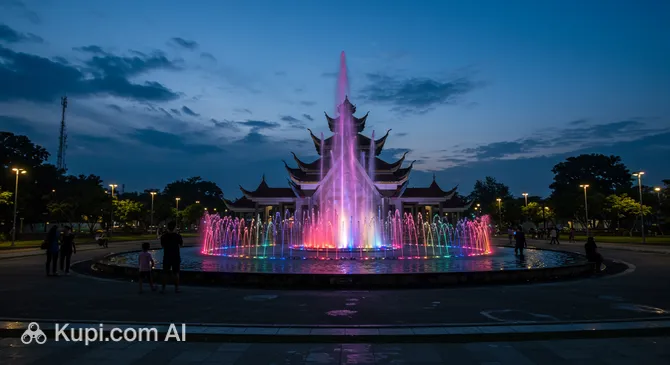
One of the main attractions of Purwakarta is the Sri Baduga Fountain Park. It is the largest fountain complex in Southeast Asia, which is especially impressive in the evenings when colorful light and music shows take place here. Visitors can enjoy the water performances, stroll through the well-kept park area, and take striking photos. It is an excellent place for family vacations and evening walks.

Sri Baduga Fountain Park. Illustration.
Source: Kupi.com AI

Traveler photos:

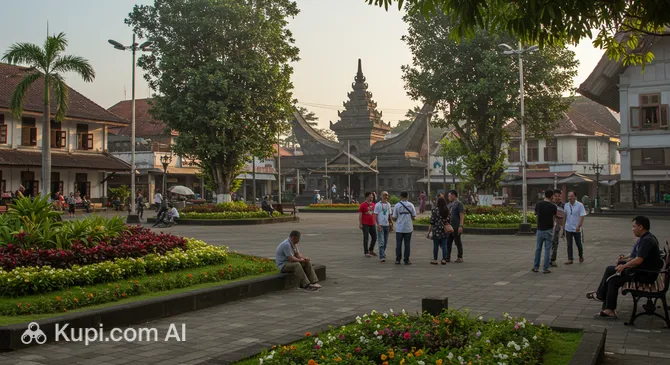
In the very heart of the city is Alun-Alun Purwakarta – the central square, which serves as a meeting and relaxation spot for locals and tourists. Various events and festivals are often held here. The square is surrounded by important administrative buildings and is a popular place to feel the rhythm of urban life, rest on a bench, or try street food.

Purwakarta Town Square. Illustration.
Source: Kupi.com AI

Traveler photos:

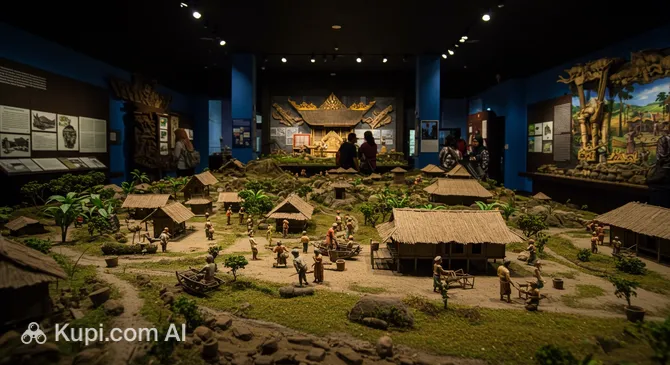
For those interested in the history and culture of Indonesia, the Bale Panyawangan Diorama Nusantara is a must-visit. This museum is an interactive exhibition telling the story of the Nusantara archipelago using modern technologies, including digital dioramas and audiovisual effects. It is an informative and fascinating place for visitors of all ages.

Bale Panyawangan Nusantara Diorama. Illustration.
Source: Kupi.com AI

Traveler photos:

Local Cuisine

The cuisine of Purwakarta is a true gastronomic adventure that will delight every gourmet. The main star of local culinary art is undoubtedly sate maranggi – juicy beef skewers marinated in a unique blend of spicy herbs and grilled to perfection over hot coals. This dish is usually served with spicy sambal sauce and fresh vegetables, and its rich flavor stays in memory for a long time.

Beyond the famous sate, Purwakarta is known for its street food. In bustling markets and small eateries (warungs), you can try aromatic chicken noodles (mie ayam), various rice cakes, and delicious sweets based on coconut and rice. To warm up on a cool evening or simply enjoy the local flavor, be sure to order bandrek – a traditional hot drink made of ginger, cinnamon, palm sugar, and other spices. Among non-alcoholic beverages, es campur – a refreshing cold dessert drink with fruit pieces, jelly, and sweet syrup – is also popular.

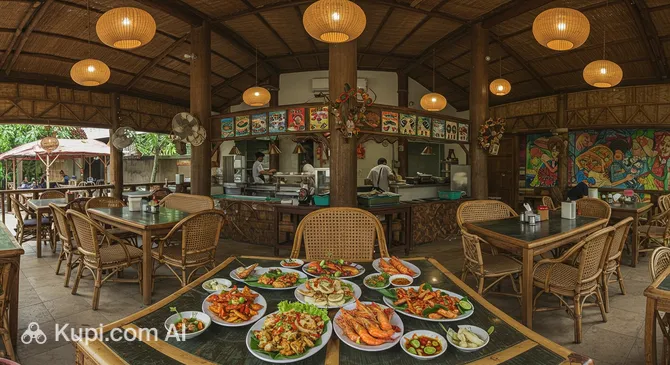
Radja Seafood Purwakarta. Illustration.
Source: Kupi.com AI

Traveler photos:

The food culture in Purwakarta is very diverse. Local residents often prefer to eat in small family cafes or enjoy street food, which is characterized here by high quality and affordability. Tourists will also find many restaurants offering both traditional Indonesian dishes and more familiar European cuisine. For example, to taste fresh seafood, you can visit the Radja Seafood Purwakarta restaurant. City markets are not only a place to buy fresh products but also a great opportunity to dive into the atmosphere of local life and try authentic dishes.

Purwakarta's gastronomic scene attracts with its authenticity and diversity. Culinary festivals are often held here, where you can get acquainted with the full variety of local cuisine, try rare delicacies, and even observe the process of their preparation. Local farmers' markets, abounding in fresh fruits, vegetables, spices, and homemade sauces, deserve special attention and will make an excellent souvenir from your trip through Indonesia.

Travel Tips

Welcome to Purwakarta! To ensure your journey through this interesting city in Indonesia goes smoothly and leaves only pleasant impressions, we have prepared some practical tips for you. They will help you feel more confident and enjoy the hospitality of West Java.

  1. Clothing and Essentials: What to bring?

    In Purwakarta, as in all of Indonesia, a tropical climate prevails – hot and humid year-round. Bring light, breathable clothing made of natural fabrics (cotton, linen). Don't forget sunscreen, a hat, and sunglasses. Comfortable shoes are your best friend for walking. For electronics, you will need a universal adapter (type C and F sockets are used in Indonesia). When visiting religious sites like mosques, dress modestly: clothes should cover shoulders and knees, and women may need a headscarf.

  2. Transport: How to get around the city?

    The main types of public transport in Purwakarta are "angkots" (minibuses on set routes) and "ojeks" (motorbike taxis). These are the most affordable ways to travel short distances. For more comfort, you can use taxi services by ordering them through popular Indonesian apps like Gojek or Grab. Renting a car can be an option if you plan to explore the surroundings, but keep in mind that traffic can be quite chaotic.

  3. Finances: Currency, cards, and tipping

    The local currency is the Indonesian Rupiah (IDR). It is best to change money at banks or official exchange offices; the rate at the airport is usually less favorable. Credit cards (Visa, Mastercard) are accepted in large hotels, restaurants, and some shops, but cash is indispensable for shopping at markets, in small cafes, and for paying for public transport. ATMs are quite common. Tipping is not mandatory but is always welcome for good service (usually 5-10% in restaurants).

  4. Health and Safety: What to remember?

    Pharmacies (Apotek) are available in the city, some may work 24/7 (Apotek 24 Jam). It is recommended to carry a basic set of medications. Be sure to arrange medical insurance before your trip. Drink only bottled water. Overall, Purwakarta is a fairly safe city, but standard precautions won't hurt: keep an eye on your belongings, especially in crowded places, and avoid walking in poorly lit areas after dark.

  5. Communication: Language, internet, and useful phrases

    The official language is Indonesian (Bahasa Indonesia). In West Java province, the Sundanese language is also common. English is understood in tourist areas, hotels, and among the youth, but not everywhere. Learn a few simple phrases: "Selamat pagi/siang/sore/malam" (Good morning/day/afternoon/evening), "Terima kasih" (Thank you), "Berapa harganya?" (How much does it cost?). A local SIM card with internet access can easily be bought upon arrival (a passport is required for registration). Wi-Fi is available in most hotels and many cafes.

  6. Local Etiquette: Respecting traditions

    Indonesians highly value politeness and respect. Greet people with a smile and a light nod. When communicating, try not to raise your voice. Always use your right hand for passing or receiving items, and also for eating if eating with your hands (the left hand is considered unclean). It is customary to remove shoes before entering a home or a mosque. Showing respect for local customs will open the hearts of Purwakarta's residents.

  7. What to avoid?

    To avoid misunderstandings and not offend local residents, try not to publicly criticize religion, local traditions, or customs. It is also considered impolite to touch another person's head, as the head is considered a sacred part of the body. Avoid excessively open public displays of affection – this is not customary in the local culture.

  8. Additional Tip: Local highlights

    Purwakarta is known for its impressive Sri Baduga Maharaja (Taman Air Mancur Sri Baduga) fountain, located on Situ Buleud Lake. This is one of the largest fountain shows in Southeast Asia. Check the performance schedule in advance – this spectacle is really worth seeing! Also, don't miss the chance to try local Sundanese cuisine, which is famous for its fresh vegetables, rice, and aromatic spices.

We hope these tips help you better prepare for your trip and enjoy every moment of your stay in hospitable Purwakarta. We wish you an unforgettable journey and bright impressions!

Entertainment & Nightlife

Evening and nightlife in Purwakarta offer a calm and authentic experience, distinct from the bustle of major tourist centers. Here, you are more likely to find cozy places for dinner and conversation than noisy nightclubs. The atmosphere is conducive to relaxed rest and getting to know the local culture.

Main evening activities are concentrated in the central areas of the city, especially lively at the main square, such as Alun-Alun Purwakarta, where locals gather for walks and socializing. It is also worth paying attention to streets with restaurants and cafes. Sometimes night markets (pasar malam) operate in the city, offering local delicacies and goods – this is an excellent opportunity to dive into the daily life of Indonesians.

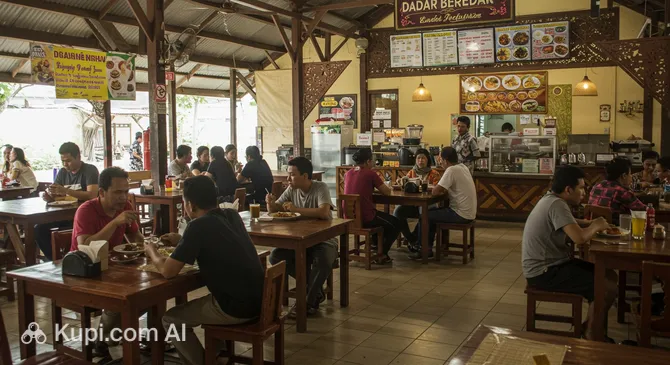
In Purwakarta, the emphasis is shifted towards gastronomic pleasures and a quiet pastime. You will find many restaurants and cafes operating until late evening. For a pleasant dinner, consider establishments such as Radja Seafood Purwakarta, serving fresh seafood, or the Dadar Beredar restaurant, offering local cuisine. There are few specialized nightclubs and large concert venues here; evening life is more oriented towards family vacations and meetings with friends.

Dadar Beredar. Illustration.
Source: Kupi.com AI

Traveler photos:

Of special note is the Sri Baduga Fountain Park, which in the evenings, especially on weekends, can delight visitors with colorful water shows. This is a popular spot for both tourists and locals for evening strolls.

The atmosphere in Purwakarta's establishments is generally laid-back and friendly. The dress code is usually casual unless you are visiting a high-end restaurant. Most places come alive towards the evening, especially on weekends. Prices in cafes and restaurants are mostly affordable.

For getting around the city at night, it is recommended to use taxis or the popular ride-hailing services for motorbikes and cars via apps (such as Gojek or Grab). This is convenient and relatively safe. Try to choose well-lit streets for walking and be mindful of your belongings. Overall, Purwakarta is considered a quite safe city, but standard precautions are always wise.

During the day, Purwakarta also offers interesting leisure options. You can visit the Bale Panyawangan Diorama Nusantara to learn more about the region's history and culture. For shopping, you can stop by the Yogya Purwakarta Department Store. City parks are also perfect for daytime walks and relaxation.

Parks & Museums

Purwakarta offers its guests a pleasant combination of green relaxation zones and places where you can touch the culture and history of the region. The city carefully preserves its heritage, offering both modern park spaces and informative cultural sites.

One of the most popular places for walking and relaxation is Sri Baduga Fountain Park. This extensive park attracts visitors with its picturesque landscapes and, of course, impressive fountains, which are especially beautiful in the evening with lighting. It is a great place for family vacations, romantic walks, and enjoying fresh air.

Another iconic green space is Alun-Alun Purwakarta. This is the traditional city square, which often serves as the heart of social life. Here, you can observe the daily bustle of townspeople, rest in the shade of trees, or attend local events and festivals frequently held in this spacious square. For tourists, it is a wonderful opportunity to feel the rhythm of the city.

For those interested in the history and culture of Indonesia, the Bale Panyawangan Diorama Nusantara is a mandatory stop on the program. This unique cultural site offers a fascinating journey through the history of the archipelago using detailed dioramas. They visually represent key events, cultural features, and traditions of various eras and regions of the country, making Indonesia's history accessible and interesting for visitors of all ages. In Purwakarta, this is arguably the main site for such a deep dive into history; other cultural spaces may be represented by small thematic exhibitions or local craft centers, but it is the Bale Panyawangan Diorama Nusantara that offers the most comprehensive overview of the heritage.

In addition to specially equipped parks and cultural centers, in Purwakarta, you can find interesting examples of architecture reflecting various historical periods. A stroll through the central streets will allow you to notice buildings with elements of colonial style, as well as traditional Indonesian structures, which together create a unique cityscape. Pay attention to the old mosques and administrative buildings – many of them hold their own fascinating stories.

To immerse yourself deeper into the local atmosphere, do not limit yourself only to well-known attractions. Look into Purwakarta's bustling traditional markets – it is not only a chance to buy fresh fruit or unique souvenirs but also an opportunity to observe the authentic life of the city. Also, be sure to try local street food dishes to get acquainted with the culinary traditions of West Java.

Getting Around

Public transport in Purwakarta is mainly represented by route taxis, known as "angkots" (angkot), and traditional taxis. The city does not have a metro, tram, or trolleybus system. Angkots run on specific routes, often designated by color or number, and are a popular and affordable way of moving around for local residents.

The payment system in angkots is very simple: the fare is paid in cash directly to the driver upon exit or entry. The fare is usually low and depends on the distance. There are typically no special travel cards or apps for angkots. It is recommended to have small bills for ease of payment. For longer distances or more comfort, you can use traditional taxis or motorbike taxis (ojek).

Tourists planning to use angkots should check the route beforehand with locals or the driver, as information about them is not always available digitally. Angkots can be stopped practically anywhere along their route. Public transport operating hours usually cover the daytime, with a decrease in frequency during evening hours. There is no ticket validation as such, since payment is made in cash.

As an alternative to public transport in Purwakarta, online ride-hailing services for taxis and motorbike taxis, such as Gojek and Grab, are widely distributed. These apps allow you to easily order transport, see the estimated cost of the trip, and pay by card or cash. This is often the most convenient option for tourists, especially those not familiar with local angkot routes. Car-sharing services or a developed bike-sharing network are less common in the city.

Accommodation

In Purwakarta, tourists can find various accommodation options to suit different budgets and preferences. Mostly, mid-range hotels and more budget-friendly guest houses or small inns are represented here. While there may be few world-class luxury resorts, comfortable and clean accommodation is available for most travelers.

When choosing a place to stay in Purwakarta, it is worth paying attention to areas located near major transport interchanges or the attractions you are interested in, such as Sri Baduga Fountain Park or Alun-Alun Purwakarta. This will save time on moving around the city. Central areas usually offer more options and convenient access to shops and restaurants.

The price range for accommodation in Purwakarta varies from budget to mid-range. It is recommended to book your stay in advance, especially if your trip coincides with the peak tourist season or local holidays, to guarantee availability and the best prices. The most common booking methods are popular online platforms and, in some cases, contacting the hotel directly.

Nearby Cities

For those who want to explore the surrounding area, Purwakarta serves as an excellent starting point for day trips to several interesting nearby locations:

CityPopulationDistance
Karawang307 88031 km
Padalarang184 18234 km
Subang139 04636 km
Cimahi586 58039 km
Cianjur174 58746 km

These nearby destinations allow you to gain insight into the diverse culture and landscapes of the region.

Shopping & Souvenirs

Purwakarta offers tourists diverse shopping opportunities, combining modern shopping centers with traditional markets and local shops. Although the city is not a major fashion hub, here you can find interesting souvenirs, products by local craftsmen, and high-quality everyday goods. Batik products and traditional snacks are particularly popular.

The main retail outlets in Purwakarta are concentrated along the city's main streets, as well as near major transport hubs and residential areas. Here you can find both individual shops and small trading rows offering clothing, shoes, electronics, and household goods. For more concentrated shopping, it's worth visiting local shopping centers.

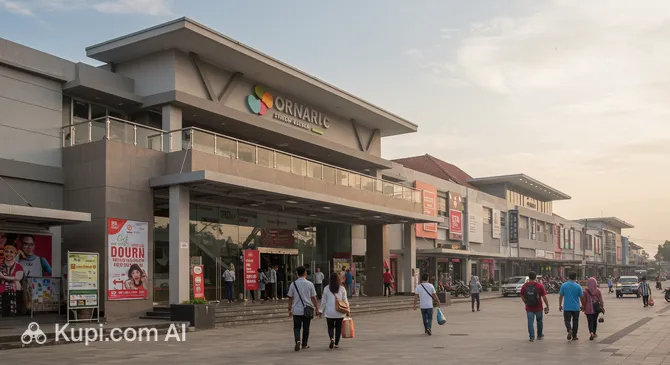
Among the shopping centers, Yogya Purwakarta Department Store stands out, offering a wide range of goods from food and clothing to electronics and household items. Another popular spot is Tokma Cimaung Purwakarta, where you can also find various shops and cafes.

Yogya Department Store Purwakarta. Illustration.
Source: Kupi.com AI

Traveler photos:

Although there are no specific markets in the provided list, traditional Indonesian markets (pasars) are an integral part of local life. In Purwakarta, as in other cities in Indonesia, at such markets you can find fresh fruit, vegetables, spices, local delicacies, as well as inexpensive clothing and souvenirs. Visiting a local market is a great way to immerse yourself in the city's atmosphere and observe the daily life of its residents.

As souvenirs from Purwakarta, it is worth bringing back batik items (clothing, tablecloths, scarves), wooden crafts, as well as local sweets and snacks, such as "simping" (thin crispy crackers) or "dodol" (sweet toffee made of rice flour and coconut milk). You can also look out for handmade ceramic items if you encounter them.

Most shops and shopping centers in Purwakarta operate daily, usually from 10:00 to 21:00 or 22:00. Markets typically open early in the morning and close after lunch. Large stores and shopping centers accept credit cards, however, in markets and small shops, cash (Indonesian Rupiah) is preferred. It is recommended to always carry some cash with you.

The possibility of a tax refund (Tax Free) for tourists in Indonesia exists, but it usually applies to large purchases made in authorized shops in major tourist centers and international airports. In Purwakarta, this service may be less common, so when making significant purchases, it is worth checking Tax Free information directly with the seller.

Reached the end of the page?

That means the route is fully explored