Support

Subang

About

Subang is a charming city where Indonesia reveals a new and surprising side. Located in the heart of West Java province, about 120 kilometers east of Jakarta, Subang is nestled among picturesque hills, emerald tea plantations, and traditional rice terraces. Situated at an altitude of about 100 meters above sea level, the city welcomes its guests with a mild climate and refreshing air, which is especially pleasant in the morning hours.
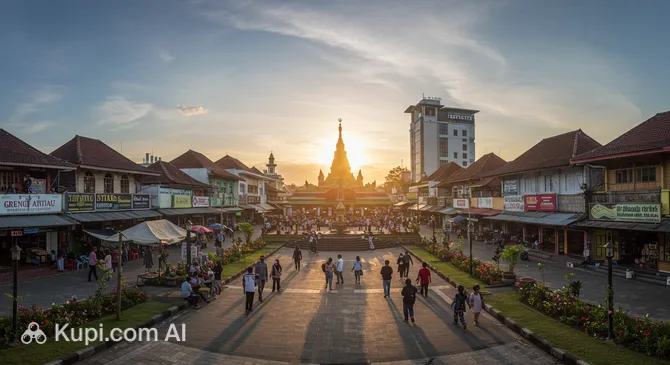
Subang. Illustration.
Source: Kupi.com AI

With a population of around 139,000, Subang is not a bustling metropolis, yet it is far from a quiet provincial town. It is an important administrative center of the district of the same name, known for its hospitality and calm, friendly atmosphere. The city streets are filled with the aromas of local spices, the sounds of traditional music, and the genuine smiles of residents, creating a unique local flavor.

What makes Subang particularly attractive to travelers is its unique combination of natural wealth and cultural traditions. The city offers a glimpse into the real Java, away from the main tourist routes. Here you can enjoy the beauty of tea plantations, relax in hot springs, or explore vibrant local markets where authentic life is in full swing. Subang is a place where modern cafes harmoniously coexist with centuries-old traditions.

If you are looking for an opportunity to immerse yourself in authentic Indonesian culture, enjoy nature, and gain a unique experience communicating with locals, Subang will be a true discovery for you. This city is perfect for family travel, gastronomic tours, and for those who appreciate ecotourism. Visit Subang to discover another Java, full of tranquility and vivid impressions.

You can find more interesting facts on the Subang city history page.
Weather Overview

The weather in Subang is characterized by stable high temperatures throughout the year. The average annual temperature hovers around 26-28°C, while maximum values can reach 32.7°C in September, and minimums rarely drop below 21.9°C, as seen in July. Expect a warm and humid climate with heavy rainfall, especially from November to April, when the number of rainy days can reach 31 per month, with a rainfall level of 12 mm. The drier season falls between May and October, with the least rainfall in July and August (around 1 mm).

To get more detailed information about weather conditions, you can check the detailed forecast on the Subang Climate page.

Average monthly temperature

Average monthly precipitation

Interesting Facts

In addition to its well-known attractions, Subang holds many amazing stories and features that make it truly unique. Ready to learn a few of them?

  • Subang is famous for its natural wonder — the Sari Ater hot spring. Legends say these thermal waters possess healing properties and have been used for centuries by locals for rejuvenation and restoration. Bathing in the spring has become an integral part of the local culture.

  • The city is surrounded by vast tea plantations established back in the Dutch colonial era. To this day, famous Indonesian tea is grown here, and walking through the emerald hills covered with tea bushes offers not only aesthetic pleasure but also the chance to enjoy stunning views of the surrounding mountains and valleys.

  • Subang is the birthplace of a unique cultural event — the annual Rice Festival. This bright and colorful celebration is when residents thank nature for the harvest. The festival is accompanied by grand processions, traditional dances, musical performances, and tastings of local cuisine, allowing guests to immerse themselves in the atmosphere of ancient Javanese traditions.

  • In the ancient markets of Subang, you can still hear many local legends. One of them tells of spirits guarding the hot springs. According to belief, these spirits bring luck and prosperity to those who treat nature with respect and honor the traditions of this amazing land.

How to Get There

The most convenient way to reach the city of Subang, located in West Java province, is by air through one of several nearby airports. Although Subang itself does not have its own major airport, several important transport hubs are within a reasonable distance, from where you can continue your journey by car or bus.

The nearest to Subang is Husein Sastranegara Airport (IATA: BDO), located in the city of Bandung, about 43 km away. This airport serves both domestic and some international flights. A trip from Bandung airport to Subang by taxi or rented car will take about 1 hour and 25 minutes, depending on traffic conditions.

Another convenient option is Kertajati International Airport (IATA: KJT), located in Majalengka, about 44 km from Subang. This is a relatively new and modern international airport that is gradually expanding its route network. The journey from Kertajati to Subang will take about 1 hour and 30 minutes.

For travelers arriving from further away, the main point of entry into the country is often Soekarno-Hatta International Airport (IATA: CGK) in Jakarta. It is Indonesia's largest and busiest airport, offering a huge number of international and domestic flights. It is located approximately 132 km from Subang. A trip from Soekarno-Hatta to Subang can take between 3 and 4 hours by car, depending on traffic, especially when leaving Jakarta.

For clarity, here is summary information on the main airports through which you can reach Subang:

AirportPassenger trafficDistance
Husein Sastranegara Airport3.8 mln43 km
Kertajati International Airport413 24044 km
Halim Perdanakusuma Airport3.8 mln102 km
Soekarno-Hatta International Airport51.0 mln132 km
Achmad Yani International Airport2.3 mln292 km

There is no direct rail connection to Subang. After arriving at one of the mentioned airports, the onward journey to Subang can be continued by taxi, rental car, or by using local bus operators that connect the major cities in the region.

Main Attractions

Subang, located in West Java province, offers its guests several interesting places that will help them get to know the city better and have a pleasant time. These include both entertainment complexes and cultural sites.

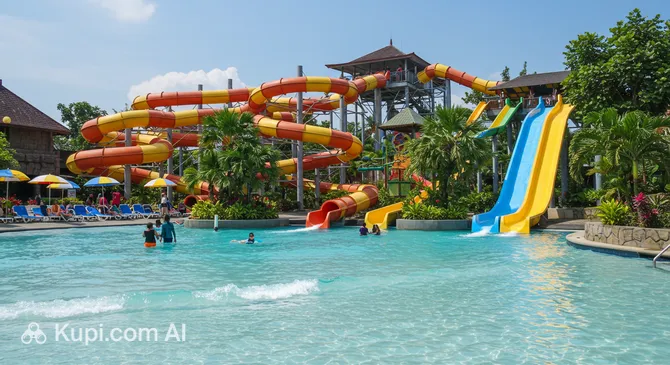
One of the popular places for relaxation, especially if you are traveling with family, is the Planet Waterboom Subang water park. This complex offers various water slides, pools, and attractions where you can cool off and have fun on a hot Indonesian day. It attracts visitors of all ages with the opportunity for active recreation and positive emotions.

Planet Waterboom Subang. Illustration.
Source: Kupi.com AI

Traveler photos:

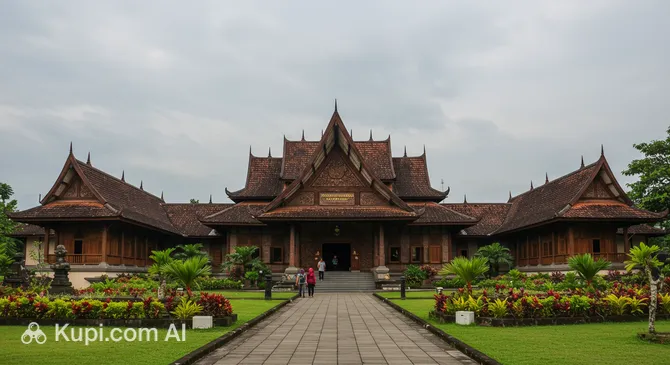
For those interested in the history and culture of the region, the Subang Regional Museum is worth a visit. Its exhibition features artifacts, photographs, and documents telling the story of the city's past and its surroundings, as well as the traditions and lifestyle of the local population. It is a great place to gain a deeper understanding of Subang's cultural heritage.

Subang City Museum. Illustration.
Source: Kupi.com AI

Traveler photos:

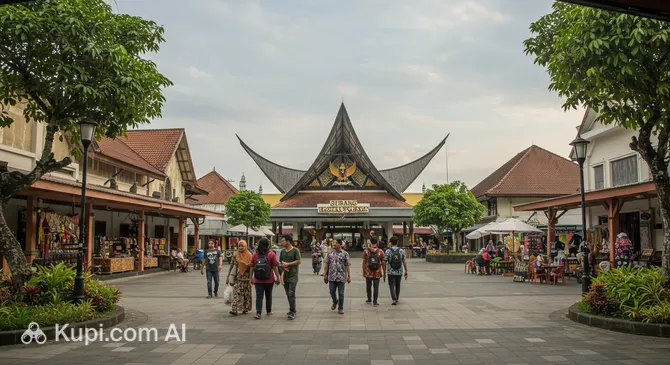
The center of social life and a popular place for walking is Subang District Square (Alun-Alun Kabupaten Subang). This spacious open space is where locals and tourists love to spend their free time, meet friends, or simply relax. The square often becomes a venue for various city events, fairs, and festivals, reflecting the cultural life of Subang.

Subang Regency Square. Illustration.
Source: Kupi.com AI

Traveler photos:

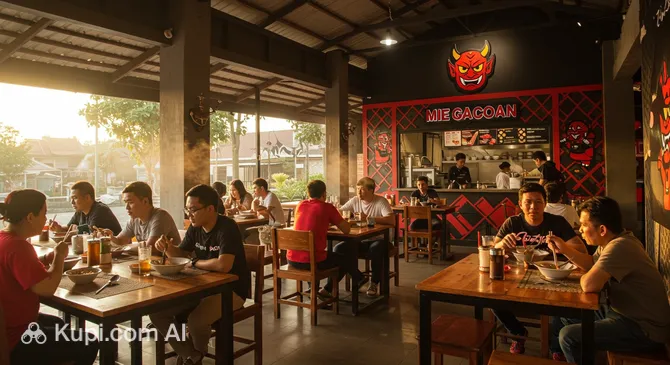
If you get hungry, one of the popular local establishments is Mie Gacoan Subang, known for its noodle dishes. This place attracts both locals and tourists wanting to try popular Indonesian cuisine in a lively atmosphere.

Local Cuisine

The gastronomic scene of Subang is a delightful blend of simplicity and sophistication, where the freshness of local ingredients plays a key role. The city's cuisine offers authentic West Javanese flavors that every traveler is sure to remember. Here you can immerse yourself in a world of fragrant spices and traditional recipes.

One of the main dishes that you must try in Subang is "nasi liwet". This is fragrant rice cooked in coconut milk with the addition of chicken, vegetables, and a bouquet of spices, often served on a banana leaf to provide a special taste and character. Another local celebrity is "tape singkong", fermented cassava. This sweet delicacy is consumed as a dessert or used to prepare refreshing drinks. Don't miss the opportunity to enjoy an abundance of fresh tropical fruits such as mango, durian, salak, and rambutan, which are sold at local markets.

Subang's food culture is diverse. Locals and tourists enjoy food in small family cafes (warungs) as well as at lively street stalls where you can grab a quick and inexpensive bite. Markets are also popular places to get acquainted with local products and dishes. In the city, you can find establishments for every taste, such as Mie Gacoan Subang, which offers popular dishes. Subang is also known for its culinary festivals, where you can get to know Javanese cuisine more deeply and even participate in masterclasses.

Mie Gacoan Subang. Illustration.
Source: Kupi.com AI

Traveler photos:

As for drinks, besides the mentioned options based on "tape singkong," fresh exotic fruit juices are popular in Subang, perfectly quenching thirst on a hot day. It is also worth trying the local tea and coffee grown on Indonesian plantations. Traditional drinks are often prepared using natural ingredients and spices, adding another dimension to the region's palette of flavors.

Subang's gastronomic scene attracts tourists with its authenticity and diversity. By trying dishes like "nasi liwet" and "tape singkong," and enjoying fresh fruits, you will discover real Indonesian cuisine — vibrant, rich, and unforgettable. This journey into the world of flavors will be one of the brightest impressions of your trip to Subang.

Travel Tips

Welcome to Subang! To make your trip to this interesting corner of Indonesia as comfortable and pleasant as possible, we have prepared some practical tips. They will help you better navigate on-site and avoid possible inconveniences.

  1. Clothing and Essentials:

    In Subang, as in all of West Java, a tropical climate prevails – hot and humid all year round. Bring light, breathable clothing made of natural fabrics (cotton, linen). Don't forget sunscreen, a hat, and sunglasses. Comfortable shoes are a must for walking. It is recommended to have a light wrap or sarong for visiting religious sites where a dress code is required (shoulders and knees covered). Also, bring a universal adapter for electronics (Indonesia uses type C and F sockets).

  2. Local Transport:

    The main form of public transport in Subang is angkots (route taxis) and local buses. For more comfortable travel, it is more convenient to use taxi services or motorcycle taxis (ojek). Mobile ride-hailing apps like Gojek and Grab, which offer both cars and motorcycles, are widely used. Car rental is possible, but keep in mind that traffic can be quite chaotic, so many tourists prefer to rent a car with a driver.

  3. Finances:

    The local currency is the Indonesian Rupiah (IDR). It is better to exchange money at official exchange offices or banks; the rate at the airport is usually less favorable. Credit and debit cards (Visa, Mastercard) are accepted in large hotels, restaurants, and some shops, but for purchases at markets, in small stalls, and for paying for local transport, it is better to have sufficient cash. ATMs are widely available. Tipping is not strictly mandatory but is welcomed for good service (usually 5-10% in restaurants or rounding up the amount in a taxi).

  4. Health and Safety:

    Pharmacies (apotek) can be found in the city, but not all of them work around the clock. It is recommended to have a basic medicine kit with you. For medical assistance, contact local hospitals (rumah sakit) or clinics. Be sure to take out travel insurance before your trip. Subang is generally considered a safe city; however, follow standard precautions: watch your belongings, avoid displaying valuables, and drink only bottled water. Use repellents to protect against mosquitoes, especially in the evening.

  5. Communication:

    The official language is Indonesian (Bahasa Indonesia), and the Sundanese language is also common in West Java province. English may be understood in tourist areas and hotels, but overall, proficiency among the local population is limited. Learn a few basic phrases in Indonesian, for example: "Selamat pagi/siang/sore" (Good morning/afternoon/evening), "Terima kasih" (Thank you), "Berapa?" (How much?). A local SIM card can be purchased at the airport or at communication stores in the city (a passport is required for registration). Wi-Fi is available in most hotels and many cafes.

  6. Local Etiquette:

    Indonesians are very friendly and hospitable. When greeting, a smile and a nod are enough. A handshake is also acceptable. Always use your right hand to give or receive anything, as well as for eating, as the left hand is considered unclean. Avoid public displays of affection and try to dress modestly, especially outside of tourist zones. It is better to point with your thumb rather than your index finger.

  7. What to Avoid:

    Try not to raise your voice or show anger in public, as this is considered extremely impolite and can cause both you and the other person to "lose face." It is also not customary to touch another person's head, as the head is considered a sacred part of the body.

  8. Try Local Cuisine:

    Subang, like all of West Java, is famous for its Sundanese cuisine. Be sure to visit local cafes (warung) and try dishes such as nasi timbel (rice wrapped in a banana leaf with various side dishes), lalapan (fresh vegetables with sambal), or soto Bandung (aromatic soup). This is a great way to experience the local culture!

We hope these tips make your stay in Subang even more pleasant and fulfilling. Enjoy every moment of your journey through this amazing region of Indonesia!

Entertainment & Nightlife

Subang, nestled in West Java province, offers its guests various ways to spend the evening and experience local life. While the city may not be known for world-class noisy nightclubs, you can find pleasant places for dinner and a quiet evening rest, which is typical for many cities in Indonesia of this size.

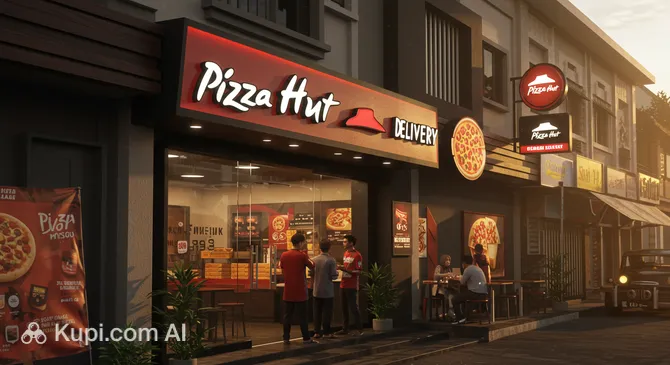
As evening falls, life in Subang shifts toward numerous restaurants and cafes. Here you can enjoy both local cuisine and more familiar dishes. For example, Mie Gacoan Subang is popular, offering interesting local specialties, or Pizza Hut Delivery for those who prefer familiar tastes. The atmosphere in such establishments is usually relaxed and suitable for a family dinner or a meeting with friends. It is worth noting that information on specialized nightclubs or lively bar streets in Subang is limited, so evening entertainment here is of a calmer nature. Many establishments are open until late evening, but it is always recommended to check opening hours in advance.

Pizza Hut Delivery. Illustration.
Source: Kupi.com AI

Traveler photos:

For those looking for a more authentic experience, it is worth paying attention to local night markets (pasar malam) or clusters of street food vendors (warungs), if you come across them. This is a typical phenomenon in Indonesia, where you can try a variety of local dishes at affordable prices and observe the daily life of the townspeople. Such places usually come alive after sunset and offer a unique atmosphere.

Regarding transport, it is most convenient to use taxi services or online ride-hailing services in Subang during the evening. In terms of safety, Subang is generally considered a peaceful city. Nevertheless, as in any other place, it is recommended to stick to well-lit streets and be mindful of your belongings after dark. Ordering a taxi through official apps or well-known companies will be the safest option for nighttime travel.

During the day, Subang also offers interesting leisure options. To better understand the history and culture of the region, you can visit the Subang Regional Museum. For family fun and water activities, Planet Waterboom Subang is a great choice. And for outdoor walks and city life observation, Subang District Square is an excellent spot. These places will help you form a more complete impression of the city and its residents.

Parks & Museums

Subang, nestled in West Java province, offers its guests not only an introduction to Indonesian culture but also pleasant corners for outdoor relaxation and immersion in the region's history. The city boasts both green zones and places where you can learn more about its heritage.

For those seeking outdoor recreation, Subang District Square (Alun-Alun Kabupaten Subang) is a popular spot. This is not just an open space, but the heart of the city's social life, where locals gather for rest, socializing, and various events. Here you can take a walk, enjoy the local atmosphere, or simply relax in the shade of the trees.

Subang Regency Square. Illustration.
Source: Kupi.com AI

Traveler photos:

If you are traveling with family or just want to have a fun time, take a look at Planet Waterboom Subang. This water park offers a variety of water attractions and pools surrounded by greenery, making it an excellent choice for escaping the tropical heat and active recreation.

Planet Waterboom Subang. Illustration.
Source: Kupi.com AI

Traveler photos:

To gain a deeper understanding of the history and culture of the region, it is worth visiting the Subang Regional Museum (Museum Daerah Kabupaten Subang). Its exhibition features artifacts that tell the story of Subang's past, its traditions, and the daily life of local residents. It is a great place to learn about the city's development and its significance in the history of West Java.

Subang City Museum. Illustration.
Source: Kupi.com AI

Traveler photos:

Beyond the official museums, the spirit of Subang's history can be felt by walking through its streets and paying attention to the architecture of old buildings, which can tell their own silent stories. While the city may not have many large museums, cultural heritage is evident in daily life and traditions.

For more authentic experiences, stop by the local markets where life is in full swing and you can try real Indonesian delicacies. Also, don't be afraid to turn off the main streets — it is often in the small alleys that the most interesting finds are hidden and where you can observe the slow pace of local life.

Getting Around

Getting around Subang can be done in several ways typical of Indonesian cities of this size. Public transport here is represented mainly by route taxis and motorcycle taxis, which are a convenient and affordable choice for moving around the city and its environs.

The main form of public transport in Subang is the "angkot" — small route microbuses. They run along set routes, and you can stop them almost anywhere by just raising your hand. Payment is made in cash directly to the driver or conductor, usually upon exiting. The fare is low and depends on the distance. It is recommended to have small bills with you for ease of payment.

Very popular in Subang, as in all of Indonesia, is the "ojek" — a motorcycle taxi. This is a fast way to get to your destination, especially in heavy traffic. You can use the services of traditional ojeks by agreeing on a price in advance, or book a ride through mobile apps like Gojek or Grab, where the cost will be calculated automatically. Payment in the apps can be made either in cash or by a card linked to the account.

City buses in Subang may serve longer routes or connect the city with the suburbs. Information on routes and schedules may not always be available online, so it is better to check with locals or at improvised stops. Payment on buses is also usually made in cash.

As an alternative to public transport, you can use taxi services. In Subang, both regular taxis, which can be found at stands or called by phone, and cars ordered through the same mobile apps (Gojek Car, GrabCar) are available. Using apps is often preferable due to transparent pricing.

For short distances in some parts of the city, you can still find "becak" — cycle rickshaws or motor rickshaws, although their popularity is declining. The cost of a becak ride is always negotiable. If you plan to move around a lot on your own, you might consider renting a motorcycle, but keep in mind the specifics of local traffic and the need for an appropriate license. Public transport usually operates from early morning until evening, but after dark, the frequency of service may decrease.

Accommodation

In Subang, tourists can find various accommodation options suitable for any budget and preference. Both budget guesthouses and hostels and more comfortable mid-range hotels are represented here. You can also consider renting apartments or houses, which can be convenient for families or large groups looking for more privacy and space.

When choosing a place to stay in Subang, you should pay attention to areas located near the main tourist attractions or those with convenient transport links. Central city areas usually offer easy access to shops, restaurants, and cultural sites, such as the Subang Regional Museum or Subang District Square. Staying in such places will save travel time and allow for a deeper immersion into the city's atmosphere.

When planning a trip, especially during the peak tourist season or local holidays, it is recommended to book accommodation in advance. This will not only help guarantee availability but also allow you to choose the best option in terms of price and quality, as well as gain access to possible early booking discounts.

The price range for accommodation in Subang varies from affordable options for budget travelers to mid-range and higher-class offers. The most common booking methods are popular online platforms and travel aggregators, which allow you to compare prices, accommodation conditions, and read reviews from other guests. Some hotels also offer direct booking through their official websites or by phone.

Nearby Cities

For those who want to explore the surroundings, Subang serves as an excellent starting point for day trips to several interesting nearby places:

CityPopulationDistance
Baleraja111 47518 km
Sumedang1 240 00035 km
Purwakarta179 23336 km
Bandung432 55743 km
Cimahi586 58044 km

These nearby destinations provide insight into the diverse culture and landscapes of the region.

Shopping & Souvenirs

Shopping in Subang offers more of an introduction to local trade than a pursuit of famous brands. Here you will find authentic Indonesian goods and can experience the city's daily life. Subang is not famous for large shopping centers or exclusive boutiques, but it provides opportunities to buy essential goods, local products, and traditional crafts.

The main retail outlets in Subang are generally concentrated along the main streets and near central districts. While there are no specific shopping streets known throughout Indonesia here, lively commercial activity can be observed near public spaces such as Subang District Square. Small shops, stalls, and eateries are often located around such places.

Large modern shopping malls are not a characteristic feature of Subang. Instead, shoppers will find many small private shops ("toko"), minimarkets, and perhaps a few local-scale department stores offering clothing, household goods, and electronics. For more large-scale shopping with a wide selection of international brands, residents and tourists usually head to larger cities in the West Java province.

An important part of Subang's commercial life, as in many Indonesian cities, is the traditional market ("pasar"). In these markets, you can buy fresh fruits, vegetables, spices, local pastries, and prepared meals. Sometimes you can also find handicrafts or inexpensive clothing at the markets. Visiting a local market is a great way to immerse yourself in the city's atmosphere and observe the daily life of its residents.

As souvenirs from Subang and the West Java region, you can bring back batik items (fabric with traditional patterns or clothing made from it), wooden crafts, local sweets, or snacks (such as "keripik" — chips made from various fruits or vegetables). Also, look out for the local coffee or tea for which the province is famous.

Shops in Subang are usually open from the morning (around 9:00-10:00) and work until evening (20:00-21:00). Traditional markets start their work very early in the morning. The main method of payment, especially in small shops and markets, is cash in Indonesian Rupiah (IDR). Some larger shops or supermarkets may accept bank cards, but it is better to always have enough cash with you.

The possibility of a tax refund (Tax Free) for tourists in Indonesia exists, but it is usually available at major international airports and specialized stores in large tourist centers. In a city the size of Subang, finding shops participating in the Tax Free system may be difficult. If you are planning major purchases, check this information in advance.

Reached the end of the page?

That means the route is fully explored