Support

Cirebon

About

Cirebon is a truly colorful corner of Indonesia, nestled comfortably on the northern coast of the island of Java. The city is located in West Java province, right on the border with Central Java, on the shores of the Java Sea. For centuries, its port played a vital role, connecting Java with other islands of the archipelago and the rest of the world.

Cirebon is home to about 316,000 people, and each of them seems to contribute to the city's unique atmosphere. It is not only a significant economic and transport hub but also a place with a rich history and distinctive culture, where the breath of the past is still felt today.
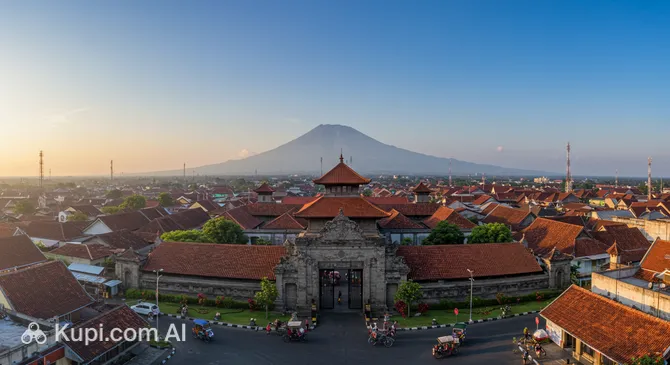
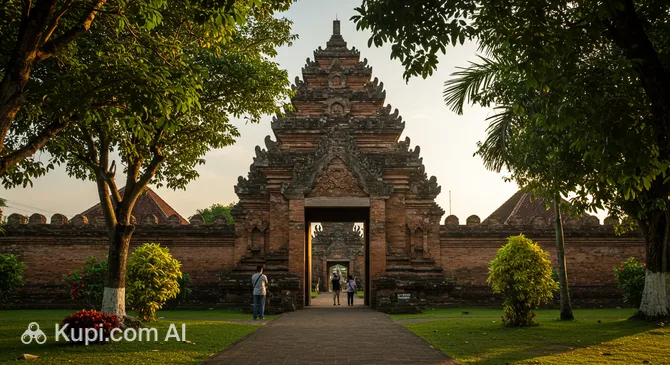
Cirebon. Illustration.
Source: Kupi.com AI

The city is famous for its kratons—traditional Javanese royal palaces—as well as ancient mosques and a unique blend of Javanese, Sundanese, and Chinese cultural traditions. Walking through its streets, you can enjoy a fresh sea breeze while taking in the aromas of local spices and freshly prepared fish.

Cirebon is a place where you can experience the true spirit of Java, immerse yourself in a slow pace of life, meet hospitable locals, and witness how something completely special is born at the crossroads of different cultures. If you are looking for authentic experiences and want to discover the unexplored corners of the country, Cirebon is an excellent choice for your journey.

You can find more interesting facts on the history of Cirebon page.
Weather Overview

In Cirebon, a warm tropical climate with high humidity awaits you throughout the year. The average monthly air temperature remains stable in the range of 26.2°C to 27.8°C. The rainiest months are from November to April, when rainfall is between 6-11 mm and the number of rainy days varies from 23 to 30 per month. A drier season occurs from May to October, especially pronounced in July and August, when precipitation is minimal (0-1 mm) and the number of rainy days drops to 3-5. The hottest days, with maximum temperatures reaching up to 30.5°C, occur in October. You can learn more about weather conditions on the Cirebon Climate page.

Average monthly temperature

Average monthly precipitation

Interesting Facts

In addition to its well-known attractions, Cirebon hides many amazing stories and little-known details that make it truly unique. Ready to learn some curious facts about this Indonesian city?

Kasepuhan Palace. Illustration.
Source: Kupi.com AI

Traveler photos:

  • Cirebon is home to not just one, but several sultanate palaces (kratons), each with its own unique history. The most famous is Kasepuhan Palace, founded back in the 15th century, where traditional ceremonies are still held and royal relics are preserved to this day.

  • Cirebon is often called the "City of a Thousand Fishes." This nickname is linked not only to its historical role as an important port but also to a local legend, which says that the fish in the coastal waters were once so abundant that residents could literally catch them with their bare hands.

  • Contrary to many superstitions, bats are considered a good omen in Cirebon. Local residents believe that these nocturnal creatures bring luck and prosperity, and their images can sometimes be found in traditional ornaments.

  • The city is famous for its skilled craftsmen who create traditional Indonesian "Topeng" masks. These bright and expressive masks, each representing a specific character, are an integral part of colorful dance performances that tell stories of ancient epics and legends.

How to Get There

There are several ways to reach Cirebon, but the most convenient for many tourists is a flight to one of the nearby airports, as the city itself does not have its own airport. From there, you can continue your journey via ground transport, such as a taxi or bus.

The closest airport to Cirebon is Kertajati International Airport (KJT), located in Majalengka, approximately 44 km away. This is an international airport, and a trip from there to Cirebon by taxi or rental car takes about an hour and a half. Although it may have less passenger traffic than some capital hubs, its proximity makes it a very attractive option for travelers heading directly to Cirebon.

Another popular option is Husein Sastranegara Airport (BDO) in Bandung, which is about 110 km from Cirebon. This airport serves both domestic and some international flights and is a medium-sized facility. The drive to Cirebon from here takes approximately 3 hours, depending on traffic and the chosen transport.

You might also consider flying into one of the airports in Indonesia's capital, Jakarta. For example, Halim Perdanakusuma Airport (HLP) is located about 190 km from Cirebon. This is a major airport serving many domestic and international flights. The journey from here to Cirebon by car or bus can take about 5 hours, but this is balanced by the large selection of flights arriving in Jakarta.

For convenience, here is a summary of the main airports used to reach Cirebon:

AirportPassenger trafficDistance
Kertajati International Airport413 24044 km
Husein Sastranegara Airport3.8 mln110 km
Halim Perdanakusuma Airport3.8 mln191 km
Achmad Yani International Airport2.3 mln203 km
Yogyakarta International Airport4.3 mln211 km

In addition to air travel, Cirebon can be reached by land. The city has good road connections with other major Javanese cities like Jakarta, Bandung, and Semarang. Traveling by car or intercity bus can be a great alternative, especially if you want to enjoy the island's landscapes and visit other interesting places along the way.

Main Attractions

Cirebon, a city rich in history and culture, offers its guests many interesting places to visit. Here, ancient palaces stand alongside unique natural sites and impressive religious buildings, each telling its own part of the fascinating story of this Indonesian city.

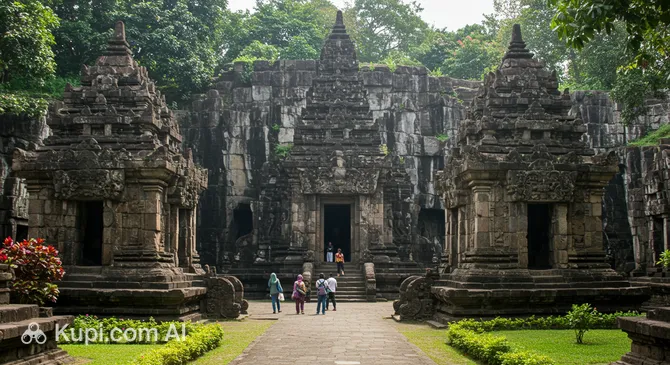
One of the main gems of Cirebon is the Kasepuhan Palace. This is the oldest and best-preserved palace of the Cirebon Sultanate, founded in the 15th century. Visitors can explore its vast grounds, admire traditional Javanese architecture, see royal relics, and learn about the sultanate's glorious past. The palace is still used for ceremonial purposes, which adds to its living historical atmosphere.

Kasepuhan Palace. Illustration.
Source: Kupi.com AI

Traveler photos:

No less fascinating is the Sunyaragi Cave Park, also known as Taman Sari Gua Sunyaragi. This unique complex, built in the 18th century, features man-made caves and water gardens that served as a place for meditation and relaxation for the royal family. The whimsical architecture, resembling coral reefs, and the mysterious grottoes make this place truly mesmerizing and popular among photographers.

Sunyaragi Cave Park. Illustration.
Source: Kupi.com AI

Traveler photos:

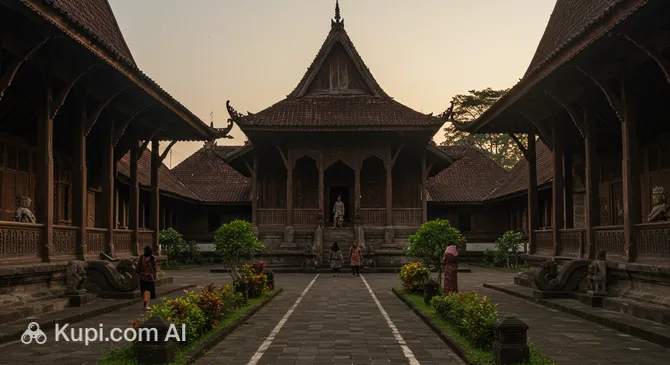
Another significant historical site is the Kanoman Palace. Founded in the late 16th century, it is the residence of the Sultan of Kanoman and houses a rich collection of artifacts, including royal carriages and traditional weapons. A visit to the palace allows for a deeper immersion into the culture and traditions of Cirebon and a chance to see how the descendants of the sultan's dynasty live.

Kanoman Palace. Illustration.
Source: Kupi.com AI

Traveler photos:

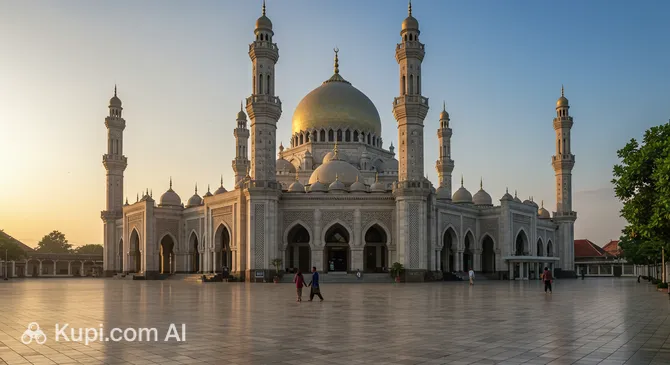
For those interested in religious architecture, the At-Taqwa Grand Mosque is a must-visit. This is one of the largest and most beautiful mosques in Cirebon, impressive for its size and elegant design. The mosque is an important spiritual center for locals and attracts tourists with its majestic architecture and peaceful atmosphere.

At-Taqwa Grand Mosque. Illustration.
Source: Kupi.com AI

Traveler photos:

Beyond these key attractions, Cirebon offers other interesting spots, such as the lively Cirebon Waterland for family fun or the historical British American Tobacco Building, which is a fine example of colonial architecture. Each of these places contributes to the city's unique character.

Local Cuisine

The gastronomy of Cirebon is a true discovery for connoisseurs of authentic Indonesian cuisine. The city is famous for its unique dishes that reflect the region's rich cultural heritage. Here, every meal turns into a small culinary journey full of vibrant flavors and aromas.

One of the most famous dishes you must try in Cirebon is nasi jamblang. This is rice traditionally wrapped in teak leaves, which gives it a special aroma. The rice is served with a wide variety of side dishes to choose from: from stewed vegetables and fragrant meats to spicy seafood sauces. Everyone can assemble their perfect portion by combining different additions to their taste.

Equally popular is empal gentong—a hearty and rich soup made from beef and offal, cooked in coconut milk with a rich set of spices. It is traditionally prepared in clay pots, which gives the dish a special depth of flavor. Empal gentong is served hot, topped with fried shallots and fresh herbs. For lovers of noodles and piquant flavors, mie koclok is a must-try—thick noodles with chicken, egg, and a rich, slightly spicy sauce.

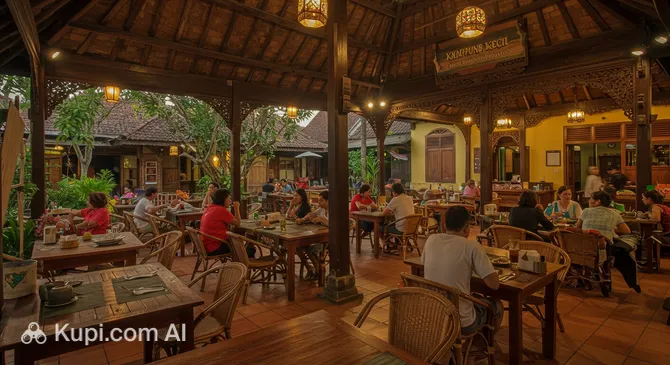
The food culture in Cirebon is very diverse. Locals and tourists alike enjoy eating in restaurants as well as indulging in the street food that is abundant here. Fish markets are especially popular, where you can try the freshest seafood prepared in various ways—fried fish, shrimp, squid. To experience the atmosphere of local cuisine, you can visit one of the authentic restaurants, such as Kampung Kecil Cirebon. The city also regularly hosts food festivals where you can get acquainted with culinary traditions in all their diversity.

Kampung Kecil Cirebon. Illustration.
Source: Kupi.com AI

Traveler photos:

As for drinks, refreshing fruit juices, various types of tea (teh), and coffee (kopi) are popular in Cirebon, as they are throughout Indonesia. Alcoholic beverages are less common, but beer and other options can be found in tourist areas. Cirebon's gastronomic scene is a vibrant blend of tradition, fresh ingredients, and hospitality that makes every meal unforgettable.

Travel Tips

Planning a trip to Cirebon, one of the fascinating historical and cultural centers of Indonesia? To ensure your journey goes smoothly and leaves only pleasant impressions, we have prepared some practical tips.

  1. Clothing and Essentials:

    In Cirebon, as in all of Indonesia, a tropical climate with high humidity prevails. Bring light, breathable clothing made from natural fabrics. The dry season is typically from May to September, while the wet season is from October to April, so a light waterproof jacket or umbrella might come in handy. Comfortable shoes are essential for city walks and visiting attractions. Don't forget sunscreen, a hat, and insect repellent. When visiting mosques and kratons (like Keraton Kasepuhan), modest clothing covering shoulders and knees is required. Bring a universal power adapter for your electronics.

  2. Transport:

    It's convenient to get around Cirebon by taxi or using popular Indonesian ride-hailing apps like Gojek or Grab (including the "ojek" motorcycle taxi). "Angkot" minibuses are also common. Renting a car might not be the best option due to the nature of local traffic if you are not used to Asian driving styles. For short distances in some areas, you can find "becak" cycle rickshaws.

  3. Finances:

    The local currency is the Indonesian Rupiah (IDR). You can exchange currency at banks or official exchange offices; avoid street money changers. Credit cards are accepted in major hotels, restaurants, and shopping malls, but for purchases at markets, small shops, and cafes, it's better to carry enough cash. ATMs are widely available. Tipping is not strictly mandatory but is always appreciated for good service (usually 5-10% in restaurants or rounding up the fare for taxi drivers).

  4. Health and Safety:

    Pharmacies ("apotek") are located in many parts of the city. It's recommended to have a basic first-aid kit with you. For serious cases, there are hospitals and clinics. Be sure to arrange travel insurance before your trip. Cirebon is generally considered a safe city, but as with anywhere, take basic precautions: watch your belongings, especially in crowded places, and avoid walking in poorly lit areas at night.

  5. Communication:

    The official language is Indonesian (Bahasa Indonesia). Local dialects, including Cirebonese, are also common. English may be understood in tourist areas, hotels, and among the youth, but not everywhere. Learn a few basic Indonesian phrases: "Terima kasih" (Thank you), "Selamat pagi/siang/malam" (Good morning/afternoon/evening), "Berapa?" (How much?). A local SIM card can be purchased at the airport or at mobile shops in the city. Wi-Fi is available in most hotels and many cafes.

  6. Local Etiquette:

    Indonesians are very friendly and polite. When greeting, use your right hand for handshakes. The right hand is also used for passing or receiving items and for eating. It's considered impolite to point at someone or something with your index finger—it's better to use your thumb or your whole palm. It is customary to remove your shoes when entering a home or a mosque. Avoid public displays of intense emotion.

  7. What to Avoid:

    Try not to use your left hand for eating, passing items, or greeting, as it is traditionally considered "unclean." Also, avoid touching another person's head, including children, as the head is considered a sacred part of the body. Do not raise your voice or engage in loud arguments in public places.

  8. Special Tip for Cirebon:

    Cirebon is famous for its batik. Be sure to visit the Batik Trusmi village or local markets to see the creation process and purchase unique items. Also, don't miss the chance to try local cuisine, such as nasi jamblang (rice wrapped in teak leaves with various side dishes) or empal gentong (aromatic meat soup). The city is rich in history, so exploring its famous kratons (sultan palaces) will be an unforgettable experience.

We hope these tips help you better prepare for your trip and enjoy everything that hospitable Cirebon has to offer. Have a great journey!

Entertainment & Nightlife

Cirebon, known for its historic palaces and cultural heritage, also offers its guests a variety of evening entertainment. While the city may not be a bustling nightlife hub, there are several interesting places where you can enjoy your time after sunset.

Most evening establishments are concentrated in the city center and near large hotels and shopping centers, such as Cirebon Super Block Mall or Grage Mall Cirebon. Here, you can find bars, karaoke clubs, and restaurants open until late. The atmosphere in such places is usually relaxed, with a mixed crowd of locals and tourists. Most venues do not have a strict dress code; neat casual clothing is sufficient. Prices are generally moderate but can vary depending on the establishment's level.

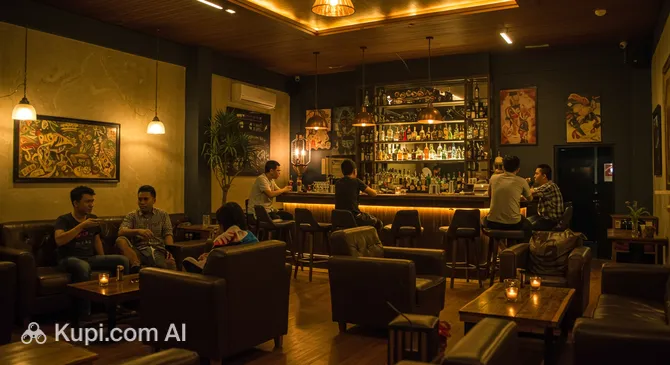
Versus Cafe and Bar. Illustration.
Source: Kupi.com AI

Traveler photos:

Popular evening spots include Versus Cafe and Bar, which often features live music and attracts a younger crowd. For those who prefer more active entertainment and karaoke, Rain Luxury KTV & Lounge is a great choice. If you prefer a quiet dinner in a pleasant setting, look for restaurants like NEO Cirebon Restaurant, many of which offer both local and international cuisine and remain open late into the evening. Night markets offering street food are also a popular option for an evening meal and a taste of the local flavor.

The best time to visit nightlife spots is during the weekend when the atmosphere is livelier. Getting around the city at night is most convenient by taxi or using ride-hailing apps. It is recommended to use official taxis or trusted apps for safety. Generally, the central districts of Cirebon are considered safe for evening walks, but one should always observe standard precautions.

During the day, there is also plenty to do in Cirebon. The city is rich in historical landmarks, such as Kasepuhan Palace, Kanoman Palace, or Kachirebonan Palace, which functions as a museum. For families, Cirebon Waterland or Sunyaragi Cave Park, offering unique landscapes for walking, are excellent choices.

Parks & Museums

Cirebon, a historic city on the northern coast of Java, offers its guests not only an introduction to the unique cultural heritage of its sultanates but also pleasant green zones and fascinating museums. Here, ancient traditions, natural beauty, and educational exhibits blend harmoniously to create a unique atmosphere for travelers.

Among the city's green spaces, Sunyaragi Cave Park (Taman Sari Gua Sunyaragi) stands out. This historical complex of man-made caves, water channels, and pavilions once served as a place of meditation for the sultan's family. Its unusual architecture, resembling coral reefs, and mysterious atmosphere attract history buffs and photographers alike. For a peaceful outdoor break, Krutuk Park Cirebon offers a serene setting away from the city bustle.

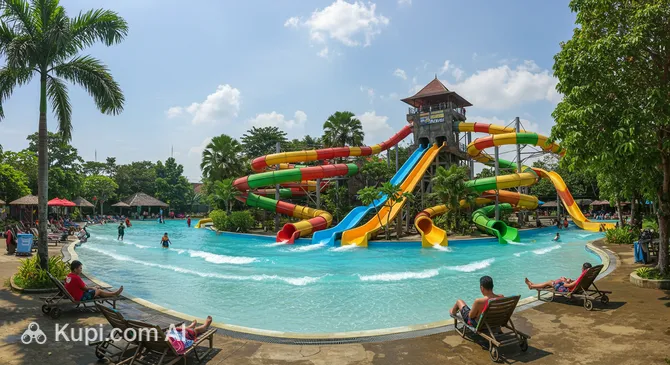
For those seeking relaxation by the water, Kejawanan Beach is an interesting choice. It is a popular spot for locals where you can watch fishing boats and enjoy the sea breeze. If you prefer active water fun, Cirebon Waterland offers slides and pools for the whole family, making it a popular spot for leisure and excitement.

Waterland Cirebon. Illustration.
Source: Kupi.com AI

Traveler photos:

Fans of rides and vivid impressions should visit Trans Studio Cirebon. This modern indoor theme park offers various attractions, gaming zones, and shows that ensure an exciting time for visitors of all ages.

Trans Studio Cirebon. Illustration.
Source: Kupi.com AI

Traveler photos:

Cirebon's cultural heritage is most vividly represented in its kratons (palaces), which function as museums today. The primary one is Kasepuhan Palace—the oldest kraton in Cirebon, founded in the 15th century. Here, you can see an impressive collection of royal relics, antique weapons, and traditional artifacts. No less significant is Kanoman Palace, which houses unique exhibits, including sacred carriages. It is also worth visiting Kachirebonan Palace, which, despite its smaller size, offers an interesting exhibition on the history of the Cirebon sultans.

Among other architectural landmarks, the British American Tobacco Building stands out. This well-preserved colonial-era structure in Art Deco style is a striking example of early 20th-century European architecture. The Sang Cipta Rasa Grand Mosque also holds great historical and cultural value as one of the oldest mosques in Indonesia, known for its unique architecture.

British American Tobacco Building. Illustration.
Source: Kupi.com AI

Traveler photos:

For a more authentic experience, stroll through the old streets near the palaces, where you can find traditional craft workshops, such as those for batik making. This will allow you to dive deeper into the local culture and perhaps purchase unique souvenirs.

Getting Around

Getting around Cirebon is possible via several types of public transport, although there is no developed metro or tram network. The backbone of the transport system consists of angkots—minibuses that run on set routes but often stop on demand anywhere for passengers. Local buses may also operate in the city, connecting various districts and suburbs.

The payment system for public transport in Cirebon is quite simple. In angkots and local buses, the fare is usually paid in cash directly to the driver or conductor. The fare is typically low and depends on the distance. There are likely no unified travel cards or transport apps for paying for municipal transport specifically. It is recommended to carry small bills for convenience.

Tourists planning to use public transport in Cirebon should keep a few points in mind. Tickets as such may not exist—payment is made upon entry or exit. It's best to confirm the route and fare in advance with the driver or locals. Public transport usually starts operating early in the morning and ends in the evening, though the frequency of angkots may decrease in the late hours. When planning trips, allow for extra time as these minibuses often do not have a strict schedule.

As an alternative to public transport, taxis are widespread in Cirebon. You can use traditional taxi services or book a car through mobile apps popular in Indonesia, such as Gojek or Grab. This is a convenient and relatively inexpensive way to travel, especially for long distances or when carrying luggage. Ojeks (motorcycle taxis) are also very popular and are a fast way to reach your destination while bypassing traffic. They can also be booked via the aforementioned apps or found on the street. Traditional bicycle rickshaws (becaks) can still be found in some parts of the city, offering leisurely short-distance rides.

Accommodation

In Cirebon, tourists can find a variety of accommodation options to suit different budgets and preferences. The city offers everything from inexpensive guesthouses and hostels for budget travelers to mid-range hotels with a good range of services. More comfortable hotels and even apartment rentals are also available for those seeking a homey feel.

When choosing a place to stay in Cirebon, it's worth looking at areas near main attractions or transport hubs. Central districts usually offer easy access to historic sites like Kasepuhan Palace or Kanoman Palace, as well as shopping malls and restaurants. Choosing accommodation in these parts of the city will save time on travel and allow for a deeper immersion into the Cirebon atmosphere.

Kasepuhan Palace. Illustration.
Source: Kupi.com AI

Traveler photos:

To ensure the best selection and prices, especially during peak tourist season or local holidays, it is recommended to book your accommodation in advance. This helps avoid situations where all suitable options are already taken.

The price range for accommodation in Cirebon varies from budget to mid-range and higher, depending on the level of comfort and the hotel's location. You can book housing through popular international online booking platforms, directly on hotel websites, or via local travel agencies. Comparing prices across different resources will help you find the most favorable offer.

Nearby Cities

For those looking to explore the surroundings, Cirebon serves as an excellent starting point for day trips to several interesting nearby locations:

CityPopulationDistance
Sumber96 7258 km
Kuningan111 74228 km
Majalengka73 05238 km
Indramayu123 26351 km
Tegal275 78965 km

These nearby destinations offer a glimpse into the region's diverse culture and landscapes. For instance, Bandung, known as the "Paris of Java," attracts visitors with its colonial architecture, trendy shops, and cool mountain climate. A trip to Sumedang will introduce you to the production of the famous Sumedang tofu and historical landmarks. Tasikmalaya is renowned for its handicraft traditions, especially batik and woven products, as well as picturesque natural sites like Situ Gede Lake.

Shopping & Souvenirs

Cirebon offers tourists diverse shopping opportunities, combining modern shopping centers with colorful traditional markets. The city is particularly famous for its unique batik featuring Mega Mendung (clouds) and Pakungwati motifs, as well as high-quality ceramics and local delicacies. Here you can find both well-known brands and authentic handmade items.

The city's main shopping arteries are Jalan Siliwangi and Jalan Karanggetas, where many shops, stalls, and cafes are concentrated. Walking along these streets allows you to immerse yourself in the local commercial atmosphere. Areas around large markets are also popular, where you can find everything from food to souvenirs.

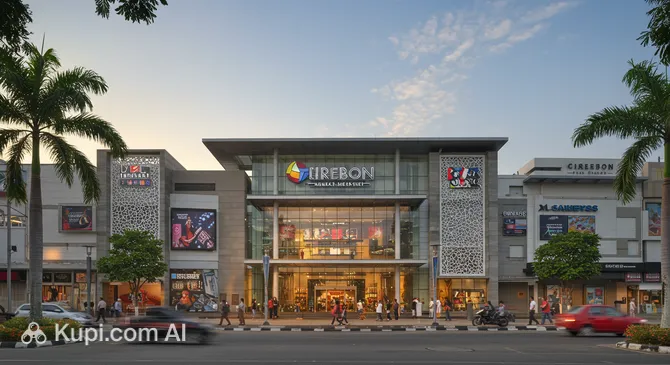
For those who prefer comfortable shopping, there are several modern shopping malls in Cirebon. Among the most popular is Cirebon Super Block Mall, offering a wide range of clothing, electronics, and home goods stores, as well as a food court and entertainment areas. Another major mall is Grage Mall Cirebon, where you can also find various goods and services.

Cirebon Super Block Mall. Illustration.
Source: Kupi.com AI

Traveler photos:

Visiting traditional markets is an essential part of shopping in Cirebon. Pasar Pagi (Morning Market) and Pasar Kanoman are among the liveliest. Here, you can buy fresh fruit, vegetables, spices, local snacks, as well as affordable clothing and handicrafts. The atmosphere at the markets is very authentic, and bargaining is common.

As souvenirs from Cirebon, it is worth bringing back the famous Cirebon batik—this can be in the form of fabric or ready-made clothing (shirts, sarongs, dresses). Look for ceramic products from Sitiwinangun Village (Desa Sitiwinangun), known for its pottery traditions. Local treats are also popular, such as empal gentong (a spicy meat soup, sometimes sold as a concentrate), various types of krupuk (crackers, especially shrimp), tahu gejrot (fried tofu in a spicy-sweet sauce), and Tjampolay syrup (a local drink).

Most shops and shopping malls in Cirebon are open daily from approximately 10:00 to 21:00 or 22:00. Traditional markets open early in the morning and may close shortly after lunch. Malls and large stores accept bank cards, but in markets and small shops, it is preferable to have cash in Indonesian Rupiah (IDR).

Regarding the Tax-Free system (VAT refund for tourists), it exists in Indonesia but is mainly available at major international airports and authorized shops in primary tourist centers. In Cirebon, finding shops participating in this program may be more difficult. It is recommended to check for tax refund availability directly when making large purchases in shopping malls.

Reached the end of the page?

That means the route is fully explored