Tasikmalaya is a fascinating city comfortably nestled in the heart of West Java province. Located in Indonesia, this corner of the world attracts travelers with its picturesque mountainous terrain and authentic atmosphere. The city lies at an altitude of about 351 meters above sea level, which gives it a mild climate and fresh air all year round, favorably distinguishing it from sultry coastal resorts.
Tasikmalaya. Illustration.
Source: Kupi.com AI
With a population of around 678,000 people, Tasikmalaya is a large and dynamic regional center where modern urban life harmoniously blends with traditional ways. The majority of local residents are Sundanese, whose culture and sincere hospitality create a special, warm aura in the city. Here, the past and present are woven into a unique pattern: ancient mosques stand next to bustling markets and cozy cafes. To gain a deeper understanding of the origins of this place and its cultural code, the history of Tasikmalaya, which tells of the city's development, will be useful.
Travelers are greeted here by green hills, scenic terraces, and the opportunity to experience the living culture of Java without the tourist crowds. Tasikmalaya is an excellent starting point for exploring the region's nature and a place where every guest feels like part of a large family celebration. Come here for the tranquility of the mountains and new, vibrant impressions.
Weather Overview
The climate in Tasikmalaya is mild and tropical, making the city comfortable to visit at almost any time of year. Due to its elevated location, there is no extreme heat here: the average air temperature stays steadily in the range of +21.9°C to +24.0°C. During the day, the air usually warms up to +26…+27°C, and the nights bring pleasant freshness when the thermometer drops to +19…+21°C.
The main feature of the local weather is high humidity and regular precipitation. The rainy season here is quite pronounced and lasts from November to April, with January and March being particularly rainy — with up to 30 days of precipitation per month. From June to September, a relatively dry period occurs when rains are less frequent (about 16–20 days), and the temperature becomes slightly cooler, which is ideal for excursions.
Expect warm weather year-round with a high probability of rain during the winter-spring period and drier, more comfortable conditions from June to September. Before your trip, be sure to check the latest information to see what weather in Tasikmalaya is expected during your visit.
Average monthly temperature
Average monthly precipitation
Interesting Facts
Beyond the main attractions, Tasikmalaya holds many fascinating secrets and cultural features that reveal themselves only to inquisitive travelers. This city is a true treasury of traditions, where ancient legends intertwine with the living heritage of master craftsmen.
City of a Thousand Pesantrens. Tasikmalaya bears the unofficial but honorable title of "The City of Santri" (students of religious schools). A huge number of Islamic boarding schools — pesantrens — are concentrated here, giving the city a special spiritual atmosphere. Religious holidays are celebrated here on an incredible scale, turning the streets into a bright sea of local residents and pilgrims from across the region.
Unique Crafts and "Geulis Umbrellas." The city is famous as a center of Sundanese art. This is where the famous "payung geulis" — elegant hand-painted paper or fabric umbrellas that have become a symbol of the city — are produced. In addition, local masters create unique batik with bright floral patterns and complex bamboo products, the secrets of which are passed down from generation to generation.
Legend of the Lake of Desires. The picturesque Lake Situ Gede is shrouded in mysticism. According to urban legend, the waters of this lake possess magical powers and can fulfill cherished desires, but only if the person asking comes with an absolutely pure heart. This place attracts not only tourists but also seekers of spiritual peace.
Cultural Crossroads. Historically, Tasikmalaya served as an important transport hub between Bandung and Purwokerto. This geographical position turned the city into a real "melting pot" of cultures, which is reflected in the local cuisine and even the dialect, which has absorbed elements of different Javanese linguistic traditions. A symbol of the city's dynamics is the Simpang Lima Circle, where the main roads converge.
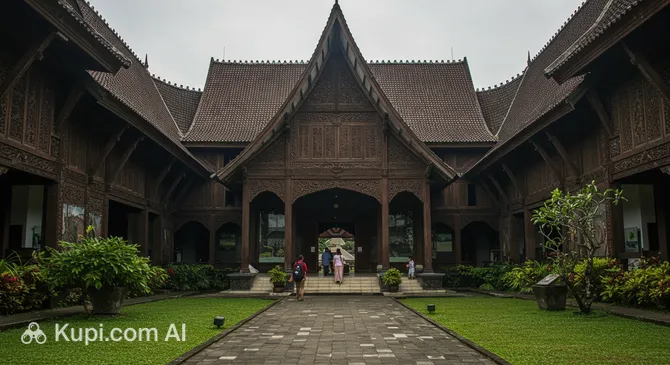
Keepers of Puppet Theater Traditions. The city is the birthplace of many famous artists and puppeteers. The art of wayang golek (wooden puppets) is carefully preserved here. By visiting the Tasikmalaya Puppet Palace, you can see how deeply these traditions are rooted in the lives of the citizens, as puppets here are not just toys, but an important part of the people's philosophical and cultural code.
Tasikmalaya Doll Palace. Illustration.
Source: Kupi.com AI
Traveler photos:
How to Get There
You can reach Tasikmalaya in various ways by combining air and land transport. Since the city itself does not have a large international air hub, travelers usually fly into neighboring metropolises and then continue their journey by train or bus. You can find out more about how to get to Tasikmalaya to plan the most convenient route.
Most foreign tourists arrive in the country through Soekarno-Hatta International Airport (IATA: CGK). Please note that this airport is located not in Tasikmalaya, but in the capital city, Jakarta, at a distance of approximately 219 km. The journey from there by car or bus can take 5 to 7 hours depending on traffic, so many prefer to switch to a train.
A closer option is Husein Sastranegara Airport (IATA: BDO), located in Bandung, about 86 km from Tasikmalaya. The trip from here by taxi or bus will take about 3–4 hours due to the mountainous terrain and traffic. Also worth considering is the new Kertajati International Airport (IATA: KJT) in Majalengka, which is only 78 km away. It is one of the closest large air hubs to the city, and the journey by car will take about 2–3 hours.
For convenience, here is a summary of the main airports through which you can reach the region:
The railway connection is one of the most popular and scenic ways to get to Tasikmalaya. The city is located on the southern branch of Java's railway network. Trains regularly arrive from Jakarta (Gambir station), Bandung, Yogyakarta, and Surabaya. A train trip is often faster and more comfortable than a bus, as it allows you to avoid traffic jams on mountain roads. The main station is in the city center, making it easy to reach your hotel by taxi or local transport.
Main Attractions
Tasikmalaya, nestled in the province of West Java, offers travelers not only picturesque landscapes but also many interesting places to explore the region's culture and history. There are activities for every taste — from peaceful relaxation in nature to immersion in local traditions.
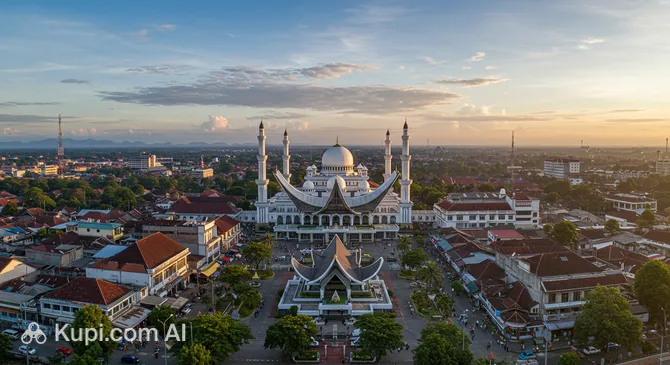
One of the main symbols of the city is the Great Mosque of Tasikmalaya. It is not only an important spiritual center but also an outstanding example of modern Islamic architecture. Its majestic appearance and spacious halls attract both believers and tourists wishing to appreciate the beauty and monumentality of the structure. Near the mosque is the Tasikmalaya Town Square, which serves as the hub of social life.
Great Mosque of Tasikmalaya. Illustration.
Source: Kupi.com AI
Traveler photos:
For lovers of nature and quiet relaxation, a visit to Lake Situ Gede is a must. This picturesque freshwater lake, surrounded by greenery, is an ideal place for boat trips, fishing, or a lakeside picnic. The fresh air and tranquil scenery help you escape the city's hustle and bustle and enjoy the natural beauty of Indonesia.
To dive deeper into the local culture, it's worth visiting the Tasikmalaya Puppet Palace. This unique museum is dedicated to the traditional art of wayang — Indonesian puppetry. Here you can see a rich collection of handmade puppets and learn more about this fascinating art form, which is an important part of the region's cultural heritage.
If you are traveling with family or just want to have some fun, head to TeeJay Waterpark. This popular water complex offers a variety of slides, pools, and attractions for visitors of all ages. It's a great place to cool off on a hot day and get a boost of positive emotions.
Local Cuisine
The culinary map of Tasikmalaya is a real feast for lovers of authentic Asian food. The city is proud of its gastronomic traditions, which are based on Sundanese cuisine. Freshness of ingredients, an abundance of vegetables, and a harmonious combination of spices are valued here. The main dish that every traveler must try is nasi tutug oncom — aromatic rice mixed with fermented beans and seasonings, usually served with fried chicken, salty tofu, and fresh vegetables.
Those who enjoy spicy food should pay attention to sambal goang. This fiery sauce made from fresh chili peppers is added to almost all main dishes, giving them a characteristic tang. Street food in Tasikmalaya deserves separate attention: on every corner, you can find stalls selling kupat tahu (rice cakes with tofu under peanut sauce) or appetizing meatball soup mie bakso.
Siliwangi Noodle House. Illustration.
Source: Kupi.com AI
Traveler photos:
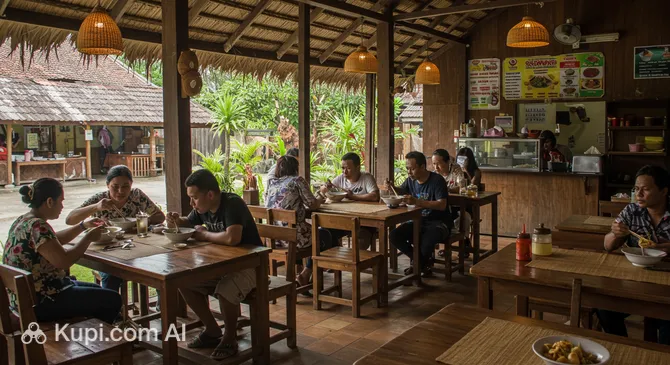
By the way, if you want to taste delicious noodles in a comfortable setting, stop by the Siliwangi Noodle Shop. This place is popular with both locals and tourists thanks to its rich broths and traditional recipes.
For those with a sweet tooth, the city offers its own unique treats. Be sure to try dodol — a chewy sweet resembling caramel, made from coconut milk, palm sugar, and rice flour. Another popular dessert is serabi, local pancakes drizzled with sweet sauce. The best place to get to know these delicacies is at the morning farmers' markets, which also sell fresh tropical fruits.
As for drinks, in Tasikmalaya, as in many Javanese cities, alcohol is not common and is difficult to find for public sale. Locals prefer hot sweet tea, coffee, or traditional warming drinks such as bajigur (coconut milk with palm sugar and ginger) or bandrek. They are perfect for cool evenings in this mountain region.
Travel Tips
Welcome to Tasikmalaya! To ensure your trip to this colorful corner of West Java is as comfortable as possible and leaves only warm memories, we have prepared a list of important recommendations. Given the city's status as a religious and craft center, knowing local nuances will help you show respect for the culture and avoid awkward situations.
Clothing and Dress Code. Tasikmalaya is known as the "City of Santri" (Islamic students), so a conservative clothing style is common here. Tourists, both men and women, are recommended to avoid overly revealing outfits (short shorts, mini-skirts, low necklines). Choose light, breathable fabrics that cover your shoulders and knees — this will be received with respect. Given the frequent rains, especially in the afternoon, be sure to bring a compact umbrella or raincoat, as well as comfortable waterproof shoes for walking.
Transport and Movement. The most convenient way for a tourist is to use taxi apps such as Grab or Gojek (including motorcycle taxis). This will save you from having to bargain and explain the route with hand gestures. If you want something exotic, try riding the local "angkot" minibuses, but be prepared for confusing routes. Renting a car without a driver is not recommended due to chaotic traffic; it is better to hire a car with a local driver.
Finances and Cash. The official currency is the Indonesian Rupiah (IDR). Large shopping centers like Asia Plaza and hotels accept Visa and Mastercard, but otherwise, Tasikmalaya is a city of cash. Small bills are necessary for paying fares, street food, and souvenirs at markets. ATMs are available at banks and mini-marts (Indomaret, Alfamart), but it's better to withdraw money in the city center. Tipping is not mandatory, but rounding up the bill or a small gratuity for the driver is always appreciated.
Health and Safety. Drink only bottled water; tap water is not potable. Pharmacies (Apotek) are widespread, and chains like K-24 are open 24/7. The city is safe, but watch your bags and pockets in crowded markets (like Cikurubuk). Also, don't forget mosquito repellent, especially if you plan evening walks by the lake or parks.
Communication and Connectivity. The main language of communication is Indonesian (Bahasa Indonesia), and locals speak Sundanese among themselves. English proficiency is lower than in Bali, so download an offline translator. For connectivity, buy a local SIM card from Telkomsel (they have the best coverage in the region) at official stores or kiosks. Wi-Fi is available in hotels and cafes, but mobile internet is more reliable.
Local Etiquette. The Sundanese are very polite and gentle people. Greet people with a smile and a slight nod. An important rule: give money, food, or greet people only with your right hand (the left is considered "unclean"). When entering a private home or mosque, be sure to remove your shoes. If you want to show politeness, learn the word "Punten" — it's the Sundanese equivalent of "excuse me/pardon me," which will open many doors for you.
What to Avoid. Strictly avoid public displays of affection (kissing, long hugs), as this goes against local moral standards. Also, do not raise your voice or show aggression — in Sundanese culture, this is considered a sign of extreme rudeness and loss of face. Consuming alcohol in public places is also not accepted and may cause disapproval.
Additional Tip: Shopping Time. If you plan to visit the famous Rajapolah craft center for woven goods or embroidery, arrive there in the first half of the day. Many workshops close quite early, around 4:00–5:00 PM. And don't hesitate to politely bargain at markets — it's part of the culture, but do it with a smile rather than force.
Tasikmalaya is a city that reveals itself to those who show genuine interest and respect. By following these simple tips, you can easily blend into the local rhythm of life, enjoy Sundanese hospitality, and see the real, non-tourist Indonesia in all its glory.
Entertainment & Nightlife
Nightlife in Tasikmalaya has its own unique flavor, differing from the loud parties of Bali or Jakarta. As the city is known as a religious and cultural center ("The City of a Thousand Pesantrens"), you won't find districts with a boisterous western-style bar culture here. Evening leisure here primarily consists of socializing, cozy gatherings in coffee shops ("tempat nongkrong"), karaoke, and gastronomic discoveries. City life after sunset centers around the main streets and shopping complexes, where locals gather with families and groups of friends.
One of the most popular forms of entertainment for youth and tourists is karaoke clubs. It's a great way to have fun in an air-conditioned room with good sound. A bright example of such a venue is Classic Karaoke. Large groups come here to sing their favorite hits and relax in a casual atmosphere. Another center of evening attraction is the Asia Plaza Shopping Center. In the evening, life is in full swing here: cinemas, food courts, and game zones are open, making it a versatile place for relaxation.
Classic Karaoke. Illustration.
Source: Kupi.com AI
Traveler photos:
The epicenter of street evening activity is Jalan HZ Mustofa. After dark, it turns into a lively promenade with bright lights, street musicians, and endless rows of food vendors. Here you can try local delicacies right from carts or visit one of the atmospheric restaurants, such as Kampung Kecil Tasikmalaya, famous for its cozy interior and delicious cuisine. The crowd here is diverse: from students to families with children, and the atmosphere is always friendly and safe.
If you are planning an evening out, there are several practical points to consider. The dress code in most establishments is casual, but given the conservative nature of the region, it is recommended to choose modest and neat clothing (smart casual). Alcohol is difficult to find for public sale; most establishments offer an excellent selection of coffee, juice-based cocktails, and tea. The safest way to get around the city at night is by taxi ordered via the Grab or Gojek apps, as public transport (angkots) stops running quite early.
As for daytime entertainment, Tasikmalaya offers an equally interesting program. Active leisure enthusiasts can visit water parks like TeeJay Waterpark, while culture lovers can explore unique museums and theaters. However, it is the evening coolness and the lights of the night city that allow you to see Tasikmalaya from a different, more relaxed, and romantic side.
Parks & Museums
Tasikmalaya is a city where urban landscapes harmoniously coexist with green oases, and cultural heritage is carefully preserved in unique creative spaces. For tourists wishing to take a break from the hustle and bustle and touch upon local traditions, there are several iconic places worth noting.
Among the natural attractions, Lake Situ Gede has won the special love of locals and travelers alike. This picturesque body of water, covering about 47 hectares, is surrounded by dense forest and is an ideal place for leisurely walks, boating, and picnics. An atmosphere of peace reigns here, and the fresh air helps to restore strength. Nearby is the tomb of Eyang Prabudilaya, which adds historical significance to the location.
For more active outdoor recreation, the Mangkubumi Entertainment and Water Park is perfect. This is a comprehensive recreation area located in a hilly region with a cool climate. Here you can not only swim in the pools but also walk along green alleys, enjoying nature. Another important public space is the Tasikmalaya Town Square (Alun-alun), which serves as the heart of the city. In the evening, the square's park comes alive: lights turn on, street food vendors appear, and residents come here with their families to spend time together.
The cultural life of the city is vividly represented at the Tasikmalaya Puppet Palace (Istana Wayang). This is not just a museum, but a real workshop for preserving the ancient art of wayang golek — wooden puppets. Visitors can see the process of creating these elegant figures, learn about the heroes of the Ramayana and Mahabharata epics, and purchase unique souvenirs. This place allows for a deep dive into Sundanese culture and an understanding of the philosophy hidden behind the theatrical performances.
Speaking of architecture and history, it is impossible not to mention the Great Mosque of Tasikmalaya. This majestic structure with characteristic domes and minarets is a spiritual symbol of the city, which is known for its religiosity. Near it is another iconic object — the Simpang Lima Circle. This monument, located at the intersection of five roads, is decorated with elements reflecting local crafts, such as the famous umbrellas and wooden sandals called "kelom."
Insider Tip: Although there are not many classical museums in Tasikmalaya, the city itself can be called a living gallery of crafts. Be sure to visit the Panyingkiran district, the center for the production of "payung geulis" painted umbrellas. Watching the masters work in their small home studios will give you far more impressions than a traditional excursion and allow you to see the authentic face of folk art.
Getting Around
The public transport system in Tasikmalaya is significantly different from that of major metropolises. Here you won't find subways or trams; urban mobility is built on road transport and unique local means of movement. For a tourist, this is a great chance to immerse themselves in the authentic atmosphere of an Indonesian province, although the system may seem a bit chaotic at first.
The most popular and widespread type of transport is angkots — small minibuses that run on fixed routes. They are painted in different colors depending on the direction, and the route numbers are indicated on the windshield. Angkots do not have a strict schedule or official stops: to get on, just wave your hand from the roadside, and to get off, say "Kiri" (left) or "stop here" to the driver.
For short distances, especially in residential areas or near markets, becaks — traditional cycle rickshaws — are widely used. This is not the fastest, but a very colorful way to travel, allowing you to slowly explore the surroundings. Another exotic alternative is delmans — horse-drawn carriages. They can often be found in the city center and near tourist sites; a delman ride is more of an entertainment than just a way to get from point A to point B.
The most convenient and understandable option for foreign tourists remains modern online taxi services and motorcycle taxis, such as Grab and Gojek. The apps allow you to know the trip cost in advance, avoid difficulties with the language barrier, and pay for the service with a linked card. A motorcycle taxi (ojek) is the fastest way to bypass traffic jams, which often occur during rush hours.
The payment system in public transport (angkots, becaks, delmans) is exclusively cash. There are no validators or transport cards here. The fare in an angkot is fixed and very affordable, usually amounting to a few thousand rupiahs. With becak and delman drivers, the price must be agreed upon in advance, before the trip starts, and reasonable bargaining is appropriate here.
Tourists should keep in mind that public transport in Tasikmalaya is most active during daylight hours, from early morning until 5:00–6:00 PM. In the evening, the number of angkots on the streets decreases sharply, so for late trips, it is better to rely on ordering a taxi via apps. Always have small bills with you, as drivers often do not have change for large banknotes.
Accommodation
Tasikmalaya offers travelers a decent choice of accommodation, ranging from simple guest houses to comfortable mid-range hotels. As the city is not a mass international tourist destination, it is difficult to find luxury five-star resorts or world-class villas. However, the hospitality of the locals, clean rooms, and affordable prices more than compensate for the lack of a premium luxury segment.
The best area to stay is considered the city center, especially around the main street Jalan HZ Mustofa. By staying here, you will be within walking distance of shops, cafes, and key transport hubs. This is a strategically convenient location: trade is bustling during the day, and in the evening you can easily reach entertainment venues. Also popular is the area where the Asia Plaza Shopping Center is located. Modern hotels are concentrated around this mall, offering a high level of comfort and convenient access to infrastructure.
Asia Plaza Shopping Centre. Illustration.
Source: Kupi.com AI
Traveler photos:
Several main types of accommodation can be found in the city:
Mid-range hotels (3–4 stars). These are usually modern buildings with air conditioning, hot water, Wi-Fi, and breakfast. They are often geared towards business travelers and families.
Budget hotels and guesthouses. There are many small hotels in Tasikmalaya (often called "Wisma" or "Pondok") that offer basic amenities at very low prices. This is an excellent option for backpackers.
"Syariah" (Sharia) Hotels. Given the religious nature of the region ("The City of Santri"), many hotels operate according to Sharia standards. This guarantees a quiet atmosphere and the absence of alcohol, but traveling couples should be prepared to be asked for a marriage certificate upon check-in.
The price range in Tasikmalaya is very democratic: a comfortable room can be rented significantly cheaper than in Jakarta or Bali. For booking, it is most convenient to use large international or Asian online platforms. It is recommended to book accommodation in advance if your trip falls on a weekend or major national holidays (especially Eid al-Fitr), when guests from all over the country flock to the city. On ordinary weekdays, finding a free room is usually not a problem.
Nearby Cities
For those who want to explore the surroundings, Tasikmalaya serves as an excellent starting point for day trips to several interesting nearby locations:
Just a few hours' drive away is Bandung — the capital of West Java province, often called the "Paris of Java." This city attracts tourists with its cool climate, colonial Art Deco architecture, and endless shopping opportunities in numerous factory outlets. Additionally, Bandung is famous for its creative culinary scene and cozy cafes.
History and culture buffs should head to Cirebon, located on the northern coast. This is a unique city where Sundanese, Javanese, Islamic, and Chinese traditions have harmoniously intertwined. Here you can visit ancient sultan palaces (kratons), try local seafood delicacies, and purchase the famous batik with the "mega mendung" (clouds) pattern.
Another interesting destination is Sumedang. Although smaller than its neighbors, the city is widely known throughout Indonesia for its culinary symbol — fried tofu called "Tahu Sumedang." A trip here will offer the chance to enjoy picturesque mountain scenery along the way and learn about the history of the ancient Sumedang Larang kingdom.
These nearby destinations provide a glimpse into the diverse culture and landscapes of the region, making your trip through West Java even more fulfilling and memorable.
Shopping & Souvenirs
General Overview
Shopping in Tasikmalaya is an exciting journey into the world of Sundanese crafts and traditions. Unlike metropolises with their endless rows of international brands, this city attracts tourists with the opportunity to purchase unique handmade items at very attractive prices. Tasikmalaya is known throughout Java as a center for the production of embroidery, woven furniture, and accessories, so shopping here often takes the form of a search for authentic souvenirs and interior items.
Main Shopping Areas and Streets
The heart of the city's commercial life is Jalan HZ Mustofa. This is the main artery of Tasikmalaya, where life bustles from morning until late evening. The street is a lively promenade lined with clothing stores, electronics shops, souvenir stalls, and numerous cafes. A walk here allows you not only to shop but also to feel the rhythm of the city, observing the locals and street vendors.
Shopping Centers
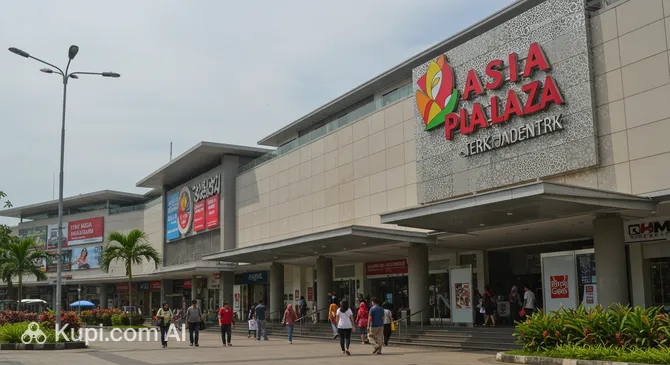
For those who prefer comfortable shopping in modern conditions, there are several large complexes in the city. The most popular and large-scale is the Asia Plaza Shopping Center. It is a full-fledged shopping and entertainment mall where you can find a large supermarket, fashion boutiques, a cinema, and an extensive food court area.
Asia Plaza Shopping Centre. Illustration.
Source: Kupi.com AI
Traveler photos:
Another important place for family shopping is the Yogya Tasikmalaya Shopping Center. This is a well-known chain department store, loved by locals for its wide range of quality goods — from fresh produce and clothing to household appliances — at affordable prices.
Markets
To immerse yourself in the true atmosphere of local trade, it's worth visiting the Rajapolah district, located on the outskirts of the city. This is a famous craft center where people specifically come for woven bamboo and pandanus products. You can buy everything here: from elegant baskets and hats to mats and bags. For fans of colorful food bazaars, the Cikurubuk Market (Pasar Cikurubuk), the largest in the city, will be of interest, selling fresh tropical fruits, spices, and bright fabrics.
Souvenirs
You cannot leave Tasikmalaya without local handmade masterpieces. Be sure to look for kelom geulis — elegant wooden heeled sandals decorated with carvings or hand painting. The city is also famous for its batik, which differs from classic Javanese batik with its brighter, more cheerful colors and floral patterns. Another symbol of the region is the decorative paper umbrellas payung geulis, which make a wonderful home decoration. Local embroidery (bordir), applied to clothing and fabrics, is also popular.
Opening Hours and Payment
Large shopping centers and supermarkets are usually open daily from 10:00 to 21:00 or 22:00. Traditional markets live by their own schedule: they start very early, around 5:00 AM, and close by lunchtime. Malls and chain stores accept credit cards (Visa, Mastercard) without issues, but for purchases at markets, in small souvenir shops, and at street stalls, you will definitely need cash in Indonesian Rupiah.
Tax Free
The VAT Refund system is practically non-existent in Tasikmalaya. Tax Free processing is geared toward tourists buying expensive goods at major international airports or luxury stores in Jakarta and Bali. When buying local craft goods and souvenirs in Tasikmalaya, you should not count on a tax refund.