Support

Pelabuhanratu

About

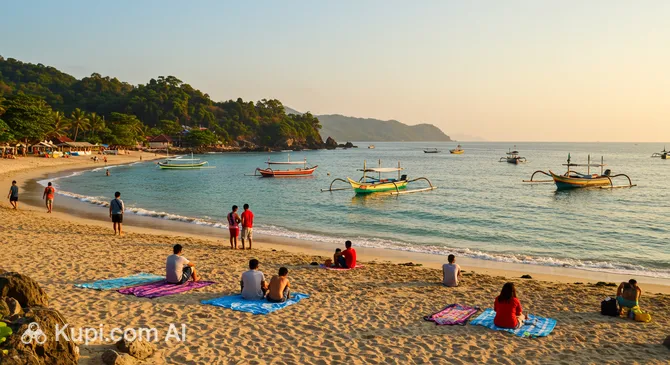
Pelabuhanratu is a cozy coastal town in the south of Java island, washed by the waves of the Indian Ocean. Its name translates from Indonesian as "Queen's Harbor," which is no coincidence: the town is picturesquely situated in a bay surrounded by green hills and rocky cliffs. This place is famous not only for its stunning sunsets but also for its unique atmosphere.
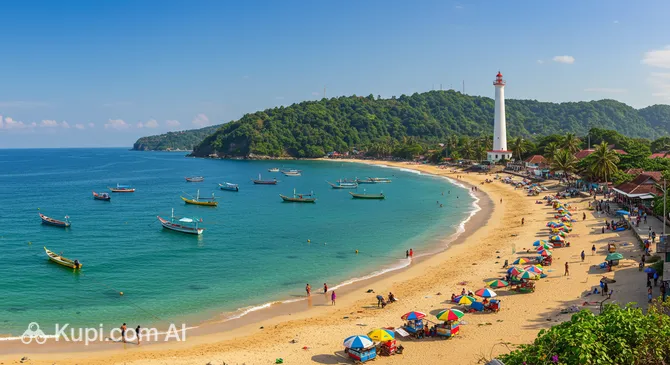
Pelabuhanratu. Illustration.
Source: Kupi.com AI

With a population of about 110,000 people, Pelabuhanratu maintains a cozy and leisurely atmosphere characteristic of small Javanese towns. Despite its relatively modest size, it is an important administrative and tourist center of the Indonesia region, attracting travelers with its authenticity and rich nature. Here, it’s easy to feel like part of local life while watching fishermen or strolling through colorful markets.

The town is particularly attractive to tourists thanks to its famous beaches, which are a true paradise for surfers from all over the world. Additionally, Pelabuhanratu is shrouded in mystical legends related to the Queen of the Southern Sea, which adds to its mystery. Amazing natural landscapes and unforgettable sunsets over the ocean make this place truly special.

Pelabuhanratu is worth a visit to enjoy harmony with nature, the sea, and the original culture of West Java. It is a place where everyone will find something for themselves: whether it's active recreation on the waves, contemplating picturesque landscapes, or immersing themselves in unique Indonesian culture.

You can find more interesting facts on the history of Pelabuhanratu page.
Weather Overview

In Pelabuhanratu, a warm and humid climate awaits you throughout the year. The average annual temperature hovers around 24-25°C, with maximums reaching 27-28°C and minimum night temperatures around 20-22°C. Expect a pronounced wet season from November to April, when rainfall can reach 10-14 mm per month and the number of rainy days can be as many as 27-30. The driest period falls in July and August, with minimal rainfall (2-3 mm) and fewer rainy days (around 14-15).

To learn more about weather conditions, you can view detailed information about the climate of Pelabuhanratu.

Average monthly temperature

Average monthly precipitation

Interesting Facts

Beyond its picturesque beaches and relaxing atmosphere, Pelabuhanratu hides many amazing stories and features that make it a truly unique place. Get ready to discover a few intriguing secrets of this charming corner of Indonesia!

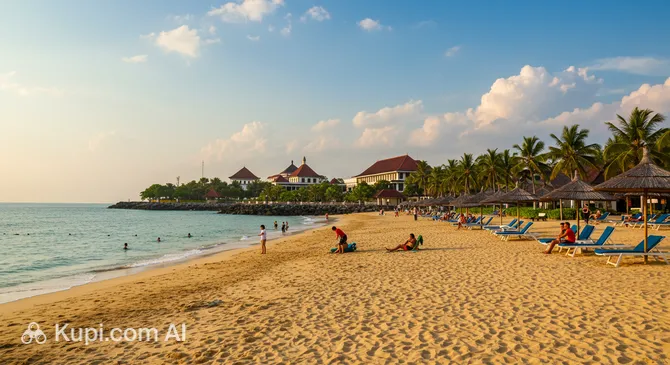
Citepus Beach. Illustration.
Source: Kupi.com AI

Traveler photos:

  • Home of the Queen of the Southern Sea: Pelabuhanratu is inextricably linked to the mystical figure of Nyi Roro Kidul, the legendary Queen of the Southern Sea. Locals deeply revere her as the powerful guardian of the ocean, and legends say her spirit dwells in the coastal waters, particularly around Pelabuhan Ratu Beach. Annual rituals and colorful festivals in her honor are an integral part of local culture and attract many observers.

  • World-Class Surf Spot: The town is known far beyond Indonesia as one of the best surf spots on Java. Pelabuhanratu's beaches, including the popular Citepus Beach, are famous for their powerful and consistent waves, perfect for surfing. International competitions are regularly held here, bringing together both professional athletes and enthusiasts of this thrilling sport.

  • Authentic Floating Market: One of the most colorful and original features of Pelabuhanratu is its unique floating market. It's not just a place to buy the freshest seafood directly from fishing boats, but also an opportunity to immerse yourself in the daily life of the locals and taste rare sea delicacies prepared according to traditional recipes.

How to Get There

There are several ways to reach the resort town of Pelabuhanratu, located on the southern coast of West Java in Indonesia. However, the most common option for international and many domestic tourists is a flight to one of the nearest major airports followed by a ground transfer. Pelabuhanratu itself does not have its own airport or a major railway station, so travelers should plan their route through neighboring transport hubs.

The main air gateways for a trip to Pelabuhanratu are the airports of Jakarta. The closest is Halim Perdanakusuma Airport (HLP), located in Jakarta about 88 km from Pelabuhanratu. This is a fairly large airport serving both domestic and some international flights. A trip from here to Pelabuhanratu by taxi or rented car will take about 2-2.5 hours, depending on traffic conditions. Public bus options can also be considered, though they may require more time and transfers.

Another, and often the primary option for international travelers, is Indonesia's main international airport, Soekarno–Hatta International Airport (CGK), also in Jakarta. The distance from there to Pelabuhanratu is about 96 km. Soekarno-Hatta is a massive and modern transport hub with many international and domestic flights. The journey to Pelabuhanratu from here takes approximately 2.5-3 hours. Various transfer options are available from Soekarno-Hatta Airport: taxis, car rentals, and the possibility of reaching bus terminals from which buses depart toward Pelabuhanratu.

Another airport to consider, especially if your itinerary includes a visit to the city of Bandung, is Husein Sastranegara Airport (BDO) in Bandung. It is located about 114 km from Pelabuhanratu. This is a medium-sized airport serving mainly domestic flights and some international destinations. The trip from there to the coast will take about 3-3.5 hours. This option can be convenient if you are planning a combined trip through West Java.

After arriving at one of these airports, the journey to Pelabuhanratu continues by road. You can use taxi services (it is recommended to choose official services or book via apps), order a private transfer, rent a car (if you are confident in your local driving skills), or use public buses that run between major cities and resort areas. If choosing a bus, it is recommended to check the schedule and departure point in advance.

For convenience, here is a summary of the main airports used to reach Pelabuhanratu:

AirportPassenger trafficDistance
Halim Perdanakusuma Airport3.8 mln88 km
Soekarno-Hatta International Airport51.0 mln96 km
Husein Sastranegara Airport3.8 mln113 km
Kertajati International Airport413 240182 km
Radin Inten II Airport1.1 mln246 km

Main Attractions

Pelabuhanratu, a picturesque coastal town in Indonesia, is famous for its magnificent beaches and natural beauty, attracting surfing enthusiasts, those seeking a quiet getaway by the ocean, and explorers of local culture. Here are several key attractions worth visiting in this charming place.

Pelabuhan Ratu Beach. Illustration.
Source: Kupi.com AI

Traveler photos:

The city's main gem is undoubtedly Pelabuhan Ratu Beach. This vast beach with golden sand is known for its surf-friendly waves, especially for beginners and intermediates. It is also a popular spot for watching stunning sunsets and enjoying fresh seafood at the numerous beachfront cafes (warungs).

Citepus Beach. Illustration.
Source: Kupi.com AI

Traveler photos:

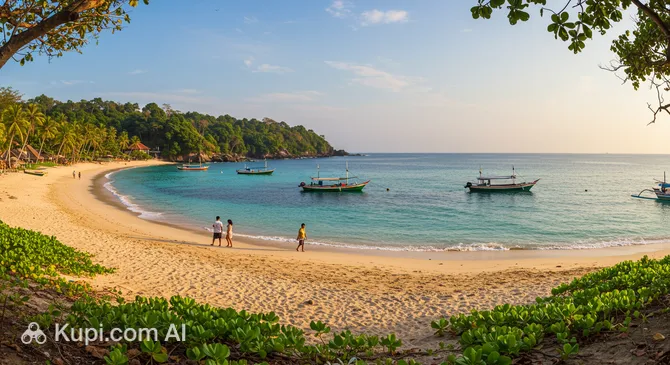
Another popular choice among tourists is Citepus Beach. It features calmer waters compared to other beaches in the region, making it ideal for families with children and those who prefer a relaxed swim. The wide coastline and scenic views contribute to a peaceful holiday.

Presidential Palace Beach Pelabuhanratu. Illustration.
Source: Kupi.com AI

Traveler photos:

Of particular interest is Pelabuhanratu Presidential Palace Beach. While the palace itself is a private residence and access may be limited, the adjacent beach area is open to visitors. This location offers beautiful landscapes and a chance to touch the history associated with one of the residences of Indonesia's first president.

Cangehgar Field Pelabuhanratu. Illustration.
Source: Kupi.com AI

Traveler photos:

For those who want to experience the city's atmosphere and observe local life, Pelabuhanratu Cangehgar Square is well worth a visit. This is the central public space where various events and fairs are often held, and where locals gather. A walk through the square will provide a better understanding of daily life in Pelabuhanratu.

Local Cuisine

The gastronomic scene of Pelabuhanratu is a true paradise for fresh seafood lovers. The highlight of local cuisine is undoubtedly the gifts of the sea. Be sure to try the fish, squid, shrimp, and crabs, expertly grilled with aromatic spices and traditionally served with spicy sambal sauce. A signature dish that shouldn't be missed is "Ikan Bakar" – charcoal-grilled fish, usually served with rice and fresh vegetables. This simple yet incredibly tasty dish perfectly captures the spirit of coastal cooking.

In addition to magnificent seafood, Pelabuhanratu offers other Javanese delicacies. Look out for a variety of snacks, such as fried bananas or pastries filled with fish or vegetables. Juicy exotic fruits are sold at every turn. Among the drinks, "es cendol" is particularly popular – a refreshing sweet dessert based on coconut milk, jelly-like green rice flour "worms," and palm sugar. It's the perfect way to cool off on a hot day.

Food culture in Pelabuhanratu is closely tied to street food and local markets. Along the waterfront and in the markets, you will find many small stalls and mobile carts (warungs) where fried sea delicacies, aromatic chicken or meat "sate" (satay) skewers, and traditional Javanese soups are prepared right before your eyes. This is not just an opportunity to eat well but also to immerse yourself in the authentic atmosphere of the town, enjoying the smells of spices and freshly prepared food. The town is also known for its gastronomic festivals dedicated to fish and seafood, where local chefs showcase their skills.

Travel Tips

Welcome to Pelabuhanratu, a charming coastal town in Indonesia known for its picturesque beaches and legends! To make your journey to the "Queen's Harbor" as comfortable and pleasant as possible, we have prepared some practical tips.

  1. Clothing and Essentials: Pelabuhanratu has a tropical climate, so choose light, breathable clothing made of cotton or linen. T-shirts, shorts, sundresses, and of course, swimwear will be your best friends. Don't forget a hat, sunglasses, and high-SPF sunscreen. For walks along the beach and the surrounding area, sandals or flip-flops are ideal, while light sneakers are better for more active pursuits. Bring a power adapter (types C and F are used in Indonesia). When visiting local temples or other religious sites, modest clothing covering shoulders and knees may be required.
  2. Local Transport: The main ways to get around Pelabuhanratu are local minibuses called "angkot" and motorcycle taxis – "ojek". The latter are especially convenient for short trips and can be easily ordered through popular Indonesian apps like Gojek or Grab. Renting a scooter can be a good option for exploring the area independently, but ensure you have an international driving permit and be careful on the roads. For more comfort, you can rent a car with a driver.
  3. Financial Matters: The local currency is the Indonesian Rupiah (IDR). You can exchange money at banks or official exchange offices. Credit cards (Visa, Mastercard) are accepted in most hotels and large restaurants, but always carry enough cash for purchases at markets, in small cafes (warungs), and for local transport fares. ATMs are available, but it's best to use those located at bank branches. Tipping is not mandatory but appreciated (5-10% in restaurants).
  4. Health and Safety: There are pharmacies ("apotek") in town, but the selection may be limited, so it's better to bring basic medications with you. Be sure to get travel medical insurance. Drink only bottled water. Pelabuhanratu is generally safe, but follow standard precautions: watch your belongings, especially on the beach, and avoid walking alone in dark, deserted places at night. Be careful when swimming in the ocean, as currents can be strong.
  5. Language and Connectivity: The official language is Indonesian (Bahasa Indonesia). In tourist areas, staff may speak English, but knowing a few phrases in the local language will be very helpful and appreciated by locals. For example: "Terima kasih" (Thank you), "Selamat pagi" (Good morning), "Berapa harganya?" (How much is it?). You can buy a local SIM card (e.g., Telkomsel or XL Axiata) at numerous mobile stalls; a passport is required for registration. Wi-Fi is available in most hotels and cafes.
  6. Local Etiquette: Indonesians are very friendly and polite. Greet people with a smile and a slight nod. Try to use your right hand when passing items or food, as the left hand is considered unclean in some cultures. It is customary to remove your shoes when entering a home or a mosque. Avoid public displays of strong emotion and do not point at people with your finger (it's better to use your thumb or an open palm).
  7. What to Avoid: Try not to criticize local customs, religion, or lifestyle. It is also not recommended to wear green clothing while swimming in the ocean, as this is associated with the local legend of Nyi Roro Kidul, the Queen of the Southern Sea, and may be perceived by some locals as disrespectful or a challenge.
  8. Additional Tip: Pelabuhanratu is famous for its fresh seafood. Be sure to visit local beachfront eateries (warungs) and try the grilled fish. The town is also a popular surfing destination, especially Cimaja Beach. Even if you don't plan to catch any waves, watching the surfers is a fascinating sight.

We hope these tips help you prepare for your trip and get the most out of your stay in amazing Pelabuhanratu. Enjoy the beauty of Indonesia, its hospitality, and its unique culture!

Entertainment & Nightlife

Evening Pelabuhanratu offers a more relaxed getaway than a boisterous club scene. This resort town on the Indian Ocean coast is better known for its picturesque beaches and surfing opportunities, but there are still pleasant activities to find after dark. The nightlife here is not as active as in major metropolises, but it has its own charm.

Most evening activity is concentrated along the coast and near the main beaches. Instead of noisy nightclubs, you are more likely to find cozy cafes and restaurants offering fresh seafood and local dishes to the sound of the surf. Some hotels also have bars where you can spend the evening in a quiet setting. There are no specialized nightlife districts with a high concentration of clubs in Pelabuhanratu; the atmosphere here is more intimate and geared toward family or romantic getaways.

The atmosphere in evening establishments in Pelabuhanratu is predominantly informal. There is usually no strict dress code, and comfortable resort wear is welcomed. The crowd is mixed, consisting of both locals and tourists enjoying the cool air after a hot day. Establishments usually stay open until late evening but not all night. The best time to visit is after sunset when the heat subsides.

Prices in local cafes and restaurants are generally moderate. You can reach your destination in the evening by taxi or rented scooter, but it's wise to arrange transport in advance, especially if you plan to stay out late. Regarding safety, the central and tourist areas are considered safe enough for evening walks, though it is always recommended to take standard precautions and use official taxi services.

While the choice of specialized nightclubs in Pelabuhanratu is limited, a pleasant evening can be spent, for example, at a resort restaurant like the Bunga Ayu Seaside Resort, which often offers dinner with an ocean view. It's also worth checking out small establishments and warungs (local cafes) near popular beaches, such as Citepus Beach or Pelabuhan Ratu Beach. Here, you can soak in the local atmosphere and try traditional dishes and drinks.

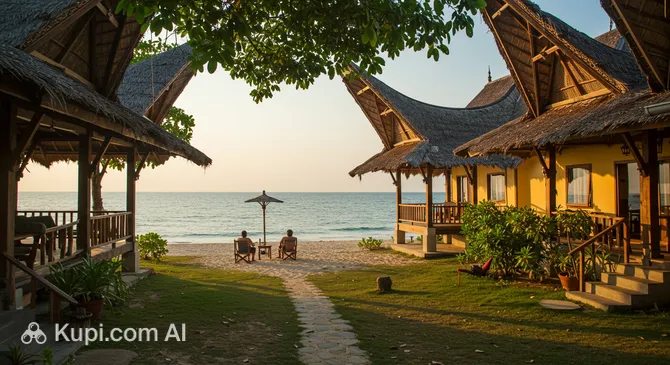
Bunga Ayu Seaside Resort. Illustration.
Source: Kupi.com AI

Traveler photos:

During the day, Pelabuhanratu offers plenty of outdoor entertainment. The main magnet is certainly its beaches, such as the aforementioned Citepus Beach or the scenic Pelabuhanratu Presidential Palace Beach, ideal for surfing, swimming, and simply relaxing on the sand. You can also take a stroll through the town's Pelabuhanratu Cangehgar Square to observe local life. There are few museums or theaters in the traditional sense, as the town is more focused on natural and beach tourism.

Parks & Museums

Pelabuhanratu, a charming coastal town in Indonesia, offers its guests a unique combination of natural beauty and opportunities to get acquainted with local culture, where the ocean itself and life around it play the leading role rather than traditional parks and museums.

Instead of classic urban parks, Pelabuhanratu takes pride in its magnificent beaches, which serve as the primary recreation and attraction zones for tourists. One of the most famous is Citepus Beach, offering a wide sandy strip ideal for walking, sunbathing, and watching fishing boats. It is a popular spot for both locals and visitors alike.

Citepus Beach. Illustration.
Source: Kupi.com AI

Traveler photos:

The central beach that gives the town its name is Pelabuhan Ratu Beach. It is famous for its powerful waves, which attract surfers, and its picturesque views, especially at sunset. Legends associated with the Queen of the Southern Sea, Nyi Roro Kidul, give this place a special mystical atmosphere.

Pelabuhan Ratu Beach. Illustration.
Source: Kupi.com AI

Traveler photos:

For those looking for a quieter setting, Pelabuhanratu Presidential Palace Beach can be an excellent choice. Located near one of the presidential residences, this beach is often less crowded and offers wonderful conditions for relaxed recreation by the water.

Presidential Palace Beach Pelabuhanratu. Illustration.
Source: Kupi.com AI

Traveler photos:

Although there are no major museums or art galleries in the traditional sense in Pelabuhanratu, the town's cultural heritage can be felt while walking through its streets and observing daily life. Pelabuhanratu Cangehgar Square is one of the public hubs where you can see locals, relax, and feel the rhythm of the town.

Cangehgar Field Pelabuhanratu. Illustration.
Source: Kupi.com AI

Traveler photos:

The culture of Pelabuhanratu is closely linked to the sea. To dive deeper into it, visit the local fish markets early in the morning – it is a real spectacle demonstrating the wealth of the ocean's gifts and the skill of the fishermen. Also, don't miss the chance to try the freshest seafood at the many beachfront cafes known as "warungs."

Insider Tip: For an authentic experience, take a walk along the lesser-known beach sections around the town or chat with local fishermen – they can tell many interesting stories about life by the ocean and may even offer a boat trip.

Getting Around

Getting around Pelabuhanratu is fairly simple, although the public transport system has its own characteristics common to many Indonesian towns of this size. You won't find subways, trams, or trolleybuses here, but there are other convenient ways to explore the town and its surroundings.

The main form of public transport in Pelabuhanratu is the angkot (share taxis or small minibuses). They run on specific, though sometimes loosely fixed, routes, connecting various parts of the town and nearby settlements. Occasionally, you may see local buses serving longer routes, but angkots remain the most popular choice for short trips around town.

The fare payment system in Pelabuhanratu is quite straightforward. Generally, payment is made in cash directly to the driver or conductor (if there is one) upon exiting or sometimes upon entering. Fares are usually low and depend on the distance. It is recommended to have small bills on hand for convenience. Specialized transit cards or mobile apps for public transport payment are typically not used here.

To use an angkot, simply wave your hand at the driver on the street. Routes may be marked on the vehicle itself (often by color or number), but it is most reliable to confirm the direction with the driver or locals. Angkots usually operate from early morning until evening, though their frequency may decrease in the late hours. There is typically no fixed schedule – vehicles depart as they fill up.

In addition to public transport, other ways to get around are available in Pelabuhanratu. Ojeks (motorcycle taxis) are very popular – a fast and maneuverable way to get to your destination, especially for short distances or in heavy traffic. You can also use regular taxi services, which are best booked through well-known local services or your hotel to avoid inflated prices. For greater freedom of movement, you might consider renting a scooter or car, especially if you plan to explore the town's surroundings on your own.

Accommodation

In Pelabuhanratu, tourists will find a variety of accommodation options to suit different preferences and budgets. The town offers everything from budget guesthouses and hostels for the economy traveler to comfortable mid-range hotels and full-service resort complexes for more demanding guests. Private villas or apartments are also available for rent, which are particularly popular among families and large groups.

The most sought-after areas to stay are traditionally those located in close proximity to the coast and main beaches, such as Citepus Beach or Pelabuhan Ratu Beach. This ensures easy access to the sea and major tourist activities. Many hotels and resorts offer rooms with ocean views, which adds to the appeal of the stay. Notable options include the Bunga Ayu Seaside Resort, which offers comfortable accommodation by the sea.

The price range for housing in Pelabuhanratu varies from budget to mid-range and higher, depending on the level of comfort, location, and season. During peak tourist season, especially during national holidays or school breaks, it is recommended to book accommodation in advance, as popular options can sell out quickly. For searching and booking, it is convenient to use popular online platforms like Booking.com and Agoda, or contact hotels directly through their official websites.

Nearby Cities

For those looking to explore the surrounding area, Pelabuhanratu serves as an excellent base for day trips to several interesting nearby locations:

Among them, Bogor stands out, famous for its magnificent Botanical Garden (Kebun Raya Bogor) and historic Presidential Palace, offering a unique blend of nature and cultural heritage. Also worth considering is a trip to Sukabumi — a city that attracts with its cooler climate, picturesque tea plantations, and opportunities to explore the natural beauty of West Java, such as waterfalls and mountain landscapes. This is a great place for those seeking a quiet holiday and beautiful views.

CityPopulationDistance
Sukabumi320 97043 km
Leuwiliang124 67047 km
Bogor1 030 72052 km
Tegalbuleud25 00052 km
Curug174 86754 km

These nearby destinations provide an insight into the diverse culture and landscapes of the region.

Shopping & Souvenirs

Shopping in Pelabuhanratu is more about immersing yourself in local flavor than chasing brands. The town is not famous for large shopping malls, but here you can find authentic goods and souvenirs reflecting the region's culture and nature. The main focus should be on local markets and small shops.

The main retail outlets are concentrated along the town's primary streets and near popular beaches, such as Citepus Beach or Pelabuhan Ratu Beach, where you can often find stalls with souvenirs and beach accessories. There are no specialized shopping streets in the European sense; shopping is more dispersed and represented by individual shops and markets.

You likely won't find large modern shopping centers in Pelabuhanratu. Instead, small private shops predominate, offering daily necessities, clothing, and products by local artisans.

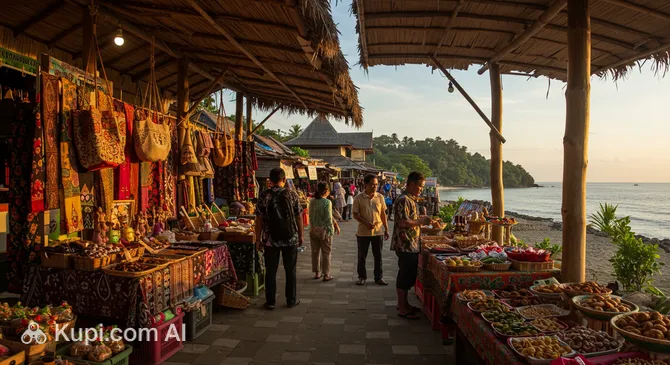
Markets are where the trading life of Pelabuhanratu truly bustles. The central traditional market (pasar) offers fresh fruit, vegetables, spices, seafood, and local delicacies. It is a great place to observe the daily life of the residents and buy something delicious. Souvenir shops with handmade items can also be found in and around the markets.

As souvenirs from Pelabuhanratu, it's worth bringing back local handicrafts: these could be items made of shells, carved wooden figurines, or traditional Indonesian fabrics like batik. Local snacks and sweets are also popular. Since the town is on the coast, you can sometimes find interesting nautical-themed souvenirs.

Opening hours for shops in Pelabuhanratu can vary. Traditional markets usually open early in the morning and run until lunch or mid-afternoon. Small shops are most often open from 9:00-10:00 AM to 5:00-6:00 PM, and some may close for a lunch break. In tourist areas, some stalls may stay open longer. The main payment method, especially in markets and small shops, is cash (Indonesian Rupiah). Larger hotels or some shops may accept bank cards, but it's always best to have enough cash on hand.

The possibility of a tax refund (Tax Free) exists in Indonesia, but it typically applies to large purchases in authorized stores in big cities and is processed at international airports when leaving the country. In smaller towns like Pelabuhanratu, finding shops participating in the Tax Free system is unlikely.

Reached the end of the page?

That means the route is fully explored