Support

Great Mosque of the Surakarta Palace

About

The Great Mosque of the Surakarta Palace, also known as Masjid Agung, is the primary religious and cultural center of Solo, located in the heart of Java, Indonesia. This historic mosque is situated in close proximity to the Keraton Surakarta palace complex, the former residence of Javanese monarchs, highlighting its inseparable link with the region's history and traditions.
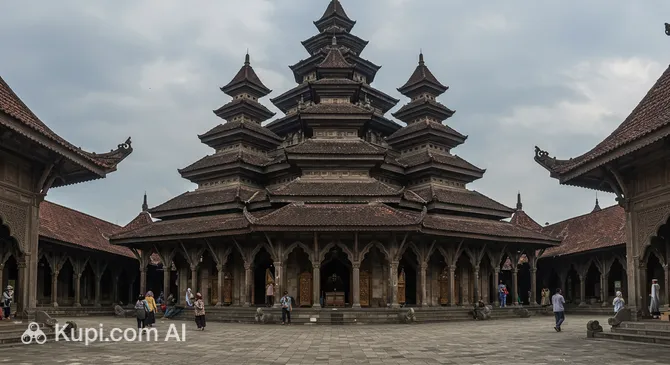
Great Mosque of the Surakarta Palace. Illustration.
Source: Kupi.com AI

Traveller photos:

The mosque's architecture is a prime example of traditional Javanese style. Its most recognizable feature is the multi-tiered roof (meru), characteristic of sacred structures in Java. The building is surrounded by a spacious courtyard and additional pavilions used for educational and community events, making the complex an important gathering place for the local community.

For travelers, a visit to the Great Mosque is an opportunity to touch the living culture and spiritual life of Indonesia. Its unique architecture, historical significance, and tranquil atmosphere attract not only believers but also anyone interested in the history and art of Southeast Asia. It is a place where you can feel the authentic spirit of an ancient Javanese city.

Contacts

The Great Mosque of the Surakarta Palace is an important historical and religious site located within the Keraton palace complex. Typically, such places do not have dedicated contact details for tourists. To visit the mosque, simply head to the palace; it's best to check for current information on rules and visiting hours directly on-site or at tourist information centers in the city of Solo.

How to contactContact
AddressJl. Masjid Agung No.1, Kauman, Kec. Ps. Kliwon, Kota Surakarta, Jawa Tengah 57122, Indonesia
Phone+62 271 643363

What to Do

Visiting the Great Mosque of the Surakarta Palace is a chance to connect with the spiritual and cultural life of Solo. First and foremost, guests can enjoy the building's unique architecture. Look for the intricate wood carvings decorating the mosque and the traditional multi-tiered Javanese roof in the "tajug" style, which is a hallmark of Javanese architecture. This is a wonderful place to take photos and experience a quiet, peaceful atmosphere.

Inside the mosque, visitors can learn about local religious customs. As an active place of worship, you can observe daily prayers and larger ceremonies here. The mosque is especially lively on Fridays and during major Islamic holidays when many worshippers gather. By showing respect for local traditions, you will gain a unique insight into the culture of Indonesia.

The exploration isn't limited to the mosque building alone. It is part of the larger Keraton Surakarta palace complex. You can walk through the adjacent square (alun-alun), which serves as a center of public life. For those who want to understand the history of this place more deeply, guided tours are often available. Guides explain the significance of the mosque to the sultanate and its role in Javanese society, making the visit even more educational and memorable.

Getting There

The Great Mosque of the Surakarta Palace is located in the very heart of Solo, right next to the famous Keraton palace complex. Thanks to this convenient location, getting there is quite easy. The most comfortable and fastest way is to use a taxi or a local motorcycle taxi, known here as an ojek. You can flag one down on the street or book one via popular ride-hailing apps.

If you prefer public transport, you can reach the mosque by one of the city buses or minibuses that run along the city's main streets. For tourists arriving in Solo by train, the journey from Solo Balapan Railway Station takes just 10–15 minutes by car. The mosque is a well-known landmark, so locals and taxi drivers will easily understand where you need to go. Independent travelers are recommended to use navigation apps for convenience.

Nearest city: Solo

History & Facts

The Great Mosque of the Surakarta Palace, or Masjid Agung, was built in the 18th century, shortly after the founding of the Surakarta Sultanate. Its history is inextricably linked to the division of the powerful Mataram State in 1755. From its inception, the mosque was intended not just as a place of prayer, but as the primary religious center of the new sultanate, where major public and spiritual ceremonies would take place.

The uniqueness of the mosque is evident in its architecture, which is a striking example of a cultural fusion. Its appearance harmoniously blends traditional Javanese motifs with classic elements of Islamic architecture. This architectural synthesis is characteristic of religious buildings in the region and makes the mosque not only a religious site but also a significant monument of Indonesia's cultural heritage.

Throughout its history, the mosque has been restored multiple times, yet craftsmen have managed to carefully preserve its original appearance and spirit. It has always been more than just a house of prayer—it has been the heart of the city's public life. Important decisions were made here, meetings were held, and pressing issues were discussed. Today, the Great Mosque remains one of the primary symbols of Solo's spiritual heritage and an important part of its cultural landscape.

Time Needed

To see the Great Mosque of the Surakarta Palace and its immediate surroundings, most travelers will find 1–1.5 hours sufficient. This is enough time to take a leisurely stroll through the grounds, appreciate the unique Javanese architecture, take photos, and soak in the peaceful atmosphere of this sacred place. Such a visit will give you a good general impression of the mosque as a standalone attraction.

If you want to delve deeper into the history and culture of Solo, it is recommended to set aside 2–3 hours. This extra time will allow you not only to see the mosque itself but also to explore the surrounding Keraton Surakarta palace complex. You will better understand the historical connection between the palace and the mosque and learn more about the significance of this site for all of Indonesia.

Working Hours

The Great Mosque of the Surakarta Palace is generally open to visitors daily from early morning until late evening. Since it is an active religious institution, tourists should plan their visit so it does not coincide with the main prayer times. This is especially important on Fridays and during major religious holidays when the mosque hosts a large number of worshippers.

Exact opening hours may vary depending on the season and the religious calendar, so it is highly recommended to check current information on-site before your visit. Advance ticket booking is usually not required, but visitors must follow a dress code: clothing should be modest and covering. The mosque is open to guests year-round.

Open 24/7

Nearby

A visit to the Great Mosque of the Surakarta Palace is just the starting point for exploring the rich cultural heritage of Solo. The mosque's surroundings are packed with historical and cultural sites, many of which are within walking distance. Exploring these places will allow you to dive deeper into the atmosphere of Javanese culture and see how closely religion, history, and daily life are intertwined in this unique city.

Thanks to the compact layout of the attractions, you can easily create a walking route that will enrich your journey with new impressions. Below is a list of interesting places located nearby, along with their distance from the mosque.

NameDistance
Kauman Batik Village0.1 km
Northern Alun-Alun of Surakarta0.2 km
Surakarta Hadiningrat Palace0.4 km
Slamet Riyadi Statue0.4 km
Fort Vastenburg0.5 km
Djoeang 45 Building0.6 km
PION Executive KTV & Bar0.7 km

Reached the bottom of the page?

Looks like you know this route inside out