Support

Sheikh Safi Al-Din Ardabili's Shrine

About

In the heart of the ancient city of Ardabil lies the Sheikh Safi al-Din Khanegah and Shrine Ensemble—a masterpiece of medieval Islamic architecture and a UNESCO World Heritage site. This unique ensemble harmoniously combines the functions of a spiritual center, a memorial, and a cultural hub, standing as one of the most significant landmarks modern Iran has to offer.
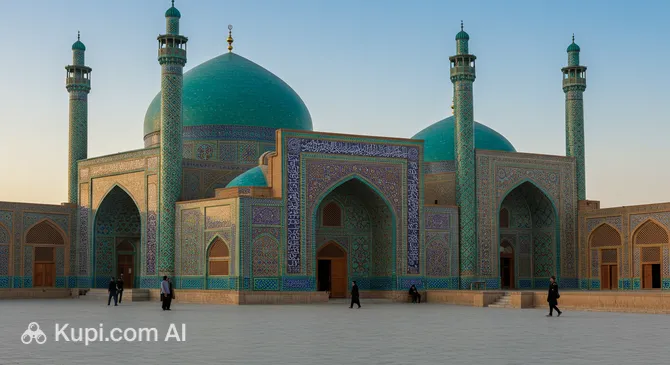
Sheikh Safi al-Din Khānegāh and Shrine Ensemble
Sheikh Safi al-Din Khānegāh and Shrine Ensemble. Иллюстрация. Источник: Kupi.com AI

The centerpiece of the complex is a majestic 17-meter cylindrical tower-mausoleum, its dome and walls shimmering with intricately laid colored tiles. Surrounding it are prayer halls, an 13th-century octagonal mosque, and the famous Chini-khaneh building, which once served as a repository for precious porcelain. The architecture of the complex is strikingly well-thought-out: it included a library, a hospital, a school, and even a bakery, highlighting the site's role as an important social center of the past.

Visitors are drawn not only by its historical value but also by the incredible aesthetics of the interiors. The walls of the halls are decorated with filigree carving, calligraphy, and gilding, creating an atmosphere of spiritual grandeur. This monument serves as a living testament to the Safavid era, showcasing the pinnacle of craftsmanship achieved by Iranian architects and artists.

Contacts

To clarify details before your visit or to organize a group tour, you can use the following contact information:

How to contactContact
Addressاردبیل، خيابان شيخ صفي الدين اردبيلي، 67XR+6FF عالی قاپو، Iran
Phone+98 45 3324 2411

What to Do

Start your visit with a leisurely stroll through the long alley and inner gardens. Here, you can appreciate the scale of the ensemble and capture impressive shots of the facades adorned with azure and turquoise tiles. Be sure to linger in the courtyard with the pool: its portal, built in 1647, is considered one of the finest examples of majolica decoration from that period.

Inside the buildings, a true immersion into art awaits. The main highlight is the Mausoleum of Sheikh Safi al-Din and the tomb of Shah Ismail I, where the craftsmanship of medieval calligraphers and woodcarvers reaches its peak. Don't miss the Chini-khaneh hall: its walls are covered with hundreds of patterned niches that once housed a collection of imperial porcelain. It is one of the most unusual and photogenic rooms in the entire complex.

For connoisseurs of culture and history, the local library is open, housing thousands of rare manuscripts. The quiet and cool of the stone halls encourage peaceful contemplation of the details: look for the silver and gold inlays, as well as the complex geometric patterns that cover literally every inch of the space. Visiting this site offers a rare opportunity to touch Sufi traditions and see Safavid masterpieces in their original form.

Getting There

Finding this architectural masterpiece is easy, as it is located in the very center of Ardabil on the street of the same name, Sheikh Safi al-Din Street. If you arrive in the city via Ardabil Airport (ADB), the journey to the complex is about 10 kilometers. A taxi ride from the terminal will take approximately 15–20 minutes and is the most comfortable way to reach the site.

Intercity buses are available for those traveling from Tehran or Tabriz. From the city's main bus station, you can reach the complex by local taxi or city bus in just 5–10 minutes. The complex is well-marked with road signs, as it is the region's primary tourist landmark.

If you are already in the city center, the entrance is easily accessible on foot. Parking for private vehicles is available near the site, and Google Maps navigation will lead you accurately to the main gates of the ensemble in the Ali Qapu district.

Ближайший город: Ardabil

History & Facts

The history of this site is inextricably linked to the figure of Sheikh Safi al-Din (1252–1334), a prominent Sufi mystic and the founder of the "Safaviyya" order. After his passing in 1334, his son, Sadr al-Din Musa, erected a mausoleum over his father's grave. Over time, this modest burial site transformed into a monumental religious and political center, becoming the cradle of the Safavid dynasty.

During the 16th and 17th centuries, as the Safavids rose to power in Iran, the complex was continuously expanded and embellished. It became the final resting place for rulers and noble warriors, including the famous Shah Ismail I. Each ruler sought to contribute to the shrine's appearance by adding new halls, courtyards, and exquisite finishes, turning the ensemble into a true encyclopedia of medieval Iranian architecture.

Of particular historical value is the combination of various architectural schools—from northern to southern traditions. In 2010, UNESCO officially recognized the exceptional importance of the site by including it on the World Heritage List. Today, it is not merely a royal cemetery, but a symbol of the country's spiritual heritage and cultural flourishing.

Time Needed

To explore every corner of this grand ensemble without rushing, a typical visitor will need between 2 to 3 hours. This is ample time to not only see the main buildings but also to experience the special meditative atmosphere of the Sufi retreat.

It is worth setting aside about 30–45 minutes for a stroll through the outer gardens and the long alley leading to the entrance. The bulk of your time—about 1.5 hours—will be spent on a detailed study of the inner halls: the mausoleum, the Chini-khaneh with its unique niches, and the richly decorated mosques. If you plan on taking photographs or decide to visit the library, it is better to have an extra half hour in reserve.

Working Hours

The Mausoleum and Khanegah complex welcomes visitors daily. The gates are open from early morning until evening, allowing you to choose a convenient time for your visit depending on the lighting you wish to capture for photos.

Opening Hours:

  • Monday — Sunday: 08:30 – 17:30
Please note that during public or religious holidays, working hours may vary slightly, so it is recommended to check the information in advance.

8:30 – 17:30

Nearby

Exploring the surroundings of the mausoleum will allow you to fully experience the atmosphere of modern Ardabil. Near the historical center, you will find places for recreation and entertainment to help you unwind after immersing yourself in ancient history.

Most interesting locations are within walking distance or a short taxi ride away, making it easy to plan a full day's itinerary.

NameDistance
Shah Abbas Restaurant1 km

Reached the end of the page?

That means the route is fully explored