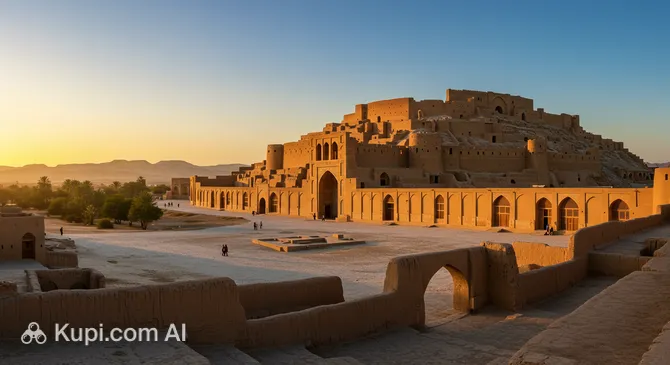
General Overview
Shopping in Bam is significantly different from typical shopping trips in metropolises. You won't find huge shopping centers with global clothing brands here, but you can immerse yourself in the atmosphere of an authentic Eastern bazaar and purchase unique goods for which this region is famous. Trade here is closely linked to a rich agricultural heritage and crafts, so local delicacies and handmade items are the main objects of interest for tourists.
Main Shopping Areas and Streets
Following the city's large-scale restoration, commercial life has concentrated along its main thoroughfares. Major stores and shops can be found on Imam Khomeini Street and its surrounding blocks. Pharmacies, grocery stores, clothing shops, and souvenir outlets are located here. A stroll along these streets will allow you not only to make purchases but also to observe the steady rhythm of the townspeople's lives.
Shopping Centers
In Bam itself, the large mall format is not common; trade is conducted mainly in individual shops or arcades. However, if you are looking for a more modern shopping format, you should look at the commercial zones in the Arg-e Jadid tourist complex ("New Citadel"), located in the suburbs. The infrastructure there is more Europeanized, and you can find stores with souvenirs, clothing, and household items in a setting more familiar to a Western tourist.
Markets
The heart of trade in the city is the Traditional Bazaar. Although the historical rows suffered in the past, the spirit of the Eastern market is as alive as ever. It is the best place to buy the freshest fruits, vegetables, and spices. Special attention should be paid to seasonal fruit stalls: the scents of citrus and mountains of dates create a unique atmosphere. The market is not just a place for buying and selling, but also a center of social communication where bargaining and exchanging news is common.
Souvenirs: What to Bring Back
The city's main brand is undoubtedly Mazafati dates. Bam is considered the world capital of this variety: local fruits are distinguished by their dark color, softness, and incredibly sweet taste. You can buy them in beautiful gift boxes almost everywhere. Additionally, the Kerman province is famous for its high-quality cumin (zira) and traditional Kolompe sweets—cookies filled with dates and flavored with cardamom and rose water.
Among the craft items, palm leaf weaving (Hasir-bafi) stands out. Local masters skillfully weave baskets, mats, hats, and fans, which will serve as an excellent and practical reminder of the trip. These eco-friendly souvenirs are lightweight and durable, making them convenient for transport.
Opening Hours and Payment
When planning your shopping trip, be sure to take the traditional siesta into account. Most shops and market stalls open around 08:00–09:00, work until 13:00, and then close for a break due to the heat. Evening trade resumes after 16:00–17:00 and lasts until 21:00–22:00. Payment is made almost exclusively in cash (rials); international Visa and Mastercard cards do not work in Iran. Some large stores may have terminals, but they only accept local bank cards.
Tax Free
The Tax Free system for foreign tourists is currently practically non-functional, especially in smaller cities like Bam. You should not count on a VAT refund upon departure, so simply enjoy the affordable prices on local goods without expecting additional compensation.