Support

Kilkenny

About

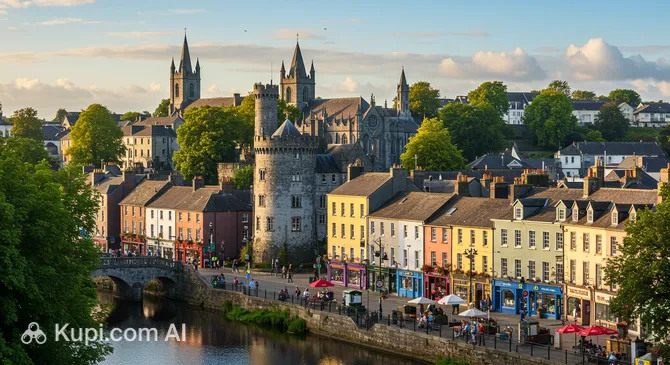
Kilkenny is a true Irish masterpiece, nestled comfortably on the banks of the scenic River Nore in the province of Leinster. This city feels as if it has stepped off the pages of ancient chronicles: here, ancient traditions and the modern rhythm of life are harmoniously intertwined. Despite its relatively small population of around 22,000 people, Kilkenny is a major cultural and tourist hub that Ireland is rightfully proud of.

Kilkenny. Illustration.
Source: Kupi.com AI

The city is often called "The Marble City" due to the specific black limestone used in the construction of many local buildings and pavements. This architectural feature gives the streets a unique, slightly mysterious charm. The eventful history of Kilkenny comes to life on the so-called Medieval Mile — a route that connects the city's main architectural gems, allowing travelers to literally touch the past.

Among the key attractions, the majestic Kilkenny Castle, which has become the region's hallmark, and the ancient St. Canice's Cathedral certainly stand out. But the city is famous for more than just its architecture: it is a recognized center for arts, crafts, and festivals. It is worth visiting to enjoy long walks along narrow cobbled streets, listen to live music in traditional pubs, and experience the legendary local hospitality.

Weather Overview

The climate in Kilkenny can be described as temperate and mild, without sharp temperature fluctuations, which is typical for this part of Ireland. Summers here are usually pleasant and not hot: in the warmest months, July and August, the average temperature is about 15–16°C, and maximum values rarely exceed 19°C. Winters are cool but generally without severe frosts: in January and December, the thermometer stays around 5–6°C.

A characteristic feature of the local weather is its variability and fairly high humidity. Precipitation falls regularly throughout the year: on average, expect between 12 and 17 rainy days per month, so an umbrella or waterproof jacket will be useful at any time of year. Expect a mild summer with periodic rain and cool, damp winters. To make your trip as comfortable as possible, we recommend checking in advance what weather in Kilkenny is expected during the dates of your visit.

Average monthly temperature

Average monthly precipitation

Interesting Facts

Beyond its well-known architectural monuments, this city holds many fascinating stories and legends that reveal themselves only to inquisitive travelers. Here are a few facts to help you see Kilkenny from a new perspective.

  • Temporary Capital. Few know that in the 17th century, the city effectively served as the country's capital. In 1642, the first national parliament in history was formed here — the Confederation of Kilkenny, which was a major political event of that era.

  • Mystical Heritage. The majestic Kilkenny Castle, which belonged to the powerful Butler clan for centuries, is shrouded in mystery. Local legends say that ghosts of the past can still be encountered within its ancient walls, making night tours here particularly popular.

  • Named After a Saint. The city was founded in the 6th century around a monastery and bears the name of its patron saint — Saint Canice (from the Irish Cill Chainnigh, meaning "Church of Canice"). Today, St. Canice's Cathedral stands on this historic site.

  • Center of Crafts. Kilkenny is famous for its artisans who carefully preserve ancient techniques. The city is home to unique workshops for pottery, glass, and silver, and the annual Kilkenny Arts Festival transforms the streets into a large creative playground.

Kilkenny Castle. Illustration.
Source: Kupi.com AI

Traveler photos:

How to Get There

When planning a trip around Ireland, it is important to consider logistics in advance and find out how to get to Kilkenny in the most convenient way. The city is located in the heart of the island, so the main option for international tourists remains flying into one of the international airports followed by a transfer to ground transport.

The most popular and convenient option is Dublin Airport (DUB), located in the capital. This is the island's largest aviation hub, receiving flights from all over the world. The airport is in Dublin, approximately 108 km from Kilkenny. The journey by car or bus takes about 1.5–2 hours. Thanks to the direct connection via the M9 motorway, most travelers choose this route.

An alternative option could be Shannon Airport (SNN), located in the west of the country in the town of Shannon. The distance to Kilkenny is about 114 km, and travel time by taxi or rental car is just under 2 hours. It is also worth considering Cork Airport (ORK) in southern Ireland (approximately 124 km from the city). Both airports have lower passenger traffic than the capital's but can be convenient if your route takes you through the western or southern counties.

For clarity, here is summary information on the main airports:

AirportPassenger trafficDistance
Dublin Airport34.6 mln108 km
Shannon Airport2.1 mln114 km
Cork Airport3.1 mln124 km
Kerry County Airport417 409164 km
Ireland West Airport Knock834 000175 km

If you are considering traveling by train, keep in mind that the list of nearby major hubs includes stations located in the UK. For example, the famous Lime Street Station (LXL) is located in the city of Liverpool, about 298 km away in a straight line (across the Irish Sea). Traveling through this hub involves using a ferry to Dublin (the SailRail route), which can be an adventure in itself but will take significantly longer than a direct flight.

Below is a table with data on the nearest major railway stations from the available list:

StationPassenger trafficDistance
Swansea railway station2.2 mln254 km
Lime Street Station12.3 mln298 km
Chester Central Station4.5 mln300 km

Main Attractions

Kilkenny is often called an open-air museum city, where every stone breathes history. The compact historical center allows you to explore the main attractions on foot while soaking in the medieval atmosphere. Here are several iconic spots that should definitely be included in your travel itinerary.

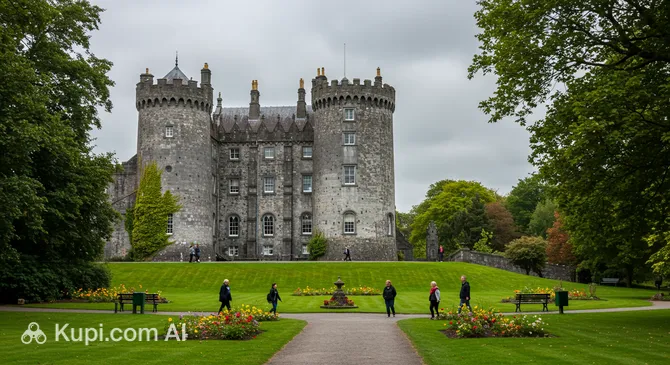
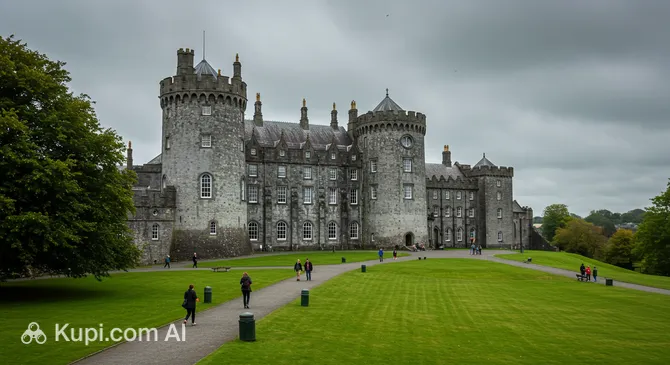
The absolute dominant feature of the city is the majestic Kilkenny Castle, overlooking the River Nore. Built in the 12th century, it served as the main residence of the powerful Butler clan for six centuries. Today, tourists can stroll through its luxurious halls, see the Long Gallery with portraits of the owners, and admire the superbly preserved Victorian-era interiors. A vast park surrounds the fortress, perfect for leisurely strolls.

Kilkenny Castle. Illustration.
Source: Kupi.com AI

Traveler photos:

Another architectural masterpiece is the Gothic St. Canice's Cathedral. It is one of the oldest churches in Ireland, built in the 13th century. Of particular interest is the adjacent 9th-century Round Tower — one of only two in the country that tourists are permitted to climb. After conquering the steep stairs, you will be rewarded with a stunning panorama of the city and the surrounding green hills.

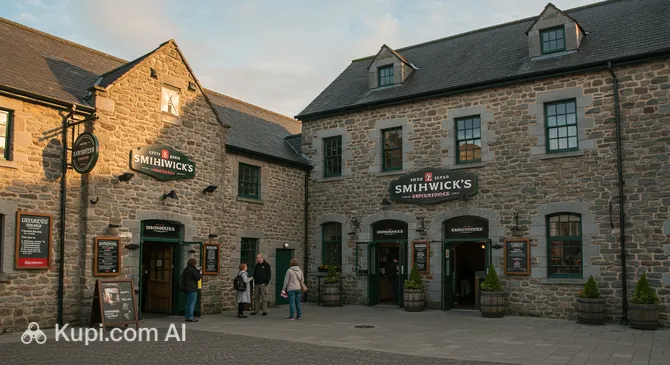
For those who want to get acquainted with Ireland's "liquid gold," the Smithwick’s Experience opens its doors. This is an interactive museum located on the site of an ancient Franciscan abbey where monks brewed ale as far back as the 14th century. Here, you will learn the secrets of producing the famous Smithwick’s Red Ale, immerse yourself in the history of brewing, and, of course, enjoy a tasting at the end of the tour.

Smithwick's Experience. Illustration.
Source: Kupi.com AI

Traveler photos:

Fans of sacred architecture should visit Black Abbey, founded in 1225. It got its name from the black cloaks worn by the Dominican monks. The building is famous for its stunning stained glass windows, particularly the "Rosary Window," which is considered one of the largest and most beautiful in Ireland. This place is filled with a peace and quiet that contrasts with the busy streets of the center.

Local Cuisine

The gastronomic map of Kilkenny is a true feast for foodies, where ancient Irish culinary traditions meet modern trends. Local cuisine is based on high-quality fresh farm products. Travelers should definitely try the classic Irish stew, tender beef stewed with dark ale, and, of course, the famous soda bread served with almost any dish. Proximity to rivers and the sea ensures the presence of excellent smoked salmon and thick fish chowders on the menu, perfect for warming up in cool weather.

The region's pride and joy are its drinks. The city gave its name to the legendary Kilkenny cream ale, which has been brewed here since the 13th century and is distinguished by its smooth taste and characteristic long-lasting head. In addition, local pubs offer an excellent selection of Irish cider, which pairs perfectly with cheese platters. If you want to immerse yourself in the authentic atmosphere of an old pub, visit Cleere's Bar and Theatre. This place is popular not only for its drinks but also for its cultural program, combining gastronomy with theatrical art.

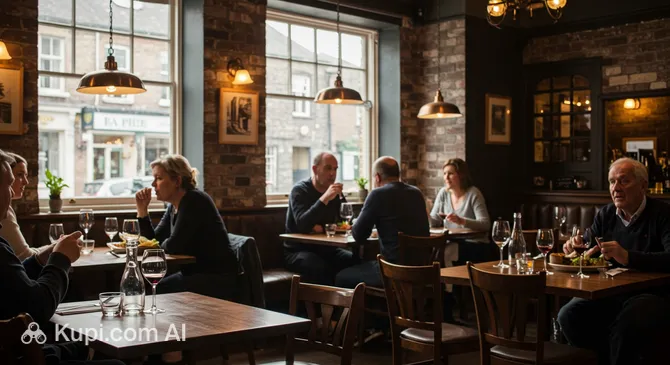
Dining culture in Kilkenny is diverse: from cozy street cafes to fine dining restaurants. Locals value leisurely breakfasts and lunches, so places like Cafe La Coco are always full of visitors wanting a cup of excellent coffee with homemade pastries. For a more substantial dinner focusing on meat delicacies and steaks made from select Irish beef, the Butcher Restaurant is an excellent choice.

Butcher Restaurant. Illustration.
Source: Kupi.com AI

Traveler photos:

Farmers' markets are an integral part of the city's gastronomic life. Here you can find organic vegetables, artisanal cheeses, and homemade jams that local producers are so proud of. And if your visit coincides with the Savour Kilkenny festival, you will witness a grand culinary event with masterclasses from chefs and tastings of the region's best dishes.

Travel Tips

Welcome to Kilkenny! To ensure your trip to this cozy medieval city goes perfectly and leaves only pleasant memories, we have prepared a list of useful recommendations to help you feel confident from your very first moments here.

  1. Clothing and Footwear. The weather in Ireland is changeable, so the best principle is layering. Be sure to bring a waterproof windbreaker and a high-quality umbrella, even if the sun is shining in the morning. Since the historical center is paved with ancient cobblestones, we strongly recommend leaving high heels at home and opting for comfortable sneakers or flat boots. For visiting cathedrals, a strict dress code is not required, but clothing should be neat and appropriate.

  2. Transport. Kilkenny is a very compact city, and its historical center is best explored on foot: the main attractions are within walking distance of each other along the "Medieval Mile." Public transport within the city is provided by buses, but they are rarely needed by the average tourist. For trips to the surrounding areas, you can use a taxi (apps like Free Now and Uber are popular) or rent a bicycle — a great way to see the green suburbs.

  3. Finances. The official currency is the Euro (€). Bank cards (Visa, Mastercard) are accepted almost everywhere, including pubs, museums, and souvenir shops. However, it is still worth having some cash (coins and small notes) for small purchases or tips. ATMs are easy to find on the main High Street. Tips in restaurants are usually 10–15% of the bill if a service charge is not automatically included.

  4. Health and Safety. Kilkenny is considered one of the safest and friendliest cities in the country; you can safely walk even in the evening. Nevertheless, observe standard precautions and do not leave personal belongings unattended in crowded pubs. Pharmacies usually work from 9:00 to 18:00, except on Sundays. In case of an emergency, dial the single number 112 or 999.

  5. Communication. The primary language of communication is English. Locals speak quite quickly and with a characteristic accent, but they are very open and always ready to repeat or explain directions. For mobile internet, it is most cost-effective to buy a local SIM card (operators Vodafone, Three, or Eir) at mobile phone shops in the city center. Free Wi-Fi is available in many cafes, hotels, and at the station.

  6. Local Etiquette. Irish people value politeness highly. It is customary to greet bus drivers when boarding and thank them when getting off. In pubs, there is an unspoken rule of "rounds": if you are out with a group of locals, everyone takes turns buying drinks for everyone else. If you are offered a drink, it is expected that you will buy the next round. Refusing can be perceived as impolite.

  7. What to Avoid. The main rule: never call the locals British and do not confuse Ireland with Great Britain — this is a serious historical error that can deeply offend your conversation partner. Also, try not to block narrow sidewalks while taking photos; respect the space of other pedestrians, as the streets in the center are indeed narrow.

  8. Insider Tip. Kilkenny is known as the "festival capital." Before your trip, be sure to check the city's events calendar. If your visit coincides with the Kilkenny Arts Festival or the Cat Laughs comedy festival, book restaurant tables several days in advance, as the city will be packed with guests and finding a free spot on the fly will be difficult.

We hope these tips help you plan your trip easily and avoid minor hiccups. Enjoy the unique atmosphere of "The Marble City," its living history, and the warmth of famous Irish hospitality!

Entertainment & Nightlife

Nightlife in Kilkenny is a legendary part of the local flavor, drawing tourists from all over Ireland. Unlike large metropolises with their noisy techno clubs, the culture here revolves around the traditional pub, live music, and friendly conversation. Evening entertainment is concentrated in the compact city center, where old facades hide some of the best drinking establishments in the country. The main arteries of nightlife are Parliament Street, John Street, and High Street.

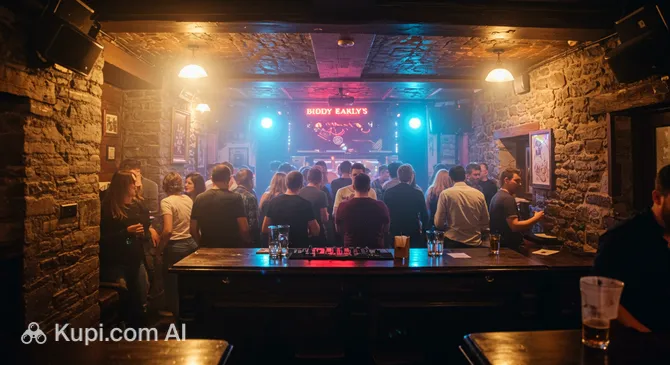
The atmosphere in local venues is incredibly democratic and warm. It is common to move from one pub to another, enjoying a variety of styles — from quiet corners with a fireplace to lively bars where Irish folk sessions roar. There is no dress code in most places, or it is defined as casual: jeans and comfortable shoes are appropriate everywhere. If you want to feel a real buzz and try excellent cocktails, we recommend visiting Biddy Early's. This popular spot is famous for its energetic atmosphere and often becomes a magnet for young people as the night goes on.

Biddy Early's. Illustration.
Source: Kupi.com AI

Traveler photos:

For those looking for a combination of cultural leisure and gastronomy, Cleere's Bar and Theatre is an ideal choice. This unique venue on Parliament Street allows you to not only enjoy a pint of excellent stout but also catch a theatrical production, a comedy show, or a live music concert in an intimate setting. The crowd here is diverse, ranging from local regulars to intellectual tourists, creating a unique vibe.

Practical tips for night owls: pubs usually stay open until 11:30 PM on weekdays and until 12:30 AM on weekends; night clubs are open until 2:00–2:30 AM. Kilkenny is a very safe city, and nighttime walks through the well-lit center pose no threat; however, as anywhere else, you should keep an eye on your personal belongings. It is better to call a taxi through apps (such as Free Now) or find one at designated taxi ranks, as hailing a car on the street on a weekend night can be difficult.

During the day, the city offers quieter but no less fascinating entertainment. Families with children and lovers of the exotic should definitely visit the National Reptile Zoo — the only one of its kind in Ireland, where you can see rare snakes and lizards. If you prefer shopping, head to MacDonagh Junction Shopping Centre, located in the restored historical buildings of a former workhouse and railway station.

Parks & Museums

Kilkenny harmoniously combines the rugged majesty of medieval stone with picturesque green oases and rich museum collections. For a traveler, this is a unique opportunity to alternate walks in the fresh air with an immersion into the depths of Irish history and culture hidden behind the walls of ancient buildings.

The city's main green artery and a favorite holiday spot for both locals and tourists is the extensive Kilkenny Castle Park. Spanning over 20 hectares, it offers ideal conditions for leisurely strolls, morning jogs, or picnics. Here you will find a well-kept rose garden, a decorative lake with a fountain, and shady alleys offering magnificent views of the castle itself and the River Nore. This place is beautiful at any time of year, but it is particularly charming in spring and golden autumn.

Kilkenny Castle Park. Illustration.
Source: Kupi.com AI

Traveler photos:

Another wonderful natural area for walking is the Nore Linear Park. This route runs along the riverbank, taking you away from the city bustle into the quiet of nature. The path, known as the Canal Walk, is surrounded by tall trees and ancient architecture, creating a romantic and peaceful atmosphere. It is a great way to see the city from a new perspective while enjoying the sound of water and birdsong.

The city's cultural heart beats in its museums. A must-visit is the Medieval Mile Museum at St. Mary's. Located in a former 13th-century church, it is a modern interactive space where 800 years of Kilkenny's history come to life before visitors' eyes. It houses unique stone crosses and Renaissance tombstones, while multimedia screens tell the stories of townspeople through the ages. It is the perfect starting point for understanding the historical context of "The Marble City."

Those interested in the history of daily life will find Rothe House fascinating — a unique 16th-century merchant complex consisting of three houses and three courtyards. It is the only monument of its kind in Ireland preserved almost in its original state. Inside is a museum with a collection of costumes and everyday items, and behind the building, a medieval garden has been restored with vegetables and herbs that were grown at the time.

Among the architectural gems not mentioned earlier, the majestic St. Mary's Cathedral stands out. Built of local limestone in the mid-19th century, it dominates the cityscape thanks to its tall tower. The cathedral's interior is striking for the elegance of its carvings and the play of light through its stained glass windows. This is an active Catholic church where you can not only appreciate the Neo-Gothic architecture but also feel the spiritual atmosphere of Ireland.

Insider tip: If you have time and a car, head to Woodstock Gardens in the village of Inistioge, about a 30-minute drive from Kilkenny. This is a stunning Victorian park with an avenue of monkey puzzle trees and a fragrant winter garden — a hidden treasure of the region that few tourists know about.

Getting Around

Kilkenny's transport system is compact and convenient, perfectly matching the relaxed pace of life in this ancient city. Since most historical attractions are concentrated in the center, within the so-called "Medieval Mile," walking remains the primary way for tourists to get around. However, if you need to reach outlying areas or the station, a modern and clear city bus system is at your service.

Public transport is based on bus routes operated under the umbrella of Transport for Ireland (TFI). Two key lines operate in the city — KK1 and KK2. They connect the city center with MacDonagh Station, shopping centers, and residential areas. Buses run regularly, usually at 30-minute intervals, making them a reliable option for getting around, especially in rainy weather.

The most convenient way to pay for travel is using the TFI Leap Card. This is a universal transport card that works not only here but also in other major cities in the region. Using the card saves about 30% on the ticket price compared to paying cash. You can purchase and top up the card at post offices or shops with the Payzone logo (such as Centra or SuperValu). If you decide to pay the driver in cash, remember an important rule: only coins (Euro) are accepted, and you must have the exact amount as change is not given.

As an alternative to public transport, taxis are popular. Cars can be found at designated taxi ranks located on central streets, such as High Street or near the station. Mobile apps like Free Now and Uber also work actively here, allowing you to book a ride in advance and link a bank card for payment. For those who enjoy active recreation, bicycle rental points are available during the warmer months, providing an excellent way to explore the scenic embankments of the River Nore and park areas.

Tourists should keep in mind that public transport here finishes earlier than in megacities: buses usually run from approximately 07:00 to 22:30 (schedules may be reduced on Sundays and holidays). For trip planning, we strongly recommend downloading the official TFI Live App, which shows bus schedules and movements in real time. You must validate your Leap Card when boarding the bus by touching it against the reader near the driver's cabin.

Accommodation

The choice of accommodation in Kilkenny can satisfy the needs of any traveler: from cozy family-run bed and breakfasts (B&Bs) and budget hostels to boutique hotels and luxury country estates. Due to the city's compactness, most accommodation options are within easy reach of the main attractions, making it easy to explore "The Marble City" on foot.

The most popular area to stay is the historic center. By staying here, you will be in the heart of the action, just steps away from Kilkenny Castle, the Medieval Mile, and lively pubs with live music. This is the perfect choice for those who want to experience the city's evening atmosphere without relying on transport. If you are looking for peace and privacy, consider options on the outskirts or in nearby suburbs, where spacious hotels with their own parks are located.

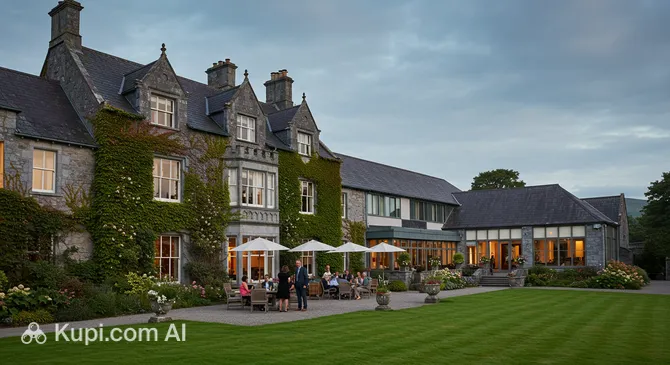
Among the premium accommodation options combining historical charm and modern comfort, Lyrath Estate deserves special attention. This is a magnificent resort hotel located in a restored 17th-century mansion surrounded by picturesque gardens. Here, guests can enjoy spa treatments, fine dining, and the atmosphere of aristocratic Ireland, while being just a few minutes' drive from the city center.

Lyrath Estate. Illustration.
Source: Kupi.com AI

Traveler photos:

Booking tip: Kilkenny is an extremely popular destination, especially during the summer season and festival days (such as the Kilkenny Arts Festival in August or Cat Laughs in June). During these periods, demand for accommodation spikes and prices rise. We strongly recommend booking your room 2–3 months before your trip to guarantee the best option at a reasonable price.

The price range varies depending on the level of comfort. Budget travelers can count on inexpensive hostels and guesthouses, while mid-range hotels (3–4 stars) offer the best value for money. Booking is most convenient through popular international online platforms, though many traditional Irish B&Bs also accept direct bookings through their websites, which can sometimes be more cost-effective.

Nearby Cities

For those who want to explore the surrounding area, Kilkenny serves as an excellent starting point for day trips to several interesting nearby locations. Thanks to its convenient location in the Leinster region, it is easy to reach iconic historical cities from here. For example, just 45 km to the south is Waterford — Ireland's oldest city, founded by Vikings, where you can visit the famous Waterford Crystal factory. Even closer, literally a 30-minute drive away, is Carlow, which attracts tourists with picturesque views of the River Barrow and the ancient Brownshill Dolmen. If you are willing to venture a bit further west, it is worth visiting Limerick with its majestic King John's Castle and lively atmosphere on the banks of the River Shannon.

CityPopulationDistance
Carlow24 27230 km
Athy9 67742 km
Portlaoise22 05042 km
Waterford48 36945 km
Clonmel17 14045 km

These nearby destinations provide an insight into the region's diverse culture and landscapes, perfectly complementing the experience of visiting medieval Kilkenny.

Shopping & Souvenirs

Shopping:

Kilkenny is rightfully considered the design and craft capital of Ireland, so shopping here is not just about buying things, but a true aesthetic pleasure. The city offers an amazing mix of modern brands, authentic boutiques, and craft workshops. The compact city center allows you to visit all the main shopping spots on foot while enjoying the medieval architecture.

The city's main shopping artery is High Street. Well-known chain stores for clothing, shoes, and accessories are concentrated here, as well as souvenir shops. If you turn onto picturesque side streets such as Kieran Street or Parliament Street, you will find many independent boutiques, bookstores, and jewelry shops. This is where you should look for the unique designer items for which the region is so famous.

For those who prefer the comfort of large shopping complexes, Kilkenny has several excellent options. The most notable is MacDonagh Junction Shopping Centre. This is not just a mall, but an architectural landmark: it is built on the site of a historic workhouse and old railway station, harmoniously combining ancient masonry and modern glass ceilings. Here you will find over 30 stores, restaurants, and a bowling alley.

In the very heart of the city is Market Cross Shopping Centre. It is located just a two-minute walk from the high street and offers a wide selection of fashion, beauty, and home stores. It is a convenient place for quick purchases while walking through the center.

You can experience a special atmosphere at the local markets. The most popular is the Kilkenny Farmers Market, which takes place every Thursday and Saturday at The Parade, right by the castle walls. Here, local producers offer the freshest pastries, farmhouse cheeses, organic vegetables, and, of course, handmade crafts. It is the perfect place to buy tasty souvenirs or just have a snack in the fresh air.

Speaking of souvenirs, it is worth bringing home items from local artisans from Kilkenny. The city is famous for its pottery, glass, and jewelry. Pay attention to woolen products — traditional Irish sweaters and scarves made from sheep's wool will keep you warm at home and remind you of your trip. Items with the branding of the local red ale and Celtic jewelry are also popular.

Shops in Kilkenny typically operate Monday through Saturday from 09:00 to 18:00. Some larger shopping centers and supermarkets may stay open longer, especially on Thursday and Friday (late-night shopping days). On Sunday, many shops open later, around 12:00, and stay open until 18:00. Euros (€) and bank cards (Visa, Mastercard) are widely accepted everywhere, even in small shops, although it is better to have some cash at the markets.

Tourists from non-European Union countries can use the Tax Free system (VAT refund). If you are planning major purchases, look for the "Tax Free Shopping" logo in windows and remember to ask the seller for a special refund form to process when leaving the country.
Reached the end of the page?

That means the route is fully explored