Support

Wexford

About

Wexford is a charming town situated on the southeast coast of Ireland, where the waves of the Irish Sea gently brush against the lush green hills. It is snugly nestled on the banks of the Slaney River estuary, surrounded by picturesque beaches and idyllic rural landscapes. Due to its strategic position, Wexford has historically served as an important maritime gateway to the country, welcoming merchants, seafarers, and even Vikings since ancient times.

With a population of about 20,000 people, Wexford maintains the atmosphere of a cozy provincial town while playing a significant role in the life of the county as its cultural and administrative center. Ancient narrow streets, dating back to Viking times, harmoniously coexist with modern cafes, traditional pubs, and boutiques, creating a unique sense of history lingering in the air. Upon arriving here, you will immediately feel the leisurely pace of life and the hospitality of the locals.
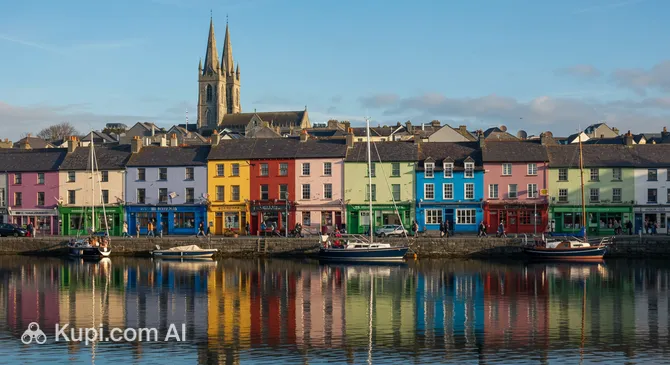
Wexford. Illustration.
Source: Kupi.com AI

The town is known for its creative spirit, which finds vibrant expression in numerous festivals, musical evenings, and theatrical performances. Among the iconic spots attracting tourists are the scenic Crescent Quay, perfect for leisurely strolls, and the famous Curracloe Beach, beckoning with its endless sandy stretches. History buffs will also appreciate the opportunity to explore ancient ruins that serve as reminders of Wexford's rich and multi-layered past.

Wexford is an ideal destination for those seeking the authentic Ireland, who appreciate the harmony of nature and history, and who enjoy leisurely walks, sea adventures, and discovering new gastronomic flavors. This welcoming town offers something for everyone, from active water sports to cozy evenings in traditional Irish pubs, and is sure to leave warm memories of your journey.

You can find more interesting facts on the Wexford city history page.
Weather Overview

The weather in Wexford is characterized by a mild maritime climate. Summers are generally cool: the average temperature in the warmest months, July and August, is about 15.8°C, while maximum values rarely exceed 18-19°C. Winters in Wexford are mild; for instance, the average January temperature stays around 6.2°C, with minimums dropping to 4.1°C.

Precipitation is distributed fairly evenly throughout the year, although the total amount is modest—averaging between 2 to 4 mm per month. However, there are quite many rainy days, ranging from 10 in May to 16 in March. Thus, when planning your trip, expect a moderately cool summer with occasional but mostly light rain, and mild, wet winters. For more detailed and up-to-date information, you can visit the Wexford Climate page.

Average monthly temperature

Average monthly precipitation

Interesting Facts

In addition to its charming waterfronts and historical buildings, Wexford hides many intriguing secrets and surprising facts. Here are a few that will reveal this Irish town from a completely new perspective:

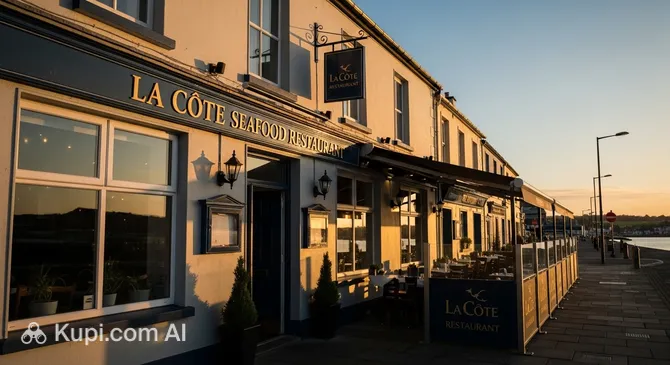
La Côte Seafood Restaurant. Illustration.
Source: Kupi.com AI

Traveler photos:

  • Wexford was founded by Vikings in the 10th century and remained an important port for them for a long time. Many streets in the town center, such as Keyser’s Lane, still retain their medieval layout and are said to be among the oldest paths where Vikings walked from the wharf to the market.

  • Not far from the town lies Curracloe Beach—the longest in Ireland, stretching an impressive 27 kilometers! These very shores were chosen to film the iconic D-Day landing scenes for Steven Spielberg's film "Saving Private Ryan."

  • Selskar Abbey and the Westgate Tower are not just ancient stones but silent witnesses to royal dramas. Legend has it that it was within the walls of the abbey that King Henry II of England spent Lent in 1172, atoning for the murder of Thomas Becket, the Archbishop of Canterbury.

  • Every year, Wexford transforms into a mecca for opera lovers thanks to the world-renowned Wexford Festival Opera. Founded in 1951, this festival is famous for its productions of rare and undeservedly forgotten operatic works, attracting talent and audiences from all over the world.

How to Get There

Reaching the charming town of Wexford, located in southeast Ireland, is possible in several ways, mainly through the country's international airports followed by a ground transfer. There is no direct airport in Wexford itself, but several major air hubs are within a reasonable distance.

The most convenient option for most international travelers is Dublin Airport (IATA: DUB). It is Ireland's largest airport, located in Dublin, about 121 km north of Wexford. A trip by car or bus from the airport to Wexford takes about 2 to 2.5 hours, depending on traffic. Buses depart regularly from Dublin Airport to Wexford.

Another significant option is Cork Airport (IATA: ORK), located in the city of Cork, about 150 km southwest of Wexford. This international airport also offers good connections. The journey to Wexford from here takes about 2.5 to 3 hours by car. You might also consider Shannon Airport (IATA: SNN), located in Shannon, approximately 172 km west of Wexford. The drive from there to Wexford takes about 3 hours.

For convenience, here is a summary of the main airports used to reach Wexford:

AirportPassenger trafficDistance
Dublin Airport34.6 mln121 km
Cork Airport3.1 mln150 km
Shannon Airport2.1 mln172 km
Kerry County Airport417 409210 km
Isle of Man Airport652 274230 km

Regarding rail connections, Wexford has its own station (Wexford O'Hanrahan station) that connects the town with Dublin and other locations in Ireland. However, looking at the provided list of stations, they are located in the UK and imply a more complex route involving a ferry. For example, Swansea Railway Station in Swansea (UK) is located about 190.5 km from Wexford (including the sea route). Another option is Cardiff Central in Cardiff (UK), at a distance of about 245.5 km. Traveling from these stations to Wexford would require crossing the Irish Sea by ferry and then using ground transport within Ireland.

Below is information about the railway stations from the provided list:

StationPassenger trafficDistance
Swansea railway station2.2 mln191 km
Cardiff Central Station10.2 mln246 km
St Austell Railway Station478 834251 km
Newport Railway Station2.7 mln252 km
Par Railway Station204 850252 km

The most common way to reach Wexford after arriving in Ireland is by car (rental or taxi) or by bus, which is well-developed between major cities and airports.

Main Attractions

Wexford, a cozy Irish town with a rich heritage, offers its guests a variety of opportunities for relaxation and immersion in local culture. In addition to historical monuments, there are many noteworthy establishments where you can enjoy delicious food and drinks while experiencing the town's hospitable atmosphere. Here are a few places from this list that might interest you:

One such place is the La Côte Seafood Restaurant. This establishment, recognized as a top tourist attraction, is famous for its exquisite dishes made from the freshest seafood—not surprising for a town located on the coast. A visit to this restaurant is an excellent opportunity to enjoy high-quality local cuisine and appreciate the skill of the chefs.

La Côte Seafood Restaurant. Illustration.
Source: Kupi.com AI

Traveler photos:

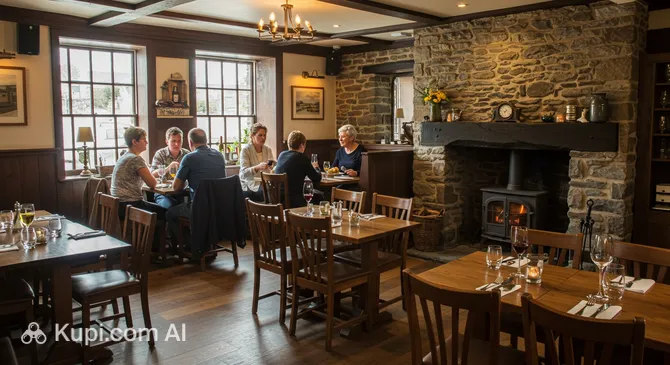
Another notable gastronomic spot is The Old Barn. The name of this establishment is intriguing and suggests a special atmosphere, perhaps with historical charm. Here, guests can expect delicious meals and a cozy setting, perfect for lunch or dinner after walking around the town.

The Old Granary Restaurant. Illustration.
Source: Kupi.com AI

Traveler photos:

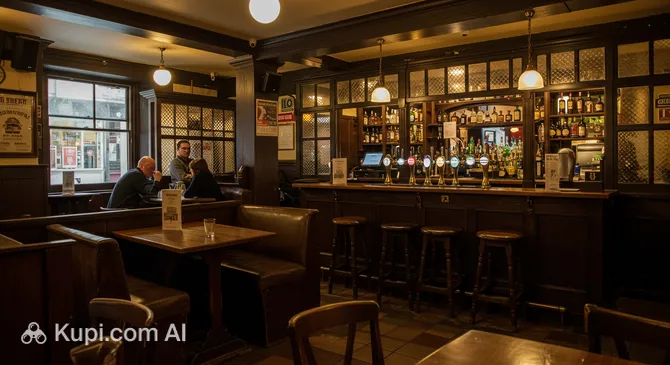
If you want to dive into the lively atmosphere of an Irish evening, stop by The Sky and the Ground. This is a popular bar where you can enjoy a wide selection of drinks, chat with locals, and simply have a great time in a friendly environment.

The Sky and The Ground. Illustration.
Source: Kupi.com AI

Traveler photos:

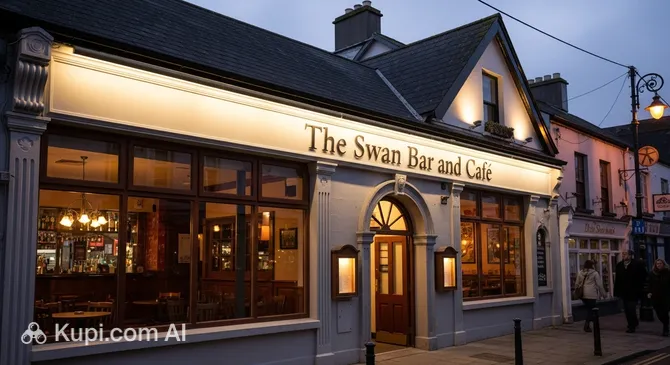
Also worth mentioning is the Swan Bar and Cafe. Whether it's for a morning coffee, a daytime snack, or an evening aperitif, this establishment offers a cozy setting and quality service. It's a great place to take a break while exploring Wexford.

The Swan Bar and Cafe. Illustration.
Source: Kupi.com AI

Traveler photos:

Local Cuisine

The gastronomic scene in Wexford is a true treasure for food lovers, where the freshest seafood takes center stage. The town is famous for its oysters, mussels, crabs, and lobsters, which often reach the table almost immediately after being caught. Another point of pride for the region is the famous Wexford strawberry, juicy and aromatic, which is a must-try in desserts or refreshing drinks.

Among the traditional dishes that you should definitely taste in Wexford, the hearty Irish stew stands out, made with tender lamb, mashed potatoes, and fresh herbs. Equally popular are classic Irish treats like colcannon—a delicious mash of potatoes and cabbage—and seafood chowder, a thick and fragrant fish soup. At local markets, you can find excellent fish pies, smoked salmon, and artisanal cheeses that reflect the richness of local culinary traditions.

No introduction to Wexford's cuisine would be complete without tasting the local drinks. Of course, we are talking about the famous Irish beer—from classic stouts to a variety of ales. Refreshing cider is also popular, perfectly quenching thirst and complementing many dishes. For non-alcoholic drinks, besides local strawberry juices, you can always find a good cup of tea.

The food culture in Wexford is diverse: from cozy pubs serving traditional snacks to elegant restaurants competing in the original presentation of dishes made from local ingredients. Special attention is paid to seafood, and one of the places where you can enjoy its freshness is the La Côte Seafood Restaurant. The town is also known for its gastronomic festivals, such as the summer Strawberry Festival and autumn harvest and seafood festivals, which turn the streets into a real celebration of taste. Farmers' markets are a great place to buy fresh produce and chat with the locals.

Travel Tips

Welcome to Wexford! To ensure your journey to this charming Irish town goes smoothly and leaves only pleasant impressions, we have prepared some practical tips. They will help you better navigate the area and enjoy every moment of your stay.

  1. Dress for the weather and essential items: The weather in Ireland, and in Wexford specifically, is quite changeable. Be sure to bring layered clothing, including a waterproof jacket and a sweater, even if you are visiting in summer. Comfortable shoes for walking on cobbled streets and the quay are your best friend. Don't forget a plug adapter (Type G, British standard) and a power bank for your gadgets. If you plan to visit active churches, choose modest clothing that covers shoulders and knees.
  2. Getting around Wexford: Wexford is a fairly compact town, and its historical center is easy to explore on foot. For trips further afield, you can use local buses (Bus Éireann). Taxis are available, and you can also use apps to call them. Renting a car can be useful if you plan to explore the surroundings of County Wexford, but for the town itself, it is not a necessity, and parking in the center can be limited.
  3. Financial matters: The official currency in Ireland is the Euro (€). You can exchange money at banks or exchange offices, but it is often more profitable to withdraw cash from ATMs, which are widespread. Credit and debit cards (Visa, Mastercard) are accepted almost everywhere. International cards usually work without issues. An approximate daily budget (excluding accommodation) could be from 60-80 Euros, depending on your plans. Tipping in restaurants is welcomed (10-15% of the bill if service is not included); in pubs, you can round up the amount or leave some small change.
  4. Health and safety: Pharmacies (chemist) are easy to find in the town center. Check opening hours, as 24-hour pharmacies are rare in small towns. If you need medical assistance, EU tourists can use an EHIC card. Others are strongly advised to have travel insurance. Wexford is generally a safe town. Observe standard precautions: keep an eye on your belongings in crowded places and avoid poorly lit areas late at night.
  5. Language and communication: The official languages are English and Irish (Gaelic). English is spoken everywhere, and you will have no trouble communicating with the locals. Nevertheless, a few phrases in Irish, such as \"Dia dhuit\" (pronounced: dee-ah gwit — hello) or \"Go raibh maith agat\" (pronounced: gur-ah mah ag-ut — thank you), will be a nice gesture. A SIM card from a local operator can be bought at mobile shops or supermarkets. Wi-Fi is available in most hotels, cafes, and pubs.
  6. Local etiquette and socializing: The Irish are known for their friendliness and hospitality. A simple \"hello\" or \"hi\" is appropriate for greeting. In public places, it is customary to queue and be polite. Don't hesitate to strike up a conversation in a pub—it's an important part of local culture (known as \"craic\"—having a good time, fun, and lively conversation).
  7. What to avoid: Try to avoid discussing complex historical relationships with the UK unless you are sure of the sensitivity of the topic. Also, do not mock the Irish accent or cultural features—it could be perceived as disrespectful.
  8. A Wexford specialty: The town is famous for its annual Wexford Festival Opera, which usually takes place in October or November. If your trip coincides with this event, make sure to book accommodation and tickets well in advance. Also, don't miss the opportunity to walk along the River Slaney waterfront and explore the town's narrow medieval streets.

We hope these tips help you plan an unforgettable trip to Wexford. Enjoy its rich history, culture, and unique Irish atmosphere!

Entertainment & Nightlife

Wexford, despite its modest size, offers a surprisingly vibrant and diverse nightlife. As darkness falls, the town comes alive, and its cozy streets fill with music and laughter. Everyone will find something to their liking here: from traditional Irish pubs with live music to modern bars and clubs where you can party until morning.

The main concentration of nightlife venues is in the town center, especially along the quay and on adjacent streets like Monck Street and Selskar Street. The atmosphere here is usually very friendly and relaxed. The crowd is diverse—from locals to tourists—all enjoying the hospitality of Irish establishments. Most pubs stay open until late evening, and clubs often operate until the early hours, especially on weekends. The dress code in most places is casual, though some clubs may have stricter door policies.

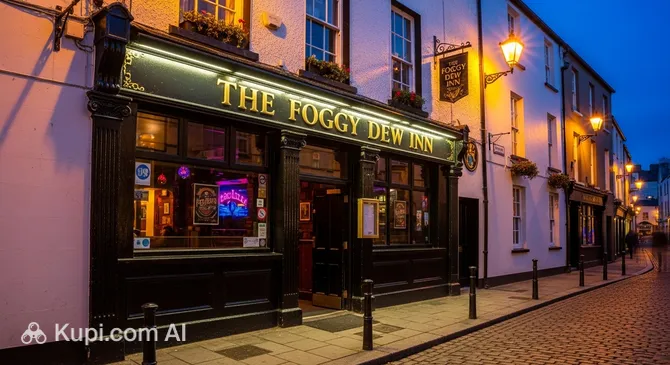
Among the popular spots for an evening out is The Sky and the Ground—a stylish bar offering a wide selection of drinks and a pleasant atmosphere for socializing. If you're looking for a place to dance the night away, look no further than the Foggy Dew Inn, known for its lively parties and live music. Another great spot is the Swan Bar and Cafe, where you can enjoy both drinks and light snacks in a cozy setting, often featuring performances by local musicians.

The Foggy Dew Inn. Illustration.
Source: Kupi.com AI

Traveler photos:

The best time to visit the nightlife spots in Wexford is Friday and Saturday nights when the town is especially lively. Average prices in bars and clubs are relatively moderate for Ireland; for example, a pint of local beer will cost about 5-7 euros. You can get back to your hotel or accommodation at night by taxi. There are several taxi ranks in the town center, and you can also call for a car or use one of the popular apps. It is recommended to save the numbers of local taxi services in advance.

Wexford is generally considered a safe town for evening and night walks, especially in the central areas where entertainment venues are concentrated. However, as with any other place, it's worth taking usual precautions: avoid poorly lit and deserted alleys, keep an eye on your personal belongings, and do not leave your drinks unattended.

During the day, Wexford also offers plenty of interesting activities. Culture lovers can visit the National Opera House, which is famous for its annual international opera festival. It's also worth exploring historical sites such as the ruins of Selskar Abbey. For outdoor strolls, the town's parks or the scenic banks of the River Slaney are perfect. Museums, such as the Irish National Heritage Park located just outside the town, offer a fascinating dive into the region's rich history and culture.

Parks & Museums

Wexford is a town where picturesque green spaces for relaxation harmoniously combine with a rich cultural heritage, offering guests an immersion into its centuries-old history. Here, everyone will find something for themselves, from quiet walks in nature to fascinating excursions through museums and historical sites.

Key Parks and Green Zones in Wexford:

The town and its surroundings offer several wonderful places for nature lovers. One of the most iconic is the Irish National Heritage Park. This is a unique open-air museum where, across 35 acres, key moments of 9,000 years of Irish history are recreated—from Stone Age settlements to early Christian monasteries and Viking fortifications. This place will be interesting for both adults and children, offering an interactive dive into the past.

Located near the town is the Johnstown Castle Estate, Museum & Gardens. The majestic Gothic-style castle is surrounded by magnificent gardens, lakes, and woodland trails, perfect for leisurely strolls. The estate also houses the Irish Agricultural Museum, which tells the story of farming in the country. It is a wonderful place for a full day out.

For birdwatching enthusiasts, the Wexford Wildfowl Reserve, located on the North Slob, is a must-visit. This site is of international importance, especially in winter when thousands of migratory birds arrive, including the famous Greenland white-fronted geese. the reserve is equipped with observation points and an information center.

Museums and Galleries:

Wexford's cultural life is equally rich. Although the town is famous for its annual opera festival, the National Opera House itself is an architectural landmark and an important cultural center where various events and sometimes exhibitions are held. Its modern building, skillfully integrated into the historical setting, is well worth a look.

The Presentation Centre is a contemporary art center located in a beautifully restored former convent building. It hosts fine art exhibitions, workshops, concerts, and other cultural events, introducing visitors to the work of both local and Irish artists and performers.

Historical and Architectural Sites:

Wexford's rich past is reflected in its numerous historical monuments. Be sure to visit the ruins of Selskar Abbey—one of Ireland's most important medieval monasteries, where, according to tradition, Henry II spent Lent in 1172. Also of interest is the Westgate Heritage Tower—a well-preserved 13th-century town gate that offers views over the town. The historical Bullring square, once a place of bustling trade and significant events, remains the heart of the town today.

Authentic Experiences and Insider Tips:

For the full experience, stroll through the narrow, winding streets of Wexford, discovering charming shops and traditional pubs. Stop by the local Wexford Farmers Market to taste fresh produce and dive into the daily life of the town. To enjoy fresh seafood, we recommend visiting the La Côte Seafood Restaurant, which is famous for its cuisine and offers delightful dishes that will be a perfect addition to your cultural impressions of Wexford.

Getting Around

Public transport in Wexford is quite simple and convenient for moving around the town and its surroundings. Given the relatively small size of the town, many central areas can easily be explored on foot, but for longer trips or visiting the suburbs, transport will be very useful.

The main form of public transport in Wexford is the bus. Local and regional routes are served, in particular, by Bus Éireann, as well as other local carriers. Buses connect different parts of the town and also provide connections to nearby settlements and larger cities in Ireland.

The payment system on buses usually involves buying a ticket directly from the driver when boarding. It is recommended to have small change, as drivers may not always have change for large bills. For those planning frequent trips, it may be beneficial to use a Leap Card, which is accepted on many routes across the country and often offers lower fares compared to buying single tickets. It is best to check information about fares and the possibility of using the Leap Card on specific routes in Wexford in advance on transport company websites.

Tourists should pay attention to the bus schedules, which can be found at bus stops or online. During peak hours and the tourist season, buses run more frequently, while in the evenings and on weekends, intervals may be longer. Bus stops are generally clearly marked.

As an alternative to public transport, taxi services are always available in Wexford. This is a more expensive but more comfortable way to travel, especially convenient for trips with luggage or at night. Also, given the picturesque surroundings, some tourists prefer bicycle rentals for a leisurely exploration of the region. Specialized car-sharing services in small towns like Wexford may not be available or may be limited.

Accommodation

When planning a trip to Wexford, you will find a variety of accommodation options to suit different tastes and budgets. The town offers guests a wide choice: from cozy bed and breakfasts (B&Bs) and traditional Irish pubs with rooms upstairs to comfortable hotels and self-catering apartments.

For tourists, staying in the town center can be particularly convenient. By staying here, you will be within walking distance of the main shops, restaurants, historical attractions, and the River Slaney waterfront. Some travelers also prefer to stay in quieter areas on the outskirts, from where it is easy to reach the center by public transport or car. There are hotels of various categories in Wexford and its surroundings, although specific well-known hotels were not provided in the data for direct mention.

The price range for accommodation in Wexford varies from budget options to more luxurious offerings. Generally, something suitable can be found for both budget-conscious travelers and those seeking extra comfort. It is recommended to book your accommodation in advance, especially if your trip falls during the peak tourist season (summer months) or during the major festivals for which Wexford is famous. For searching and booking, it is convenient to use popular online platforms or contact the chosen hotel or guest house directly.

Nearby Cities

For those who want to explore the surrounding area, Wexford serves as an excellent starting point for day trips to several interesting nearby locations:

Among them, Waterford stands out, located just 45 km from Wexford. It is one of the oldest cities in Ireland, known for its rich Viking heritage and the world-famous Waterford Crystal. A visit to Waterford will allow you to immerse yourself in history and enjoy unique craft traditions. Another attractive option for a day trip is the town of Carlow (64 km). Here you can visit the historical Carlow Castle, stroll along the scenic banks of the River Barrow, and experience the atmosphere of a cozy Irish town.

Below is information about some other towns located near Wexford that might also be interesting to visit:

CityPopulationDistance
Enniscorthy11 38120 km
Gorey9 82239 km
Waterford48 36945 km
Tramore10 38151 km
Arklow13 16355 km

These nearby destinations, along with other towns on the list, allow for a deeper acquaintance with the diverse culture, history, and landscapes of the southeast region of Ireland. When planning your trip, you can choose a route that best suits your interests.

Shopping & Souvenirs

Wexford offers pleasant and diverse shopping, especially for those looking for unique Irish goods and souvenirs. The town is not famous for huge shopping malls, but it charms with its independent boutiques, craft shops, and stores selling local produce. Here you can find everything from traditional Irish clothing to modern designer pieces.

The main shopping life of Wexford is concentrated along Main Street (which is divided into North Main Street and South Main Street). This partially pedestrianized street is the heart of the town, where many shops, cafes, and pubs are located. Strolling along it, you will find both well-known brand stores and small family-run shops offering locally made goods.

There are no large shopping centers in Wexford in the traditional sense. Instead, shopping here is more about exploring individual shops and small shopping arcades. This approach allows you to better feel the town's atmosphere and find truly original items.

For market lovers, look out for the Wexford Bullring Market, which usually takes place on Fridays and Saturdays in the Bullring square. Here you can purchase fresh local products, handmade items, antiques, and souvenirs. It's a great place to soak up local life and find something special.

From Wexford and Ireland in general, it is worth bringing back traditional souvenirs. Popular choices include wool products (famous Aran sweaters, scarves, hats), high-quality Irish ceramics, items with Celtic patterns, as well as local delicacies such as jams, honey, and, of course, Irish whiskey. In bookstores, you can find interesting publications on Irish history and culture.

Most shops in Wexford are open Monday through Saturday, usually from 9:00 or 10:00 to 17:30 or 18:00. Some shops may also be open on Sunday, but with reduced hours. Larger stores sometimes have late-night shopping on Thursdays or Fridays. Credit and debit cards (Visa, Mastercard) are widely accepted, but it's better to have some cash for markets and small shops.

Tourists from outside the European Union can take advantage of the Tax Free system and claim a VAT refund on purchases made in participating stores. To do this, you need to ask for a special Tax Free form at the time of purchase and present it along with your receipts and goods at customs when leaving the country.

Reached the end of the page?

That means the route is fully explored