Support

Sligo

About

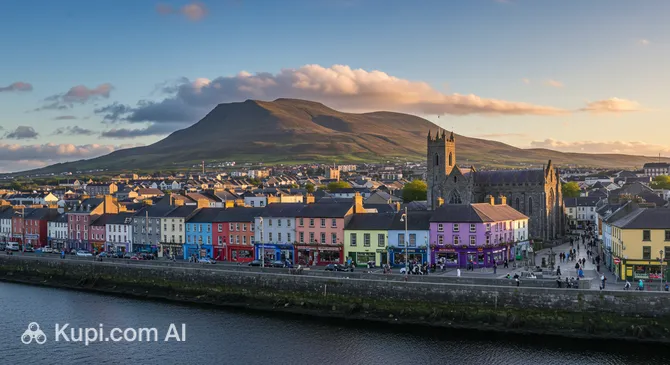
Sligo is a picturesque town and the administrative center of the eponymous county, located on the northwest coast of Ireland. Situated in the province of Connacht, it is nestled between the famous flat-topped Ben Bulben mountain and the waters of the Atlantic Ocean. Despite its relatively small population of about 20,000, the town boasts a well-developed infrastructure and is considered an important cultural and economic hub for the region, while still maintaining a cozy and intimate atmosphere.

Sligo. Illustration.
Source: Kupi.com AI

The atmosphere here is unique: narrow streets and historic buildings harmoniously coexist with modern art galleries and the lively embankments of the River Garavogue. The rich history of Sligo can be felt at every turn, inviting travelers to immerse themselves in the region's past. The town also serves as an ideal starting point for exploring the Wild Atlantic Way and legendary sites associated with the Nobel Prize-winning poet William Butler Yeats.

Sligo offers entertainment for every taste, combining natural beauty with urban culture. Outdoor enthusiasts will appreciate the proximity to Strandhill Beach—a popular surfing spot—and scenic mountain hiking trails. Within the town itself, visitors can explore an ancient abbey, fascinating museums, and, of course, traditional pubs. It is a place where it’s worth lingering to breathe in the fresh ocean air and enjoy genuine Irish hospitality.

Weather Overview

The climate in Sligo is typical for the northwest of Ireland: it is mild, humid, and strongly influenced by the Atlantic Ocean. There is no extreme heat or severe frost here, making the town accessible for visits year-round; however, tourists should always be prepared for frequent precipitation and rapid changes in weather conditions.

Summer in the region is comfortable and fresh, ideal for long walks. In the warmest months, July and August, the average temperature stays around 14.6–14.7°C, sometimes rising to 17°C. Winters are cool but without severe frosts: in January and February, the air warms up to an average of 5–6°C. Precipitation falls regularly throughout the year, with May considered the "driest" month with 15 rainy days, and October and August being the wettest, when the number of days with precipitation reaches 22.

Expect a moderately warm summer with occasional rain and cool, damp winters. Given the changeable conditions, it will be useful to check what weather in Sligo is expected during your visit dates and be sure to bring a high-quality raincoat and waterproof footwear.

Average monthly temperature

Average monthly precipitation

Interesting Facts

Beyond its main attractions, Sligo holds many fascinating secrets and legends that reveal themselves only to inquisitive travelers. This town on the Atlantic coast can surprise you with unexpected historical details and unique traditions.

  • The town's name, derived from the Irish word "Sligeach," translates as "place of shells" or "shelly river." This name wasn't chosen just for beauty: archaeological excavations have shown that shellfish were a staple of the local diet for millennia, and they were harvested in enormous quantities at the mouth of the Garavogue River.

  • The surroundings of Sligo are a veritable open-air museum where you can touch eternity. It is home to the Carrowmore Megalithic Complex and the Carrowkeel cairns, which are over 5,000 years old. This makes them older than the Egyptian pyramids at Giza and the famous Stonehenge.

  • The town is considered the spiritual home of Nobel laureate William Butler Yeats. Although the poet was born in Dublin, he called Sligo "the country of the heart," and it was the local landscapes, such as the Lake Isle of Innisfree, that inspired his most famous works. Yeats often said that it was here that he learned to see the magic in the everyday.

  • Despite its northern location, Sligo is known as the surfing capital of Ireland. Local beaches attract extreme sports enthusiasts from all over Europe, and annual surfing and kayaking festivals have become a hallmark of the region, proving that the cold Atlantic waters are no barrier to excitement.

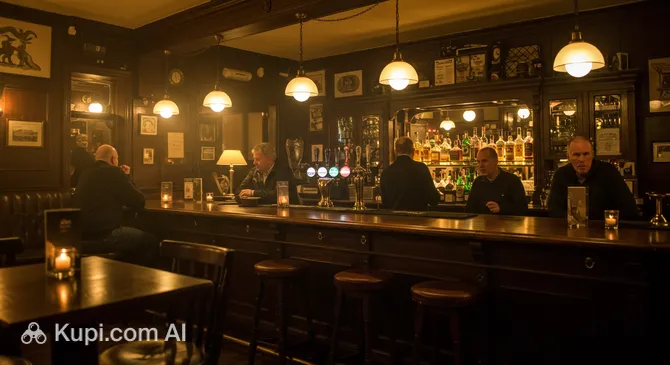
  • The town carefully preserves its pub culture traditions. For instance, Thomas Connolly Bar is officially Sligo's oldest pub, having received its license back in 1861. This place is famous not only for its history but also because, according to locals, it pours the perfect pint of stout.

Thomas Connolly Bar. Illustration.
Source: Kupi.com AI

Traveler photos:

How to Get There

When planning a trip to the northwest of Ireland, it is important to think through your route in advance. Sligo has good transport accessibility, and you can get here in various ways, combining air and ground travel. You can find full details and consider alternative routes on the how to get to Sligo page.

Sligo town does not have its own airport, so travelers usually fly into neighboring cities. The most convenient and closest option is Ireland West Airport Knock (NOC), located in the town of Knock. It is only 46.8 km from Sligo. The journey from there by taxi or bus takes approximately 1.5 hours. This is a regional hub receiving flights from the UK and some European cities.

For international flights, travelers often choose Belfast International Airport (BFS). It is located in Belfast, about 152 km from Sligo. This is a major transport hub with high passenger traffic. The journey from there to Sligo takes longer—expect about 4 hours by ground transport. Another option nearby is Donegal Airport in County Donegal (about 86 km from Sligo), with a journey time of around 2.5 hours.

For convenience, here is a summary of the main airports used to reach the region:

AirportPassenger trafficDistance
Ireland West Airport Knock834 00047 km
Donegal Airport41 86786 km
City of Derry Airport179 095120 km
Belfast International Airport6.8 mln152 km
George Best Belfast City Airport2.4 mln173 km

In addition to air travel, Sligo has excellent rail and bus connections with other parts of the island. The town's main railway station—Sligo Mac Diarmada—is located right in the center. Direct trains from Dublin (Connolly Station) arrive here regularly, with a journey time of about 3 hours. The town is also served by the national bus company Bus Éireann, offering convenient express routes along the N4 highway, which connects Sligo with the capital and other regions.

Main Attractions

Sligo is a town where ancient history intertwines with myths, and urban streets seamlessly transition into majestic natural landscapes. For tourists, there are several iconic landmarks that capture the spirit of this unique region, which has inspired poets and artists for generations.

The absolute centerpiece of the historic center is Sligo Abbey. This Dominican friary was founded in the mid-13th century and, despite a turbulent history of fires and destruction, has been remarkably well-preserved. Visitors are drawn here by the magnificent Gothic arches, ancient carved tombstones, and, of course, the famous cloister, where an atmosphere of peace and eternity prevails. It is the perfect place to touch the town's medieval past.

Sligo Abbey. Illustration.
Source: Kupi.com AI

Traveler photos:

It is impossible to discuss Sligo's attractions without mentioning the famous Ben Bulben, the table mountain that towers over the surrounding area. Although located just outside the town limits, its flat summit is visible from almost everywhere and is considered the symbol of the entire county. The mountain is inextricably linked to Irish folklore and the works of William Butler Yeats. A trip to its foot or a walk along the forest trails around it is a must for nature lovers.

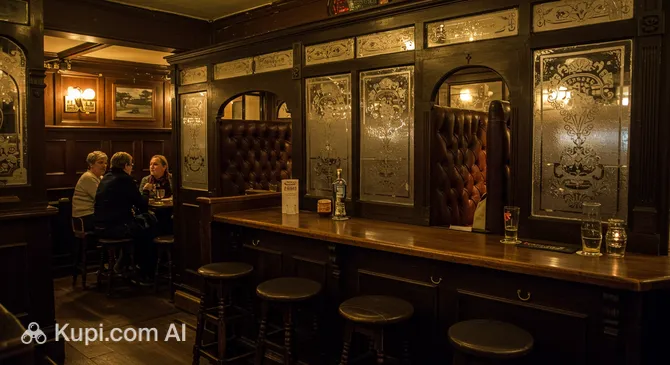
In the town itself, it’s worth stopping by Thomas Connolly Bar. This is not just a venue but a genuine historical landmark, having received its license back in 1861. The pub is famous for its authentic Victorian interior, which has been preserved almost in its original state. People come here not just for a pint of stout, but to experience the living history of the town, listen to traditional music, and chat with locals in an old-world Irish atmosphere.

Another essential site to visit nearby is the Carrowmore Megalithic Complex. This is one of the largest and oldest megalithic cemeteries in Europe, predating the Egyptian pyramids. A walk among the ancient dolmens and stone circles leaves an indelible impression and highlights just how deep the roots of civilization go in this corner of the island.

Local Cuisine

Sligo's gastronomic scene is a harmonious blend of Celtic traditions and modern culinary trends. Thanks to its location on the Atlantic coast, the region's cuisine is based on the freshest local products. For tourists, this is a great opportunity to get to know the "taste of Ireland," which is particularly vibrant here.

Seafood takes center stage on local menus. While you're here, be sure to try the oysters, mussels, tender salmon, and cod, which come to restaurant kitchens straight from the fishing boats. The town's hallmarks are the thick Seafood Chowder and hearty fish pie. These dishes are perfect for warming up after a walk along the windy coast.

Fans of meat dishes will enjoy the traditional Irish stew—a thick stew with lamb and vegetables, prepared according to ancient recipes. It is typically served with homemade butter and famous Irish soda bread. Gourmets should also look on menus or at markets for the legendary local "Sligo Blue" cheese, which has a piquant flavor.

For those with a sweet tooth, Sligo offers its own unique desserts. Especially popular here is the delicate rhubarb tart, often served warm with a scoop of vanilla ice cream or custard. This simple but incredibly tasty dish reflects the essence of Irish home cooking.

Flipside. Illustration.
Source: Kupi.com AI

Traveler photos:

The food culture in the town is diverse: from cozy street stalls with hot sandwiches to gastropubs and high-end restaurants. For example, for quality burgers and a modern atmosphere, you can visit the Flipside restaurant, which is popular with both locals and tourists. Sligo also boasts thriving farmers' markets where you can buy fresh pastries and smoked fish, and gastronomic festivals dedicated to oysters and cheeses attract travelers from across the country.

As for drinks, meals are traditionally accompanied by a pint of stout (Guinness or Murphy's) or a glass of local craft ale. Irish whiskey also holds a place of honor on the bar menu of any establishment. For non-alcoholic drinks, the Irish prefer strong black tea with milk, which they drink at any time of day.

Travel Tips

A trip to "Yeats Country" promises to be unforgettable if you prepare for it properly. To ensure your holiday in this picturesque corner of the Atlantic coast is as comfortable as possible, we have gathered the most important practical recommendations for guests of Sligo.

  1. Be prepared for "four seasons in one day." The weather in the northwest is unpredictable. Even if the sun is shining in the morning, rain and wind can start within an hour. The main principle for clothing is layering. Be sure to bring a waterproof windbreaker with a hood and comfortable waterproof shoes for walking. Also, don't forget a Type G (three-pin) power adapter, as European plugs do not fit here.
  2. Use cards, but carry coins. The main currency is the Euro (€). Visa and Mastercard are accepted almost everywhere, including pubs. However, to pay for fares on city buses (if you don't have a Leap Card), you must give the driver the exact change in coins—they do not provide change and do not accept banknotes.
  3. Getting around. Sligo's historic center is compact and best explored on foot. For trips around the town and surroundings, it is convenient to use a taxi (the FreeNow or Uber apps work, but it's often easier to find a car at a Taxi Rank). If you plan to visit remote natural attractions, renting a car is the best solution, but remember left-hand traffic.
  4. Safety and health. Sligo is a peaceful and safe town, but standard precautions apply. In emergencies (police, ambulance, fire), call 112 or 999. Note that pharmacies usually close at 6:00 PM and have reduced hours on Sundays, so it is better to have necessary medications with you.
  5. Language and communication. All locals speak English, but with a characteristic accent that you may need to get used to. The Irish language can be seen on road signs. Locals are very friendly: it is customary to greet strangers on walking trails and thank the bus driver when getting off.
  6. Pub etiquette. If you find yourself in the company of Irish people, remember the "rounds" system. Everyone takes turns buying drinks for the whole group. Skipping your turn or buying a drink only for yourself is considered bad form. Tipping in establishments is welcomed (around 10-15%) if a service charge is not already included in the bill.
  7. What to avoid. Never call Ireland part of the UK—it is a sovereign state, and such a mistake can seriously offend locals. Also, try not to criticize the weather: rain here is viewed philosophically, and complaining about it will mark you as a newcomer.
  8. Important water safety advice. Strandhill Beach is incredibly beautiful and popular with surfers, but swimming there is strictly prohibited due to strong undercurrents and shifting sands. If you want to swim, head to Rosses Point Beach, which has lifeguards and a Blue Flag status.

Sligo charms with its simplicity and sincerity. By following these simple tips, you can feel like more than just a tourist—you'll feel like a welcome guest, enjoying every moment of the famous Irish hospitality.

Entertainment & Nightlife

Sligo's nightlife is a vibrant blend of traditional Irish hospitality and modern energy. Despite being a relatively small town, it is famous for its music scene and lively atmosphere after sunset. The heart of evening entertainment is concentrated along the Garavogue River embankment and central streets like O'Connell Street and Stephen Street. Here you can find everything from cozy pubs with fireplaces to bustling nightclubs where the dancing continues until dawn.

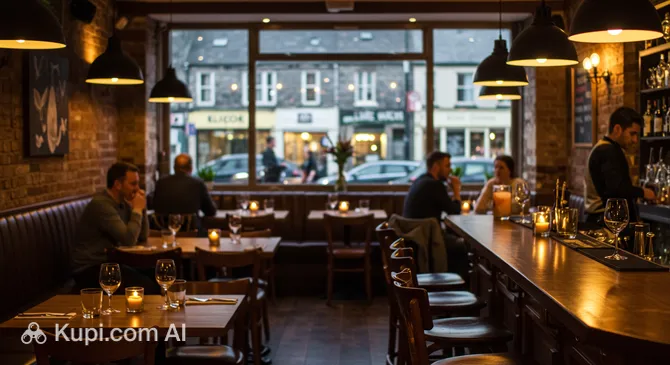
For those looking for active recreation and dancing, The Garavogue Bar is the perfect spot. Located right by the river, this venue is known as one of the hubs of the town's nightlife. By day, it's a pleasant place for lunch, and by evening, it transforms into a popular bar and nightclub featuring DJ sets and live music. The crowd here is diverse, ranging from students to tourists, and the atmosphere is always festive and relaxed.

The Garavogue Bar. Illustration.
Source: Kupi.com AI

Traveler photos:

If you prefer to start your evening with great food in a modern setting, Flipside is well worth a visit. This spot is famous for its burgers and casual atmosphere, making it a great place to meet friends before heading out to the bars. In Sligo, it is common to hop from one venue to another, enjoying a variety of drinks and music.

Connoisseurs of classic Irish pub culture must visit Thomas Connolly Bar. Although it is the oldest pub in town, it is full of life in the evenings. This is the best place to hear traditional Irish sessions (live musical improvisations), try craft beers or fine whiskey, and socialize with the locals. The dress code in most Sligo venues is casual; however, sportswear might not be allowed in nightclubs, so "smart casual" is always a safe bet.

Practical tips: Pubs typically operate until 23:30 on weekdays and until 00:30 on weekends, while nightclubs are open until 2:30 AM. The average price of a pint of beer ranges from €5.50 to €6.50. Sligo is considered a safe town for nighttime walks, especially in the well-lit center. Nevertheless, it is better to take a taxi to return to your hotel. Taxi ranks are located on the main streets, such as Quay Street, or you can call a car via an app.

Beyond bars and clubs, Sligo offers more tranquil cultural entertainment. The town has active theaters, such as the renowned Hawk's Well Theatre, which regularly hosts dramatic productions, concerts, and comedy shows. Alternatively, you can spend the evening at the cinema or stroll along the beautifully lit embankments, enjoying the fresh Atlantic breeze.

Parks & Museums

Sligo is a town where rich cultural heritage harmoniously intertwines with magnificent natural landscapes, offering tourists many places for inspiration and peaceful outdoor recreation. Here, you can easily alternate between walks along picturesque paths and visits to exhibitions detailing the region's creative and historical past.

Among the town's green spaces, Doorly Park is a particular favorite for both locals and visitors. Located along the banks of the River Garavogue, it is the perfect spot for a leisurely stroll. The route leads through wetlands and wooded areas, offering stunning views of Lough Gill. Here you can see various birds, relax on benches, or engage in outdoor sports.

Another natural treasure in close proximity to the town is Hazelwood Demesne. This is a quiet lakeside forest area known for its ancient trees and peaceful atmosphere. Hazelwood is also famous for its unique wooden sculpture trail, where art meets nature. It was these places that inspired the poet William Butler Yeats, and a walk here allows you to feel the very magic he wrote about.

The cultural life of the town is impossible to imagine without The Model arts center. Housed in a historic 19th-century building, it is one of Ireland's leading centers for contemporary art. The museum's main pride is The Niland Collection, which includes a significant collection of works by Jack Butler Yeats (the poet's brother) and other 20th-century Irish artists. This space attracts visitors not only with its paintings but also its architecture, as well as regular music and film events.

To immerse yourself in local history, it is worth visiting the Sligo County Museum. The small but dense exhibition tells the story of the region's rich past, from the Stone Age to the present day. A special place is reserved for the personal belongings of the Yeats family, old photographs of the town, and artifacts related to Ireland's struggle for independence. It is an excellent place for those who want to understand the context and spirit of Sligo.

When speaking of historical monuments, one cannot fail to mention Sligo Abbey. These majestic ruins of a Dominican friary founded in the 13th century are a true open-air museum. Magnificent Gothic arches, ancient tombstones, and Ireland's only 15th-century sculpted altar to survive destruction are preserved here. A walk among the ancient stones gives a sense of touching eternity.

Insider Tip: If you are looking for a place with special energy, head to the Tobernalt Holy Well, located near the town in a forest at the foot of a mountain. This ancient Celtic place of worship, which later became a Christian shrine, is hidden away from mass tourist flows. An incredible silence and peace reign here, broken only by the sound of water, making it ideal for reflection.

Getting Around

Sligo's transport system is compact and intuitive, making travel around this picturesque corner of Ireland easy and pleasant. Given the town's small size, the historic center is best explored on foot, soaking in the atmosphere of the ancient streets. However, for trips to the scenic surroundings and the coast, you will need public transport or a car.

The main public transport provider is the national company Bus Éireann. Urban routes cover the primary areas, but for tourists, the S2 route is of most interest. It connects the town center directly with two popular coastal locations: the surfing village of Strandhill and the picturesque Rosses Point peninsula. This is the most budget-friendly way to reach the ocean. Current schedules and real-time bus locations can be tracked via the convenient TFI Live App.

To pay for travel, it is most cost-effective to use a TFI Leap Card. This is a rechargeable smart card valid nationwide, which allows you to save about 30% compared to paying with cash. It can be purchased at post offices or shops with the TFI logo (such as Centra stores). An alternative for smartphone users is the TFI Go app, which allows you to buy tickets online and activate them before boarding. If you decide to pay the driver in cash, keep in mind: only coins are accepted, and no change is given.

The Sligo Mac Diarmada railway station is located in the very heart of the town, on Lord Edward Street. The station serves as an important transport hub: regular trains to Dublin depart from here, as well as intercity buses to other counties. The station is equipped with luggage lockers and information boards, which is convenient for transit travelers.

For those who value independence, taxi services operate in Sligo. Taxi ranks are easy to find on central streets, such as O'Connell Street or at the station. Renting a car is an excellent solution if you plan to explore the areas around Ben Bulben or drive sections of the Wild Atlantic Way. There are also private bicycle rental points in the town and its surroundings, which are a wonderful alternative for outdoor trips in good weather.

An important nuance of local etiquette: it is customary to "flag down" an approaching bus at the stop by raising your hand, otherwise the driver may drive past. Entry is through the front door only. When planning trips on Sundays and public holidays, be aware that transport intervals may be longer, so check the schedule in advance.

Accommodation

Sligo offers travelers a wide range of accommodation options to suit every taste and budget. The town and its surroundings are famous for their hospitality, making it easy to find everything from cozy traditional Irish-style lodgings to modern, comfortable rooms. The main stock consists of classic mid-range hotels, many family-run Bed and Breakfasts (B&Bs), as well as budget hostels for young people and backpackers. For those seeking seclusion and luxury, country estates and spa resorts are also available in the county.

When choosing a place to stay, consider your holiday plans. The town center is the ideal choice for those traveling without a car or wanting to be within walking distance of the main attractions, shops, and vibrant nightlife. Staying here puts you close to transport hubs, which is convenient for traveling around the region.

If you prefer to wake up to the sound of the ocean, look into the coastal villages located just 10–15 minutes from Sligo, such as Strandhill or Rosses Point. These areas are particularly popular with nature lovers and surfers. Here, you can rent apartments with sea views or stay in small guesthouses while enjoying the fresh Atlantic breeze and tranquility.

Booking Tip: Sligo is a popular tourist destination, especially during the summer season (July–August) and during cultural festivals. During these times, demand for accommodation spikes significantly, so it is highly recommended to book your rooms in advance—at least 2–3 months before your trip—to guarantee the best value for your money.

The price range in the town varies from budget (hostels and inexpensive B&Bs) to high-end (boutique hotels and resort complexes). Booking is most convenient through popular international online platforms where you can read guest reviews. However, many small family-run hotels and guesthouses welcome direct bookings through their own websites, which can sometimes result in a better price or included breakfast.

Nearby Cities

For those wishing to explore the surrounding area, Sligo serves as an excellent starting point for day trips to several interesting nearby locations:

Just an hour and a half away is the colorful Galway—the cultural capital of the west coast. Known as the "City of Tribes," it is famous for its festivals, street musicians, and the renowned Latin Quarter. A trip here offers vibrant emotions from the combination of medieval history and a modern bohemian atmosphere, while a walk along the Salthill Promenade is a great addition to the visit.

Another interesting destination is Athlone, located in the heart of Ireland on the banks of the River Shannon. Here you can visit the majestic Athlone Castle and stop by Sean's Bar, which claims to be the oldest pub in the world. It is an ideal spot for history buffs and lovers of peaceful river landscapes, offering a cozy retreat away from the hustle and bustle.

Fans of antiquity should consider Navan. Although a bit further away, this town serves as the gateway to the famous Boyne Valley. The surroundings of Navan are rich in prehistoric monuments, making a trip here a real journey back through the centuries for those interested in the island's archaeology and mythology.

CityPopulationDistance
Carrick-on-Shannon4 06245 km
Donegal2 61848 km
Enniskillen13 82355 km
Knock1 03362 km
Castlebar12 06872 km

These nearby destinations provide a great overview of the region's diverse culture and landscapes.

Shopping & Souvenirs

Shopping in Sligo is characterized by a cozy and relaxed atmosphere. Unlike in large metropolises, there are no endless queues or hustle and bustle, and the compact town center allows you to explore all the interesting spots on foot. The town offers a harmonious blend of popular chain stores and unique independent boutiques where you can find locally made goods. It is an ideal place for those seeking authentic Irish items and high-quality craft products.

The heart of Sligo's commercial life is O'Connell Street. This is the town's main artery, where most clothing, footwear, and accessory shops are concentrated. Strolling here, you will find both familiar European brands and long-standing family-run shops. Perpendicular to it is Wine Street, also rich in retail outlets and leading to major shopping centers. Lovers of art and antiques should explore the side streets branching off these main thoroughfares, where small galleries are often hidden.

For those who prefer comfortable shopping all under one roof, Sligo has two main shopping centers. The largest and most modern is Quayside Shopping Centre, located on Wine Street. It features a wide range of fashion, electronics, and home goods stores, as well as a cinema and a food court. Another popular option is Johnston Court Shopping Centre, with an entrance right off O'Connell Street. This is a more intimate arcade, convenient for quick purchases in the very heart of the town.

Local markets deserve special attention as they reflect the spirit of the region. On Saturdays, the Sligo Farmers Market comes to life, usually held on the grounds of ATU Sligo (formerly IT Sligo) or in designated areas. Here you can buy the freshest produce, homemade baked goods, cheeses, and jams. It is a great place not only for food shopping but also for finding original crafts by local artisans.

When choosing souvenirs from Sligo, look for items related to the region's cultural heritage. The town is inextricably linked with the poet W.B. Yeats, so books, poetry collections, and art albums make wonderful gifts. The region is also famous for its wool products (sweaters, scarves) and handmade ceramics. Don't forget seaweed-based cosmetics—the local brand Voya is known far beyond Ireland and produces goods from seaweed harvested on the county's coast.

Shops in Sligo are generally open from 9:00 AM to 6:00 PM from Monday to Saturday. On Thursdays and Fridays, some larger shopping centers and supermarkets may stay open later—until 8:00 PM or 9:00 PM. On Sundays, hours are reduced: many shops open around 12:00 PM and close at 6:00 PM. The main currency is the Euro (€). Visa and Mastercard are accepted almost everywhere, even in small kiosks, but having a little cash for markets is always useful.

Tourists residing outside the European Union can take advantage of the Tax Free (VAT refund) system. When purchasing goods in participating stores (usually marked with a special sticker in the window), ask for a tax refund form. The completed forms will need to be presented at customs when departing the country to receive a refund of part of the purchase price.
Reached the end of the page?

That means the route is fully explored