Support

Inishmore

Attractions

About

Inishmore is the largest and most majestic of the Aran Islands, standing like a guardian frozen in time off the west coast of Ireland. This island is a stunning blend of rugged natural beauty and deep cultural heritage. Here, the vast expanses of the Atlantic Ocean meet sheer cliffs, and emerald meadows are crisscrossed by an endless network of ancient stone walls.

Geographically, the island stretches about 12 kilometers in length, and its "capital" and main port is the lively village of Kilronan. This is where the ferries arrive and where travelers begin their journey into this extraordinary place. Despite a modest population of around 840 people, Inishmore boasts a well-developed infrastructure for guests while maintaining the cozy and peaceful atmosphere of the true Irish countryside.

The island's unique atmosphere is largely tied to its past. The fascinating history of Inishmore dates back thousands of years, evidenced by mysterious ruins and sacred sites found at every turn. The island is also part of the Gaeltacht—a region where the Irish language remains a living means of communication, allowing tourists to immerse themselves in an authentic linguistic environment.
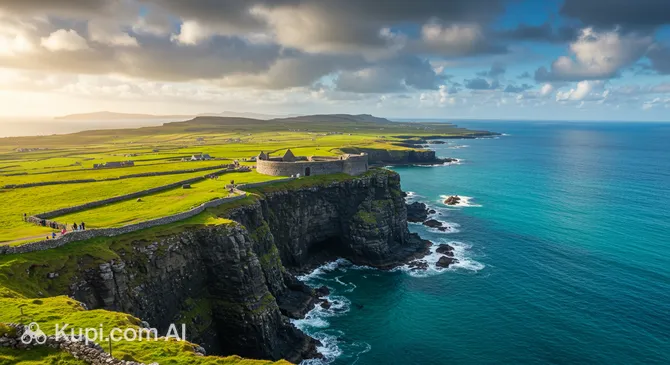
Inishmore. Illustration.
Source: Kupi.com AI

Among the top reasons to visit Inishmore are its incredible landscapes and monuments. The crown jewel of the island is the prehistoric fort of Dún Aonghasa, balancing on the edge of a hundred-meter cliff, and the natural phenomenon of Poll na bPéist—a perfectly rectangular pool in the rocks. The best way to explore these beauties is to rent a bicycle or take a ride in a traditional horse-drawn carriage while breathing in the fresh ocean air.

Inishmore is an ideal destination for those seeking solitude, inspiration, and an encounter with pristine nature. Come here to slow down the pace of time, enjoy the hospitality of the locals, and see some of the most breathtaking landscapes in Europe.
Weather Overview

Inishmore's climate is typical of Ireland's west coast: mild, wet, and heavily influenced by the Atlantic. There are no sudden temperature changes, making the island accessible year-round, although the weather can change right before your eyes. To plan your wardrobe correctly, we recommend checking the weather in Inishmore for your travel dates in advance.

The summer season, particularly July and August, brings the most comfortable conditions with an average temperature around 15°C and highs up to 17.1°C. This is the most popular time to visit; however, be prepared for precipitation: even in the warmest months, 17 to 22 rainy days are recorded. May and June are often slightly sunnier, but even then, the number of days with precipitation remains significant.

Winter on the island passes without harsh frosts thanks to the warming influence of the ocean. In January and February, the average temperature stays around 7°C, while night-time figures rarely drop below 5°C. However, this time of year is characterized by high humidity and frequent rain—precipitation occurs approximately 20 days per month.

Overall, expect moderately warm summers with periodic rain and mild but very wet winters. Since dry periods are virtually non-existent here, a high-quality waterproof jacket and comfortable shoes will be your main companions in any season.

Average monthly temperature

Average monthly precipitation

Interesting Facts

In addition to its main attractions, Inishmore holds many fascinating secrets and ancient traditions that make it a truly unique place. Here are a few facts to help you better understand the soul of this island.

  • The Secret Language of Sweaters. The famous Aran sweaters are more than just warm clothing; they are a kind of islander's passport. Each pattern has a deep meaning and is passed down through generations. According to popular belief, in the past, a fisherman's family could be precisely identified by the unique ornament of his sweater, which helped in identification in case of a tragedy at sea.

  • Natural Geometry. One of the island's most intriguing mysteries is the natural pool known as The Worm Hole (Poll na bPéist). This opening in the rock has such a perfect rectangular shape that many visitors initially mistake it for a man-made creation, though it is exclusively the result of the ocean and time.

  • Fortress at the Edge of the World. The majestic fort of Dún Aonghasa, which is over 3,000 years old, is built on the very edge of a 100-meter precipice. Surprisingly, part of the fortification has collapsed into the ocean over time, and today we see only half of the grand structure that existed in ancient times.

  • Guardians of the Language. Inishmore is one of the few places where the Irish language (Gaeilge) is not just a school subject but a living means of communication. Locals claim that here, far from the big cities, the Gaelic tongue sounds most pure and melodic, maintaining a connection to Celtic roots.

  • Music as a Way of Life. Evenings on the island are unimaginable without music. In places like the Tigh Nan Phaidí pub, spontaneous music sessions are the norm: locals gather to play traditional instruments, sing, and dance, sustaining an atmosphere of communal celebration.

Dún Aonghasa. Illustration.
Source: Kupi.com AI

Traveler photos:

How to Get There

A trip to Inishmore is a true adventure that begins with a journey through mainland Ireland and ends with a crossing over the Atlantic Ocean. Since the island is not connected to the mainland by bridges, you can only get here by water or air. You can find out more about how to get to Inishmore by exploring all available routes and schedules.

The nearest international airports to the island are on the mainland. Travelers usually fly into one of them and then reach the ferry terminals by bus or rental car.

Shannon Airport (SNN) is one of the most convenient options for visiting the west coast. It is located in Shannon, about 71.5 km from Inishmore (as the crow flies, excluding the ferry crossing). It is a major international hub receiving many flights. The drive from the airport to the port of Rossaveal takes about 1.5–2 hours.

Ireland West Airport Knock (NOC) is located in Knock, approximately 105.5 km from the island. It is a popular regional airport, convenient for those planning to travel through County Mayo and the northern part of the west coast.

Kerry Airport (KIR) is located in County Kerry, about 106.3 km from Inishmore. It handles fewer flights but can be convenient if your route takes you through the southwest of the country.

For convenience, here is a summary of the main airports used to reach the region:

AirportPassenger trafficDistance
Shannon Airport2.1 mln72 km
Ireland West Airport Knock834 000106 km
Kerry County Airport417 409106 km
Cork Airport3.1 mln166 km
Donegal Airport41 867231 km

There is no direct rail connection to the island. The nearest and most significant railway station is in Galway (Ceannt Station). Trains arrive here regularly from Dublin and other major cities. Dedicated shuttle buses depart from the station to take tourists directly to the ferry terminal in Rossaveal.

The final leg of the journey to Inishmore is always by sea or air. The most popular method is by passenger ferry, which runs year-round from Rossaveal in County Galway (journey time approx. 45 minutes) and seasonally from the village of Doolin in County Clare. An alternative is a short 10-minute flight on a small plane from Connemara Airport, located in Inverin.

Main Attractions

Inishmore is a true open-air museum where every stone breathes history and the landscapes take your breath away. Despite the island's small size, the concentration of unique monuments is staggering: from prehistoric fortresses to early Christian shrines and natural wonders. A journey here is a chance to touch Ireland's ancient heritage in its purest form.

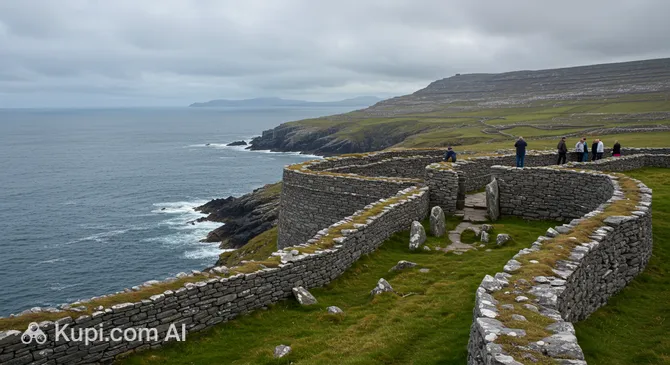
The absolute highlight of the island and its most famous symbol is the fort of Dún Aonghasa. This magnificent stone structure, built over 3,000 years ago, is considered one of the most important archaeological sites in Western Europe. The fortress consists of three concentric semi-circles of massive walls that end abruptly at the ocean from a height of a 100-meter cliff. Standing on the edge, you will feel the power of the elements and the greatness of the ancient builders who chose this inaccessible spot for their citadel.

No less impressive is the natural attraction known as The Worm Hole (Poll na bPéist). This natural tidal pool has such a perfect rectangular shape that it seems man-made, although it was actually carved into the limestone by the waters of the Atlantic. The site became world-famous thanks to cliff-diving competitions, but even without extreme jumps, the sight of the crashing waves filling this stone bowl is mesmerizing.

Dún Aonghasa. Illustration.
Source: Kupi.com AI

Traveler photos:

To immerse yourself in the atmosphere of traditional island life, a visit to Tigh Nan Phaidí is a must. It is not just an establishment, but one of Inishmore's most photographed locations—a charming thatched cottage that looks like it stepped off the pages of a fairy tale. Located near Kilmurvey Beach, it attracts tourists with its authentic coziness, stone walls, and the chance to experience true Irish flavor by a warm hearth.

History buffs will also find the Seven Churches (Na Seacht dTeampaill) complex fascinating. Despite the name, only the ruins of two churches and several residential buildings dating from the 8th to 15th centuries remain. This site was one of the largest monastic centers in the west of Ireland and still retains an atmosphere of sanctity and peace. Here you can see ancient Celtic crosses and gravestones that tell the story of the island's rich spiritual past.

Local Cuisine

Inishmore's cuisine is honest and hearty food, seasoned by the salty Atlantic wind. On this rugged island, gastronomic culture is built around absolute freshness: fish reaches the table just hours after being caught, and vegetables and meat are sourced from local farms. For tourists, it's an opportunity to taste Ireland in its most traditional form.

The culinary symbol of the island is undoubtedly Aran Seafood Chowder. This thick, creamy, and incredibly aromatic dish will warm you after a walk along the windy cliffs better than any fireplace. Every family and every pub has its own secret recipe, but the abundance of fish—salmon, cod, or haddock—remains constant. Delicacy lovers should order the freshest oysters or mussels, which are considered everyday food here rather than a luxury.

Meat dishes also hold an important place on the menu. Island lamb is famous for its delicate flavor, thanks to the sheep grazing on meadows sprayed with sea mist. Be sure to try the stewed meat with vegetables or baked potatoes with herbs. For a snack, the famous Aran goat cheese is perfect, served with warm homemade soda bread and a thick layer of butter.

The food culture on Inishmore is inextricably linked to socializing. Cozy pubs and restaurants serve as hubs, especially in the main village of Kilronan. For example, at the restaurant in the Aran Islands Hotel, you can enjoy a full dinner of local products in a lively atmosphere. If you're looking for something more intimate and authentic, stop by Tigh Nan Phaidí—a charming thatched cottage serving simple but delicious home-cooked meals.

As for drinks, a classic Irish atmosphere prevails: a pint of Guinness, local craft cider, or ale accompanies most evening gatherings. However, hot tea is just as popular, consumed in huge quantities, often with fresh pastries or berry jams. In summer, the gastronomic scene is complemented by small farmers' markets where you can buy fresh produce directly from the producers.

Travel Tips

Welcome to Inishmore—an island where the rugged beauty of the Atlantic meets ancient traditions. To make your trip as comfortable as possible and leave you with only warm memories, we have prepared a list of important practical recommendations to help you feel confident in this unique corner of Ireland.

  1. Clothing and Gear. The weather on the island changes rapidly, so layering is your best friend. Even in summer, be sure to bring a waterproof windbreaker with a hood and a warm sweater. The main attribute for a tourist here is comfortable, sturdy shoes (trekking boots or sneakers with good grip), as you will be walking a lot on rocky terrain and uneven paths. Umbrellas are useless here due to strong winds.

  2. Transport Nuances. There is no conventional public transport or services like Uber on Inishmore. The most popular way to get around is renting a bike right at the pier. If you don't like pedaling, use the tourist minibuses that conduct sightseeing tours or the traditional horse-drawn carriages. It is impossible to rent a car on the island itself, and bringing your own on the ferry is expensive and impractical due to the narrow roads.

  3. Finances and Cash. The official currency is the Euro (€). While hotels, supermarkets, and large souvenir shops accept cards (Visa, Mastercard), cash is essential. You will need it for small souvenirs, coffee at small stalls, or minibus fares. There is an ATM on the island (usually in the Spar shop in Kilronan), but it may not be working or could run out of money, so it's better to withdraw cash on the mainland.

  4. Safety in Nature. Inishmore is a very safe place in terms of crime, but nature here demands respect. Be extremely careful at cliff edges, especially at Dún Aonghasa—there are no fences, and gusts of wind can be sudden and strong. The pharmacy on the island is not open 24/7, and the medical center has limited resources, so be sure to bring a personal first-aid kit with necessary medications.

  5. Communication and Language. The island is part of the Gaeltacht—a region where Irish is the primary language in daily life. However, all locals speak English fluently. Wi-Fi is available in most pubs and hotels, but mobile internet can drop out in remote parts of the island. It is better to buy a SIM card in advance in Ireland's larger cities, as the choice of operators on the island is limited.

  6. Local Etiquette. The residents of Inishmore are famous for their hospitality. It is customary to greet passers-by on rural roads, even if you are strangers—a simple nod or a "Hello" will suffice. Respect private property: many fields are fenced off, and you should not enter them without permission as livestock graze there.

  7. What to Avoid. It is strictly forbidden to climb the stone walls or try to take stones from them as "souvenirs." These dry-stone walls are historical heritage and are very fragile; damaging them can harm the ecosystem and upset local farmers. Also, avoid planning your route too close to the last ferry—if you miss it, finding a place to stay in peak season will be extremely difficult.

  8. Planning Advice. Keep in mind that life on the island slows down after the last day ferry departs (around 5:00–6:00 PM). Shops and some cafes close early. If you are staying overnight, book a dinner table in advance, as there are few restaurants open in the evening and they fill up quickly.

Inishmore is a place where time flows at its own special rhythm. By following these simple tips, you can avoid practical hassles and fully immerse yourself in the atmosphere of ancient legends, enjoying the sound of the ocean and the warmth of Irish hospitality.

Entertainment & Nightlife

Nightlife on Inishmore is a world away from the noise of big cities. You won't find neon signs of nightclubs, techno discos, or 24-hour markets here. Evening entertainment on the island is about immersing yourself in the cozy, almost family-like atmosphere of traditional Irish pubs, where the main attractions are "craic" (fun), live music, and heartfelt conversation. The epicenter of evening activity is the main village of Kilronan, where most establishments are concentrated.

The core of evening leisure is visiting local pubs, which often serve as restaurants and concert venues. One of the most popular spots for an evening out is the Aran Islands Hotel. The hotel bar is a magnet for both tourists and locals. On weekends and during the summer season, musicians regularly perform traditional Irish tunes, and the spacious hall even allows for some dancing. It's a great place to try local beers and have a hearty dinner after a long day.

Aran Islands Hotel. Illustration.
Source: Kupi.com AI

Traveler photos:

For those seeking a more intimate and authentic setting, Tigh Nan Phaidí is well worth a visit. This charming thatched cottage, located a bit further from the main port, is famous for its homey atmosphere. It's especially cozy in the evening: stone walls, warm light, and delicious simple food create the perfect conditions for a relaxed break. While it closes earlier than the lively bars in the center, it's a must-visit to experience the island's unique character.

The crowd in Inishmore's venues is very diverse: you might find fishermen in hand-knitted sweaters sitting at the same table as tourists from all over the world. There is no dress code whatsoever—comfortable clothing and hiking boots are considered the norm even in the evening. Prices for drinks and food are average by Irish standards: a pint of beer costs about €5–6, and dinner around €15–20. Most kitchens close around 9:00 PM, so plan your dinner early, though the drinks keep flowing until late at night.

An important aspect of island life is safety and transport. Inishmore is incredibly safe, and you can walk around without worry at any time. However, outside of Kilronan village, there is practically no street lighting. If you decide to walk at night, be sure to bring a flashlight and wear reflective elements. There are no ride-sharing services like Uber or Bolt here. If you are staying far from the pub, arrange a transfer with local minibus drivers (hackneys) in advance or ask at the bar if someone can give you a lift to your hotel.

By day, entertainment on the island is more contemplative. Tourists explore ancient ruins like Dún Aonghasa, watch seal colonies, or visit small craft museums and sweater shops. But it is in the evening, to the sound of a fiddle and a bodhrán in a warm pub, that the island reveals its true, living soul.

Parks & Museums

Inishmore is not the place to look for classic city parks with manicured lawns or massive museum complexes. The entire island itself is a magnificent natural reserve and an open-air museum, where the boundaries between history, culture, and wilderness are practically blurred. A walk here is a journey through the centuries against a backdrop of rugged and beautiful landscapes.

While there are no typical botanical gardens, the role of the main relaxation area is filled by the gorgeous Kilmurvey Beach. This Blue Flag beach is a rare oasis on the rocky island, featuring white sand and turquoise water. It's the perfect spot for a picnic or a peaceful stroll on a sunny day. Nearby is another natural highlight—the Seal Colony. There is a dedicated viewing area where you can watch these charming animals basking on the rocks during low tide, a treat for wildlife enthusiasts.

The cultural heart of the island beats at the Aran Heritage Centre (Ionad Árann), located in the main village of Kilronan. This is a key museum to visit upon arrival. The exhibition tellingly recounts the harsh life of the islanders, the history behind the famous sweaters, the local geology, and fishing traditions. You can also watch the classic documentary film "Man of Aran" here to better understand the spirit of the place.

Dún Aonghasa. Illustration.
Source: Kupi.com AI

Traveler photos:

Among the historical monuments, the absolute leader is Dún Aonghasa. Although it is an ancient fort, the path to it goes through a modern visitor center, which itself acts as a small museum with information boards and models. The climb to the fort is a proper cross-country trek, rewarding travelers with incredible views.

Another significant site is the Seven Churches (Na Seacht dTeampaill). These are the ruins of an ancient monastic settlement on the west of the island. Despite the name, remains of two churches and several dwellings surrounded by old Celtic crosses have survived. This place is steeped in the silence and history of early Christianity in Ireland.

Insider Tip: If you want to see an impressive ancient fortress but avoid the crowds, head to Dún Dúchathair (The Black Fort). Located on the southern side of the island, it's less popular than Dún Aonghasa but offers equally dramatic cliff views and a sense of complete solitude with nature.

Getting Around

The public transport system in Inishmore differs significantly from the usual urban infrastructure of major cities. You won't find a metro, trams, trolleybuses, or a complex network of scheduled buses here. The island is quite compact, and all transport logistics are organized specifically for the convenience of travelers arriving by ferry at the main port of Kilronan. Getting around the island is part of the tourist experience, not just a way to get from point A to point B.

The most popular and affordable means of transport is the bicycle. Numerous rental points are located right by the pier, offering thousands of bikes: from classic city models to mountain bikes, e-bikes, and even tandems. Rental is done on the spot, a deposit is usually not required, and the price often includes an island map and a helmet. This provides full freedom of movement and the ability to stop at any scenic spot.

For those who prefer comfort or want to save time, tourist minibuses are available. Drivers meet every arriving ferry right at the pier. They offer group sightseeing tours of the island with stops at main attractions, such as Dún Aonghasa, and return to the port in time for your ferry's departure. This is not scheduled public transport but rather excursion shuttles operating on a "hop-on, hop-off" principle (waiting for the group at sight-seeing points).

A unique feature of Inishmore is the traditional Pony & Trap horse-drawn carriages. This is a historic form of transport that allows for a leisurely tour of the island accompanied by stories from a local driver (jarvey). A ride in such a carriage is an attraction in itself, immersing you in the atmosphere of old Ireland. They can also be found in the main square by the pier.

The payment system on the island is extremely simple and conservative. City transit cards or mobile transport apps do not work here. Cash Euros are the most reliable method of payment. While large bicycle rental shops accept bank cards, minibus drivers and pony & trap owners often work only with cash. There are no unified tickets; you pay the specific operator for the service.

Taxi apps like Uber or Bolt do not exist on the island. Their function is performed by local licensed drivers (hackneys). There are few of them, and cars do not cruise the streets looking for customers. If you need a transfer in the evening or to a remote part of the island, you must arrange it with a driver in advance or ask your hotel or pub staff to call a car for you.

The main advice for tourists: keep an eye on the ferry schedule. The island's transport life dies down after the departure of the last evening ferry to the mainland (usually around 5:00–6:00 PM). If you are staying overnight and planning an evening out, find out in advance how you will return to your hotel, as finding free transport after dark can be problematic.

Accommodation

Accommodation on Inishmore isn't about faceless hotel chains or high-rise complexes. The island offers a cozy, home-like format of staying that allows you to dive deeper into the local atmosphere. The main housing stock consists of traditional Bed & Breakfasts (B&Bs), small family-run hotels, and options for nature lovers, such as glamping. Comfort levels range from simple rooms with basic amenities to modern rooms with all necessary services.

When choosing a place to stay, it's important to consider the island's geography. The most popular and convenient area is the village of Kilronan. Staying here puts you within walking distance of the ferry terminal, the only supermarket, bike rentals, and most pubs. It's the perfect choice for those who don't want to spend time on logistics. If you're looking for seclusion and quiet, consider options in the village of Kilmurvey. It is closer to the western part of the island, near a magnificent beach and Dún Aonghasa, but keep in mind you'll need a taxi or a bicycle to get there.

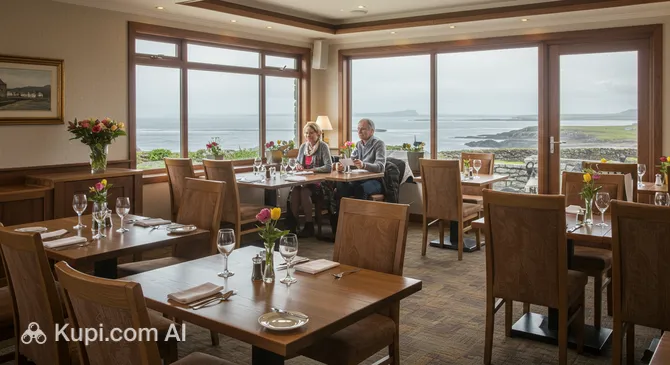
Among specific accommodation options, the Aran Islands Hotel stands out. It is perhaps the most well-known and largest hotel on the island, located just a few minutes' walk from the pier in Kilronan. It offers guests spacious rooms, often with sea views, and is famous for its restaurant and bar where live music plays in the evenings. This is an excellent option for those accustomed to classic hotel service standards.

Aran Islands Hotel. Illustration.
Source: Kupi.com AI

Traveler photos:

For budget travelers and young people, there are hostels on the island offering bunk beds in shared rooms. In recent years, glamping has gained popularity—comfortable wooden pods with ocean views that combine closeness to nature with modern conveniences (heat, electricity, a soft bed).

Booking Tips and Prices:

Inishmore is a very popular destination, and the number of places to stay is limited. The golden rule for tourists here is: book your accommodation in advance. If you're planning a trip for July or August, you should start looking 2–3 months ahead; otherwise, you risk being left without a roof over your head or overpaying for the last available options.

Prices are generally in the mid to high range, especially during peak season. A night in a standard B&B won't be cheap, but this price usually includes a hearty Irish breakfast. You can book through popular online platforms or directly via the guest house websites. Note: many small B&Bs close for the winter period (November to March), so the choice is even more limited in the low season.

Nearby Cities

For those looking to explore the surrounding areas, Inishmore serves as an excellent starting point for discovering the west coast of the Emerald Isle. Since the island is connected to the mainland by ferry, travelers can combine a secluded getaway with visits to the region's vibrant cities, each with its own unique character.

The undisputed center of attraction is Galway—the cultural capital of the west and one of the country's most dynamic cities. It is famous for its bohemian atmosphere, street musicians, festivals, and the renowned Latin Quarter. Most ferries to the Aran Islands depart from here (via the port of Rossaveal), making Galway perfect for starting or ending your trip.

Another interesting option for a visit is Ennis, the capital of County Clare. This town, with its narrow winding streets and rich history, is known as one of the centers for traditional Irish music. Ennis is conveniently located for those planning a trip to the Cliffs of Moher or heading to Inishmore via the Doolin ferry.

Below is a list of nearby cities that can be included in your regional itinerary:

CityPopulationDistance
Inisheer29715 km
Spiddal1 50030 km
Galway79 50447 km
Ennis25 27658 km
Tuam8 76772 km

These nearby destinations provide a full picture of the region's diverse culture and landscapes, harmoniously complementing the rugged beauty of the Aran Islands with urban comfort and historical sites.

Shopping & Souvenirs

Shopping on Inishmore is a unique opportunity to touch authentic Irish crafts. Here you won't find huge shopping malls, global brand boutiques, or busy outlets. Trade on the island is intimate, almost domestic, and the shops focus on quality, tradition, and handmade goods. It's the perfect place to find items that hold the warmth of artisans' hands and the history of this rugged land.

Main Shopping Areas and Streets

The island's commercial life is centered in its "capital"—the village of Kilronan. This is where most shops are located, right near the ferry pier. A walk along the main street takes very little time but allows you to visit all the key souvenir stalls and craft workshops. Small outlets can also be found at the entrances to popular attractions, such as on the road to the ancient fort of Dún Aonghasa, where locals often sell knitwear and souvenirs.

Shopping Centers

There are no conventional malls on Inishmore; however, the main shopping attraction is the famous Aran Sweater Market. This is a large shop-museum specializing in the legendary Aran knitwear. It offers a huge selection of sweaters, scarves, and blankets, and the building itself is a magnet for everyone wanting to take home a piece of Irish coziness.

Markets

There are few organized markets on the island. During the summer season, small stalls and temporary counters appear near the pier and popular tourist trails. Here you can buy simple crafts, homemade pastries, or jewelry made by local artisans. This is more of a spontaneous trade that adds character rather than a full market complex.

Souvenirs

The main item for which many people come shopping here is the Aran sweater. A real sheep's wool sweater with unique patterns will be the best reminder of your trip. Additionally, look out for:

  • Tweed products (caps, waistcoats);
  • Traditional Celtic silver jewelry;
  • Seaweed-based cosmetics;
  • Local gourmet souvenirs: goat cheese, chocolate, or homemade fudge.

Opening Hours and Payment

Shops on Inishmore usually open from 10:00 AM to 5:00 PM or 6:00 PM, following the ferry schedules and tourist flow. Hours may be reduced in winter. Large stores like the Aran Sweater Market accept credit cards without issues. However, in small shops, cafes, and when buying souvenirs from street vendors, it is highly recommended to have cash Euros with you.

Tax Free

Tourists arriving from countries outside the European Union can avail themselves of the Tax Free refund service for large purchases. This option is available at the main specialized clothing and souvenir shops. Be sure to check for the Tax Free form at the checkout before paying and keep your receipts to present at the departure airport.

Reached the end of the page?

That means the route is fully explored