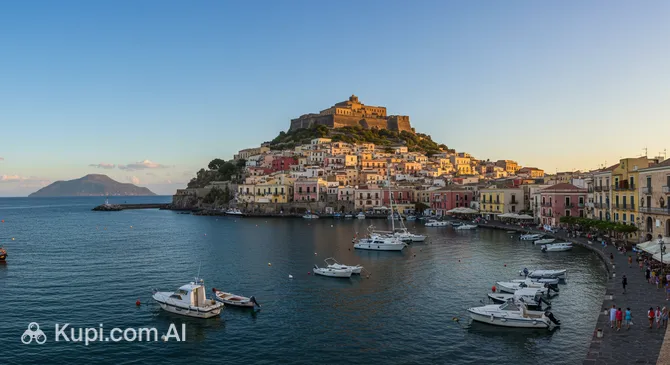
Shopping in Lipari is not a pursuit of global brands in huge malls, but a slow and pleasant immersion into local culture through crafts and gastronomy. Here, the buying process resembles a friendly conversation: the owners of small shops proudly talk about the origin of their goods, whether it's jewelry made of volcanic stone or homemade wine. The main value of local shopping is authenticity and the "Made in the Aeolian Islands" quality mark.
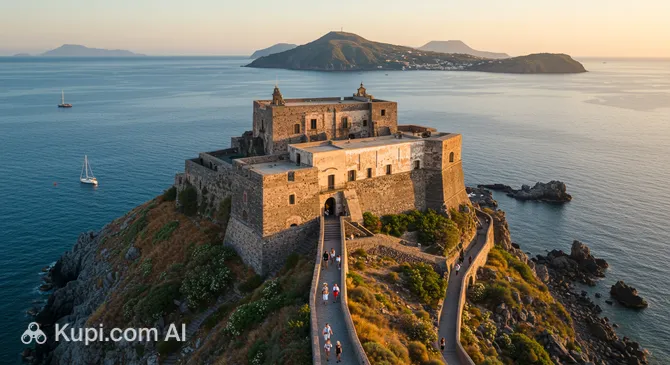
The heart of the town's commercial life is Corso Vittorio Emanuele. This bustling artery, partially pedestrianized, runs through the city center and is filled with a wide variety of shops: from boutiques with Italian beachwear and ceramics to souvenir stalls. Walking here, you can find everything you need. It is also worth turning onto Via Garibaldi, which leads to the fortress; more touristy shops with postcards and magnets are concentrated here, but there are also interesting art workshops.
There are no large shopping centers or outlets in the traditional sense on Lipari. The island retains its charm thanks to the lack of globalization in retail. Instead of glass malls, family "bottegas" and specialized stores thrive here. If you need groceries or basic necessities, chain supermarkets (such as Decò or Conad) are at your service, located near the port and on the central streets.
Market culture on the island is developed but has its own peculiarities. The most colorful place is the morning fish market in the port area. It's worth coming here early to see the freshest catch: swordfish, tuna, and shrimp just pulled from the nets by local fishermen. Although tourists rarely buy raw fish, the atmosphere itself is unforgettable. Also, spontaneous vegetable stalls periodically appear in the city, where farmers sell juicy Sicilian fruits, tomatoes, and herbs.
The choice of souvenirs on Lipari is directly related to the volcanic nature of the archipelago. The most popular gifts are products made of obsidian (volcanic glass) and pumice. Local jewelers create elegant pendants, earrings, and bracelets from black shiny obsidian. Another traditional souvenir is bright Sicilian ceramics: painted plates, vases, and symbolic "Moors' heads" will decorate any interior.
Gastronomic souvenirs hold a special place in travelers' suitcases. Be sure to bring home the famous Aeolian capers (Capperi Eoliani), considered among the best in the world, and the sweet dessert wine Malvasia. For choosing wine and local delicacies, Gilberti and Vera Enopaninoteca is perfect—here you can not only taste drinks but also buy a bottle of a rare vintage as a gift for loved ones.
Store hours are subject to the traditional siesta. Typically, shops open around 9:00 AM, work until 1:00 PM or 1:30 PM, and then close for a long lunch break. Evening trade resumes after 4:30 PM or 5:00 PM. In the high summer season (July-August), shops in the center, especially on Corso Vittorio Emanuele, may stay open until late at night, catering to strolling tourists.
As for payment, most shops, boutiques, and restaurants accept bank cards (Visa, Mastercard) without problems. However, for small purchases—magnets, ice cream, bus tickets, or market goods—it is highly recommended to have cash Euros with you. The Tax Free system (VAT refund) is available in some larger stores selling clothes or jewelry for purchases over 154.94 euros, but there are few such spots on a small island, so it is better to check for the "Tax Free" sticker at the entrance.