Support

Akita Museum of Art

Nearby places of interest

About

The Akita Museum of Art (Akita Kenritsu Bijutsukan) is more than just an art gallery; it is a true architectural treasure located in the city of Akita, Japan. Opened in 2013, the museum was designed by the world-renowned Japanese architect Tadao Ando. The building itself is a striking example of his signature style and is recognized as a work of art, harmoniously blending functionality and aesthetic appeal.
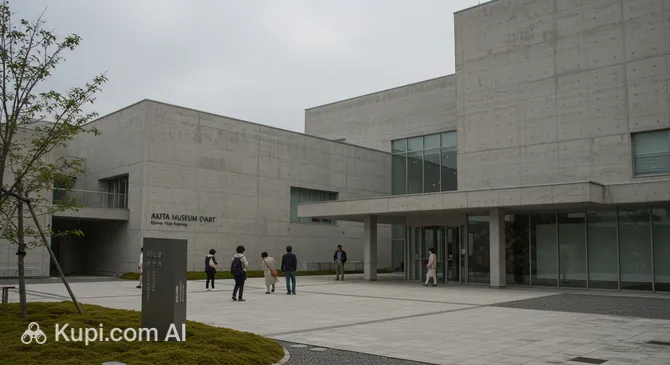
Akita Museum of Art. Illustration.
Source: Kupi.com AI

Traveller photos:

Special attention in the museum's architecture is drawn to elements such as the impressive triangular skylight that fills the space with natural light, and the original staircase, which is an art object in its own right. These details highlight Ando's unique approach to design and create a special atmosphere for experiencing art.

The collection of the Akita Museum of Art impresses with its diversity. It features both local contemporary art and valuable historical exhibits of global significance. Visitors can see works by great masters such as Goya, Picasso, Rubens, and Rembrandt. A particular source of pride for the museum is one of Japan's largest collections of works by Tsuguharu Fujita (Leonard Fujita), an outstanding artist of Japanese origin who gained recognition in France.

Visiting the Akita Museum of Art is a unique opportunity not only to discover masterpieces of world and Japanese art but also to enjoy an outstanding architectural space. It is a place where art and architecture merge, leaving every visitor with unforgettable impressions.

Contacts

To get the most up-to-date information on opening hours, ticket prices, and special events at the Akita Museum of Art, we recommend visiting the museum's official website or contacting local tourist information centers. There, you can find the latest data to help you plan your visit effectively.

How to contactContact
Address1-chōme-4-2 Nakadōri, Akita, 010-0001, Japan
Phone+81 18-853-8686
Websitewww.akita-museum-of-art.jp

What to Do

At the Akita Museum of Art, begin your journey by immersing yourself in the work of Tsuguharu Fujita. Dedicate some time to carefully studying his pieces, trying to catch the unique fusion of Japanese and French painting traditions. Don't miss the chance to examine the details of his monumental canvas depicting Akita's festivals and the changing seasons—allow yourself to feel the dynamism and beauty of these scenes. Then, turn your attention to the museum space itself: wander through the halls to fully appreciate Tadao Ando's architectural vision. Stand under the impressive triangular skylight, feeling how the natural light transforms the interior, and climb the original staircase, viewing it as a standalone piece of art.

Continue your art expedition by exploring works by world-famous masters such as Goya, Picasso, Rubens, and Rembrandt. Compare their styles and eras, gaining new impressions from each masterpiece. Conclude your visit by exploring the contemporary art exhibition featuring local artists. This will allow you to gain a deeper understanding of Akita Prefecture's cultural heritage and feel its living connection to global art trends, as well as appreciate the region's contribution to the art of Japan.

Getting There

Getting to the Akita Museum of Art is generally straightforward, as it is located in the city of Akita, the administrative center of the prefecture of the same name. Like most cultural institutions in Japanese cities, the museum likely enjoys good transport links.

One of the most convenient ways to reach the museum is by public transport. Akita has a bus network, and there are certainly routes passing near the Museum of Art. It is recommended to check bus numbers and schedules at bus stops, tourist information centers, or on the museum's official website, if available. If the museum is located near Akita Station, you can walk or take a short bus ride from the station.

For those who prefer comfort or are traveling on a tight schedule, a taxi is always an option. Taxis in Japan offer a high level of service, though they are a more expensive way to get around. A trip from downtown Akita or the main station to the Akita Museum of Art will take little time. It is advisable to have the museum's name in Japanese or its address ready to show the driver.

Nearest city: Akita

History & Facts

Opened in 2013, the Akita Museum of Art quickly established itself as one of the key cultural hubs of Akita Prefecture. The museum building itself is a work of art, designed by the world-renowned Japanese architect Tadao Ando. His signature style, characterized by minimalism and the masterful use of natural light, is reflected in the museum's architectural design. Elements such as the triangular skylight and the original staircase are particularly noteworthy, attracting both visitors and photographers alike.

The heart of the museum's collection features works by Tsuguharu Fujita (also known as Leonard Fujita) — a Japanese artist who spent most of his life working in France. His unique style, blending Japanese traditions with European painting techniques, made him a prominent figure in world art. The collection of Fujita’s works at the Akita Museum of Art is one of the few showcased in his homeland of Japan, giving it special cultural significance. Visitors can see how East meets West on this master's canvases.

One of the highlights of the exhibition is Fujita’s monumental canvas depicting Akita's festivals and the changing seasons. Considered one of the artist's largest paintings in the world, it is an impressive sight that immerses the viewer in the atmosphere of local traditions and the region's natural beauty. The painting was created specifically for this region as the artist's tribute to Akita's culture.

It is important to note that the Akita Museum of Art, which focuses on artistic works and a modern approach, should not be confused with the Akita Prefectural Museum. The latter, opened much earlier in 1975, offers a broader exhibition including Buddhist art, everyday objects, and other artifacts reflecting the history and culture of the prefecture as a whole. Thus, the Akita Museum of Art offers a more specialized and contemporary perspective on the world of art.

Time Needed

When planning a visit to the Akita Museum of Art in Akita, you should expect to spend roughly 1.5 to 3 hours. This is generally enough time to explore the main exhibition and get a general impression of the works on display, especially if you want to thoughtfully examine the key exhibits.

The duration of your visit may vary based on several factors. If you have a deep interest in art and plan to study every detail of the exhibits, or if there are temporary exhibitions of particular interest, your stay might be longer. Additionally, if you wish to visit the museum shop or relax in the museum cafe (if available), this will add time to your visit. For a quick look at the main collection, an hour might suffice, but for a fuller immersion, it’s better to set aside more time.

Working Hours

When planning a visit to the Akita Museum of Art, it is important to check the current opening hours in advance. Generally, many museums in Japan have a standard schedule, but it may change depending on the season, the day of the week, or special events. Currently, we do not have exact information regarding the museum's operating hours or the need for advance ticket booking.

To ensure your visit goes smoothly, we strongly recommend checking the museum's official website or contacting local tourist information centers in Akita for the most up-to-date information on schedules, ticket prices, and potential reservation requirements. This will help you avoid any inconvenience and plan your visit in the best way possible.

10:00 – 18:00

Nearby

A visit to the Akita Museum of Art is undoubtedly a highlight, but exploring its surroundings can significantly enrich your trip to Akita. Strolling through the nearby streets allows you to dive deeper into the city's atmosphere, discover new interesting spots, and perhaps find something unexpected and charming that isn't on the standard tourist routes.

Exploring what lies near the museum offers a chance to gain a more complete picture of Akita's cultural and daily life. This could be a cozy cafe, a small park, or another attraction that rounds out your day with new discoveries.

NameDistance
Akita City Folk Arts Center (Neburinagashi-kan)0.5 km
Eiraku Shokudo0.5 km
Senshu Park0.6 km
Tombo-an0.7 km

Reached the bottom of the page?

Looks like you know this route inside out