Support

Senshu Park

Nearby places of interest

About

Senshu Park is a picturesque urban park located in the heart of Akita City in northern Japan. This beautiful natural oasis is not just a place for relaxation but also a historical site, as it was established on the grounds of the former Kubota Castle. Although only a few elements of the castle remain—such as a gate, a watchtower, and the moat, which has been transformed into a system of charming ornamental ponds—the spirit of history is felt everywhere.
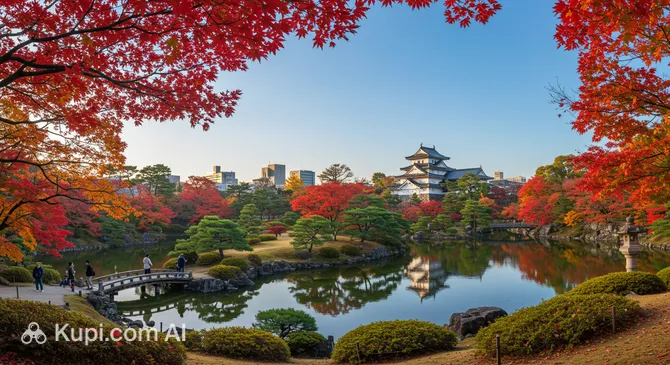
Senshu Park. Illustration.
Source: Kupi.com AI

Traveller photos:

Senshu Park is famous for its incredible seasonal beauty, making it one of the most popular spots for walking and recreation among both locals and tourists. In spring, you can admire the cherry blossoms and azaleas; in summer, the park is bathed in lush greenery; in autumn, it is painted in the brilliant crimson and gold tones of maple trees; and in winter, it is covered in a pristine white blanket, offering visitors peaceful and fairytale-like landscapes.

Founded in 1892, the park was designed by the renowned landscape architect Nagaoka Yasuhei, whose detailed plan was developed and approved in 1896. Thanks to his talent, Senshu Park continues to captivate visitors with its harmonious beauty and unique landscapes that change with every season. It is the perfect place to take a break from the hustle and bustle of the city, enjoy nature, and connect with history.

Contacts

Senshu Park is a popular public recreation area, and as such, it typically does not have a dedicated visitor contact service in the traditional sense. For the most up-to-date information on operating hours, special events, or park rules, it is best to check the official tourism portals for the city of Akita or consult the information boards located directly within the park grounds.

Getting to Senshu Park is generally straightforward, as it is a well-known landmark in Akita and is easily accessible by public transport or on foot from central areas of the city.

How to contactContact
Address1 Senshukoen, Akita, 010-0876, Japan
Phone+81 18-888-5753
Websitewww.city.akita.lg.jp

What to Do

Senshu Park in Akita is a place where nature appears in all its glory at any time of year, offering visitors unforgettable experiences. In spring, the park transforms into a soft pink sea of cherry blossoms, creating a magical atmosphere for walks. Following the sakura, purple clusters of wisteria bloom, giving the landscape a regal appearance. In summer, guests can admire the blooming lotuses, and in autumn, the park bursts into the fiery red colors of momiji maple leaves. This seasonal palette shift makes Senshu Park an ideal spot for contemplation and photography.

Beyond its natural beauty, you can experience history firsthand within Senshu Park. Elements of the ancient Kubota Castle, which once dominated the area, have been preserved here. Visitors can see the guardhouse built in the 18th century, as well as the watchtower reconstructed in 1989, which offers views of the surrounding area. These structures allow you to imagine what the castle looked like in times past.

For those interested in the spiritual culture of Japan, several Shinto shrines are located within Senshu Park. Among them are Hachiman Shrine, built in the early 20th century and restored after a fire in 2005; Yojiro-inari Shrine, founded in 1892; and Iyataka Shrine, whose history also dates back to the 19th century. Each of these shrines has its own unique atmosphere and architecture, offering visitors a chance for tranquility and a glimpse into local traditions.

Additionally, the Akita Maiko Theater is located on the park grounds. Here, guests can dive deeper into traditional Japanese art by watching performances by maiko—apprentice geisha. This is a wonderful opportunity to see graceful dances and hear traditional music, making a visit to Senshu Park an even more enriching and memorable cultural experience.

Getting There

Reaching Senshu Park in Akita is quite easy, thanks to the well-developed transportation network typical of Japanese cities. The primary way to get to the park is likely by public transport. In Akita, this usually means city buses, whose routes often cover key attractions. It's also worth checking for any local rail or subway lines if they operate nearby.

One of the most convenient ways to reach Senshu Park is by using local bus routes. We recommend checking route numbers and the stops closest to the park on Akita's official tourism website or on-site at a tourist information center. Public transport stops are typically located within walking distance of the park entrances.

Additionally, taxi services are always an option. A taxi ride from central Akita or the railway station to Senshu Park will be quick and comfortable, though more expensive than public transport. If you prefer walking and are staying nearby, you can reach the park on foot while enjoying the city sights along the way.

Nearest city: Akita

History & Facts

Senshu Park in Akita is more than just a green space; it is a site with a rich and layered history stretching back centuries. Its legacy is inextricably linked to Kubota Castle, which was built on this site in 1602. This castle served as the residence for local feudal lords until 1869 and played an important strategic role during the Edo period. Notably, the castle suffered several fires, such as those in the 1780s and 1790s, requiring subsequent reconstruction.

With the dawn of the Meiji era (1868–1912), Kubota Castle entered a period of decline. It was eventually abandoned and burned down. By the 1880s, only ruins remained of the once-grand structure. However, the site was not forgotten. In 1892, the decision was made to establish a public park, named Senshu, on the grounds of the former fortress. The park's design was developed in 1896 by the renowned landscape architect Nagaoka Yasuhei, who skillfully integrated the new green space into the historic landscape.

Despite the destruction, some traces of the past have survived. An original guardhouse dating back to the 18th century still stands within Senshu Park today; it is the only authentic building remaining from the castle complex. Additionally, in 1989, one of the castle's watchtowers was reconstructed, serving as a reminder of its former glory and becoming a popular site for visitors. Walking through the park, you can literally touch history.

It is remarkable that the history of this site began long before Kubota Castle. Archaeological evidence indicates that as early as the 8th century, the more ancient Akita Castle stood here with its first fortifications. Thus, the territory where Senshu Park now spreads preserves memories of events spanning over a thousand years, making it a truly unique historical and cultural site in Japan.

Time Needed

When planning a visit to Senshu Park in Akita, Japan, it is worth setting aside enough time to enjoy its beauty and historical atmosphere. For a leisurely stroll along the main paths, taking in the scenic spots and getting a general overview of the area, 1–2 hours is usually sufficient. This gives you enough time to appreciate the park's well-kept grounds and snap a few memorable photos.

However, if you want to dive deeper into the history of the site—known as the former grounds of Kubota Castle—and carefully explore all its corners, including the gardens, ponds, and any historical reconstructions or structural remains, your stay may be longer. For instance, visiting a small museum on-site (if available) or simply wanting to spend more time enjoying the nature and tranquility will require additional hours. In that case, exploring Senshu Park could take 2–3 hours or even a half-day.

Overall, the recommended time for visiting Senshu Park ranges from 1–2 hours for a general introduction to 3–4 hours (or half a day) for a more thoughtful and unhurried exploration. It all depends on your interests, the time of year—which can drastically change the landscape (such as cherry blossom season or autumn colors)—and your desired walking pace.

Working Hours

Senshu Park in Akita is generally open to visitors year-round, allowing you to enjoy its beauty in any season. However, the exact operating hours for individual pavilions, museums, or other facilities within the park grounds may vary. Entry to the park itself is typically free and does not require a reservation.

To get the most up-to-date information on the opening hours of specific areas within the park, as well as any special events or the need to purchase tickets for certain exhibitions, it is recommended to visit the official Senshu Park website or check with local tourist information centers just before your visit. This will help you plan your visit in the best possible way.

Open 24/7

Nearby

Visiting Senshu Park in Akita is undoubtedly a highlight, but to truly feel the spirit of this place, it is worth looking at what lies nearby. Exploring the surrounding area often brings unexpected discoveries and allows you to form a more complete picture of the city's culture and life, enriching your experience of traveling in Japan.

There are several noteworthy sites near Senshu Park that may interest the curious traveler. They will help diversify your itinerary and add new layers to your introduction to Akita. Below you will find a list of some of these attractions, along with their approximate distances.

NameDistance
Akita Museum of Art0.6 km
Akita City Folk Arts Center (Neburinagashi-kan)0.6 km
Eiraku Shokudo0.9 km
Tombo-an1.1 km

Reached the bottom of the page?

Looks like you know this route inside out