Support

Okayama Castle

About

Okayama Castle (岡山城, Okayama-jō) is one of the main historical gems of Okayama, located in Japan. This impressive 16th-century architectural structure is also known by the poetic name "Crow Castle" because of the distinctive black color of its exterior walls. The castle rises majestically on the banks of the Asahi River, which gives it a special strategic and aesthetic charm.
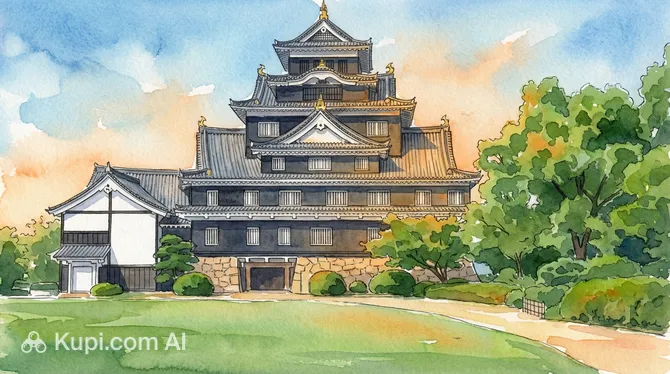
Okayama Castle. Illustration.
Source: Kupi.com AI

Traveler photos:

Today, Okayama Castle serves as a fascinating museum. Its main donjon (tower) preserves the rich history of the region, immersing visitors in the world of samurai culture and the daily lives of Japanese feudal lords. It is a wonderful opportunity to touch the past and experience the spirit of old Japan.

Inside the museum, you can see various exhibitions ranging from ancient weapons and samurai armor to everyday items and detailed models of the castle itself. Additionally, there are displays of traditional crafts for which Okayama is famous, making the visit even more educational and interesting for anyone interested in Japanese history and culture.

Contacts

Planning a visit to Okayama Castle and want to know the latest details for your trip? You can contact the museum administration by the phone number provided below. Since direct links to the official website and email are not provided, we recommend checking the official Okayama Castle website (via search engines) or visiting tourist information centers in Okayama.

How to contactContact
Address2-chōme-3-1 Marunouchi, Kita Ward, Okayama, 700-0823, Japan
Phone number+81 86-225-2096
Websiteokayama-castle.jp

What to Do

Many interesting activities await visitors at Okayama Castle. One of the main highlights is climbing to the top floors of the castle, which offer breathtaking panoramic views of Okayama and the neighboring Korakuen Garden. Inside the castle, one of Japan's interesting historical sites, there is a museum where visitors can learn about its rich history.

The Okayama Castle museum regularly organizes themed exhibitions dedicated to various aspects of Japanese culture and history. In addition, there are engaging traditional craft workshops and interactive programs that will appeal to both children and adults. Visitors should also take note of the castle's unique architecture: the interior and exterior show the influence of Korean building traditions, as well as elements characteristic of Japanese defensive structures from the Sengoku period.

For those planning a more extensive cultural program in Okayama, combined tickets are available near Okayama Castle. These tickets allow you to visit not only the castle itself but also the magnificent Korakuen Garden and other city museums. This offer makes your visit even more complete and memorable, allowing for a deeper dive into the region's culture and history.

Getting There

Getting to Okayama Castle, located in the heart of Okayama, is quite simple, especially from the city's main railway station. The castle is situated about 1.5 kilometers from Okayama Station, making it easily accessible by both public transport and on foot.

If you prefer public transport, you can take an Okaden bus heading towards Okaden Takaya or a Reibi bus towards Higashiyama-keiyu Saidaiji from Okayama Station. You will need to get off at the "Kencho-mae" stop. From there, it’s just a leisurely 5-minute walk to the castle, which is very convenient for tourists.

For those who enjoy walking and want to get a better feel for the city, you can reach the castle on foot directly from the station. The walk takes about 20-25 minutes through central Okayama. It’s a great way to see the local area on your way to one of the main attractions. It's also worth noting that the famous Korakuen Garden is right next to the castle, and many tourists combine a visit to these two iconic sites.

Nearest city: Okayama

History & Facts

Okayama Castle, located in the city of Okayama, has a rich and multi-layered history. The first fortifications on this site appeared back in the 14th century when the future castle was known as Ishiyama and belonged to the Kanemitsu clan. During the turbulent Sengoku period, known as the "Age of Warring States," the castle played a strategically important role in defending the Bizen and Mimasaka provinces, serving as a stronghold for local rulers.

Okayama Castle began to take on its modern, recognizable appearance at the end of the 16th century. Large-scale construction was led by daimyo Ukita Hideie, one of the influential military leaders of that time. Thanks to his efforts, the main castle complex was completed in 1597. Due to the distinctive black color of its exterior walls, it was nicknamed "Crow Castle" (U-jo), creating a striking contrast with the white "Heron Castle" in Himeji.

In the 17th century, the castle passed to the Ikeda clan, who made their own changes to the architectural ensemble, continuing to develop and strengthen it. Unfortunately, like many historical structures in Japan, the main part of the castle was destroyed in the mid-20th century. However, in 1966, the main donjon (central tower) was carefully reconstructed according to historical plans, restoring the castle's majestic appearance. A unique element that survived all hardships and remains in its original form today is the Moon Viewing Tower (Tsukimi Yagura), which stands as a silent witness to the castle's centuries-old history.

Time Needed

When planning a visit to Okayama Castle, also known as "Crow Castle" due to its black color, you should allow a certain amount of time for your tour. On average, to explore the museum exhibits inside the castle, climb to the top floors for panoramic views, and walk around the grounds, tourists usually find 1.5–2 hours sufficient. This is enough time to leisurely learn about the castle's history and enjoy its atmosphere.

However, if you plan to combine your trip with a visit to the famous Korakuen Garden, which is located just across the Asahi River, it is better to increase your total time for both attractions. In this case, for a full immersion in the beauty of the garden and a tour of the castle, we recommend setting aside about 3–4 hours. Korakuen is one of the Three Great Gardens of Japan and deserves special attention.

Therefore, the time needed to visit Okayama Castle depends on your plans. A couple of hours is enough for the castle itself, but if Korakuen Garden is on your itinerary, it's best to allocate half a day to enjoy both iconic landmarks of Okayama without rushing.

Working Hours

Okayama Castle is usually happy to welcome visitors daily from 9:00 AM to 5:30 PM. Please note that the last entry to the castle grounds is 30 minutes before the official closing time, at 5:00 PM. The castle is generally open year-round, but its operating hours may be adjusted on national holidays or depending on the season.

To avoid any misunderstandings and plan your visit as best as possible, it is highly recommended to check the current opening hours on the official Okayama Castle website or confirm details at local tourist information centers before your trip. While pre-booking tickets is generally not required, it can be a helpful step to guarantee your visit during peak tourist periods or during special events.

9:00 – 17:00

Nearby

Visiting such a significant landmark as Okayama Castle is a highlight in itself. However, to make your trip to Okayama even more rewarding, it's worth exploring the interesting spots located nearby. Discovering the surroundings will allow you to dive deeper into the city's atmosphere, uncover its hidden gems, and better understand the local culture and history.

There are several notable sites near Okayama Castle, each unique and worthy of attention. A short walk from the castle can lead you to beautiful gardens, fascinating museums, or cozy local spots, perfectly complementing your main excursion.

NameDistance
Okayama Korakuen Garden0.2 km
Okayama Orient Museum0.5 km
Okayama Shrine0.5 km
Okayama Prefectural Museum of Art0.6 km
Yumeji Art Museum0.6 km
Sky Garden Glamp Almin0.8 km
Issyoan Ramen Okayama0.8 km

Have you reached the end of the page?

So the route has been studied inside and out