Support

Ishite-ji Temple

About

Ishiteji Temple is one of the most significant Buddhist temples located in the picturesque city of Matsuyama on Shikoku Island in Japan. It holds an important place in the country's spiritual life as the 51st temple on the famous 88-temple Shikoku pilgrimage route. This sacred site attracts not only believers seeking to follow the ancient path but also tourists from around the world wishing to experience Japanese culture and history.
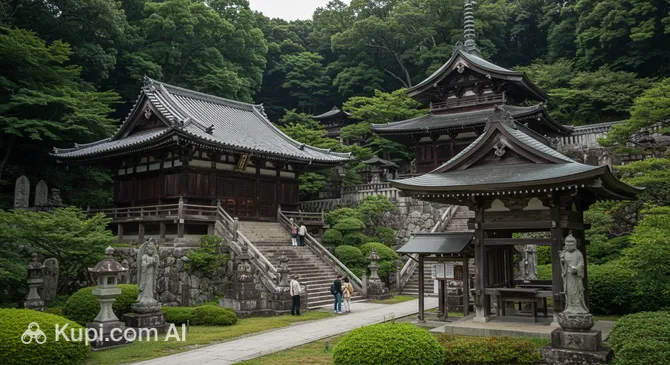
Ishite-ji Temple. Illustration.
Source: Kupi.com AI

Traveler photos:

Ishiteji Temple has a rich history dating back centuries. It was originally named Annoyo-ji and belonged to the Hosso Buddhist sect. Later, the temple was renamed Ishiteji, which literally translates to "Stone Hand Temple," a name associated with a touching local legend. The architecture of the temple is a striking example of traditional Japanese Buddhist design, having preserved its authenticity and beauty over the centuries.

Visitors to Ishiteji Temple can explore its extensive and well-maintained grounds, which form a harmonious complex of various structures. Notable among them are the main hall for worship, majestic pagodas, the Niomon Gate with its fearsome guardians (designated as a National Treasure of Japan), and other temple buildings, each with its own unique history and spiritual significance. A walk through the temple grounds allows you to feel an atmosphere of peace and tranquility, while admiring the exquisite architectural details and surrounding natural landscapes.

Contacts

To find the most up-to-date information on Ishiteji Temple's opening hours, available tours, or specific visiting details, we recommend checking the official tourist resources for the city of Matsuyama or verifying information on-site. Typically, such landmarks are well-known, and you can easily find your way there by public transport or taxi.

How to contactContact
Address2-chōme-9-21 Ishite, Matsuyama, Ehime 790-0852, Japan
Phone number+81 89-977-0870
Websitewww.nehan.net

What to Do

Visiting Ishiteji Temple in Matsuyama is an immersion into the world of Japan's ancient Buddhist culture. Here, you can enjoy the splendor of traditional temple architecture, stroll through well-kept gardens, and soak in the peaceful atmosphere. Of particular interest are the numerous Buddha statues, including the unique Maria-Kannon figurine. This depiction of the Virgin Mary, secretly worshiped by Japanese Christians during the Edo period when Christianity was banned, testifies to the remarkable religious tolerance of Buddhist temples at that time, which provided sanctuary to followers of other faiths.

At Ishiteji Temple, visitors can do more than just observe; they can actively participate in spiritual life. There is an opportunity to join traditional Buddhist ceremonies, find time for meditation in a calming setting, or simply enjoy the silence and beauty of this holy place. Following a centuries-old tradition, you can leave a special tablet with your wishes or prayers on the temple grounds. Additionally, Ishiteji Temple is a popular spot for New Year celebrations, offering a unique chance to welcome the year in a majestic and extraordinary atmosphere.

Getting There

There are several ways to reach Ishiteji Temple, located in the city of Matsuyama on Shikoku Island, using the local transport system. The temple is a significant sanctuary, and there are convenient routes leading to it.

One popular option is to use the railway. The Iyo railway line runs near the temple, making the train a convenient way to reach the site. You will need to check the station closest to the temple and then perhaps walk a short distance or take a local bus from the station.

Additionally, Ishiteji Temple can likely be reached by city buses operating throughout Matsuyama. Be sure to check local bus routes heading toward the temple. A taxi from central Matsuyama or your hotel is also always an option, providing maximum comfort and taking you directly to the temple entrance.

Nearest city: Matsuyama

History & Facts

The history of Ishiteji Temple in Matsuyama dates back to the 8th century, when it was known as Annoyo-ji and belonged to the Hosso Buddhist sect. Although the details of the year 813, marked as an important stage in the temple's development, remain somewhat unclear, it was likely this period that brought significant changes to its fate and status. These early transformations laid the foundation for the sanctuary's centuries-long history, filled with unique events.

A special place in the temple's records is held by its unexpected connection to the period of Christian persecution in Japan. The presence of a small Maria-Kannon figurine on the grounds of Ishiteji—secretly venerated by Japanese Christians during the Edo period—is evidence not just of an artifact's existence, but of a remarkable atmosphere of religious tolerance. This fact highlights that some Buddhist temples of that era became sanctuaries of sorts, demonstrating humanity and openness in difficult times.

Another landmark moment shedding light on the antiquity and significance of Ishiteji Temple was a discovery made by American professor Stull in 1924. A copper tablet dated 1650 was found at the foot of one of the Buddhist statues. Left by a pilgrim, this tablet is recognized as the oldest of its kind found among the 88 temples of the famous Shikoku pilgrimage route. Such a find not only confirms the long history of temple visits but also sets it apart from other shrines on the route.

Time Needed

When planning a visit to Ishiteji Temple in Matsuyama, it is worth setting aside about 1-2 hours for exploration. This time is usually enough to leisurely walk through the temple complex, see its main structures—including the main hall and pagoda—and soak in the atmosphere of this significant pilgrimage site.

In that time, you can appreciate the temple's architectural features, examine the details of the unique carvings and sculptures, and perhaps catch any rituals or ceremonies if they are taking place during your visit. Ishiteji Temple is known for its rich history and is one of the 88 temples on the Shikoku pilgrimage route, which gives it special significance.

If you have a deep interest in Buddhist culture, the temple's history, or wish to spend more time in meditation and contemplation, your visit may last longer. There may also be small exhibitions or souvenir shops on the temple grounds that might require extra time. However, for a general introduction to this sacred place, 1-2 hours will be quite sufficient.

Working Hours

Ishiteji Temple is a major attraction in Matsuyama, and many travelers are eager to visit it. Unfortunately, exact information regarding the temple's opening hours is currently unavailable. Typically, many temples in Japan are open to the public during daylight hours, but times may vary depending on the season or special events.

We recommend checking for current opening hours and whether any advance booking or ticket purchases are necessary on the temple's official website, if available, or at Matsuyama's tourist information centers before your visit. This will help you plan your visit effectively and avoid any potential inconvenience.

Open 24 hours

Nearby

A visit to Ishiteji Temple is undoubtedly a highlight of any trip to Matsuyama. However, to fully immerse yourself in the atmosphere of this amazing place and the wider region, it is worth taking some time to explore its surroundings. Often, short walks to nearby attractions reveal new facets of the city's culture, history, and daily life.

Exploring what lies near Ishiteji Temple will allow you to get a more complete picture of Matsuyama and enrich your trip with unexpected discoveries. You might find cozy corners, interesting museums, or picturesque parks that will be a pleasant addition to your itinerary in Japan.

NameDistance
Isaniwa Shrine0.8 km
Dogo Park0.9 km
Shiki Museum0.9 km
Dogo Onsen Main Building1 km
Dogo Onsen Sky Walkway and Footbath1 km
Shirasagi Coffee1.1 km
Botchan Karakuri Clock1.1 km

Have you reached the end of the page?

So the route has been studied inside and out