Support

Saga Castle Ruins

About

The Saga Castle Ruins are an impressive historical complex located in the city of Saga on Kyushu Island, Japan. This site holds the memory of centuries of Japanese history, having once been the residence of the powerful Nabeshima clan, who ruled this territory from the early 17th century until the end of the Edo period (1603-1868). Originally, the site was home to Muranaka Castle, built by the Ryuzoji clan, who later became vassals of the Nabeshima.
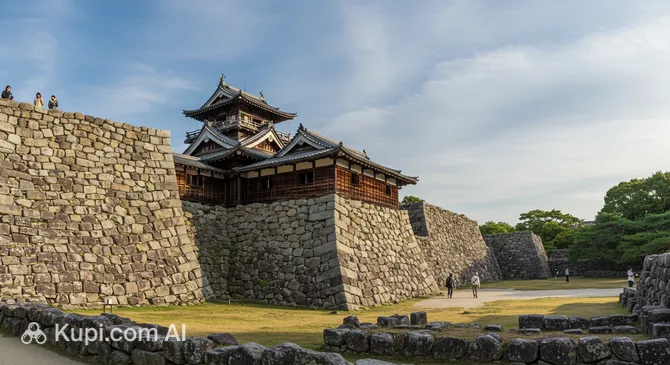
Saga Castle Ruins. Illustration.
Source: Kupi.com AI

Traveler photos:

Saga Castle was more than just a fortress; it was the political and cultural heart of the region. It survived many events and changes, reflecting the turbulent history of feudal Japan. Although mostly ruins remain of the original structures, they provide a sense of the scale and former grandeur of this site.

Today, the castle grounds have been transformed into a picturesque park known as Saga Castle Park. The crown jewel of this location is the Honmaru Palace, which was magnificently reconstructed in 2004. This grand structure, now functioning as the Saga Castle Honmaru History Museum, is one of the largest reconstructed wooden buildings in Japan. Visitors can walk through a 45-meter tatami-lined corridor and see a spacious hall measuring 320 tatami mats, experiencing the atmosphere of the past.

A visit to the Saga Castle ruins and its museum is a unique opportunity to touch the history of Japan, learn more about the lives of samurai and feudal lords, and admire the skill of modern restorers. This site will be of interest to anyone fascinated by history, architecture, and Japanese culture.

Contacts

Saga Castle Ruins is a historical site, so there may not be a dedicated contact line for visitors. To reach the ruins, you can follow the signs in the city of Saga or use local transportation. We recommend checking the route on tourist information boards or online maps before your visit.

How to contactContact
Address2-chōme-18-18-1 Jōnai, Saga, 840-0041, Japan
Phone number+81 952-41-7550
Websitesaga-museum.jp

What to Do

A visit to the Saga Castle Ruins offers a unique opportunity to touch Japanese history. The main site to explore is the reconstructed Honmaru Palace, which now functions as a history museum. Here, you can study the features of traditional Japanese castle architecture in detail, as well as immerse yourself in the history of the influential Nabeshima clan and learn more about the Edo period. Of particular note are elements of the palace such as the impressive 45-meter tatami-lined corridor and the enormous hall measuring 320 tatami mats, which clearly demonstrate the former grandeur and luxury of this daimyo residence.

Beyond the palace itself, the castle territory features a picturesque park. It is a wonderful place for leisurely walks, where you can enjoy the peaceful atmosphere of the historical surroundings and imagine how this area looked centuries ago. Be sure to look for the Shachinomon Gate, which translates to "shachi gate." Its roof is decorated with expressive figures of mythical shachi creatures, making the gate not only an important architectural monument but also a popular spot for photography. Studying the details of the Shachinomon Gate will allow you to gain a deeper understanding of the canons of traditional Japanese architecture.

Getting There

Saga Castle Ruins are conveniently located in the central part of Saga on Kyushu Island, making them quite accessible for tourists. If you are already in Saga, reaching this historical landmark is very straightforward.

From the city's main railway station, JR Saga Station, you can walk to the castle ruins in about 15-20 minutes; the walk allows you to get to know the surroundings. Alternatively, you can use local city buses that run through Saga; you will need to find a route that passes by the castle park. Of course, you can always take a taxi, which will take you directly to the castle quickly and comfortably.

For travelers arriving from other regions of Japan, the best option is to first reach Saga by train. This often involves taking the Shinkansen bullet train to a major nearby hub, such as Hakata (Fukuoka), and then transferring to a local line going directly to JR Saga Station. After arriving at the station, you can choose one of the methods mentioned above to reach the Saga Castle Ruins.

Nearest city: Saga

History & Facts

Saga Castle Ruins in Saga preserve centuries of history closely intertwined with the fate of the powerful Nabeshima clan. This clan ruled the territory from the beginning of the 17th century until the end of the Edo period. Originally, Muranaka Castle stood on this site, built by the Ryuzoji clan. However, with the arrival of the Nabeshima, the castle was significantly improved, expanded, and transformed into their main residence, becoming the heart of the region.

The history of Saga Castle is marked by two major fires, each leaving a deep impact on its appearance. The first, which occurred in 1726, led to the destruction of many key structures, including the majestic main keep (tenshukaku), as well as the Honmaru (main ward) and Ninomaru (secondary ward) buildings. Following this disaster, the decision was made to rebuild the Ninomaru, which became the new administrative center of the domain. Notably, the main keep and Honmaru were not restored at that time, which altered the original architectural ensemble.

A second devastating fire occurred in 1835, and this time the flames destroyed the previously rebuilt Ninomaru. After this event, the Honmaru Palace was reconstructed, where the lord managed administrative affairs and received visitors. This building, known as the Saga Castle Honmaru Palace, has been partially preserved and reconstructed, serving today as the main attraction on the site of the ruins. In a later period, during the Meiji era, Saga Castle became the stage for a significant historical event—a large-scale samurai uprising known as the Saga Rebellion.

Time Needed

To fully experience the Saga Castle Ruins located in Saga (Japan), it is recommended that a typical visitor set aside approximately 2-3 hours. This time is generally sufficient for a leisurely tour of the complex's main attractions and to immerse yourself in its historical atmosphere.

During this time, you can explore the reconstructed Honmaru Palace in detail, which is the center of the complex, and view the museum exhibition located on the grounds. Additionally, you will have plenty of time for a stroll through the surrounding castle park, where you can take memorable photos of the historical buildings and enjoy the peaceful setting.

Working Hours

Unfortunately, exact information regarding the opening hours of the Saga Castle Ruins in Saga is currently unavailable. Generally, access to castle ruins and historical parks in Japan can vary depending on the season and scheduled events.

We recommend confirming the current opening hours, as well as whether advance booking or ticket purchases are necessary, directly before your visit. This information can usually be found on the official Saga city tourism website, on information boards at the entrance to the site, or at local tourist centers. This will help you plan your visit and avoid any potential inconvenience.

9:30 – 18:00

Nearby

Exploring the Saga Castle Ruins is undoubtedly a highlight for many travelers visiting Saga. However, to truly immerse yourself in the atmosphere of this historical site and the region, it is worth dedicating some time to the surrounding areas. Often, it is the smaller, nearby sites that help provide a more complete picture and enrich the travel experience.

Researching nearby attractions will allow you to better understand the context in which the castle existed and reveal new facets of Japan's culture and history. Below is a list of interesting places near the Saga Castle Ruins that can complement your journey.

NameDistance
Saga Castle History Museum0 km
Saga Castle Park0.1 km
Saga Prefectural Art Museum0.3 km
Okuma Shigenobu Memorial Museum0.6 km
Saga Shrine0.7 km
Saga Balloon Museum0.8 km
Hakusan Bunga1.1 km

Have you reached the end of the page?

So the route has been studied inside and out