Support

Hiroshima Peace Memorial Museum

About

The Hiroshima Peace Memorial Museum is one of the most significant museums in Japan, located in the city of Hiroshima. It is a key part of the Peace Memorial Park and is entirely dedicated to preserving the memory of the 1945 tragedy, delivering a powerful message to the world about the importance of peace and the rejection of nuclear weapons. Every year, it is visited by more than a million people from all over the world.

The museum complex consists of two buildings—the Main Building and the East Building. The exhibitions tell the story of the city, displaying personal belongings of victims, photographs, and other materials that speak eloquently of the devastating consequences of the atomic bombing. The goal of the museum is not just to show the tragedy, but to encourage reflection on peace and the future of humanity.
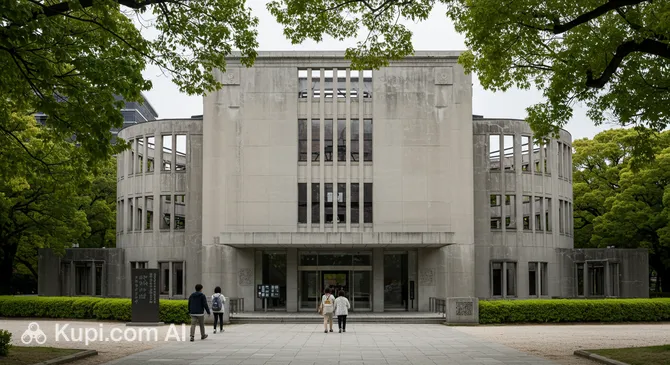
Hiroshima Peace Memorial Museum. Illustration.
Source: Kupi.com AI

Traveler photos:

The architectural look of the museum, created by the outstanding Japanese architect Kenzo Tange, carries deep symbolism. The Main Building is raised above the ground on powerful pillars, symbolizing the ability and strength of humanity to rise from the ashes and be reborn after a catastrophe. This building became one of the first significant works of post-war Japanese architecture to receive international recognition, and in 2006, it was included in the list of Japan's Important Cultural Properties.

Contacts

To confirm the latest information regarding opening hours, ticket prices, and special exhibitions, it is recommended to contact the museum directly. The most reliable way to obtain these details is to visit the official website or call by phone.

How to contactContact
Address1-2 Nakajimachō, Naka Ward, Hiroshima, 730-0811, Japan
Phone number+81 82-241-4004
Websitehpmmuseum.jp

What to Do

A visit to the Hiroshima Peace Memorial Museum is a deep and moving immersion into history. The main purpose of the visit is to explore the exhibitions that detail the events of August 6, 1945, and their aftermath. In the museum halls, visitors will see authentic artifacts belonging to the victims: personal items, fragments of clothing, children's toys, and even the famous watch that stopped at the exact moment of the explosion. These items, presented alongside photographs and documents, create a powerful emotional impression, helping one realize the human scale of the tragedy.

Multimedia materials are an important part of the exhibition. Visitors can listen to audio recordings and watch video testimonies from survivors, known as "hibakusha." Their memories and stories are a living voice from the past that adds a poignant personal dimension to historical facts. Additionally, the museum features models of the city before and after the blast, as well as computer-generated visualizations that vividly demonstrate the scale of the destruction. This helps to better understand how a thriving city was turned to ruins in a single moment.

The museum also fulfills an important educational mission. It regularly hosts lectures, temporary exhibitions, and special programs dedicated to the themes of peace, humanism, and disarmament. The East Building exhibition covers the historical context preceding the bombing and the nuclear age as a whole. For the convenience of international visitors, information in the museum is presented in several languages, making it accessible to guests from all over the world seeking to understand the lessons of history and honor the memory of the victims.

Getting There

The Peace Memorial Museum is located in the heart of Hiroshima, within the Peace Memorial Park. Thanks to its central location and numerous signs in both Japanese and English, it is very easy to find. The museum is situated near other iconic landmarks, making it easy to include in a walking tour of the city.

Reaching the museum by public transport is very convenient. One of the simplest ways is to use the city tram. The closest stop to the park is called Genbaku Dome-mae (原爆ドーム前). Additionally, numerous city buses serve the Peace Memorial Park, which is also an excellent alternative.

For travelers arriving in Hiroshima at Hiroshima Station by train, the journey to the museum takes about 15–20 minutes. From the station, you can take either public transport or a taxi, depending on your budget and preference for comfort.

Nearest city: Hiroshima

History & Facts

The history of the Hiroshima Peace Memorial Museum is inextricably linked with the desire of the people of Japan to commemorate the tragedy and transform it into a powerful call for peace. The idea emerged almost immediately after the war, and as early as August 6, 1949, a law was passed proclaiming Hiroshima a "City of Peace." This served as the start of a massive project to restore the city center, leading to the creation of the Peace Memorial Park. The museum, which opened its doors on August 24, 1955, became the heart of this memorial. Its creation was driven by a desire not only to preserve the memory of the past but also to pass on a message to future generations about the importance of preventing such catastrophes from ever happening again.

The architectural design of the museum was entrusted to Kenzo Tange, one of the most prominent architects of the 20th century. This project was his first major work and brought him international fame. Tange sought to combine European modernism with Japanese traditions in his work, creating a new, contemporary style of architecture. The Main Building, raised on massive pillars, symbolizes the strength of the human spirit and the ability to rise from the ashes. This architectural metaphor became a hallmark not only of the museum but of all post-war Japanese architecture. In 2006, the building was recognized as an Important Cultural Property of Japan, becoming the first post-war structure to receive such status.

Inside the museum, unique exhibits tell the story of the city before and after the tragedy, the consequences of the event, and the ongoing struggle for peace. The collection includes personal belongings of the victims, photographs, documents, and touching testimonies from survivors, known as "hibakusha." These materials, along with models of the destroyed city and video chronicles, create a deep emotional impact on visitors. The museum is not just a repository of artifacts but an active center hosting educational programs, lectures, and international conferences dedicated to peace and disarmament.

Time Needed

For a full and thoughtful visit to the Hiroshima Peace Memorial Museum, it is recommended to set aside at least 2–3 hours. This is enough time to explore the main exhibitions in the Main and East Buildings without rushing, view the multimedia materials, and visit temporary exhibitions. Given the emotional depth of the exhibits, this time allows you not only to study the information presented but also to reflect on what you have seen, which is an important part of the visit.

If you are very limited on time, a brief overview of the key exhibits can be done in 1–1.5 hours. However, please understand that at this pace, you may have to skip many details, such as watching video testimonies from survivors or reading their personal stories. Visitors who wish to dive deeper into the subject often spend 3–4 hours at the museum. It is also worth considering that the museum is part of the Peace Memorial Park; a walk through the park to see other monuments, such as the Atomic Bomb Dome, may require about another hour.

Working Hours

The Hiroshima Peace Memorial Museum is open to visitors year-round; however, its operating hours change depending on the season. To plan your visit correctly, it is important to check the current schedule. The museum opens daily at 8:30 AM, while the closing time varies: from March to July and from September to November, it is open until 6:00 PM; in August, it stays open until 7:00 PM; and during the winter months (December to February), it closes earlier, at 5:00 PM. Please note that admission ends 30 minutes before the official closing time.

The museum is closed on December 30 and 31, and it also closes for a few days in mid-February for technical maintenance. During peak periods, especially in the first hour after opening and the last hour and a half before closing, an online advance ticket reservation may be required for entry. This measure helps regulate the flow of visitors and avoid long queues. Given potential changes, it is highly recommended to check the latest information on opening hours and booking rules on the museum's official website before your trip.

7:30 – 19:00

Nearby

A visit to the Peace Memorial Museum becomes even more profound and complete if you take the time to explore its surroundings. The museum is the central element of the Hiroshima Peace Memorial Park, and all the sites located here together create a unified memorial space. A walk through the park will allow you to see other important monuments and better feel the atmosphere of this place dedicated to hope and the resilience of the human spirit.

All key landmarks of the memorial complex are within walking distance of each other. Exploring nearby monuments, such as the world-famous Genbaku Dome or the moving Children's Peace Monument, will enrich your understanding of the history of Hiroshima and its role in the global peace movement.

NameDistance
Hiroshima Peace Memorial Park0.2 km
Hiroshima National Peace Memorial Hall for the Atomic Bomb Victims0.2 km
Children's Peace Monument0.3 km
Nagataya0.3 km
Hiroshima Atomic Bomb Hypocenter0.4 km
Hiroshima Peace Memorial (Atomic Bomb Dome)0.4 km
Hiroshima Orizuru Tower0.5 km

Have you reached the end of the page?

So the route has been studied inside and out