Support

Dazaifu Tenmangu Shrine

About

Dazaifu Tenmangu Shrine is one of Japan's most important Shinto shrines, located in the city of Dazaifu, near Fukuoka. It is dedicated to Tenjin—the deity of learning, poetry, and calligraphy—venerating the spirit of Sugawara no Michizane, a prominent 9th-century scholar and statesman. After he was unjustly exiled to Dazaifu, where he passed away, his spirit was deified to appease his anger, and over time he became the primary patron of all students.
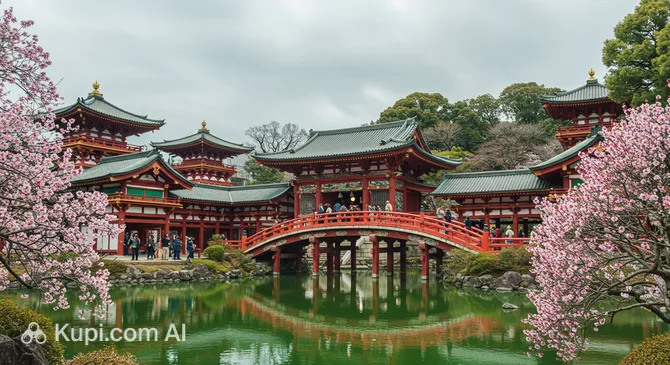
Dazaifu Tenmangu Shrine. Illustration.
Source: Kupi.com AI

Traveler photos:

As the head shrine in the nationwide network of Tenmangu temples, Dazaifu Tenmangu attracts millions of visitors annually. It is especially crowded during exam periods when schoolchildren and students come to pray for success in their tests and for admission to educational institutions. This place has become a true center of attraction for everyone seeking knowledge.

The shrine's grounds, covering about 12 hectares, are impressively beautiful. They feature picturesque gardens with a pond shaped like the kanji character for "heart," crossed by arched bridges. However, the shrine's main pride is its approximately 6,000 plum trees, which were Sugawara no Michizane's favorite flowers. Particularly famous is the "Flying Plum" (Tobiume)—a tree that, according to legend, flew itself from Kyoto to follow its exiled master. The plum blossom season in late February turns this place into an unforgettable sight.

Contacts

To clarify opening hours, special events, or if you have any questions while planning your visit to the shrine in Fukuoka, you can contact the administration. The primary point of contact is the shrine office.

How to contactContact
Address4-chōme-7-1 Saifu, Dazaifu, Fukuoka 818-0117, Japan
Phone number+81 92-922-8225
Websitewww.dazaifutenmangu.or.jp

What to Do

A visit to Dazaifu Tenmangu Shrine is an opportunity to immerse yourself deeply in Japanese culture. The main activity for many visitors is participating in prayers for success in studies and exams. This place is particularly popular among students who come here to ask for the blessing of the deity Tenjin. You can observe traditional Shinto rituals and ceremonies, as well as purchase omamori—special lucky charms. Don't forget to leave your request on an ema wooden plaque, thousands of which decorate the temple grounds.

Beyond spiritual practices, the shrine offers many experiences for lovers of beauty and tranquility. Stroll along the well-kept paths, admire the numerous ox statues, which are considered a symbol of Sugawara no Michizane, and cross the arched bridges over the pond. The approximately 6,000 plum trees lend a special charm to this place. If your visit falls in February or March, you will witness the colorful plum blossom festivals—an unforgettable sight.

Other interesting spots can also be found within the shrine grounds. Visit the museum to learn more about the history of the site and its patron. Numerous souvenir shops offer unique gifts, and cozy tea houses provide a place to rest and try traditional Japanese sweets such as umegae mochi, rice cakes associated with the shrine's legend.

Getting There

Dazaifu Tenmangu Shrine is located in the city of the same name, Dazaifu, about 15 kilometers from the center of Fukuoka, making it an excellent destination for a half-day trip. The most convenient and fastest way to get here is by train. The journey from Hakata Station in Fukuoka to Dazaifu Station with a transfer to the Nishitetsu line takes about 30 minutes. This not only saves time but also allows you to avoid potential traffic jams.

From Dazaifu railway station, a picturesque shopping street leads to the entrance of the shrine, taking only a few minutes to walk. This is a wonderful opportunity to experience the local atmosphere, buy souvenirs, and try the famous sweets. While you can also reach it by bus or taxi, the train journey is considered the most comfortable and popular option for most tourists.

Nearest city: Fukuoka

History & Facts

The history of Dazaifu Tenmangu Shrine is inextricably linked to the tragic fate of the scholar and statesman Sugawara no Michizane. According to legend, the shrine was founded in 905 by his disciple on the very spot where the ox pulling the cart with Michizane's body after his death in exile stopped and refused to go further. This moment was perceived as a divine sign, determining the place for his rest and future veneration.

Initially, Michizane's spirit was perceived as angry, and the numerous disasters that befell Kyoto after his death were attributed to him. To appease the wrathful soul, the imperial court began to grant him posthumous honors and eventually deified him as Tenjin. Gradually, the image of the vengeful spirit was transformed, and Tenjin came to be revered as a powerful patron of learning, poetry, and calligraphy, as he is known today.

Over the centuries, the shrine maintained its high status. From 1871 to 1946, it was officially among the state-supported imperial shrines. Today, Dazaifu Tenmangu is recognized as an important cultural asset of Japan and remains one of the country's main spiritual and cultural centers, attracting those seeking inspiration and knowledge.

Time Needed

For a leisurely tour of Dazaifu Tenmangu Shrine, a stroll through its picturesque gardens, and a visit to the souvenir shops, it is recommended to allow between 1.5 and 3 hours. This will be enough time to see the main structures, including the main hall, cross the famous arched bridges over the pond, and take commemorative photos.

If you want to dive deeper into the atmosphere of this amazing place in Fukuoka, it is worth setting aside closer to three hours. During this time, you can not only walk around the entire grounds but also visit the shrine museum to learn more about its history and Sugawara no Michizane. You will also have the opportunity to take your time choosing omamori amulets, try the local umegae mochi sweets on the shopping street, and simply sit in silence by the pond, enjoying the tranquility of this important cultural site in Japan. Such an unhurried approach will allow you to get the most out of your visit.

Working Hours

Dazaifu Tenmangu Shrine is open to visitors all year round, but opening hours vary depending on the season. Usually, the gates open at 6:00 or 6:30 AM. In summer (June-August), the shrine is open the longest—until 7:30 PM. During the winter months (December-March), it closes earlier, around 6:30 PM. In other periods of the year, closing occurs around 7:00 PM. During the New Year holidays (from December 31 to January 3), the shrine may be open 24 hours a day.

Access to the main shrine grounds is free of charge, and no advance booking is required, making it easily accessible to everyone. However, it's worth noting that museums located within the complex may have their own opening hours and entrance fees. As the schedule may change during festivals and special events, it is highly recommended to check the latest information on the official shrine website before your visit.

6:30 – 19:00

Nearby

A visit to Dazaifu Tenmangu Shrine is just the beginning of discovering the rich history and culture of this area. The shrine's surroundings offer many other interesting sites that can significantly enrich your journey. Exploring the nearby attractions will allow for a deeper understanding of Dazaifu's significance as the ancient administrative and cultural center of Kyushu Island.

From historical ruins and picturesque temples to modern museums, there is something for everyone here. Exploring the surroundings won't take much time, as many sites are within walking distance, but the impressions of such a comprehensive visit will last for a long time. This is a great opportunity to see how Japan's past and present harmoniously coexist in one place.

NameDistance
Kyushu National Museum0.5 km
Iwaya Castle Ruins1.4 km
LaLaport Fukuoka9.9 km
Daikozenji Temple10.8 km
With The Style Fukuoka12.6 km
Precious Ono Hakata13.5 km
THEATER 01013.7 km

Have you reached the end of the page?

So the route has been studied inside and out