Support

Kyushu National Museum

About

The Kyushu National Museum is one of Japan's four national museums, having opened its doors to visitors on October 16, 2005. Located in the city of Dazaifu, near Fukuoka on the island of Kyushu, it is an important cultural institution dedicated to the region's rich history and its ties to the Asian continent.
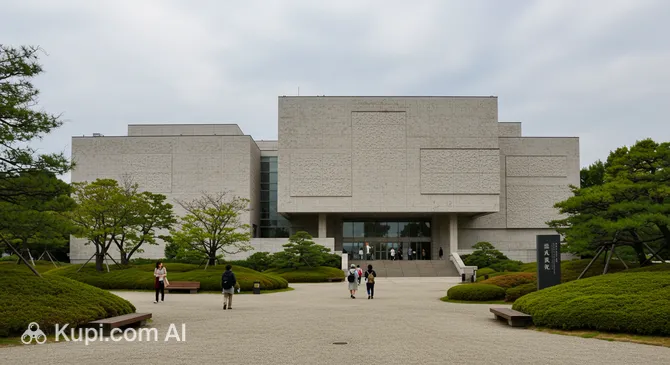
Kyushu National Museum. Illustration.
Source: Kupi.com AI

Traveler photos:

The museum building itself is a work of modern art. Its impressive facade, made of glass and wood, gives it a futuristic and memorable appearance, harmoniously blending into the surrounding landscape and capturing visitors' attention even before they step inside.

Unlike other national museums in Japan, which often focus primarily on art, the Kyushu National Museum places its main emphasis on the historical aspect. Its exhibitions detail the history and cultural exchange between Japan and other Asian countries, and showcase valuable artifacts that tell the story of Kyushu's unique past. This makes the museum particularly interesting for those who want to better understand the formation of Japanese culture through the lens of its international interactions.

Contacts

To plan your visit to the Kyushu National Museum and get the latest information, we recommend checking official sources. On the museum's official website, you can find current opening hours, ticket prices, and details about ongoing exhibitions.

Below are the available contact details:

How to contactContact
Address4-chōme-7-2 Ishizaka, Dazaifu, Fukuoka 818-0118, Japan
Phone number+81 50-5542-8600
Websitewww.kyuhaku.jp

What to Do

At the Kyushu National Museum, visitors embark on a fascinating journey through the centuries, learning about the rich history and culture of Japan and its close ties with the Asian continent. The main exhibition, located on the fourth floor, is an impressive collection of artifacts telling the story of the development of Japanese civilization. Here, you can see ancient ceramics, weapons, everyday items, and works of art, each holding a piece of the past.

In addition to the permanent exhibition, the third floor of the museum regularly hosts temporary exhibitions. These cover a wide range of topics—from ancient crafts and traditional art to modern cultural phenomena. Each such exhibition is a unique opportunity to deepen your knowledge and see rare items gathered from all over the world. This makes every visit to the museum new and interesting in its own way.

The Kyushu National Museum actively uses modern technology to create an immersive effect. Visitors can interact with exhibits through AR (augmented reality) and VR (virtual reality) solutions, as well as high-definition video systems. This allows you not just to see ancient objects, but to truly feel the spirit of the era. For families with children, there are special educational zones and engaging workshops where young explorers can learn about history and culture in an interactive format.

Getting There

The Kyushu National Museum is located in Dazaifu, approximately 15 kilometers southeast of central Fukuoka. Getting there from Fukuoka is quite simple, with public transport—specifically trains—being the most convenient option.

The primary route involves using the Nishitetsu railway lines. If you are departing from central Fukuoka, you will need to go to Nishitetsu Fukuoka (Tenjin) Station. From there, take a train on the Nishitetsu Omuta Line to Nishitetsu Futsukaichi Station. At this station, you will need to transfer to the Nishitetsu Dazaifu Line, which goes directly to Dazaifu Station. Upon arrival at Dazaifu Station, the Kyushu National Museum is about a 10-minute walk away, following the signs.

For visitors traveling by car, there is parking available near the museum, making the trip comfortable as well. However, it is worth considering potential traffic, especially on weekends and public holidays.

Nearest city: Fukuoka

History & Facts

The Kyushu National Museum holds a special place in Japan's cultural life, as it was the first new national museum to be established in the country in over a hundred years. Its official opening took place on October 16, 2005, and this event also marked a new approach to exhibitions: unlike many other similar institutions, the main emphasis here is not so much on art collections as on a deep exploration of history. This focus allows visitors to take a fresh look at the past of both the region and the entire country.

The choice of location for the museum was not accidental. It is situated in Dazaifu, a city with an exceptionally rich historical heritage. For centuries, Dazaifu served as the administrative center of Kyushu and was a key hub for cultural and trade exchange between Japan and the countries of mainland Asia. This location symbolically highlights the museum's mission—to tell the story of the connections and influences that shaped Japanese civilization and to emphasize the role of Kyushu in these processes.

The exhibits at the Kyushu National Museum purposefully reveal the unique role of Kyushu in Japanese history. Visitors can see invaluable artifacts, including decorative arts, ancient ceramics, and numerous archaeological finds made directly on the territory of Kyushu. These exhibits serve as vivid evidence of the region's rich past and its centuries-old ties with the Asian continent, offering a deep immersion into the historical context.

Time Needed

When planning a visit to the Kyushu National Museum, you should allow several hours to fully enjoy its exhibits. For a thorough viewing of the permanent collection—which covers the history of Kyushu and its ties to Asia—as well as the temporary exhibitions, it is usually recommended to set aside 2 to 3 hours. This time is generally sufficient to walk through the halls at a leisurely pace, view the key artifacts, and get a general overview of the region's rich cultural heritage.

If you wish to delve deeper into the museum's themes, you may need more time. For instance, if you plan to attend special events, take part in workshops, or explore the interactive educational zones in detail, the duration of your visit could increase to 4 hours. Such activities offer a more interactive and in-depth experience, which is particularly interesting for families with children or those passionate about specific aspects of Japanese history and culture.

In summary, to get a general impression, half a day is enough, but for a more detailed acquaintance with the Kyushu National Museum and all its offerings, it is worth planning a bit more time.

Working Hours

The Kyushu National Museum is usually happy to welcome visitors from 9:30 AM to 5:00 PM, with the last entry 30 minutes before closing. The standard closing day is Monday. However, if Monday falls on a national holiday, the museum will be closed the following day, Tuesday. Given that schedules can change, especially during holiday periods, it is strongly recommended to check the current opening hours and any potential need for advance ticket booking on the official museum website or at local tourist information centers before your visit.

Overall, the museum operates year-round, except for the specified closing days and potential special dates related to maintenance or exhibition changes. Checking the information in advance will help you plan your visit and avoid inconvenience, ensuring an enjoyable experience with the rich collection of the Kyushu National Museum.

DayOpening hours
MondayClosed
Tuesday9:30 – 17:00
Wednesday9:30 – 17:00
Thursday9:30 – 17:00
Friday9:30 – 17:00
Saturday9:30 – 17:00
Sunday9:30 – 17:00

Nearby

A visit to the Kyushu National Museum is undoubtedly a highlight, but your exploration of Fukuoka and its surroundings would be incomplete without discovering other interesting nearby sites. By expanding your itinerary, you can dive deeper into the region's culture and history, see more, and get the most out of your trip to Japan.

Near the museum, you will find both historical shrines and modern urban landmarks, each unique in its own way. This is a wonderful opportunity to complement the cultural program planned at the museum and discover new facets of this amazing corner of Japan. Below is a list of some attractions that may interest you.

NameDistance
Iwaya Castle Ruins1.9 km
LaLaport Fukuoka10.4 km
Daikozenji Temple10.6 km
With The Style Fukuoka13.1 km
Hakata City13.5 km
Nakatomi Memorial Medicine Museum13.6 km
Precious Ono Hakata13.9 km

Have you reached the end of the page?

So the route has been studied inside and out