Support

Yamato Museum

About

The Yamato Museum is a major history and technology museum located in the city of Kure, near Hiroshima, Japan. It is dedicated to the rich history of Japanese shipbuilding and the maritime fleet, attracting anyone interested in technology and nautical affairs. The museum offers a deep dive into the development of the region's shipbuilding, which played a pivotal role in the country's history.

The central and most impressive exhibit of the museum is a unique 1:10 scale model of the battleship Yamato. This giant replica, measuring over 26 meters in length, allows visitors to fully appreciate the scale of one of the largest and most powerful warships in world history. The model's level of detail is staggering and is the main reason many tourists visit this museum.

In addition to the famous model, the collection includes many other fascinating objects: from weapons and machinery samples to historical documents and interactive displays telling the maritime history of Kure. The Yamato Museum will be a true discovery for history buffs, engineering enthusiasts, and anyone passionate about the sea and ships.
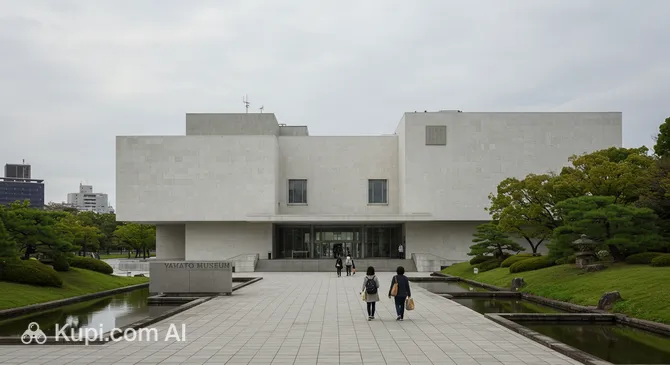
Yamato Museum. Illustration.
Source: Kupi.com AI

Traveler photos:

Contacts

To plan your visit and check the latest information on exhibitions, opening hours, and temporary closures for reconstruction, we recommend visiting the museum's official website or contacting the administration directly. The contact details for the Yamato Museum are provided below.

How to contactContact
Address5-20 Takaramachi, Kure, Hiroshima 737-0029, Japan
Phone number+81 823-25-3017
Websiteyamato-museum.com

What to Do

Visiting the Yamato Museum is an opportunity to dive deep into maritime history and technology. The most important thing to do is to take a close look at the centerpiece: the large-scale model of the battleship Yamato. Its incredible size and precision allow you to appreciate the full power of the legendary vessel. Besides the model, the halls display authentic artifacts: from weapons, torpedoes, and shells to the personal belongings of sailors, including their diaries and photographs, which tell the story of life on board. This creates a poignant contrast between the cold steel of a war machine and human stories.

The museum also offers many interactive activities. In special rooms dedicated to the development of shipbuilding and technology in Kure, you can study blueprints and models of other ships. Visitors can watch unique video footage of underwater research on the remains of the Yamato, which sank in 1945. Interactive displays allow guests to get closer to engineering solutions—for example, by "starting" the battleship's boilers or "operating" its guns.

The Yamato Museum is interesting for visitors of all ages. For young guests and anyone interested, there are educational programs and workshops where you can learn the principles of buoyancy or try your hand at ship modeling. Thematic exhibitions and lectures make the visit not only exciting but also educational, providing a better understanding of not just shipbuilding history, but also its impact on the development of the entire region.

Getting There

The most convenient way to reach the Yamato Museum is from Hiroshima, which serves as an excellent starting point for your trip. The fastest and most popular method is by train. Frequent services run from Hiroshima Station to Kure Station via the Sanyo Main Line or Kure Line, with the journey taking only about 30 minutes. Alternatively, you can choose a more scenic route: a car ferry operating between the Port of Hiroshima and the Port of Kure. This water journey takes approximately 45 minutes.

Upon arriving in Kure, finding the museum is very easy. It is located within walking distance of Kure Railway Station, which is very convenient for both independent travelers and organized groups. Thanks to such excellent transport accessibility, you won't have to waste time looking for additional transportation and can head straight to explore the impressive displays.

Nearest city: Hiroshima

History & Facts

The historical heart of the Yamato Museum is, without a doubt, the legendary battleship itself. Its construction began at the Kure Naval Dockyard on November 4, 1937, and it was launched on August 8, 1940. The Yamato was the lead ship of its class and the largest battleship ever built in Japan. As a major industrial and shipbuilding hub, the city of Kure played a key role in the development of the Japanese fleet, which naturally led to the establishment of this iconic museum here.

After the end of World War II, Kure retained its significance and became a symbol of Japanese shipbuilding, but in a peaceful context. The Yamato Museum was opened to preserve the memory of the region's outstanding technical achievements and its rich history. One of the museum's primary goals is to educate new generations about the important role that the fleet and shipbuilding played in the country's development, as well as to serve as a reminder of the value of peace.

The museum keeps pace with the times, presenting visitors with both the past and the present. Of particular interest are the exhibitions dedicated to modern research of the Yamato's remains, discovered on the seabed. Guests can see unique video footage of underwater expeditions and examine new finds, including a massive propeller and a main battery turret. These images allow you to literally touch history and appreciate the scale of the ship resting at the bottom of the sea.

Time Needed

When planning a visit to the Yamato Museum, it is recommended to allocate at least 2–3 hours. This is usually enough time to comfortably explore the main exhibition, including the impressive model of the Yamato, as well as the interactive displays and themed halls. Allowing this much time ensures you get a full overview of the museum without any rush.

For a deeper and more detailed study of all the exhibits—especially if you are interested in maritime history or engineering—you should plan to spend more time. Some visitors note that they could easily spend half a day here to thoughtfully examine all the artifacts, read historical documents, and fully appreciate the scale of work carried out by the museum's creators.

Working Hours

The Yamato Museum is open to visitors year-round, making it accessible almost any time. Standard opening hours for the exhibition halls are from 9:00 to 18:00, with admission closing half an hour before the museum shuts, at 17:30. Between November and March, the museum may close an hour earlier, at 17:00. The museum is usually closed on Tuesdays; however, if Tuesday falls on a national holiday, it will close the following day instead. During certain periods, such as national holidays, the museum may operate without days off.

Generally, advance ticket booking for individual visits is not required, as tickets can be purchased on-site. However, given the museum's popularity, it is highly recommended to check for the latest information on the official website before your visit. This is particularly important because the schedule may change due to special events or potential restoration work. For instance, the museum is planned to close for a year-long renovation starting February 17, 2025, making a website check essential for trip planning.

Nearby

A visit to the Yamato Museum is just one part of a fascinating journey into the maritime history of Kure. To fully immerse yourself in the atmosphere of this port city, it is worth exploring other nearby attractions. Many of them are within walking distance and harmoniously complement the experience of the main museum, revealing new chapters of the region's history and culture.

A stroll through the surrounding area will help you better understand the role Kure played in Japan and let you see other unique sites. Near the Yamato Museum, you will find everything from modern naval exhibits to quiet memorial parks, each telling its own story.

NameDistance
JMSDF Kure Museum0.1 km
Irifuneyama Memorial Museum0.7 km
Kid's US.LAND Hiroshima Bayside Fort8.5 km
Uminos15.5 km
Hiroshima City Museum of Contemporary Art17.8 km
AEON Mall Hiroshima Fuchu17.8 km
CLUB L2 Hiroshima18.5 km

Have you reached the end of the page?

So the route has been studied inside and out