Support

Itsukushima Shrine

About

Itsukushima Shrine, located on the picturesque island of Miyajima near Hiroshima, is one of the most iconic and revered sites in Japan. This unique temple complex, listed as a UNESCO World Heritage Site, is known worldwide for its stunning location—it is built on stilts directly in the waters of the Seto Inland Sea.

At high tide, the entire shrine, including its famous scarlet torii gate, appears to literally float on the water, creating a truly magical and unforgettable sight. This image has become one of the most recognizable symbols of the country. The architecture of the complex, designed in the elegant Heian style with its vibrant colors and graceful lines, harmonizes perfectly with the surrounding natural landscape.
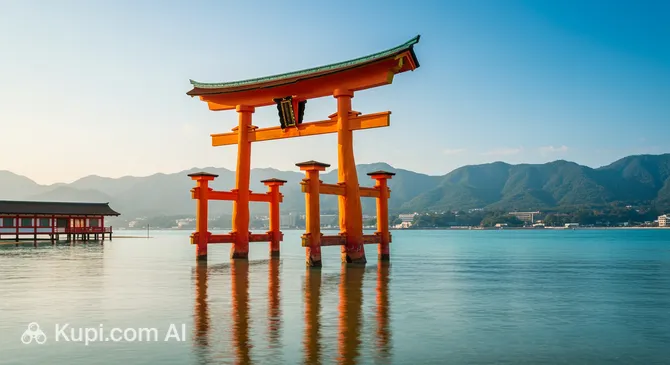
Itsukushima Shrine. Illustration.
Source: Kupi.com AI

Traveler photos:

The Itsukushima Jinja complex consists of numerous pavilions, prayer halls, and galleries connected by covered walkways. The main shrine is dedicated to three goddesses who are considered the patrons of seafarers, trade, and the arts. Visiting the shrine is an opportunity not only to enjoy the views that have inspired artists and poets for centuries but also to touch ancient Japanese culture.

Contacts

To plan your visit to the Itsukushima Shrine, it is helpful to have its contact details on hand. Below is the essential information to help you find your way and check details such as opening hours or tide schedules.

How to contactContact
Address1-1 Miyajimachō, Hatsukaichi, Hiroshima 739-0588, Japan
Phone number+81 829-44-2020
Websitewww.itsukushimajinja.jp

What to Do

Visiting the Itsukushima Shrine is an opportunity to immerse yourself in its unique atmosphere while walking through the covered galleries built on stilts over the water. The main attraction for tourists is the famous torii gate. At high tide, it creates the illusion of floating over the sea, offering one of the most photographed views in Japan. At low tide, the water recedes, and visitors have a unique chance to walk out to the gate across the exposed seabed and see it up close.

Beyond admiring the architecture and scenery, you can witness cultural and religious events at the shrine. Traditional Shinto ceremonies are held regularly on the grounds. Additionally, on the special Nobutai stage, built right over the water, you can watch performances of classical Japanese Noh theater. These events provide a deeper understanding of the spiritual and cultural significance of the site.

The shrine takes on a special charm as evening falls. When the lights come on, the temple complex and the torii gate are enveloped in a mystical aura, creating a completely different, magical impression. It is also worth noting that a colorful fireworks festival—hanabi—is held here once a year, attracting many spectators. If your trip coincides with this event, you will have an unforgettable experience.

Getting There

Getting to the Itsukushima Shrine on Miyajima Island is quite straightforward, though it involves a few transfers. The journey itself is part of the experience. The main route starts from Hiroshima, which is about 20 kilometers from the island.

First, you will need to take a JR line train to Miyajimaguchi Station. From there, transfer to a ferry that will take you directly to the island. Ferries run at short intervals of 15–20 minutes, and the boat ride itself takes only about 10 minutes. You can already enjoy picturesque views of the famous torii gate from the deck.

After arriving on Miyajima, it is a 10–15 minute walk to the shrine. The route follows a beautiful waterfront where you will be greeted by tame deer—one of the area's hallmarks. Along the way, there are many souvenir shops and cafes, making the walk pleasant and interesting for travelers of all ages.

Nearest city: Hiroshima

History & Facts

The history of the Itsukushima Shrine dates back to ancient times, presumably to the 6th century AD. However, the complex owes its current, world-famous appearance to the influential Heian-era politician and military leader, Taira no Kiyomori. In 1168, he ordered a large-scale reconstruction of the shrine, turning it into the family temple of the powerful Taira clan. This was when the unique architectural composition on stilts was created, which gives the illusion of floating on water and has been preserved to this day despite numerous reconstructions after fires and typhoons.

The central element and symbol of the shrine is its famous torii gate. It was first erected during the 1168 reconstruction. The current structure, dating from 1875, is impressive in size: it stands 16 meters tall and weighs about 60 tons. Durable camphor wood was used to create this majestic gate. Its bright red color symbolizes the boundary between the spirit world and the human world.

There is an interesting tradition regarding the shrine's location. In the past, the entire island of Miyajima was considered sacred ground that commoners were not allowed to step on. Therefore, pilgrims arrived at the shrine by boat and had to sail through the torii gate before coming ashore, thus performing a ritual purification. This custom emphasized the sacred status of the site and the symbolic transition into the holy space of the temple dedicated to the patron goddesses of seafarers.

Time Needed

When planning a visit to the Itsukushima Shrine, you should allow for 2–4 hours to get the full experience. This will be enough time not only for a leisurely tour of the temple complex on stilts and the famous torii gate but also for a walk through the surrounding area. During this time, you can soak in the atmosphere of this unique place, take photos, and feel its spiritual significance.

If you want to limit yourself to the main part—the shrine itself—it may take about 40–60 minutes. However, Miyajima Island, where the temple is located, offers much more. To combine a visit to the shrine with a walk along the bustling Omotesando shopping street, where you can buy souvenirs and try local delicacies, or visit other nearby temples like Daisho-in, it is better to set aside at least half a day. For those planning to climb Mount Misen on foot or by cable car, the entire trip will take about 6 hours on average.

Working Hours

Itsukushima Shrine is open to visitors year-round, allowing travelers to plan their visit at any convenient time. Generally, the temple opens at 6:30 AM, while closing times vary by season. During the spring and summer periods (roughly from March to mid-October), the shrine is typically open until 6:00 PM. In the autumn and winter months, the hours are slightly shorter, and the complex closes earlier—at 5:30 PM or 5:00 PM.

Advance booking is not required for a standard visit—tickets can be purchased on-site. However, as opening hours may change due to special ceremonies or weather conditions, it is strongly recommended to check the latest information on the official shrine website just before your trip to Hiroshima. This will help you avoid surprises and plan your visit in the best way possible.

6:30 – 18:00

Nearby

Visiting the majestic Itsukushima Shrine is a key point, but far from the only thing to do on Miyajima Island. To get the most out of your trip to Hiroshima, it's worth exploring other nearby attractions. A walk through the surrounding area will allow you to dive deeper into the culture and nature of this unique corner of Japan.

There are many interesting places near the shrine, from traditional temples and scenic natural sites to modern entertainment. Below is a list of nearby attractions with their distance from Itsukushima to help you plan your itinerary.

NameDistance
Miyajima Aquarium0.4 km
Miyajima Wakura Bar2.2 km
Omotenashi Hostel Miyajima4.6 km
Uminos10.1 km
Fureai Aquarium11 km
The Outlets Hiroshima14.5 km
Hiroshima Peace Memorial Park16.2 km

Have you reached the end of the page?

So the route has been studied inside and out