Support

Hiroshima Castle

About

Hiroshima Castle (Japanese: 広島城, Hiroshima-jō), also known as the "Carp Castle," is a majestic historical fortress located in the center of Hiroshima, Japan. Built on a plain, this castle is a quintessential example of Japanese castle architecture. Its silhouette is defined by an impressive five-story main tower that dominates the landscape, while picturesque water-filled moats highlight its historical grandeur.
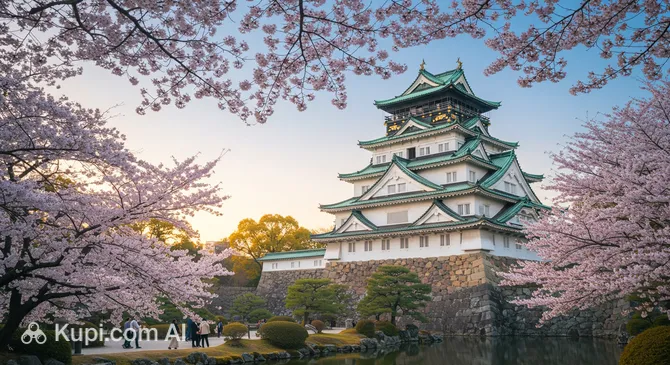
Hiroshima Castle. Illustration.
Source: Kupi.com AI

Traveler photos:

Originally constructed in 1589, the castle served as an important political and military center for the region. Although the original structure was lost in 1945, the main tower was meticulously reconstructed in 1958, becoming a symbol of the city's resilience and recovery. Today’s structure preserves the historical aesthetic while allowing visitors to connect with centuries of history.

Inside the restored tower, you will find an informative museum dedicated to the history of Hiroshima and Japanese castles in general. The collection includes samurai armor, weaponry, and other artifacts detailing life in feudal Japan. Reaching the top floor rewards you with a panoramic view of the modern city, making the castle a must-see for every traveler.

Contacts

To plan your visit to Hiroshima Castle, it is recommended to consult official information sources. The primary resource is the official website, though please note that it is currently only available in Japanese. Direct contact details, such as a phone number or email address, are not provided for public inquiries.

How to contactContact
Address21-1 Motomachi, Naka Ward, Hiroshima, 730-0011, Japan
Phone number+81 82-221-7512
Websitewww.rijo-castle.jp

What to Do

A visit to Hiroshima Castle offers a fascinating immersion into the region's history and culture. The primary highlight for guests is exploring the reconstructed five-story tower, which houses a comprehensive historical museum. Visitors can browse exhibits featuring artifacts, documents, scale models, and interactive materials focused on the samurai era, the construction of the castle, and the development of Hiroshima. Of special interest is the chance to try on replica samurai armor for a memorable souvenir photo.

One of the most vivid impressions of the visit is the ascent to the top floor of the main tower. From here, you can enjoy a magnificent panoramic view of the modern city and its surroundings, offering a unique perspective on Hiroshima's rebirth. It is an excellent opportunity to capture stunning photos and see the city from a bird's-eye view.

Beyond the main tower, the castle grounds offer several other points of interest. You can wander through the scenic park surrounding the fortress and admire the reconstructed gates, bridge, and defensive turrets. The grounds also house the small Gokoku Shinto shrine, which adds a sense of tranquility to the site. The park is particularly beautiful during the spring cherry blossom season and in autumn when the foliage turns vibrant shades of red and gold.

Getting There

Hiroshima Castle is conveniently located in the heart of the city, making it easily accessible for travelers. Perhaps the simplest way to reach it is by using the city's well-developed public transport system. Trams and buses run regularly from Hiroshima's main railway station. You should take a route heading to the "Kamiyacho" stop or the "Hiroshima Castle" stop. From either location, the entrance to the castle grounds is just a short walk of a few minutes away.

If you are already in the city center and prefer exploring on foot, you can walk to the castle while enjoying the urban views of Hiroshima along the way. Alternatively, taxis are always available and provide a quick and comfortable way to reach your destination. For those traveling by car, there are parking areas located near the castle where you can leave your vehicle during your visit.

Nearest city: Hiroshima

History & Facts

The history of Hiroshima Castle dates back to the late 16th century when the powerful daimyo Mori Terumoto ordered its construction in 1589. He chose this location as the seat of power for his vast domains in the Chugoku region. Interestingly, before the castle was built, the area was known as Gokamura, meaning "five villages." With the rise of the fortress, a new name was born — Hiroshima. According to a popular theory, the name was created by combining characters from the names of Mori himself and his loyal assistant Fukushima Motonaga, adding special symbolism to the city's origin story.

For centuries, the castle served not only as a residence for successive rulers but also as a vital strategic and military site. Its location on a plain, unlike many of Japan's mountain castles, made it a crucial hub for controlling the surrounding lands and trade routes. The castle witnessed the transition of eras and clans, maintaining its status as the political heart of the region and silently observing the historical events that unfolded within its walls.

A tragic chapter in the castle's history occurred in 1945 when the original structure was completely destroyed. However, like a phoenix, Hiroshima Castle rose from the ashes. By 1958, its main tower was carefully reconstructed, becoming one of the first major cultural heritage restoration projects in post-war Japan. It is worth noting that modern materials for the time — reinforced concrete — were used for the reconstruction, allowing the historical appearance to be preserved on a new, more durable foundation. Today, the castle grounds house a museum and serve as a precious cultural heritage site, symbolizing the resilience and rebirth of Hiroshima.

Time Needed

When planning a visit to Hiroshima Castle, it is recommended to set aside 1.5 to 2.5 hours for a full tour. This time is usually sufficient to explore the main tower and its historical museum without rushing, walk through the castle grounds, and enjoy the atmosphere of the surrounding park. The castle is an essential part of the history of both the city of Hiroshima and all of Japan, and this time frame allows for a complete experience.

If your time is limited, you can focus on the highlights — visiting the five-story tower and its museum. A quick walkthrough of the exhibits and a trip to the observation deck will take about one hour. For those who wish to dive deeper into the atmosphere of this historical site, more time is recommended. A leisurely walk along the scenic paths by the moats, visiting the reconstructed gates and the shrine, and relaxing in the park can easily extend your visit to 2.5 hours or more, especially if you want to take beautiful photos with the castle as your backdrop.

Working Hours

Hiroshima Castle is open to visitors year-round, though operating hours vary by season. During the peak period from March to November, the main tower welcomes guests daily from 9:00 AM to 6:00 PM. In the winter months from December to February, hours are slightly shorter, with the castle closing at 5:00 PM. Please note that the last entry is permitted 30 minutes before the official closing time. Additionally, the castle is closed to visitors during the final days of the year (December 29 to 31).

For a standard visit, advance ticket booking is usually not required. However, it is highly recommended to check the official website for the most up-to-date information regarding opening hours and any potential schedule changes before your trip. This will help you avoid any surprises and plan your visit effectively, particularly if you are traveling during national holidays.

9:00 – 17:00

Nearby

Visiting Hiroshima Castle is just the beginning of your journey through the city's rich history and culture. To fully experience its unique atmosphere, it is worth exploring the nearby attractions as well. Many of these sites are within walking distance, making it easy to create a diverse and rewarding day-long itinerary.

A stroll around the castle's surroundings will reveal different facets of Hiroshima — from serene traditional gardens and art museums to iconic memorials of global significance. Such a journey will enrich your impressions and help you better understand how the past and present intertwine in this remarkable city in Japan.

NameDistance
Hiroshima Museum of Art0.5 km
Hiroshima Green Arena0.5 km
Hiroshima Prefectural Art Museum0.7 km
Shukkeien Garden0.8 km
Hiroshima Orizuru Tower0.9 km
Hiroshima Atomic Bomb Hypocenter1 km
Nagataya1 km

Have you reached the end of the page?

So the route has been studied inside and out