Support

Dogo Onsen Annex Asuka-no-Yu

About

The Dogo Onsen Asuka-no-yu Annex is a modern addition to the famous Dogo Onsen hot spring complex located in Matsuyama, Japan. Opened in 2017, this annex represents a unique blend of modern amenities and architectural motifs inspired by the Asuka period (592–710 AD), making it an interesting site for connoisseurs of Japanese culture and history.
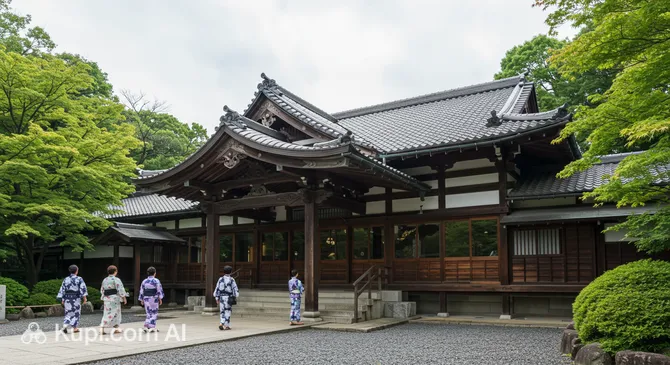
Dogo Onsen Annex Asuka-no-Yu. Illustration.
Source: Kupi.com AI

Traveler photos:

The Asuka-no-yu building was carefully designed to recreate the atmosphere of ancient Japan. Its design incorporates traditional crafts from the Ehime region, while the interior spaces and decorative elements are reminiscent of the country's rich cultural heritage. Visitors can enjoy not only the healing waters but also the aesthetics that immerse them in a historical era.

The main goal of the annex is to offer guests a comfortable and deep introduction to Japanese bathing culture while maintaining the historical continuity of one of Japan's oldest onsens. It is a place where tradition meets modernity, providing a unique experience of relaxation and rejuvenation.

Contacts

For the most up-to-date information regarding the Dogo Onsen Asuka-no-yu Annex, including opening hours, admission fees, and the full list of available services, please consult official sources. We recommend always checking the latest details before planning your visit.

How to contactContact
Address19-22 Dōgoyunomachi, Matsuyama, Ehime 790-0842, Japan
Phone number+81 89-932-1126
Websitedogo.jp

What to Do

The Dogo Onsen Asuka-no-yu Annex in Matsuyama offers visitors a unique experience of immersion into Japanese hot spring culture. The main reason people come here is, of course, to take a bath. Guests can enjoy spacious indoor bathing areas or relax in outdoor baths while breathing in the fresh air. For those who value privacy or are traveling as a family, there are private rooms with baths available, allowing you to enjoy the experience in a more intimate setting.

One of the interesting features of Asuka-no-yu is the option to rent a traditional "Yucho" robe. This is special clothing that allows you to bathe without undressing completely. This option is particularly suitable for those who might feel shy about the traditional Japanese onsen format, where bathing is typically done without clothing. This choice makes the visit comfortable for a wider range of guests.

For visitors' convenience, free shampoo and soap are provided, and towels can be rented for a small fee. After the water treatments, guests can rest in specially equipped relaxation zones. Additionally, you can stroll through the adjacent area, which features souvenir shops offering local products and cozy cafes where you can have a snack or a cup of tea. The combination of modern facilities and the atmosphere of historical Japan makes Asuka-no-yu a wonderful place for both discovering traditions and full relaxation.

Getting There

Getting to the Dogo Onsen Asuka-no-yu Annex is quite simple, as it is located within the city of Matsuyama. The most convenient way to reach it is by tram. Take the tram to "Dogo Onsen Station," from which the Asuka-no-yu Annex is just a few minutes' leisurely walk away. This is a scenic route that allows you to soak in the atmosphere of this historic resort district.

In addition to the tram, you can always use the city buses, which also run to the Dogo Onsen area. If you prefer more comfort or are traveling with luggage, a taxi is an excellent choice. A taxi ride from central Matsuyama to the annex won't take much time.

For those arriving in Matsuyama from other cities in Japan, the city offers a well-developed transport infrastructure. Matsuyama has its own airport handling domestic flights, as well as a railway station connected to the country's major cities. Furthermore, there are sea links, such as ferries to Hiroshima, making a trip to Matsuyama and the Dogo Onsen Asuka-no-yu Annex accessible and convenient for tourists.

Nearest city: Matsuyama

History & Facts

The Dogo Onsen complex in Matsuyama, which includes the Dogo Onsen Asuka-no-yu Annex, is rightfully considered one of the oldest hot springs in Japan. According to some records, its history spans over 3,000 years, making it a true legend with deep roots. Notably, the main pavilion of the complex, built at the turn of the 19th and 20th centuries, went down in history as the first public onsen to be designated an Important Cultural Property of the country, highlighting the deep respect for hot spring bathing traditions.

The Dogo Onsen Asuka-no-yu Annex is a relatively new but significant addition to this historical ensemble, having opened its doors to visitors in 2017. Its concept and design draw inspiration from the Asuka period (538–710 AD)—a pivotal era in Japan's history when the foundations of Japanese culture, statehood, and distinctive architectural styles were actively formed. Thus, Asuka-no-yu serves as a kind of architectural and cultural bridge between antiquity and the modern perception of tradition.

The primary goal of creating the Asuka-no-yu Annex was to expand the opportunities for visitors to the famous onsen. It offers not only traditional Japanese baths but also modern amenities, all executed with profound respect for the region's rich history and cultural traditions. The architectural solutions and interior details of Asuka-no-yu are carefully thought out within their historical context, turning every visit into a unique immersion into the cultural heritage of Dogo Onsen and the Asuka era.

Time Needed

When planning a visit to the Dogo Onsen Asuka-no-yu Annex in Matsuyama, you should aim for 1–2 hours. This time is generally sufficient to enjoy all the main delights of this unique place without rushing.

During the recommended time, you can not only soak in the healing waters of the onsen but also appreciate the traditional architecture and the calming atmosphere of the complex. Depending on the type of visit you choose (for example, just the public baths or with additional options, if available), the time may vary slightly. However, even if you just decide to dip into the culture of Japanese baths and relax for a bit, an hour and a half to two hours will be quite enough for a pleasant experience.

Keep in mind that if you want to immerse yourself more deeply in the onsen rituals, take advantage of extra services, or simply spend more time in a relaxed setting, you might want to set aside a bit more time. However, for a standard introductory visit, 1–2 hours is the optimal guideline.

Working Hours

The Dogo Onsen Asuka-no-yu Annex in Matsuyama is happy to welcome visitors daily. According to available information, the opening hours are set from 6:00 AM to 11:00 PM. This allows guests to enjoy the baths at their convenience, whether it's early morning or late evening.

While specific information regarding the need for advance ticket booking or appointments is not provided, it is recommended to clarify this point beforehand for popular tourist sites, especially during peak seasons. You can check the official website of the Dogo Onsen Asuka-no-yu Annex or contact local tourist information centers for the most current information and possible booking recommendations.

6:00 – 23:00

Nearby

Visiting the Dogo Onsen Asuka-no-yu Annex in Matsuyama is a wonderful event in itself, but exploring the surrounding attractions can make your journey even more fulfilling and memorable. Exploring nearby sites will allow you to dive deeper into the atmosphere of this unique region of Japan, discover hidden gems, and better understand its history and culture.

There are many interesting sites in the immediate vicinity of the Dogo Onsen Asuka-no-yu Annex that deserve your attention. A walk through the surrounding area will provide new impressions and complete the picture of your visit to Matsuyama.

NameDistance
Dogo Onsen Main Building0.2 km
Shirasagi Coffee0.2 km
Botchan Karakuri Clock0.2 km
Dogo Onsen Sky Walkway and Footbath0.2 km
Shiki Museum0.4 km
Isaniwa Shrine0.4 km
Dogo Park0.5 km

Have you reached the end of the page?

So the route has been studied inside and out