Support

Himeji Castle

About

Himeji Castle is one of Japan's most impressive and well-preserved medieval fortresses. Located in the city of Himeji, this architectural masterpiece is considered one of the largest and most visited among the 12 castles in the country whose main towers have survived in their original form from the Edo period or earlier. It earned its poetic nickname — "White Heron Castle" (Shirasagi-jo) — for its elegant shape and brilliant white walls, which resemble a graceful bird with its wings spread from a distance.

The majestic complex consists of 83 buildings, constructed primarily of wood and stone. At the center of the composition rises the five-story main keep, which serves as the primary symbol of both the castle and the entire city. Its elegant appearance and dazzling white walls, coated with special fireproof plaster, create an unforgettable sight, attracting photographers and tourists from all over the world.
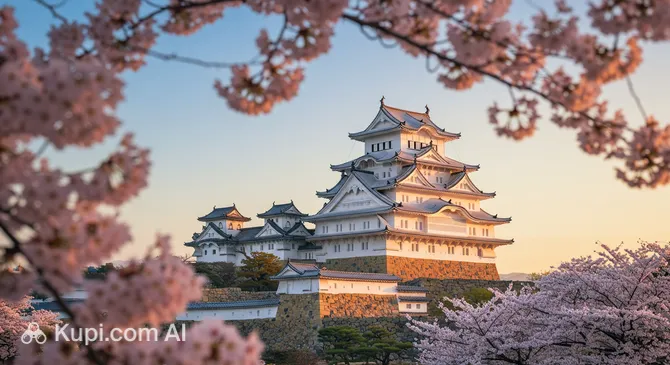
Himeji Castle. Illustration.
Source: Kupi.com AI

Traveler photos:

Walking through the castle grounds is a true journey back in time. Visitors can explore a complex labyrinth of walls, gates, and defensive turrets that once made the fortress virtually impregnable. Today, this ingenious fortification system, included in the UNESCO World Heritage list, creates a unique atmosphere and allows one to fully appreciate the craftsmanship of medieval Japanese architects.

Contacts

To confirm up-to-date information regarding opening hours, ticket prices, or special events, it is recommended to contact the Himeji Castle administration directly. All necessary contact details are provided below.

How to contactContact
Address68 Honmachi, Himeji, Hyogo 670-0012, Japan
Phone number+81 79-285-1146
Websitewww.city.himeji.lg.jp

What to Do

A visit to Himeji Castle is a fascinating dive into history. Tourists can follow historical routes through the fortress and climb to the very top floors of the main keep. From there, a magnificent panorama of Himeji and its surroundings unfolds. Inside the tower, ancient wooden stairs have been preserved, along with exhibits showcasing the life of samurai, their weapons, and armor. The unique defensive features are particularly striking: hidden passages, numerous loopholes and embrasures of various shapes, and walls curved like folding fans.

A walk through the extensive castle grounds is equally captivating. In spring, the site is transformed by cherry blossoms, drawing thousands of visitors who come to admire this symbol of Japan. The beautiful Koko-en Japanese Garden is located near the castle and is also worth adding to your itinerary. Additionally, Himeji Castle often hosts various cultural events, exhibitions, and seasonal festivals, making a visit even more interesting. It's important to keep in mind that the route inside the main keep involves many steep and narrow stairs, so a certain level of physical fitness is required.

Getting There

Getting to Himeji Castle is very convenient thanks to Japan's well-developed transportation system. The main landmark is the Himeji railway station, which serves both high-speed Shinkansen trains and regional lines. A journey from Tokyo by Shinkansen takes about 3 hours with one transfer, while the trip from nearby major metropolises like Osaka, Kobe, or Kyoto takes approximately 1 hour.

A wide, straight street leads from the station to the castle, making walking the easiest way to reach your destination. The walk takes about 15 minutes and offers a great chance to fully enjoy the views, as the majestic castle is visible from afar. For those who prefer to save their energy, city buses also run from the station, stopping right at the entrance to the castle park.

The castle complex grounds are designed for a comfortable visit, featuring rest areas, cafes, and souvenir shops where you can take a break and buy keepsakes.

Nearest city: Himeji

History & Facts

The history of Himeji Castle dates back to the 14th century, when the military leader Akamatsu Norimura built the first fortification on this site between 1333 and 1346. Over the following centuries, particularly during the civil wars of the 15th century, the castle was rebuilt many times and passed from one powerful samurai clan to another. A significant stage in its development occurred at the end of the 16th century, when the famous general Toyotomi Hideyoshi built a three-story tower here, strengthening the fortress's defensive power.

The castle acquired its modern, world-famous appearance in the early 17th century. Between 1601 and 1609, under the leadership of the new owner, Ikeda Terumasa, a large-scale reconstruction and expansion was carried out. It was then that the majestic white walls and elegant multi-tiered towers, which visitors admire today, were created. The architectural solutions and complex layout established during this period became a model for castle construction throughout Japan.

The uniqueness of Himeji Castle lies in its remarkable state of preservation. It miraculously escaped destruction during numerous wars, including the bombings of World War II, and survived natural disasters. Thanks to this fortunate fate, in 1993, the complex was one of the first in the country to be included in the UNESCO World Heritage list and was recognized as a National Treasure of Japan. Today, it remains not just a historical monument, but a vivid symbol of the skill and resilience of Japanese culture.

Time Needed

When planning a visit to Himeji Castle, you should allow between two and four hours. For a basic tour, which includes a walk through the grounds and climbing the main tower, it is recommended to set aside at least 2–3 hours. This is usually enough time to explore the main defensive structures, navigate the labyrinth of courtyards, and climb the steep wooden stairs to the upper floors, which offer a panoramic view of the city.

If you want to get a more complete experience and soak in the atmosphere at a leisurely pace, it's better to plan for 3–4 hours. This allows you to not only see the castle in detail but also visit the magnificent Koko-en Japanese Garden adjacent to it, which consists of nine gardens in various styles. Extra time is also useful for a relaxed walk and photo sessions, especially during peak seasons like cherry blossom time, when the number of visitors increases significantly and may lead to queues.

Working Hours

Himeji Castle is open to visitors year-round, making it easy to plan a visit at any time. Standard opening hours are daily from 9:00 to 17:00. It's important to remember that last admission is one hour before closing, at 16:00. During the summer, typically from late April to late August, hours are extended until 18:00, with last entry at 17:00. The castle is closed for only two days a year — December 29th and 30th.

Special ticket bookings for individual tourists are generally not required; however, during peak times like cherry blossom season or national holidays, queues may form. To avoid long waits and plan your visit effectively, it is highly recommended to check the official castle website for up-to-date information and potential schedule changes, especially if your trip coincides with holidays or special events.

9:00 – 16:00

Nearby

Visiting the majestic Himeji Castle is undoubtedly the highlight of any trip to Himeji, but it's worth exploring beyond its walls. Discovering the surrounding area allows for a deeper immersion into the culture and history of this wonderful corner of Japan. Within walking distance of the castle, you will find many interesting spots, from picturesque gardens to unique museums, which will make your journey even more fulfilling and memorable.

A stroll to nearby attractions will help you form a complete impression of the city. For example, the famous Koko-en Garden, located right next door, showcases the full beauty of traditional Japanese landscape art. Below is a list of places near the castle that are easy to include in your itinerary.

NameDistance
Himeji Castle Main Keep0 km
Himeji City Museum of Art0.2 km
Koko-en Garden0.4 km
Sakuramon Bridge0.4 km
Himeji City Museum of Literature0.5 km
Otemae Park0.5 km
Harima Sosha Shrine0.7 km

Have you reached the end of the page?

So the route has been studied inside and out