Support

Tsukiyomi-no-miya Shrine

About

Tsukiyomi-no-miya Shrine is a significant Shinto shrine located in the city of Ise, Japan. It is an integral part of the famous and deeply revered Ise Jingu shrine complex, one of the country's most sacred Shinto sites. The shrine attracts both pilgrims and tourists eager to experience ancient Japanese culture and spiritual traditions.
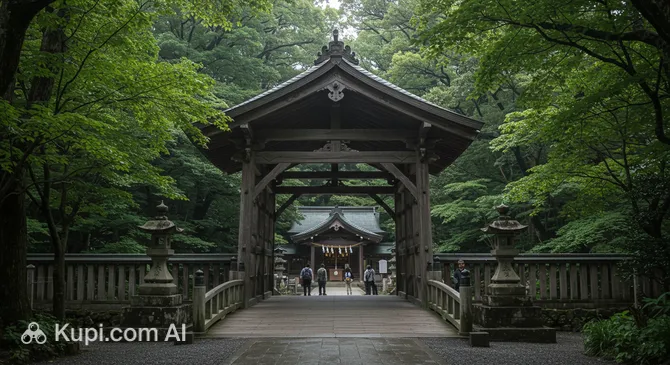
Tsukiyomi-no-miya Shrine. Illustration.
Source: Kupi.com AI

Traveler photos:

This sacred place is dedicated to the deity Tsukiyomi (also known as Tsukiyomi-no-Mikoto), who is the god of the Moon in Japanese mythology. According to legend, Tsukiyomi is the brother of Amaterasu Omikami, the Sun goddess to whom the main Ise Jingu shrine is dedicated. The veneration of the moon deity gives Tsukiyomi-no-miya a special atmosphere of serenity and a certain mystery, especially felt in the silence of the temple complex.

An interesting feature is that within the vast Ise Jingu complex, there are two shrines bearing the name Tsukiyomi-no-miya. One of them is located on the grounds of the Inner Shrine (Naiku), where it stands alongside other smaller shrines, emphasizing Tsukiyomi's familial connection to Amaterasu. The second Tsukiyomi-no-miya shrine is located in the Outer Shrine (Geku) and is associated with the goddess of food and agriculture, Toyouke-bime, reflecting another facet of the mythological stories about the Moon god.

Visiting Tsukiyomi-no-miya Shrine offers a unique opportunity to delve into the world of Shinto beliefs and experience the tranquility and harmony of this ancient site. It is an essential stop for those seeking to understand the spiritual heritage of Japan and enjoy the beauty of traditional Japanese architecture surrounded by sacred nature.

Contacts

To confirm current contact information, such as a phone number or email address, as well as the opening hours of the Tsukiyomi-no-miya Shrine, it is recommended to visit the official website of the attraction if one is available. You can also find helpful information at tourist information centers in the city of Ise or from other local sources.

How to contactContact
Address742-1 Nakamurachō, Ise, Mie 516-0028, Japan
Phone number+81 596-24-1111
Websitewww.isejingu.or.jp

What to Do

A visit to Tsukiyomi-no-miya Shrine offers a unique opportunity to experience the traditional Japanese religion of Shinto and its ancient rituals. Visitors can witness or even participate in traditional prayers and make symbolic offerings, which are important parts of Shinto practice. The special atmosphere of spirituality and tranquility that prevails on the shrine grounds allows for a deeper understanding of the Japanese worldview and the chance to enjoy a moment of peace.

Since Tsukiyomi-no-miya Shrine is part of the grand Ise Jingu shrine complex, one of the most revered in Japan, you will have the chance to expand your acquaintance with Shinto shrines. You can continue your tour by visiting other significant sites in the complex, including the main shrines dedicated to the Sun goddess Amaterasu and the deity of food and agriculture, Toyouke. This will provide a more complete picture of the scale and significance of Ise Jingu.

The area around the shrine is part of the Ise-Shima National Park, which offers additional opportunities for exploration. In addition to learning about religious and historical sites, visitors can enjoy the natural beauty of the region. Walking through the park will allow you to see picturesque landscapes and perhaps discover other lesser-known but equally interesting historical sites, rounding out your visit to the shrine.

Getting There

Tsukiyomi-no-miya Shrine is located in the city of Ise, Mie Prefecture, Japan. To reach this sacred site, the first step is to travel to the famous Ise Jingu temple complex (the Grand Shrine of Ise), as the shrines of interest are situated within its grounds.

It is important to note that within Ise Jingu, there are two separate shrines dedicated to the deity Tsukiyomi. One of them, Tsukiyomi-no-miya, is part of the Outer Shrine (Geku) in the Miyajiri-cho district. The other, also called Tsukiyomi-no-miya, is located within the Inner Shrine (Naiku) in the Nakamura-cho district. Therefore, you will be visiting two locations within the vast Ise Jingu complex.

The distance between the Outer Shrine (Geku) and the Inner Shrine (Naiku) is about 4 kilometers. To move between these two parts of Ise Jingu, public transport is usually available, such as buses serving pilgrims and tourists. This is the most convenient way if you plan to visit both Tsukiyomi-no-miya shrines. Alternatively, you can take a taxi, which will save time and allow you to travel in greater comfort.

Nearest city: Ise

History & Facts

Tsukiyomi-no-miya Shrine, located in the city of Ise, is an integral part of the magnificent Ise Grand Shrine complex, one of the most sacred places in Japan. The exact founding date of Tsukiyomi-no-miya itself is unknown, but the first written mentions of it date back to 804. The entire Ise complex took on its final form and special significance during the reign of Emperor Temmu. It was he who implemented the "Taiho Ritsuryo" ritual code of laws, and the Inner Shrine (Naiku), which includes Tsukiyomi-no-miya, was designated as the resting place for the spirit of the goddess Amaterasu, the ancestor of the imperial family.

One of the most remarkable features associated with the Ise Grand Shrine complex and, consequently, Tsukiyomi-no-miya Shrine, is the ancient tradition of "Shikinen Sengu." This practice, also initiated under Emperor Temmu, dictates the complete reconstruction of the shrines every 20 years. This ritual symbolizes purification, renewal, and the transfer of construction knowledge and techniques from generation to generation. Beyond its deep religious meaning, the Ise complex historically played an important economic and political role due to its strategic location by Ise Bay.

An interesting fact is that until 1945, the entire Ise Shrine complex, including Tsukiyomi-no-miya, was physically and symbolically separated from the rest of the world by the Miyagawa River. This river served as the boundary of the sacred land. Priests were strictly forbidden from crossing the river to maintain the ritual purity required for serving the deities (kami). Curiously, until the 12th century, this prohibition was sometimes used by priests as leverage over the government: they threatened to break it and appear personally in the capital if their demands were not met.

Time Needed

When planning a visit to the Tsukiyomi-no-miya Shrine in the city of Ise, you should expect a relatively short visit. Most travelers will need about 30 minutes to 1 hour to explore the shrine grounds, admire its architecture, and soak in the special atmosphere of the site. This amount of time is usually sufficient for a peaceful walk and to get a general sense of the sanctuary.

Tsukiyomi-no-miya is one of the auxiliary shrines (betsugu) of the Ise Grand Shrine, specifically the Outer Shrine (Geku), and is dedicated to the moon deity Tsukiyomi-no-mikoto. Its grounds are not as extensive as those of the main shrines. The duration of your visit may vary slightly depending on your interest in the details of Shinto architecture or your desire to spend some time in quiet contemplation. However, even with a more thorough look, a visit is unlikely to take more than an hour, making it easy to include in an itinerary with other attractions in Ise and Japan.

Working Hours

Unfortunately, exact information regarding the opening hours of the Tsukiyomi-no-miya Shrine in Ise is currently unavailable. To obtain the most up-to-date information on visiting times and any potential schedule changes, it is recommended to check the shrine's official website or confirm the details on-site upon arrival in Ise.

Generally, many Shinto shrines in Japan are open to visitors year-round, typically during daylight hours. Admission to the grounds is often free, and advance booking for a standard visit is usually not required. However, if you plan to attend special services or events, it is best to verify this information beforehand. Checking official sources will help you plan your visit to the Tsukiyomi-no-miya Shrine in the best possible way.

5:00 – 17:00

Nearby

Visiting the Tsukiyomi-no-miya Shrine is undoubtedly a highlight, but you shouldn't stop there. Exploring the surrounding area will allow you to dive deeper into the atmosphere of the city of Ise and discover other treasures of this amazing corner of Japan. Every additional attraction, whether it's a historical monument, a scenic natural spot, or a cozy establishment, will add new colors to your experience.

There are many interesting places near the Tsukiyomi-no-miya Shrine that deserve your attention. A stroll through them will not only broaden your horizons but also allow you to better understand the culture and history of the region. Below is a list of some of these attractions with their distances indicated.

NameDistance
Sarutahiko Shrine1 km
Akafuku Main Shop1.3 km
Okage Yokocho1.3 km
Ise Kadoya Beer1.4 km
Jingu Museum1.5 km
Yamatohime-no-miya Shrine1.5 km
Uji Bridge1.7 km

Have you reached the end of the page?

So the route has been studied inside and out