Support

Ise Grand Shrine (Geku, Outer Shrine)

About

Ise Jingu (Geku), or the Outer Shrine, is one of the two main parts of the great Ise Grand Shrine complex, located in the city of Ise in Japan. This sacred site holds immense spiritual significance for the entire country and is dedicated to the deity Toyouke-no-Omikami, the patron of food, clothing, and housing. According to pilgrimage tradition, a visit to the Ise Jingu complex begins with Geku to pay respects to the deity who looks after human well-being.
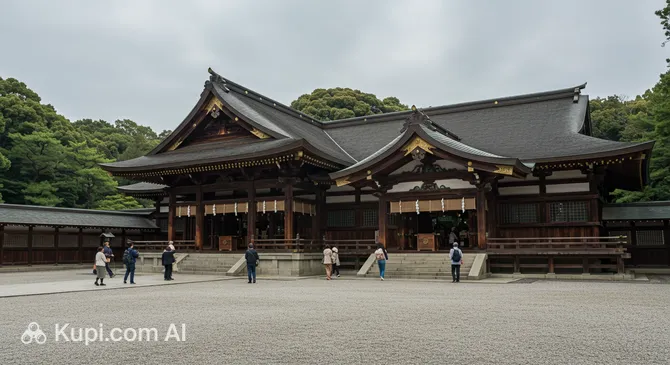
Ise Grand Shrine (Geku, Outer Shrine). Illustration.
Source: Kupi.com AI

Traveler photos:

The architecture of Geku is a specimen of the ancient and unique Shinmei-zukuri style, the use of which is prohibited in the construction of any other shrines. The main building is constructed from untreated Japanese cypress and stands on high stilts, with its gabled roof covered by a thick layer of thatch. This simple yet majestic structure blends harmoniously into the surrounding woodland, creating an atmosphere of tranquility and union with nature.

Particular attention is drawn to the details that distinguish Geku from the Inner Shrine, Naiku. For example, on the ridge of its roof lie nine short katsuogi logs, while Naiku has ten. Another characteristic feature is the cross-shaped chigi beams that project high above the roof. Geku is not just an individual attraction but an integral part of the entire Ise Jingu complex, which is considered one of the most sacred Shinto sites in Japan.

Contacts

For the most up-to-date information on opening hours, special events, and visiting rules for the Outer Shrine, it is recommended to consult the official sources of the Ise Jingu temple complex. You can contact the shrine representatives by phone or via the official website.

How to contactContact
Address279 Toyokawachō, Ise, Mie 516-0042, Japan
Phone number+81 596-24-1111
Websitewww.isejingu.or.jp

What to Do

A visit to the Geku Outer Shrine is, first and foremost, an opportunity to experience the unique architecture of an ancient Shinto shrine. The main thing visitors notice is the traditional "Shinmei-zukuri" style, characterized by simplicity and grandeur. Despite the conciseness of form, the wood craftsmanship and harmonious proportions of the buildings leave a strong impression, allowing you to feel a connection with the centuries-old history of Japan.

A walk through the complex grounds allows you to see more than just the main sanctuary. There are numerous secondary temple buildings, the sacred Torii gates, a treasure house, and a special hall for offering "divine" food. Of particular interest to architecture enthusiasts is the fact that this style traces back to the prototype of ancient granaries (kura). The unique tradition of completely rebuilding the shrine every 20 years helps preserve this ancient form in its original state.

In addition to viewing the buildings, an important part of the visit is the atmosphere itself. The path to the shrine passes through a quiet forest, setting a calm and contemplative mood. Visitors can stroll along well-maintained paths, cross a bridge, and experience the peace that reigns in this sacred space. This is not just sightseeing, but a deep immersion into the spiritual culture of the city of Ise and the entire country.

Getting There

Getting to the Ise Jingu Outer Shrine (Geku) is quite simple, as it is conveniently located in the central part of the city of Ise. Due to its proximity to major transportation hubs, the shrine is easily accessible for travelers arriving in Japan by train or other public transport. Most tourists reach the site on foot from the railway station.

The main starting point for visiting Geku is Iseshi Station, which serves both JR and Kintetsu lines. From the station, the entrance to the shrine grounds can be reached on foot in just 5–10 minutes. The path is well-marked, and you simply need to follow the main street, Geku-sando. Alternatively, you can use Ujiyamada Station (Kintetsu lines only), which is about a 10-minute walk away.

While walking is the most popular and convenient method, local public transport is also an option. Buses run from Iseshi Station to the Geku-mae bus stop, located right by the shrine, with the trip taking no more than 5 minutes. Taxis are also available, though usually unnecessary for such a short distance. This mode of transport is more relevant for traveling from the Outer Shrine (Geku) to the Inner Shrine (Naiku), which are several kilometers apart.

Nearest city: Ise

History & Facts

One of the most striking features of the Geku Outer Shrine, as well as the entire Ise Jingu complex, is the unique tradition of Shikinen Sengu. This ritual, which has existed since the 7th century, mandates the complete rebuilding of the main shrine structures every 20 years. The old buildings are dismantled, and exact replicas are constructed on a specially prepared adjacent site, after which the deities are solemnly transferred to their new home. This practice symbolizes renewal and eternity; the most recent ceremony, the 62nd, took place in 2013.

The Shikinen Sengu ritual has not only spiritual but also immense practical significance. Thanks to this centuries-old tradition, Japan has been able to preserve ancient construction and woodworking methods in their original form, which might otherwise have been lost. Every two decades, masters pass their invaluable knowledge and skills to a new generation of carpenters, ensuring the continuity of the craft school. Thus, the shrine remains both ancient and new at the same time, and the Japanese believe that with the temple's renewal, they also receive renewed blessings from the kami deities.

The exceptional status of Ise Jingu is emphasized by its unbreakable bond with the Imperial House. Traditionally, princesses from the Imperial family were appointed as high priestesses of the temple complex, testifying to its supreme importance in the country's spiritual life. Furthermore, the shrine's uniqueness is established at the architectural level: the ancient "Shinmei-zukuri" style, in which the Geku buildings are constructed, is legally prohibited for use in any other Shinto shrines in Japan. Even today, entry into the main sanctuaries is permitted only to high-ranking clergy and members of the Imperial family.

Time Needed

Most visitors spend approximately 45 minutes to 1.5 hours exploring the Ise Jingu Outer Shrine (Geku). This time is quite sufficient for a leisurely walk through the picturesque grounds, covered with gravel paths and surrounded by centuries-old trees. During this time, you can reach the main shrine to view its unique architecture from a distance, as well as visit several auxiliary temples located nearby.

The duration of the visit largely depends on your pace and interest in details. If you are limited on time, a quick tour of the main part of Geku can be done in 30-45 minutes, as the path from the entrance to the main sanctuary takes only about 5-10 minutes. However, to truly soak in the peaceful atmosphere of this sacred place, it is worth setting aside more time. This will allow you to explore all accessible corners without rushing, including the smaller shrines, and perhaps visit the Sengukan Museum located at the entrance, which tells the story of the shrine rebuilding tradition.

Working Hours

The Ise Jingu Outer Shrine (Geku) is open to visitors year-round, and entry to its grounds is free and does not require prior booking. This makes it very convenient for tourists to visit. The shrine opens to the public daily at 5:00 AM, while closing times vary by season. From May to August, the shrine is open until 7:00 PM. In March, April, and September, the gates close at 6:00 PM, and from October to February, at 5:00 PM. Despite this information, it is always useful to check the official Ise Jingu website before your trip to stay informed about possible schedule changes or special events.

5:00 – 19:00

Nearby

A visit to the Geku Outer Shrine is just one part of a grand journey through the spiritual heart of Japan. To fully appreciate the cultural richness of the city of Ise, it is worth exploring other iconic sites located nearby. Strolling through the surrounding areas will allow for a deeper understanding of the region's history and traditions, as well as seeing how sacred rituals intertwine with daily life.

Many attractions are within walking distance or a short ride from Geku, making their exploration a convenient and pleasant addition to your itinerary. From historical museums to other important shrines and cozy streets—each location adds a new touch to the portrait of this amazing city.

NameDistance
Sengukan Museum0.3 km
Yamatohime-no-miya Shrine1.8 km
Jingu Museum2 km
Sarutahiko Shrine2.7 km
Tsukiyomi-no-miya Shrine2.8 km
Akafuku Main Shop3.3 km
Okage Yokocho3.3 km

Have you reached the end of the page?

So the route has been studied inside and out