Koko-en Garden is a beautiful example of traditional Japanese garden art, located at the foot of the famous Himeji Castle, also known as the "White Heron Castle." This tranquil garden is located in Himeji, Japan, and was created in 1992 on the site where the western residence (Nishi-oyashiki) of the castle's feudal lords once stood.
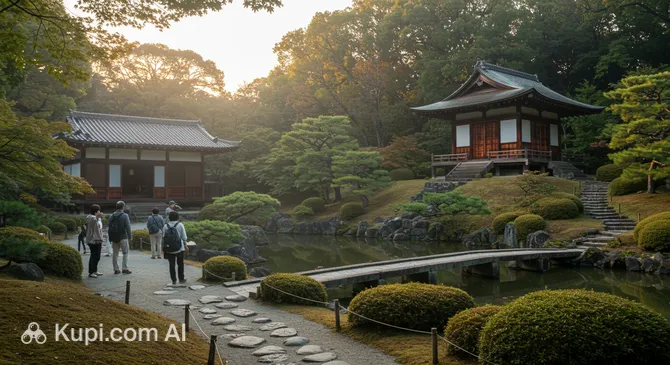
Traveler photos:
The garden owes its name to Koko-do, the province's primary educational institution, which was founded in 1692 by the last ruler of Himeji, Lord Sakai. Thus, the garden's name pays tribute to the educational traditions and history of the region.
Koko-en Garden is a unique complex consisting of nine independent themed gardens, skillfully separated by stone walls. Each of these gardens recreates various styles of the Edo period (1603–1868)—the final period of traditional Japan—offering visitors a journey through time.
The garden project was designed by Professor Makoto Nakamura of Kyoto University. He drew inspiration from 17th- to 19th-century samurai houses, the remains of which were discovered during archaeological excavations in the area. A visit to Koko-en Garden allows for a deep immersion into the atmosphere of old Japan and its refined landscape art.