Support

Kishu Toshogu Shrine

About

Kishu Toshogu Shrine (紀州東照宮) is a significant Shinto shrine located in the city of Wakayama, Japan. It is dedicated to the memory of Tokugawa Ieyasu, the legendary founder of the Tokugawa shogunate, and is one of the many Toshogu shrines built across the country in honor of the deified ruler. This site attracts visitors not only for its spiritual atmosphere but also for its rich history.
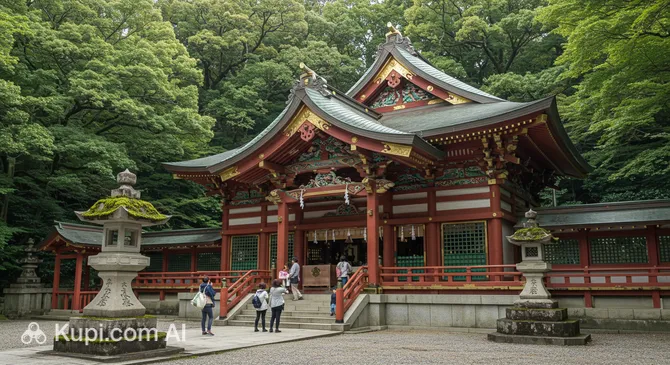
Kishu Toshogu Shrine. Illustration.
Source: Kupi.com AI

Traveler photos:

The construction of Kishu Toshogu Shrine dates back to the early period of the Tokugawa shogunate's rule, approximately between 1621 and 1624. Its establishment was part of a large-scale campaign to immortalize Ieyasu's memory after his death in 1616, when similar shrines began to appear on the lands of related clans. This shrine is an important testament to that era and the deep reverence for Ieyasu's legacy.

Like other Toshogu shrines, Kishu Toshogu reflects the characteristic architectural style of the Edo period. Its richly decorated structures and detailed elements demonstrate the power and influence of the Tokugawa clan, which ruled Japan for over 250 years. Today, the shrine is recognized as an important historical and cultural attraction of the Kishu region, offering visitors a unique opportunity to connect with the heritage of a great dynasty.

Contacts

For the most up-to-date information on opening hours, ticket prices, and potential special events at Kishu Toshogu Shrine, it is recommended to visit the official website of the attraction, if available.

Details can also be confirmed at local tourist information centers in Wakayama or upon arrival at the site.

How to contactContact
Address2-chōme-1-20 Wakauranishi, Wakayama, 641-0024, Japan
Phone number+81 73-444-0808
Websitekishutoshogu.org

What to Do

A visit to Kishu Toshogu Shrine in Wakayama is an immersion into the atmosphere of traditional Japan. Guests can take a close look at the magnificent Edo-period architecture characteristic of Shinto temple complexes. Special attention is drawn to the rich decorative ornamentation of the shrine, including intricate wood carvings and shimmering gold decorations, which are hallmarks of Toshogu shrines. You can leisurely explore the various buildings of the complex, each carrying its own historical value and unique purpose.

Beyond the architectural beauty, the shrine offers a glimpse into the spiritual life of Japan. Traditional Shinto rituals and prayers are held here. Visitors have the opportunity to participate in a purification ritual known as misogi, which is an important part of Shinto practice. You can also purchase various amulets — omamori — as keepsakes or for good luck, or write your wishes and prayers on special wooden plaques — ema — which are then left at the shrine.

For many travelers, a point of particular interest is the opportunity to receive a goshuin — a calligraphically executed temple stamp. This unique souvenir serves as a wonderful reminder of your visit to Kishu Toshogu Shrine. The goshuin is usually placed in a special book (goshuincho) or on a separate sheet of paper; it is not just a mark, but a work of art that reflects the spirit of the place.

Getting There

Kishu Toshogu Shrine is located in the city of Wakayama, making it quite accessible for visitors. If you are already in Wakayama, there are several ways to reach the shrine. The main starting point for many is Wakayama Station, which is served by JR West and Nankai Electric Railway. From here, local buses run to Kishu Toshogu, and taxi services are always available. For those who prefer walking and are staying in the central part of the city, it is possible to reach the shrine on foot.

If your journey to Wakayama begins from other major cities in Japan, such as Osaka or Kyoto, the most convenient option is to first take a train to Wakayama. A train ride from Osaka, for instance, takes about one hour. Upon arrival at Wakayama Station, you can transfer to a local bus or take a taxi to reach the gates of Kishu Toshogu Shrine directly.

Nearest city: Wakayama

History & Facts

Kishu Toshogu Shrine in Wakayama has a rich history dating back to the very beginning of the 17th century. Its construction began shortly after the death of the great shogun Tokugawa Ieyasu in 1616. This shrine was one of the first in a series of Toshogu shrines that began appearing on the lands of clans related to the powerful Tokugawa family. Between 1621 and 1624, similar shrines were built in key cities of Japan at the time, including Edo (modern-day Tokyo), Sumpu, Kawagoe, Hirosaki, Nagoya, and Mito, reflecting the widespread cult of the shogunate's founder.

The construction of Toshogu shrines, and Kishu Toshogu in particular, was not accidental. It was a deliberate policy aimed at strengthening the power and legitimacy of the Tokugawa shogunate. The third shogun, Tokugawa Iemitsu, Ieyasu's grandson, played an especially active role in this process. It was he who vigorously promoted his grandfather's cult, ordering the construction and lavish decoration of shrines in his honor. While the most famous and ornately decorated is the Toshogu in Nikko, other shrines, including the one in Wakayama, also played a significant role in the country's religious and political life during the Edo period.

After the active phase of constructing the main Toshogu shrines, which peaked between 1624 and 1651, the tradition of building new large shrines of this type somewhat declined. Nevertheless, individual shrines continued to appear even into the 19th century. Kishu Toshogu Shrine in Wakayama has fortunately been preserved to this day as an important historical monument of the Tokugawa era. It serves as a vivid testament to the immense influence this powerful clan had on the religious and cultural life of Japan for centuries.

Time Needed

To fully enjoy your visit to Kishu Toshogu Shrine in Wakayama, it is recommended to set aside approximately 1-2 hours. This amount of time is generally sufficient for most visitors to explore the main elements of this significant site without rushing.

During this period, you can leisurely walk through all the buildings within the shrine complex, closely examine the unique architectural features, and enjoy the exquisite decorative elements for which Kishu Toshogu is famous. You will also have the opportunity to delve deeper into the atmosphere of the place and, if desired, even participate in traditional rituals if any are being held during your visit.

Working Hours

Kishu Toshogu Shrine in Wakayama is generally open to visitors throughout the year. However, exact opening hours may vary depending on the season, the day of the week, or the scheduling of special events and festivals. Typically, Japanese temples and shrines open early in the morning and close toward evening, often around 4:00 PM or 5:00 PM.

As specific information regarding opening hours and whether advance ticket booking is required for Kishu Toshogu Shrine is not currently available, it is strongly recommended to check the official shrine website (if available) or verify current details at local tourist information centers in Wakayama before your visit. This will help you plan your visit effectively and avoid any potential inconvenience.

9:00 – 16:30

Nearby

Visiting an iconic landmark like Kishu Toshogu Shrine is a highlight in itself. However, to truly immerse yourself in the atmosphere of Wakayama and take away the best possible impressions, it is worth spending some time exploring the surroundings. Often, just near famous sites, there are equally interesting locations hidden away that can add new colors and discoveries to your journey.

Exploring nearby sites will allow you to better understand the cultural and historical context of Kishu Toshogu Shrine and see the diversity of Wakayama. Below is a list of some nearby attractions that might interest you.

NameDistance
The Museum of Modern Art, Wakayama3.6 km
Wakayama Castle Park Zoo3.8 km
Wakayama Castle3.9 km
Wakayama Castle Park3.9 km
Momijidani Garden4 km
Ginpei Wakayama Station4.9 km
Hinokuma Shrine and Kunikakasu Shrine5.1 km

Have you reached the end of the page?

So the route has been studied inside and out