Nakuru is a vibrant gem of East Africa, nestled comfortably on the floor of the Great Rift Valley. This city harmoniously combines the dynamic rhythm of modern life with relaxed provincial charm, offering tourists a unique immersion into the local culture. Located in the heart of Kenya, about 160 kilometers northwest of Nairobi, Nakuru is famous for its incredible landscapes and fresh air, making it a pleasant place to visit year-round.
Nakuru. Illustration.
Source: Kupi.com AI
With a population of approximately 308,000 people, the city is one of the largest in the country and an important administrative center for the region. It is surrounded by picturesque hills and ancient volcanic craters that create a unique backdrop for any journey. The rich history of Nakuru has turned it into a place where nature and civilization go hand in hand: life bustles in the streets, while wild, protected lands lie just beyond.
The main attraction and the region's calling card is the sparkling Lake Nakuru. It is world-renowned for its unique ecosystem and the opportunity to see flocks of flamingos and rhinos in their natural habitat. The city is ideal for those dreaming of a real safari, wanting to visit colorful markets, or looking to enjoy bright gastronomic discoveries. Nakuru welcomes guests ready to appreciate the beauty of African nature and the hospitality of its residents.
Weather Overview
The climate in Nakuru can safely be called one of the most pleasant and mildest in the region. Thanks to its favorable geographical location, an atmosphere of eternal spring prevails here: there is no extreme heat typical of the coast, nor any severe cold. This makes the city comfortable to visit at almost any time of year, although weather conditions do have seasonal characteristics.
According to statistics, the temperature regime here is very stable. The warmest period is at the beginning of the year: in February and March, the air warms up to an average of +26.0°C during the day, while nights remain fresh (around +12°C). This is also the driest time: January and February record the minimum amount of precipitation. From April, the weather changes: the number of rainy days increases (up to 18 per month), and the temperature drops slightly. The coolest months are July and August, when the daily maximum is around +21°C, and at night the thermometer can drop to +11.5°C.
Expect comfortable warm days with occasional rain during the shoulder seasons and cool, dry nights. Since rains can be frequent, especially in April, July, and August, it is worth checking the expected weather in Nakuru for your dates before your trip. This will help you choose the right wardrobe, not forgetting to bring a light jacket for evening walks and morning safaris.
Average monthly temperature
Average monthly precipitation
Interesting Facts
Beyond the main tourist routes, Nakuru holds many fascinating secrets and unique features that make it a truly special place on the map of Africa. Here are a few surprising facts to help you see this city from a new perspective:
A pink "sea" visible from space. Lake Nakuru holds the record for the concentration of lesser flamingos. In certain seasons, up to four million of these graceful birds gather here. Their density is so high that the water's surface turns into a solid pink canvas, the outlines of which, it is claimed, can even be distinguished in satellite images.
A cradle for rhinos. The national park adjacent to the city became Kenya's first official sanctuary created specifically to save rhinos when they were on the brink of extinction. Today, it is one of the few places where you are guaranteed to see both black and white rhinos in the wild.
The breath of a volcano. The city lies in the shadow of the Menengai Crater—the second largest dormant volcanic crater on the entire African continent. Locals pass down legends about spirits living in its caldera, and the place itself is considered sacred and shrouded in mystery.
An archaeological treasure chest. Nakuru is an important site for historians. It is home to the Hyrax Hill Museum, built directly on an archaeological excavation site. Unique evidence of Neolithic and Iron Age life was found here, including the mysterious "Sirikwa holes," which scientists believe were used to protect livestock.
How to Get There
When planning a trip to Nakuru, it is important to consider that the city itself does not have a commercial airport handling regular passenger flights. The journey usually involves a flight to one of Kenya's major transport hubs followed by a land transfer. You can find all ways to get to the city on a dedicated page; below, we will look at the most popular routes via the nearest air gateways.
Most tourists choose to fly through the capital. One convenient option is Wilson Airport (WIL), located in Nairobi. This is a busy regional hub handling many domestic flights. It is worth noting that the airport is about 139 km from Nakuru. The journey by taxi or bus from Nairobi takes approximately 3 hours and 50 minutes, depending on traffic.
An alternative option is Eldoret International Airport (EDL), located in the city of Eldoret. The distance to Nakuru from here is about 122 km. This airport is less crowded than those in the capital, and the car journey takes approximately 3 hours and 20 minutes. This can be a convenient choice if your route passes through the western part of the country.
For convenience, here is a summary of the main airports used to reach the region:
Since rail service is not the primary way for most tourists to reach the city center directly, the main mode of transport after landing remains the car. Regular "matatu" minibuses and comfortable shuttles run between cities. The roads in this region are picturesque, so the transfer to Nakuru will be a great opportunity to admire the views of the Great Rift Valley.
Main Attractions
Although many travelers come to this region primarily for the famous lake and its inhabitants, the city itself also boasts interesting locations that allow you to diversify your trip and get a better sense of the local culture and rhythm of life.
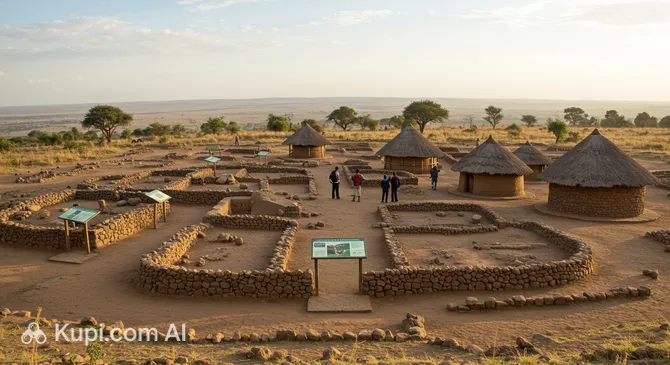
The undisputed center of attraction for history buffs is the Hyrax Hill Museum. This unique open-air archaeological site is located on a rocky spur and holds the status of a national monument. Here, tourists can see traces of Neolithic and Iron Age settlements, as well as explore ethnographic exhibits inside the museum building. A bonus to the historical excursion is the magnificent panoramic view of Lake Nakuru opening up from the top of the hill.
Hyrax Hill Museum. Illustration.
Source: Kupi.com AI
Traveler photos:
The heart of the city's modern life is the Westside Mall. This building, with its distinctive architecture, serves as the main destination for shopping and socializing. It is a convenient place for tourists to restock supplies, purchase essentials, or simply relax in a comfortable setting after the dusty roads of a safari. The complex offers a wide selection of shops and services, reflecting Nakuru's dynamic development.
For those who want to enjoy the evening atmosphere and see the city from an unusual perspective, Gigi Rooftop Lounge & Grill is an excellent choice. This venue attracts guests with its open rooftop terrace, offering beautiful views of the city lights. The cozy atmosphere and diverse menu make it a popular spot for a relaxed dinner or a sunset cocktail.
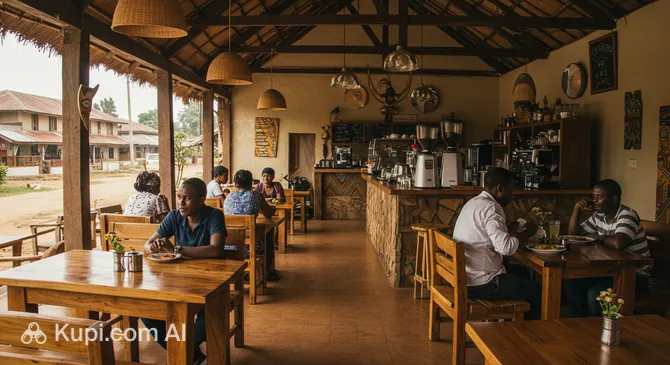
Gastronomy and coffee culture enthusiasts should stop by Origin Coffee Nakuru. As is well known, Kenya is world-famous for its coffee, and this establishment is one of the best places in the city to appreciate the taste of freshly roasted beans. The calm atmosphere is perfect for breakfast or a break for a cup of aromatic coffee during the day.
Local Cuisine
Nakuru's gastronomic map is a true kaleidoscope of flavors, where the age-old traditions of Kenya's peoples intertwine with modern culinary trends. Thanks to the fertile soils of the Rift Valley, the local cuisine abounds with fresh vegetables and fruits, while the proximity of water bodies provides restaurants with fresh fish. Food here is not just about satisfying hunger, but an important part of social interaction and hospitality.
The staple of most meals is ugali—a thick and filling porridge made from maize flour, served with almost everything. Tourists should definitely try the main Kenyan hit—nyama choma. This is succulent meat (most often goat or beef) roasted over charcoal until it has a crispy crust. Meat lovers can appreciate this dish at establishments like George's Pork Garden Bar and Restaurant, where grilling is a true art. Also popular are aromatic stews and fried plantains, which serve as excellent side dishes.
Origin Coffee Nakuru. Illustration.
Source: Kupi.com AI
Traveler photos:
Street food in Nakuru deserves special attention. At local markets and small stalls, you can find delicious samosas—triangular pastries with savory meat or vegetable fillings. Fresh tropical fruits, from mangoes to passion fruit, are also sold here. If you want to immerse yourself in the local atmosphere, visit Majid Restaurant to try authentic dishes in a simple and friendly setting.
Regarding drinks, Kenya is famous for its tea. Locals drink chai with milk and spices, which is wonderfully invigorating and warming. Coffee culture is also well-developed: you can enjoy a cup of excellent local coffee at a cozy spot like Origin Coffee Nakuru. Among alcoholic beverages, it's worth trying the local lagers, which are refreshing on a hot day, as well as traditional drinks that can sometimes be found at food festivals.
The dining culture in the city is democratic: guests at expensive restaurants and those who prefer a quick snack on the go feel equally comfortable. Nakuru regularly hosts gastronomic festivals where you can not only taste the region's best dishes but also attend masterclasses to learn how to cook authentic Kenyan food yourself.
Travel Tips
A journey to Nakuru promises to be exciting, but like any African city, there are nuances that will make your holiday much more comfortable if you know them. We have compiled a list of practical recommendations to help you quickly adapt to the local pace of life and avoid common mistakes.
Wardrobe and Accessories. The weather in Nakuru is deceptive: it can be hot during the day, but evenings and mornings can be quite chilly due to the elevation. The best strategy is layering. Bring light clothing made of natural fabrics, but be sure to pack a fleece jacket or windbreaker. Shoes should be closed-toe and comfortable, as the streets can be dusty. Don't forget a plug adapter: Kenya uses the British standard (Type G with three rectangular pins).
Transport Nuances. For getting around the city, it is safest and most convenient to use taxis via mobile apps (Uber, Bolt, or the popular local service Wasili). This saves you from having to bargain and explain the way. If you want something more exotic for short distances, choose tuk-tuks, but agree on the price in advance. Local "matatu" minibuses are an option for the brave: they are cheap but often overcrowded, and the driving can be quite aggressive.
Financial Matters. The official currency is the Kenyan Shilling (KES). Visa and Mastercard are accepted in supermarkets, hotels, and good restaurants, but you will need cash for markets and small shops. It's best to exchange money at official exchange offices (Forex Bureaus) rather than at the airport or hotels, where the rates are less favorable. It is customary to tip guides and waiters (about 10% of the bill) if you liked the service.
Health and Safety. Drink only bottled water and use it even for brushing your teeth. Nakuru is in a malaria risk zone (though it is lower than on the coast), so use repellents in the evenings and sleep under mosquito nets. Pharmacies ("Chemists") are common in the city, but it's better to bring specific medications with you. Avoid walking after dark, especially alone and in sparsely populated areas.
Language and Connectivity. English is an official language and is widely spoken, so communication won't be an issue. However, locals will greatly appreciate it if you learn a few words in Swahili, such as "Jambo" (Hello) or "Asante" (Thank you). For internet, we recommend buying a SIM card from the Safaricom operator upon arrival—they have the best coverage in the region, including the national parks.
Local Etiquette. Kenyans are polite and unhurried people. Greetings are an important part of the culture; it is customary to shake hands and ask "how are you" before getting down to business. Don't show impatience: the "pole-pole" (slowly-slowly) philosophy prevails here, and service can be leisurely. Treat this with understanding and a smile.
Strict Prohibitions. The most important rule: Kenya has a very strict ban on plastic bags. They cannot be imported, used, or carried—heavy fines are provided for this. Use cloth shopper bags instead. Also, it is categorically discouraged to photograph locals without their explicit permission, and filming government buildings, police, or military sites is prohibited by law.
Dust Protection. Nakuru is located in the Great Rift Valley, and it can be very dusty during the dry season. For trips, especially safaris or long walks, it's useful to bring a light scarf or bandana to protect your face and airways from the red African dust if necessary, as well as sunglasses.
Following these simple rules will help you focus on the main thing—Nakuru's incredible nature and culture. Be open to new things, respect local traditions, and this city will respond with sincere hospitality and unforgettable impressions!
Entertainment & Nightlife
While Nakuru is primarily famous for its natural beauty and safaris, the city does not fall asleep when the sun goes down. The entertainment sector is actively developing here, offering tourists and locals various ways to spend their leisure time—from high-tech attractions to a dynamic nightlife. This is a great opportunity to see a different, more modern and youthful side of the city.
Fans of vivid impressions and new technologies should visit Platinum 7D Lounge. This place takes movie watching to a new level: viewers don't just watch the plot but literally become part of it. Moving platforms, surround sound, and special effects imitating wind or water splashes create a sense of total immersion. This format of entertainment is perfect for both a fun group of friends and families with children looking to diversify their evening.
Platinum 7D Lounge. Illustration.
Source: Kupi.com AI
Traveler photos:
The city's nightlife is also in full swing. The hub for those who want to dance and listen to music is the Sans Chic nightclub. This popular venue brings together fans of various musical genres—from modern international hits to energetic African rhythms. The atmosphere here is always lively and friendly, making the club a great place to experience the local leisure culture.
For those who prefer a more relaxed format, Nakuru has many bars and lounges, some of which (such as the previously mentioned panoramic restaurants) offer not only drinks but also live music on weekends. Strolling through the city's evening establishments will allow you to feel the rhythm of modern Kenya and relax after a busy day in nature.
Parks & Museums
Nakuru is a city where the boundaries between urban life and wild nature are blurred. For tourists, this means a unique opportunity to find themselves in the heart of protected lands without leaving civilization. Green zones here are not just city squares but large-scale natural complexes, and museums preserve thousands of years of human history.
The region's main natural attraction is undoubtedly Lake Nakuru National Park. Although there is an entrance fee and it is a protected area, it serves as the city's primary "green lung." The park is famous for its acacia forests, Makalia Falls, and, of course, the lake itself. It is an ideal place to spot white rhinos, Rothschild's giraffes, and lions. Special observation points, such as "Baboon Cliff," offer breathtaking panoramas of the Rift Valley.
Geology and hiking enthusiasts should visit Menengai Crater, located on the northern outskirts of the city. It is one of the largest surviving volcanic craters in the world. Menengai offers excellent hiking trails through dense forest to the edge of the caldera. The view from the top is breathtaking, and the area itself is considered a place of power and tranquility, away from the city's noise.
The city's cultural and historical heritage is best represented in its archaeological complexes. A key site is the Hyrax Hill Museum. This location is of immense importance for understanding the history of East Africa. Here, you can see not only an exhibition of artifacts inside the museum building but also walk through open-air archaeological excavations exploring ancient settlements and burial sites. The museum grounds also serve as an excellent park for picnics and birdwatching.
Another important historical point in the vicinity is Lord Egerton Castle, located in the nearby town of Njoro. This architectural monument, erected in the 1930s, is often called a monument to unrequited love. The majestic 52-room building, surrounded by a well-kept English garden, stands in stark contrast to typical African landscapes and tells the story of Kenya's colonial period.
Insider Tip: If you visit the Hyrax Hill Museum, don't just limit yourself to the exhibits. Climb to the very top of the hill near sunset—it offers one of the best views of Lake Nakuru and is much quieter and more peaceful than the popular viewpoints inside the national park.
Getting Around
The public transport system in Nakuru differs from the typical European one: you won't find subways, trams, or trolleybuses here. The city moves to the rhythm of road traffic, and the main means of transport for locals and tourists are various types of taxis and route buses. This is a colorful, noisy, but quite effective way to get from point A to point B if you know the basic rules.
The most common and affordable form of transport is the matatu. These are brightly colored minibuses, often decorated with neon lights and graffiti, that run along specific routes. They don't have a strict schedule; a vehicle usually departs once all the seats are filled. In the city center, matatus are based at special terminals (stages), and you can hail them with a wave of your hand along the way. It's a cheap way to travel, but be prepared for cramped conditions and loud music inside.
For traveling short distances within neighborhoods, tuk-tuks—three-wheeled covered scooters—are ideal. They are more maneuverable than cars and significantly cheaper than a standard taxi. This is a convenient option for tourists: a tuk-tuk takes you individually, protects you from the sun and rain, yet still allows you to enjoy the street views. A faster but more extreme option is the boda-boda (motorcycle taxi). They can navigate through any traffic jam, but they are considered the most accident-prone mode of transport; always demand a helmet from the driver before the ride.
The payment system in Nakuru is simple and traditional: cash rules. There are no travel cards, turnstiles, or validators. Payment is handed personally to the conductor or driver. Tourists are strongly advised to always carry small bills and coins, as finding change for a large banknote can often be problematic. While locals use the mobile payment system M-Pesa everywhere, it is easier to rely on cash for a short visit.
If you prefer comfort and safety, the best alternative to public transport is taxis ordered through mobile apps. International and local aggregators (such as Bolt, Uber, or the local Wasili) operate in the city. Using apps guarantees a fixed price and eliminates the need to bargain, which is inevitable when getting into a regular street taxi or tuk-tuk.
The central part of Nakuru is quite compact, so many shops, cafes, and markets are within walking distance of each other. Walking is a great way to explore the city during daylight hours. However, after dark, it is recommended for safety reasons to avoid walking and use only official taxis or hotel transfers.
Accommodation
Where to stay:
Nakuru offers travelers a wide range of accommodation options to suit all needs and budgets. The city's infrastructure is well-developed, so you can find everything from affordable guesthouses and backpacker hostels to comfortable mid-range hotels and luxury lodges located in close proximity to the national park. The choice of accommodation largely depends on your travel goals: whether you want to be in the center of the city's hustle and bustle or enjoy the silence of nature.
In terms of geography, the most popular areas to stay are the city center (CBD) and the prestigious Milimani district. Hotels in the center are convenient due to their proximity to transport hubs, shops, and restaurants, making them ideal for short stops or business trips. Accommodations in Milimani or closer to the borders of Lake Nakuru National Park are chosen by those seeking tranquility, picturesque views, and a more relaxed resort atmosphere.
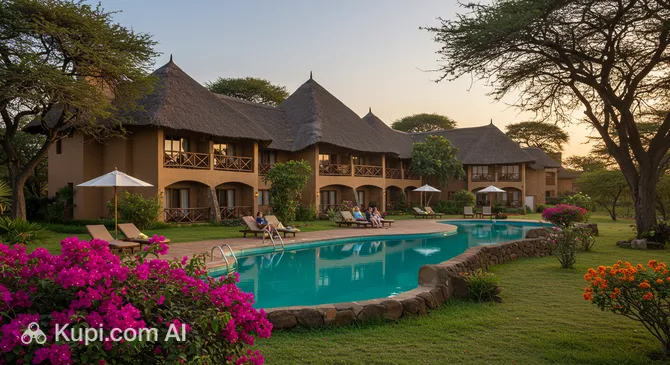
If you are looking for proven options with good service, there are several well-known places to consider. For example, the Merica Hotel is quite popular. This establishment is often chosen for its successful combination of comfort and a convenient location, making it an excellent base for exploring the city.
Merica Hotel. Illustration.
Source: Kupi.com AI
Traveler photos:
Another worthy option for those who value coziness and the chance to relax after a busy day is the Woodlands Hotel and Spa Nakuru. Such resort-style hotels often offer guests additional services, including swimming pools and spa treatments, which are especially pleasant after a dusty safari.
The price range in Nakuru varies from budget options (from 15-20 dollars per night) to premium lodges, where the cost can exceed several hundred dollars. It is recommended to book accommodation in advance, especially if your trip coincides with peak tourist seasons (July-October and the Christmas holidays) when demand increases significantly. Most hotels and guesthouses are listed on major international booking platforms, but in some cases, you can book a room directly through the hotel's website or by phone.
Nearby Cities
For those looking to explore the surrounding area, Nakuru serves as an excellent starting point for day trips to several interesting nearby locations:
City
Population
Distance
Ol Kalou
40 000
33 km
Molo
156 732
39 km
Eldama Ravine
17 581
55 km
Naivasha
14 563
60 km
Rumuruti
31 649
81 km
Among the accessible destinations, Eldoret stands out, located just a few hours' drive away. This city is known worldwide as the "Home of Champions," as it is here in the highlands that many legendary Kenyan runners train. A visit to Eldoret will allow you to feel the nation's sporting spirit and see a dynamically developing regional center surrounded by picturesque farms.
Much closer is the town of Molo, which can be reached in less than an hour. This place is famous for its cool climate and fertile lands. A trip to Molo is a chance to see the "green heart" of Kenya, where potatoes and other crops are grown, and to enjoy the tranquility of provincial life far from the tourist crowds.
These nearby destinations provide a glimpse into the diverse culture and landscapes of the region.
Shopping & Souvenirs
Shopping in Nakuru is a colorful mix of modern shopping complexes and bustling traditional markets. The city is actively developing, so you can find both brand-name stores and supermarkets familiar to European tourists, as well as authentic artisan shops. While Nakuru doesn't claim to be a fashion capital, it's easy to buy everything you need for your trip here, as well as unique African souvenirs at prices that are often lower than in Nairobi or on the coast.
The city's main commercial artery is Kenyatta Avenue. Numerous electronics stores, clothing boutiques, pharmacies, and bookstores are concentrated along this busy street and its adjacent blocks. A walk through the city center allows you to immerse yourself in the atmosphere of local trade, where modern storefronts stand side-by-side with street vendors.
For those who prefer comfortable European-style shopping, several large shopping centers operate in the city. One of the most popular spots is Westside Mall. It houses a large supermarket, a food court, and many boutiques selling clothes, shoes, and accessories. It's a great location to take a break from the heat and purchase quality goods.
Westside Mall. Illustration.
Source: Kupi.com AI
Traveler photos:
Another important point on the shopper's map is the Golden Life Mall Nakuru. This is a modern building with a wide range of shops and entertainment areas. In such centers, you can often find flagship stores of Kenyan brands offering high-quality leather and textile products.
However, the true spirit of Africa lives in the markets. Be sure to visit the Nakuru Main Market. It is a huge space filled with piles of fresh tropical fruits, vegetables, and spices. You can also find rows of second-hand clothing ("mitumba"), where with some patience, you can discover unique vintage items. For souvenirs, it's better to look for specialized "Curio shops," which are often located near tourist sites or major hotels.
As souvenirs from Nakuru, it's worth bringing home famous Kenyan tea or coffee (best bought in supermarkets under brands like Dormans or Kenya Gold), bright "kanga" and "kikoi" fabrics, and traditional Maasai blankets—shukas. Soapstone carvings, wooden figurines, and handmade bead jewelry are also popular.
Shops in malls are usually open from 9:00 AM to 8:00 PM or 9:00 PM daily. Markets start early in the morning at sunrise and close by sunset. Major supermarkets and malls accept bank cards (Visa, Mastercard), but in small shops and markets, cash is king. The most popular method of cashless payment in the country is the mobile system M-Pesa, which is used even by street vendors.
A Tax-Free system (VAT refund) exists in Kenya, but for the average tourist in Nakuru, it is rarely applicable. The refund procedure is complex and mainly available at international airports for expensive purchases made in specialized stores. Therefore, when shopping in the city, you should assume the listed price is final (though bargaining is expected at markets).