Support

Lao Textile Museum

About

Tucked away from the noise of the central streets of Vientiane, the wonderful Lao Textile Museum is a true oasis of silence and traditional culture. It is the first private museum in Laos, established by the Sisane family of enthusiasts in 2003 to preserve the unique heritage of weaving mastery.
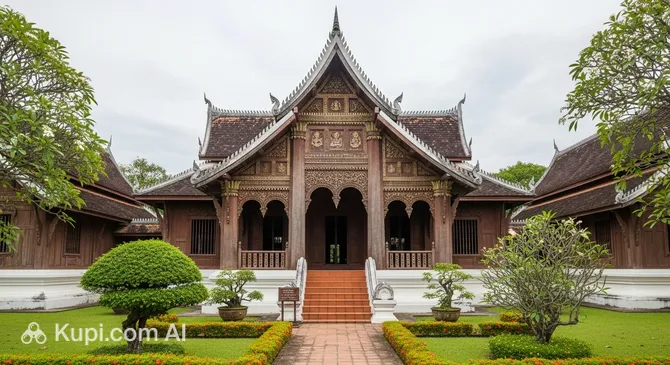
Lao Textile Museum
Lao Textile Museum. Иллюстрация. Источник: Kupi.com AI

The museum's exhibition is housed in a picturesque garden within a complex of authentic wooden houses, which are examples of ancient architecture in their own right. There are no typical boring signs here—guests are greeted by members of the owners' family, who lead engaging and informative tours, telling the story of every thread and the secrets of the craft passed down through generations.

The crown jewel of the collection is the antique silk fabrics from various ethnic groups, adorned with incredibly complex patterns. Visitors can see rare pieces made using the ikat technique, where the pattern is created by dyeing the threads before the weaving process even begins. This site combines a museum, a working high-quality silk production facility, and a cozy cultural center.

Contacts

To plan your visit and receive the latest information, we have prepared detailed contact details for the institution. You can contact the museum representatives directly by phone or email, as well as through their official social media pages.

For more convenient tour arrangements, you can also contact the Kanchana boutique, located in the city center, which serves as the primary point for booking tours.

How to contactContact
AddressBan Nongtha-tai, Chanthabouly District, Vientiane, Лаос
Phone+856 20 59 596 416
Websitewww.facebook.com

What to Do

The highlight of your visit will be the opportunity to witness the live process of creating masterpieces. You can observe experienced weavers working on antique looms and see how complex ornaments are born from simple threads. The demonstration of the natural dyeing process is of particular interest: masters will show how deep and lasting colors are created using bark, indigo leaves, and fruits.

While examining the costumes and fabrics of different ethnic groups, pay attention to the symbols in the patterns. You will often see images of elephants, tigers, and deer, each carrying its own sacred meaning and reflecting the Lao people's connection with nature and their ancient beliefs. Guides are happy to share stories of how textiles accompanied people from birth to old age.

After immersing yourself in ethnography, be sure to take a stroll through the well-kept tropical garden surrounding the traditional wooden buildings. At the end of your visit, stop by the gift shop, where you can purchase products made from 100% silk of the highest quality. To make your trip as comfortable as possible, it is recommended to arrange a transfer in advance through the Kanchana boutique in the city center.

Getting There

Finding this cultural treasure is not so simple, as it is located in the quiet village of Ban Nongtha Tai (Chanthabouly District) on the outskirts of the city. The journey from the central part of Vientiane usually takes about 20 minutes by car.

The most convenient and reliable way to get there is by pre-booking a visit through the Kanchana textile boutique in the center. In this case, a transfer by traditional tuk-tuk is organized for tourists, with pick-up from their hotel or the shop, eliminating the need to navigate the maze of village streets on your own.

If you prefer independent travel, you can use a taxi service or negotiate with a local tuk-tuk driver directly. The trip cost usually ranges between 30,000–50,000 kip. Public transport in this direction is limited, so a taxi remains the most comfortable option for international guests.

Ближайший город: Vientiane

History & Facts

Laos has been famous for its silk art for centuries. Local fabrics are valued worldwide for their incredible complexity, exquisite beauty, and fine handwork. Each piece is not just a garment but a reflection of the spiritual beliefs, lifestyle, and natural environment of the ethnic groups that created it.

The Lao Textile Museum itself holds a unique status as the country's first private institution of its kind, opened in 2003. It was founded by sisters from the Sisane family on their own land. Initially, the project was intended as a way to preserve vanishing traditions and help women from rural communities develop their skills while maintaining the cultural authenticity of Laos.

There are about 50 ethnic groups in the country, and textiles serve as a key to understanding each of them. The museum's exhibition clearly demonstrates the evolution of the craft: from ancient weaving techniques like the complex ikat (Mat Mi) method to modern high-quality silk production. It houses rare antique specimens that were once used in daily life and sacred rituals.

Special attention in the museum's history is given to the preservation of natural dyeing methods. Before the advent of commercial dyes, artisans used only what nature provided: tree bark, roots, fruits, and leaves. The museum carefully preserves this knowledge, passing it on to new generations of weavers and introducing it to travelers from around the world.

Time Needed

To fully enjoy the atmosphere of this place and explore all the details at a leisurely pace, the average visitor is recommended to set aside 1.5 to 2 hours. This is quite enough time for a guided tour, observing the masters at work, and strolling through the grounds of the complex.

Your visit will likely turn into a small adventure: from exploring antique houses to choosing souvenirs at the local boutique. If you plan to participate in extended demonstrations or study silk dyeing techniques in detail, it is worth allowing a bit more time for relaxed conversation with the guides from the owner's family.

Working Hours

The museum welcomes guests daily, providing an opportunity to explore the culture of weaving any day of the week. The doors of the complex are open to visitors from 09:00 to 16:00 without a lunch break.

Since this is private property, the schedule may occasionally change due to special events or holidays. Before your trip, it is recommended to check the official website or social media page to confirm the current working hours.

09:00–16:00

Nearby

The outskirts of the capital hide many interesting places that can complement your trip. A visit to the textile museum pairs perfectly with exploring historical monuments and modern entertainment areas located within a radius of a few kilometers.

A stroll through the surroundings will allow you to feel the city's atmosphere more deeply, moving from quiet craft workshops to majestic Buddhist temples and the lively Mekong riverfront.

NameDistance
Patuxay Park3.2 km
Pha That Luang3.4 km
Patuxay (Victory Monument)3.4 km
Go Dunk3.6 km
That Dam Stupa3.9 km
Pizza da Roby4 km
Moonlight Lounge Namphou4.1 km

Reached the end of the page?

That means the route is fully explored