Support

Wat Ong Teu Temple

About

In the heart of the capital of Laos, the city of Vientiane, stands one of the country's most revered shrines — Vat Ong Teu Mahawihan. This majestic temple complex, also known as the "Temple of the Heavy Buddha," is considered not only an outstanding architectural monument but also a vital national center for Buddhist education. Monks from all corners of the country gather here for the deep study of sacred texts and spiritual practices.
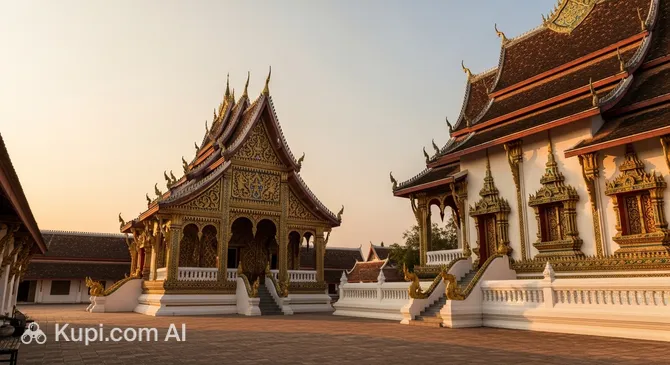
Wat Ong Teu Mahawihan
Wat Ong Teu Mahawihan. Иллюстрация. Источник: Kupi.com AI

The temple's name is derived from the colossal bronze statue of Phra Ong Teu. It is the largest image of Buddha in the city, dominating the interior of the main hall. The figure is captured in the Bhumisparsha Mudra (touching the earth) pose, symbolizing the moment of enlightenment and steadfastness against earthly temptations.

The visual appearance of Vat Ong Teu is impressively colorful: massive red brick walls are decorated with bright yellow details, while the multi-tiered curved roofs, typical of Lao architecture, lend elegance to the structure. A visit here allows you not only to see a historical masterpiece but also to experience the living tradition of the Lao faith in an atmosphere of profound tranquility.

Contacts

For more information about visiting or upcoming religious festivals at Vat Ong Teu Mahawihan, you can use the following contact details.

How to contactContact
AddressXJ83+6HF, Вьентьян, Лаос

What to Do

A visit to Vat Ong Teu Mahawihan is primarily an opportunity to immerse yourself in the contemplative atmosphere of Lao Buddhism. Once inside the main hall, be sure to spend a few minutes at the base of the massive Heavy Buddha statue. It is customary to meditate here or simply observe as believers perform traditional rituals and offerings.

Art and architecture lovers should pay attention to the vibrant wall frescoes and intricate wooden ornaments decorating the interiors. Don't forget to walk around the entire complex: see the ornate bell tower, the tall drum tower, and the sacred stupas. You can often see young monks studying or doing chores, which provides a glimpse into the everyday life of the monastery.

You can join the daily prayers, which fill the temple space with a unique sound. Remember the dress code: shoulders and knees must be covered for entry. Thanks to its convenient location, Vat Ong Teu fits perfectly into a walking route through the center of Vientiane, serving as a quiet oasis in the middle of the city bustle.

Getting There

Getting to this spiritual center is easy, as Vat Ong Teu Mahawihan is located in the very heart of the city. If you are staying in central areas, for example, near the Mekong River embankment or the Patuxay Victory Monument, a pleasant walk will take no more than 15–20 minutes.

For faster travel around the city, traditional tuk-tuks or songthaew shared taxis are ideal. A trip from the center will cost approximately 10,000–20,000 kip. You can also use taxi services or book a car via the Grab app — the journey from key tourist spots will take just a couple of minutes. If you prefer total freedom of movement, renting a bicycle or a scooter is an excellent solution for navigating the capital's flat streets.

For tourists arriving from Wattay International Airport (located 10 km away), it is most convenient to take a taxi, which will get you to the temple in about 30 minutes. Bus No. 14 also runs regularly towards the center. The temple is very easy to include in a self-guided walking tour of the capital's main shrines.

Ближайший город: Vientiane

History & Facts

The history of Vat Ong Teu Mahawihan dates back to the mid-16th century when King Setthathirath I founded this temple during a true "Golden Age" of Buddhism in Laos. There are suggestions that the complex was built on the foundations of an even older sanctuary dating back to the 3rd century BC, which gives the site special sacred value.

In the 17th century, under the ruler Souligna Vongsa, the monastery gained the status of a major Buddhist educational center. It was a place of exceptional importance: this was where the local nobility took a solemn oath of allegiance to the monarch. Although the temple suffered from historical turbulence and destruction over the centuries, it was carefully restored in the 20th century, preserving the features of traditional architecture.

The temple's main pride — the massive bronze statue of the Heavy Buddha — is shrouded in legends. It is said that invaders who plundered the city in past centuries were unable to remove it from the monastery grounds only because of its colossal weight. Today, the temple continues to fulfill its historical mission, remaining a leading institution of the Theravada school and home to hundreds of young monks.

Time Needed

To leisurely explore Vat Ong Teu Mahawihan and feel its peaceful atmosphere, 30 to 60 minutes is usually enough. This time will suffice to admire the central Buddha statue, study the masterfully crafted frescoes, and stroll through the well-kept temple grounds.

If you plan to attend the daily prayers or wish to spend time in meditation, you should set aside a little more than an hour for your visit. As the temple is an active educational center, simply observing the daily life and studies of the monks can be a valuable cultural experience that requires unhurried contemplation.

Working Hours

Vat Ong Teu Mahawihan temple welcomes visitors daily from 05:00 to 21:45. This wide time range allows you to choose the most comfortable time for your visit: early morning offers a chance to witness the morning prayers, while the evening hours provide a special silence and soft light for photography.

As the temple is an active religious and educational institution, the schedule may change slightly during major Buddhist holidays. We recommend checking for updated information on official resources or with local guides before your trip.

05:00–21:45

Nearby

Exploring the surroundings of Vat Ong Teu Mahawihan allows you to dive deeper into the atmosphere of the Lao capital. Since the temple is located in the historical center, key monuments, parks, and interesting modern sites are within walking distance.

A stroll through the nearby streets will offer views of majestic statues of great rulers and cozy embankments where life hums until late in the evening. Below is a list of interesting places you can visit before or after your temple visit:

NameDistance
525 Eat & Drink0.2 km
Tyson Kitchen0.2 km
TravelLao (Dongbae House)0.3 km
Moonlight Lounge Namphou0.5 km
Pizza da Roby0.5 km
Chao Anouvong Park0.6 km
Go Dunk0.8 km

Reached the end of the page?

That means the route is fully explored