Support

Vang Vieng

About

Vang Vieng is a true oasis for nature lovers and adventure seekers, picturesquely stretching along the banks of the Nam Song River amidst majestic limestone mountains. This charming town is located in the heart of Laos, roughly halfway between the country's two main tourist hubs—Vientiane and Luang Prabang. It is perfectly designed for making a stop, catching your breath, and soaking in the peaceful atmosphere.

With a population of about 25,000 people, Vang Vieng retains the cozy and friendly feel of a small town, where each new day begins with the smiles of locals and a light morning mist shrouding the river. Despite its modest size, the town is well-adapted to travelers' needs: here you will find plenty of welcoming cafes, guesthouses, hostels, and restaurants for every taste and budget.
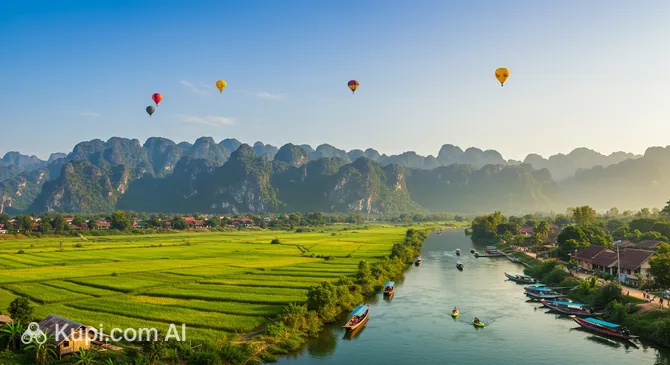
Vang Vieng. Illustration.
Source: Kupi.com AI

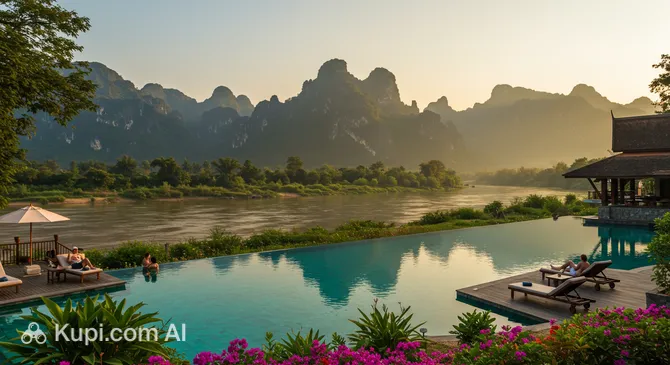
The main highlight of Vang Vieng is its unique atmosphere. Time seems to slow down here, and all daily worries dissolve into the splendor of the surrounding mountain landscapes. It is a place where you want to walk barefoot on the soft grass, refresh yourself in cool turquoise lagoons, explore the surroundings by bicycle along village paths, or simply watch the sunsets reflect in the mirror-like surface of the Nam Song River in a meditative state.

Vang Vieng offers a unique combination of active recreation and total relaxation. Popular activities include kayaking down the river, exploring numerous caves hidden in the karst cliffs, and, of course, the famous tubing. If you are looking for a place for rest, adventure, and inspiration, Vang Vieng will undoubtedly meet your expectations and provide an unforgettable experience.

You can find more interesting facts on the Vang Vieng city history page.
Weather Overview

In Vang Vieng, the climate is tropical monsoon, with distinct wet and dry seasons. You can expect a hot and very humid summer, which lasts roughly from May to October. During this period, average temperatures hover around 25-26°C (maxima can reach 28-31°C), and the peak of precipitation, with a high number of rainy days, occurs in June, July, and August. Winter, from November to February, brings cooler and drier weather. The average temperature at this time is about 20-22°C (minimum temperatures can drop to 14-15°C), and rain is rare. March and April are transitional months when temperatures gradually rise and rainfall increases before the onset of the wet season. For a detailed forecast and seasonal information, visit the Vang Vieng Climate page.

Average monthly temperature

Average monthly precipitation

Interesting Facts

In addition to the breathtaking landscapes and outdoor activities that Vang Vieng is famous for, this amazing corner of Laos holds many curious stories and features. Here are just a few interesting facts that will help you see the town in a new light:

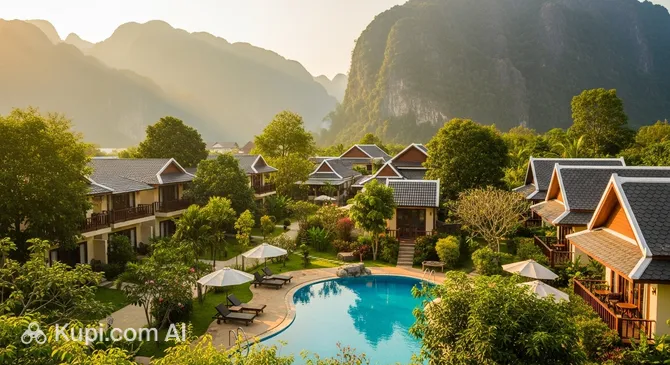
Vang Vieng Resort. Illustration.
Source: Kupi.com AI

Traveler photos:

  • Did you know that the surroundings of Vang Vieng are literally riddled with caves? There are more than 70 of them here! The most famous ones, such as Phu Kham and Tham Chang, hide underground rivers, bizarre stalactites, and even ancient Buddhist shrines in their depths.

  • Vang Vieng is rightfully considered the birthplace of the famous river tubing. Floating down the Nam Song River on large inner tubes has become a true hallmark of the town, attracting thousands of adventure seekers from all over the world every year.

  • For many years, Vang Vieng was a real Mecca for backpackers. Travelers were drawn not only by the incredible nature but also by the unique atmosphere of freedom, musical parties on the riverbank, and the opportunity to meet people from all corners of the planet.

  • Locals believe in an ancient legend about mountain spirits who are said to protect Vang Vieng and its inhabitants from misfortune. In some caves, special rituals are still performed and offerings are left in their honor, adding a mystical charm to the place.

How to Get There

Vang Vieng, a picturesque town in Laos, is conveniently located between Vientiane and Luang Prabang, making it accessible to travelers in various ways. Although Vang Vieng itself does not have its own airport, you can get here via several regional and international air hubs, as well as by land transport.

The main international airport for arriving in Laos followed by a trip to Vang Vieng is often Wattay International Airport (VTE), located in the capital, Vientiane. This major airport is about 107 km from Vang Vieng, and a taxi or bus ride from there takes about 3 hours. Another popular option is Luang Prabang International Airport (LPQ), serving the city of the same name. The distance to Vang Vieng from here is about 109 km, which also means approximately 3 hours by land transport. For those arriving from Thailand or considering such a route, Udon Thani International Airport (UTH) in Udon Thani, Thailand, is an option. It is about 177 km from Vang Vieng, but keep in mind that a border crossing is required, which will add time to the total journey, potentially taking over 4-5 hours.

For clarity, here is a summary of the main airports through which you can reach Vang Vieng:

AirportPassenger trafficDistance
Xieng Khouang Airport70 00094 km
Wattay International Airport2.3 mln107 km
Luang Prabang International Airport1.2 mln109 km
Nan Airport407 145176 km
Udon Thani International Airport1.9 mln177 km

Besides flying to nearby cities, one of the most popular and budget-friendly ways to get to Vang Vieng is by bus. Regular buses and minivans run from Vientiane and Luang Prabang. The trip from Vientiane usually takes 3-4 hours, and from Luang Prabang, it takes about 4-5 hours, depending on the type of bus and road conditions. This is a great way to enjoy views of the Lao countryside along the way.

In recent years, transport accessibility to Vang Vieng has significantly improved thanks to the launch of a modern railway line connecting China and Laos. Vang Vieng now has its own railway station, making travel from Vientiane (about 1 hour) or Luang Prabang (about 1-1.5 hours) fast and comfortable. This has become the preferred option for many tourists who value speed and convenience.

Main Attractions

Vang Vieng, famous for its breathtaking karst landscapes and outdoor activities, offers tourists not only natural beauty but also a variety of places for relaxation and entertainment. After a full day of exploration, you will find cozy establishments here where you can enjoy a delicious meal and a pleasant evening.

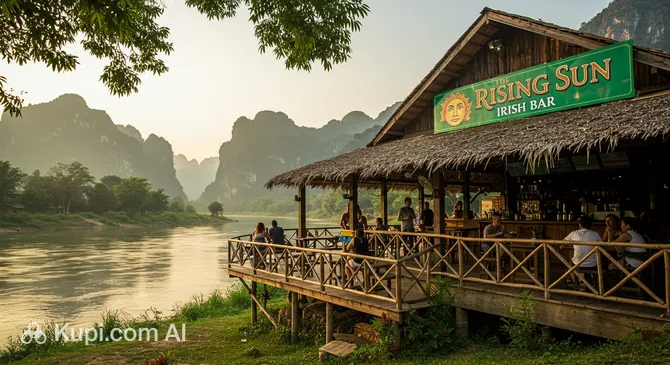
One of the popular spots for meeting and dining is the Rising Sun Irish Bar. This establishment attracts guests with its laid-back atmosphere, wide selection of drinks, and hearty dishes. Here you can not only enjoy classic pub food but also meet fellow travelers from all over the world, sharing impressions and plans for further adventures in Laos.

The Rising Sun Irish Bar. Illustration.
Source: Kupi.com AI

Traveler photos:

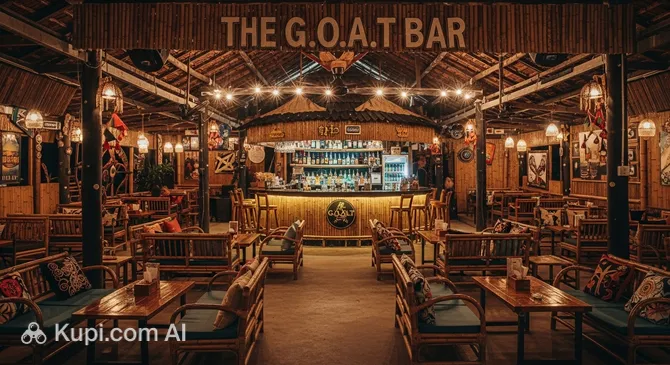
If you are looking for a place with a lively nightlife, check out the G.O.A.T Bar. This bar is known for its energetic music, diverse cocktails, and friendly crowd. It is perfect for those who want to dance and have a great time after sunset, immersing themselves in the atmosphere of night-time Vang Vieng.

The G.O.A.T Bar. Illustration.
Source: Kupi.com AI

Traveler photos:

For those who prefer a comfortable stay and quality service, Vang Vieng Resort can be an excellent choice. This resort hotel offers cozy rooms and various amenities, allowing guests to relax and recharge. Often, such resorts feature beautiful grounds and can serve as a great base for exploring the town's surroundings and its natural wonders.

Vang Vieng Resort. Illustration.
Source: Kupi.com AI

Traveler photos:

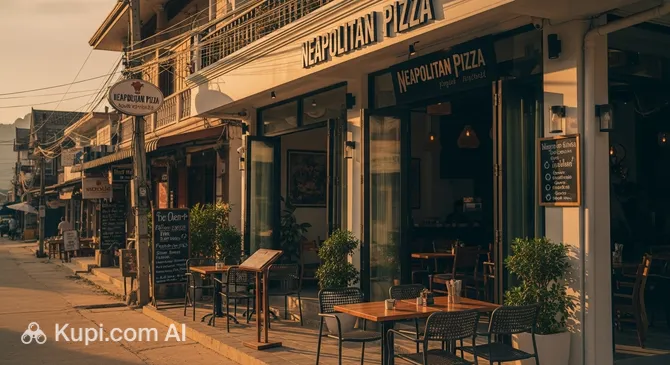
When you crave something familiar and home-cooked, you can stop by the Neapolitan Pizza restaurant. As the name suggests, they prepare authentic Italian pizza, which can be a pleasant gastronomic change during your trip through Southeast Asia. This place is valued for its quality ingredients and authentic taste.

Neapolitan Pizza. Illustration.
Source: Kupi.com AI

Traveler photos:

These and other establishments help make a stay in Vang Vieng even more comfortable and memorable, complementing the impressions of the incredible nature in this corner of Laos.

Local Cuisine

The cuisine of Vang Vieng is a vibrant reflection of its cosmopolitan spirit, where authentic Lao dishes harmoniously coexist with international treats. However, the true taste of the town is revealed through dishes prepared with the freshest local products: aromatic rice, juicy vegetables, river fish, and fragrant spices. Vang Vieng's culinary scene attracts tourists with the opportunity to dive into a world of exotic flavors and enjoy food in a relaxed atmosphere, whether at a bustling street market or a cozy cafe overlooking the mountains.

Be sure to try "laap"—a traditional spicy salad made of finely chopped meat (chicken, beef, duck, or fish), generously seasoned with fresh herbs, lime juice, and toasted ground rice. This dish, with its complex sour-spicy flavor, is considered one of the symbols of Lao cuisine. Another iconic dish is sticky rice noodles ("khao piak sen"), often served in a fragrant broth with pieces of chicken or pork, vegetables, and herbs. Don't miss the chance to taste fresh fish caught in local rivers and grilled right before your eyes—it's a simple but incredibly delicious treat.

Street food is an integral part of the gastronomic experience in Vang Vieng. At numerous stalls and evening markets, you will find crispy banana pancakes ("roti"), refreshing fruit smoothies and shakes, fried spring rolls, and various skewers. This is a wonderful opportunity to grab a snack while walking or after an active day filled with adventure. Local markets also abound with exotic fruits and spicy soups, offering a true gastronomic journey.

Among the local drinks, the refreshing chilled coconut juice straight from the nut stands out, perfectly quenching thirst on a hot day. Local rice beer ("Lao-Lao beer") is also popular, as is the stronger rice vodka "Lao-Lao." In some village cafes, you may be offered herbal infusions, which locals consider an elixir of vigor and health.

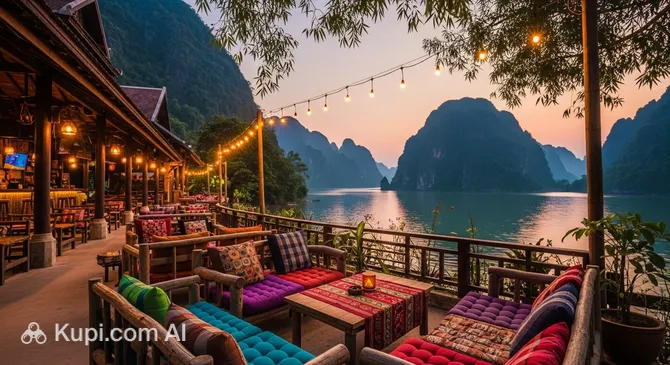
Beats & Bites. Illustration.
Source: Kupi.com AI

Traveler photos:

The food culture in Vang Vieng is diverse. Locals often prefer to eat in small family-run cafes or at street markets, where food is prepared quickly and is inexpensive. Tourists also enjoy exploring street food, but the town also has many restaurants offering traditional Lao, European, Thai, and other cuisines. For example, if you want something familiar, you can visit the Rising Sun Irish Bar, which offers international dishes, or spend an evening at Beats & Bytes. However, for a full immersion into the local flavor, it is strongly recommended to try dishes in authentic Lao establishments and markets.

Travel Tips

Welcome to Vang Vieng! This charming corner of Laos is famous for its karst mountains, emerald rivers, and relaxed atmosphere. To ensure your trip is as comfortable as possible and leaves only pleasant impressions, we have prepared some practical tips.

  1. Clothing and Essentials:

    The climate in Vang Vieng is tropical, so choose light, breathable clothing made from natural fabrics (cotton, linen). The rainy season lasts from May to October—a light raincoat or umbrella will come in handy. From November to April is the dry season; evenings can be cool, so bring a sweater or a light jacket. Be sure to bring comfortable shoes for walking and activities (sneakers or trekking sandals for exploring caves and surroundings), swimwear, sunscreen, a hat, and repellent. For visiting temples, choose clothing that covers shoulders and knees. Don't forget a universal adapter for electronics (Laos uses outlet types A, B, C, E, and F).

  2. Local Transport:

    Vang Vieng is a small town, and its central part is easily explored on foot. For exploring the surroundings, caves, and lagoons, renting bicycles or scooters (motorbikes) is very popular. It's inexpensive and gives you freedom of movement. Ensure you have scooter driving experience and a valid international driving permit of the appropriate category. Tuk-tuks are also common—a convenient option for short trips or if you are traveling in a group; agree on the price in advance. There is practically no public transport in the form of city buses, but there are intercity buses connecting Vang Vieng with other cities in Laos.

  3. Finances:

    The local currency is the Lao kip (LAK). Although Thai Baht or US Dollars may be accepted in tourist spots, it is more profitable to pay in Kip. You can exchange currency at banks or exchange offices. Credit cards are accepted mainly in large hotels and some restaurants, so always have enough cash with you, especially for markets, small shops, and activities. ATMs are available in Vang Vieng, but they may charge a fee and have withdrawal limits. Approximate daily budget: from 20-40 USD for a budget traveler to 50-100 USD for a more comfortable stay. Tipping in Laos is not mandatory but always welcome for good service.

  4. Health and Safety:

    There are pharmacies in Vang Vieng with basic medications, but if you need specific drugs, it's better to bring them with you. Medical care is represented by small clinics; serious cases may require a trip to Vientiane. Travel insurance is highly recommended. The town is generally safe, but beware of petty theft—keep an eye on your belongings. When participating in activities (tubing, kayaking, cave exploration), choose reputable operators and follow safety guidelines. Drink only bottled water.

  5. Communication:

    The official language is Lao. In tourist areas (hotels, restaurants, travel agencies), many people speak English. Learn a few basic phrases in Lao, such as: "Sabaidee" (Hello/Goodbye), "Khop chai" (Thank you), "Tao dai?" (How much does it cost?). This is always appreciated by locals. You can buy a local SIM card with internet access upon arrival or in shops around town; it's inexpensive and convenient. Wi-Fi is available in most hotels, guesthouses, and cafes, but speeds can be inconsistent.

  6. Local Etiquette:

    Lao people are very friendly and polite. The traditional greeting is the "nop" (palms pressed together at chest level). It's important to show respect for the local culture: dress modestly outside of tourist areas and when visiting temples (covered shoulders and knees). Remove your shoes before entering temples and private homes. Do not touch the heads of locals (the head is considered a sacred part of the body) and do not point at people or sacred images with your feet (feet are considered a "low" part of the body). Avoid public displays of affection.

  7. What to Avoid:

    Laos has very strict drug laws. Refrain from buying, possessing, or using any prohibited substances—this can lead to serious consequences, including long-term imprisonment. Also, never show disrespect to images of Buddha or monks. It is customary to give way to monks, and women should not touch them.

  8. Extra Tip – The Magic of the Nam Song River:

    The Nam Song River is the heart of Vang Vieng. Don't miss the chance to enjoy its beauty: go kayaking, try the famous tubing (choose safe sections and operators), or just sit on the bank in one of the many cafes, admiring the sunset over the karst peaks. It is truly an unforgettable sight! Also, a waterproof case for your phone and money will be very useful, as many activities involve water.

Vang Vieng is a place where nature and adventure create a unique atmosphere. We hope these tips help you plan the perfect trip and get the most enjoyment out of your stay in this amazing corner of Laos!

Entertainment & Nightlife

Vang Vieng, once known for its wild and slightly crazy party scene, today offers a calmer yet still vibrant nightlife that attracts travelers from all over the world. Most of the evening entertainment is concentrated on the town's central streets and at establishments along the Nam Song River, which offer picturesque views of the sunset over the karst mountains.

The atmosphere in most of Vang Vieng's bars and restaurants is very relaxed and informal. There is no strict dress code, and the crowd mostly consists of backpackers and travelers seeking pleasant conversation and rest after a busy day. Many places offer comfortable lounge areas, music ranging from reggae to modern hits, and, of course, the famous "bucket" cocktails, though their popularity and availability can vary. The evening usually starts with sunset drinks, and towards the night, some bars transform into small dance floors. Most establishments operate until midnight or 1:00 AM.

Among the popular spots for evening relaxation, several establishments stand out. For instance, Beats & Bytes is known for its friendly atmosphere and good selection of drinks. Another place worth visiting is the G.O.A.T Bar, which offers pleasant music and the chance to socialize with other travelers. If you are looking for a place with a more traditional pub atmosphere and hearty food, the Rising Sun Irish Bar can be an excellent choice.

In addition to bars, you can stroll through the small night market in Vang Vieng during the evening, where souvenirs, clothing, and local street food are sold. It’s a great place to grab a snack and experience the local flavor. Prices in bars and at the market are generally affordable. You can get around the central part of town at night on foot, as it is quite compact. For longer trips, tuk-tuks are available; it is best to agree on the fare in advance.

Regarding safety, Vang Vieng is considered a relatively safe city for tourists. However, as with everywhere, you should take basic precautions: keep an eye on your belongings and avoid walking alone on poorly lit streets late at night. Calling a taxi (tuk-tuk) is usually easy, as they are plentiful in tourist zones.

During the day, Vang Vieng offers completely different entertainment. While it may not have large theaters, traditional museums, or major amusement parks like big cities, the town is famous for its natural beauty and outdoor activities. These include the famous river tubing, cave exploration, swimming in blue lagoons, and sunrise hot air balloon flights. Active recreation during the day perfectly complements the relaxed atmosphere of evening Vang Vieng.

Parks & Museums

Vang Vieng primarily captivates travelers with its breathtaking natural landscapes, which serve as its main "green zones," while the city's cultural heritage is woven into everyday life and the surrounding nature rather than being presented in numerous traditional museums.

Although Vang Vieng has no formal city parks in the traditional sense, its entire surrounding area is a vast natural park. The Nam Song River takes center stage, with picturesque karst mountains stretching alongside it. It is an ideal spot for kayaking, tubing, or simply contemplating the amazing scenery. The Blue Lagoons are incredibly popular, especially Blue Lagoon 1 (near Tham Phu Kham Cave) and Blue Lagoon 3. These natural reservoirs with turquoise water, surrounded by greenery, attract visitors for swimming and relaxing in nature.

The region is also famous for its numerous caves. Among the most well-known are Tham Chang, which offers a beautiful view of the surroundings, and Tham Phu Kham (Tham Poukham), located next to the lagoon of the same name. Exploring these caves is a true adventure and an opportunity to touch the geological history of the region.

Vang Vieng cannot boast a large number of traditional museums or art galleries. However, cultural immersion occurs here through getting to know local traditions and visiting spiritual centers. Several Buddhist temples (wats), such as Wat Kang or Wat Si Souman, are not only active religious sites but also keepers of local history and architectural traditions. They are open to visitors interested in Lao culture.

Besides the temples, the nature of Vang Vieng itself and the surrounding villages tell the story of the place. The karst cliffs, formed over millions of years, are natural monuments. Traditional wooden houses in nearby villages also provide insight into the way of life of the local population, which has been preserved for generations.

For a more authentic experience, head to one of the viewpoints, such as Pha Ngern or Nam Xay, which offer spectacular panoramic views, especially at sunrise or sunset. Another interesting experience is a visit to the Vang Vieng Organic Farm, where you can learn about local agriculture, taste fresh produce, and even participate in farm life. This is a great opportunity to see another side of Vang Vieng, away from the main tourist routes.

Getting Around

Vang Vieng is a small town, and its transport system matches its size and tourist focus. There is no public transport typical of large cities, such as subways, trams, or city bus routes with a fixed schedule. Movement within the town and to nearby attractions is mainly carried out in several ways.

Main types of transport:

The most common way to travel short and medium distances in Vang Vieng and its surroundings is by tuk-tuks and songthaews (pickup trucks equipped with benches in the back). They function as shared taxis or can be hired individually for a trip to a specific attraction, such as the Blue Lagoon or caves. The cost of a trip on a tuk-tuk or songthaew is negotiable, so always confirm the price before starting the trip. Drivers often wait for passengers at popular tourist spots.

Vehicle rental:

A very popular option for independent exploration of the surroundings is renting motorbikes (scooters) or bicycles. There are many rental points in the town. Renting a scooter provides great freedom of movement and allows you to visit remote places. The cost of rental varies but is usually quite affordable. When renting a scooter, be sure to check its technical condition and the availability of a helmet. Bicycles are great for leisurely trips around the town itself and to nearby sites.

Payment system and practical tips:

Payment for tuk-tuks and songthaews is made in cash directly to the driver. As mentioned, bargaining is appropriate and even expected, especially if you are hiring transport for the whole day or for a group. Motorbike and bicycle rental points usually have fixed prices per day or for several hours. Tickets as such do not exist, as there is no centralized public transport system. Most transport services are available during daylight hours; activity decreases in the evening, but finding a tuk-tuk in the center of town is usually possible.

Alternatives:

To get around the central part of Vang Vieng, many tourists prefer walking, as the main guesthouses, cafes, and shops are located compactly. Taxis in the classic sense (passenger cars with meters) are rare and are not a main type of transport. There are no car-sharing services in Vang Vieng.

Overall, Vang Vieng's transport system is simple and tourist-oriented. The main thing is not to hesitate to ask, agree on the price in advance, and choose the mode of travel that is most comfortable for your plans.

Accommodation

Vang Vieng offers travelers a wide range of accommodation options to suit every taste and budget. Here you will find inexpensive guesthouses and hostels popular with backpackers and young people, as well as more comfortable mid-range hotels and picturesque resorts, many of which are located along the Nam Song River, offering stunning views of the karst mountains.

Most tourists prefer to stay in the central part of Vang Vieng, where the main restaurants, cafes, travel agencies, and equipment rentals are concentrated. Accommodation options slightly away from the noisy center are also popular, closer to nature, especially those offering bungalows or rooms with river and mountain views. This allows you to enjoy the silence and beauty of the landscape while remaining within walking distance of basic amenities.

Among the well-established places to stay are, for example, Vang Vieng Resort and Cafetti Garden Resort. These resort hotels offer comfortable rooms and a good level of service, allowing guests to relax after an active day spent exploring the surroundings.

Confetti Garden Resort. Illustration.
Source: Kupi.com AI

Traveler photos:

The price range for housing in Vang Vieng varies from budget to mid-range and above average, depending on the season, type of accommodation, and amenities provided. To guarantee the best option, especially during the peak tourist season (usually from November to March), it is recommended to book accommodation in advance. The most common booking methods are popular international online platforms or directly through hotel websites, if available.

Nearby Cities

For those who want to explore the surrounding areas, Vang Vieng serves as an excellent starting point for exciting day trips. Among the nearby destinations, Phonsavan stands out, known for its mysterious Plain of Jars, and the country's capital, Vientiane, where you can get acquainted with Laos' rich cultural heritage, including iconic sites like the Pha That Luang temple and the Patuxai monument. Below is a table with some options for short trips from Vang Vieng:

CityPopulationDistance
Phonhong49 km
Anouvong63 km
Xayaboury16 20084 km
Phonsavan267 17296 km
Sayaboury70 000105 km

These nearby destinations allow for a deeper dive into the diverse culture and scenic landscapes of the region, complementing the experience of staying in Vang Vieng.

Shopping & Souvenirs

Vang Vieng, known for its stunning karst landscapes and outdoor activities, offers fairly modest but authentic shopping opportunities. The town is not famous for large shopping centers or exclusive boutiques; however, you can find interesting souvenirs, relaxed-style clothing, and essentials for travelers here. The main focus in shopping is on goods that reflect local culture and the region's tourist orientation.

Primary shopping activity is concentrated along several of the town's central streets, where numerous small shops, stalls, and street vendors are located. Here you will find everything from clothing and gear for outdoor activities (e.g., dry bags, hats) to ethnic jewelry and souvenirs. Walking through these streets is itself a part of the local experience.

There are no large modern shopping centers in Vang Vieng in the usual sense. Instead, shopping is represented by many small private shops and market stalls. This creates a more intimate and authentic atmosphere for shopping, where you can haggle and chat with the sellers.

Be sure to visit the local market, which usually comes alive early in the morning. Here you can find fresh fruits, vegetables, local delicacies, as well as handicrafts, textiles, and inexpensive clothing. It's a great place to observe the daily life of the townspeople and purchase something truly unique. Sometimes you can find interesting souvenirs here at lower prices than in tourist shops.

As souvenirs from Vang Vieng and Laos in general, tourists often bring back:

  • Textile products: bright scarves, traditional skirts (sinh), bags with ethnic patterns.
  • Silver items: simple jewelry, often handmade.
  • T-shirts with Laos symbols, images of Vang Vieng nature, or popular local beer.
  • Small woven items: baskets, mats.
  • Locally produced coffee and tea.

Most shops in Vang Vieng are open from about 9:00-10:00 AM to 8:00-9:00 PM, but hours can vary, especially for small family-run stalls. Markets usually start operating early in the morning. The primary method of payment is cash (Lao kip). In some larger tourist-oriented shops and hotels, bank cards may be accepted, but it is always better to have enough local currency with you, especially for purchases at markets and small stalls. Bargaining is common, especially at markets and with street vendors.

The Tax Free system for tourists in Vang Vieng, as in Laos as a whole, is not widely spread and is not standard practice for most goods purchased by tourists.

Reached the end of the page?

That means the route is fully explored