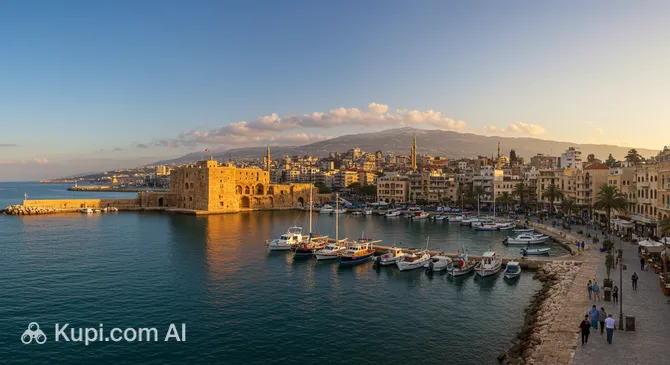
Ancient and welcoming Saida, also known by its ancient name Sidon, is one of the world's oldest continuously inhabited cities, nestled on the picturesque Mediterranean coast of Lebanon. The city is enveloped in an atmosphere of the authentic East, where bustling markets sit alongside monumental landmarks from the Phoenician and medieval eras. Today, Saida is the country's third-largest city and an important administrative center for Southern Lebanon, while still retaining the charm of a cozy seaside hub.
Sidon. Illustration.
Source: Kupi.com AI
The centuries-old history of this place dates back to the 3rd millennium BC, when the Phoenicians established a thriving trade center here. Modern Saida, with a population of about 200,000 (including the metropolitan area), is divided into a historical section with a labyrinth of old quarters and modern districts. The city is famous for its fishing, citrus groves, and its important role in regional logistics as the terminus of the Trans-Arabian Pipeline.
Tourists are drawn to Saida primarily by its unique architectural monuments: the rugged Sea Castle, standing right in the waters of the bay, and the beautifully preserved caravanserais. A stroll through the local souks (markets) allows you to feel the rhythm of everyday Lebanese life without the capital's hustle and bustle. We invite you to visit this city to touch the living history of Phoenicia and enjoy the authentic hospitality of the southern coast.
Weather Overview
Saida enjoys a classic Mediterranean climate, characterized by mild, wet winters and hot, virtually dry summers. The city's seaside location tempers the heat thanks to refreshing sea breezes, making strolls along the port pleasant even in the warmer months. Nevertheless, spring and autumn are considered the most comfortable times to visit, when temperatures are ideal for exploring the ruins.
The summer period, lasting from June to September, features consistently sunny weather with maximum temperatures around 28–30°C. Winter in Saida arrives in December and lasts until February; this is when most precipitation occurs (up to 240 mm in January), and the average temperature stays around 12–15°C. Frost is extremely rare here, so the weather in the city remains favorable for tourism almost year-round.
It is worth considering that due to high humidity by the sea, summer heat can feel more intense, and brief but heavy rains are possible during the winter months. The city's terrain is flat, allowing sea winds to ventilate the streets freely, ensuring good air exchange, although the proximity of the port and busy roads can affect the atmosphere on windless days.
Average monthly temperature
Average monthly precipitation
Interesting Facts
Saida is a city with an incredibly deep history, shrouded in many legends and fascinating facts:
According to biblical tradition, the city was founded by Sidon, the son of Canaan and grandson of Noah, making it one of the oldest settlements on the planet.
Saida is mentioned numerous times in the Bible; it is believed that the Phoenician princess Jezebel, who became a legendary Israeli queen, hailed from here.
During the period of Persian rule (5th–4th centuries BC), Sidon reached such wealth and power that it surpassed all other Phoenician city-states in commercial influence.
In the 19th century, Saida was a site of mass "archaeological looting"—a vast number of priceless artifacts and sarcophagi were taken to the Louvre and the Istanbul Archaeology Museum.
The city is the terminus of the Trans-Arabian Pipeline, over 1,700 kilometers long, which stretches through the deserts all the way from Saudi Arabia.
How to Get There
Saida is conveniently located on Lebanon’s main coastal highway, ensuring excellent transport accessibility. The city is approximately 45 kilometers south of Beirut, and the car journey usually takes about an hour. However, tourists should account for heavy traffic and potential congestion at the city entrance during peak hours, which can increase travel time to an hour and a half. Detailed information about routes can be found in the "How to get to Saida" section.
The city does not have its own airport serving regular passenger flights. Travelers arrive via Beirut International Airport, from where the easiest way to reach Saida is by taxi or intercity buses that run regularly throughout the day. The city is also connected to neighboring Tyre to the south by a similar highway.
Railway service in Lebanon is currently limited, so roads remain the primary mode of travel. Saida's bus stations receive many minivans (known as "services") and buses from all over the country, making the city a major transport hub for Southern Lebanon.
Station
Passenger traffic
Distance
Beirut Railway Station
5
40 km
Beirut Railway Station
5
40 km
Nahariya Railway Station
10
66 km
Karmiel railway station
7
71 km
Ahihud railway station
6
74 km
Main Attractions
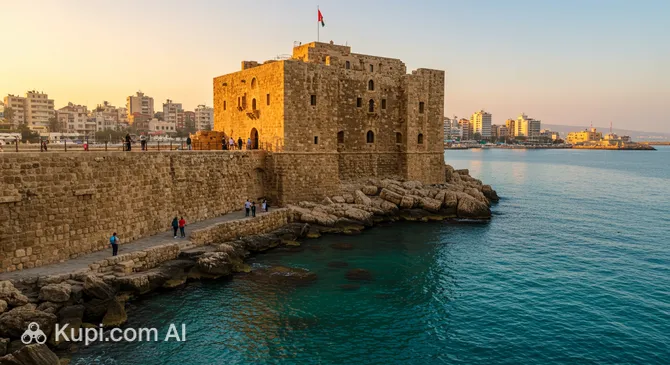
The main symbol and most recognizable landmark of the city is the Sidon Sea Castle. This fortress was built by the Crusaders in the 13th century on a small island connected to the mainland by a narrow stone bridge. Walking along its ancient walls allows you not only to study medieval fortification but also to enjoy a magnificent panoramic view of the port and the old city.
Sidon Sea Castle. Illustration.
Source: Kupi.com AI
Traveler photos:
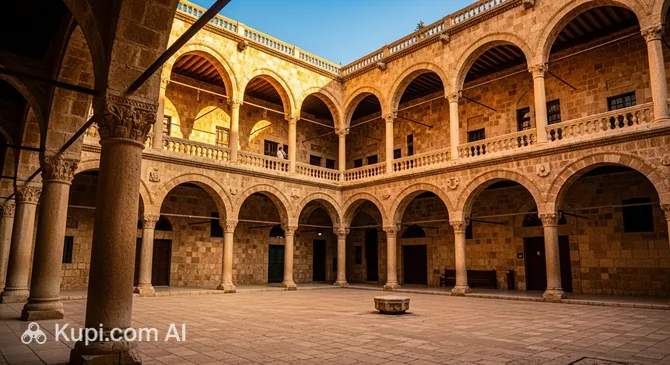
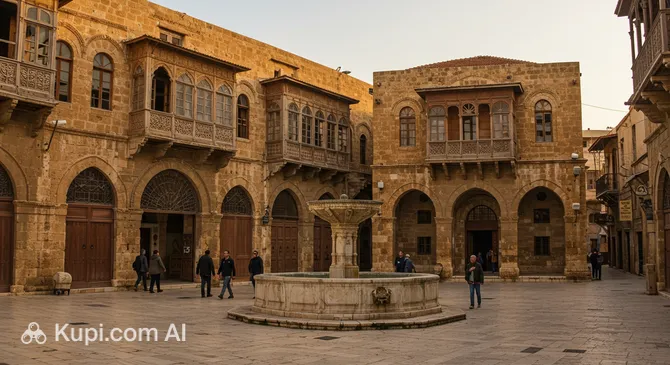
In the heart of the historical quarter lies Khan al-Franj—one of the most beautiful and best-preserved caravanserais in Lebanon. Built by Emir Fakhreddine II in the 17th century for French merchants, it is an impressive building with a spacious courtyard and arcades. Today, it serves as a cultural center where you can feel the spirit of the golden age of Mediterranean trade.
Khan al-Franj. Illustration.
Source: Kupi.com AI
Traveler photos:
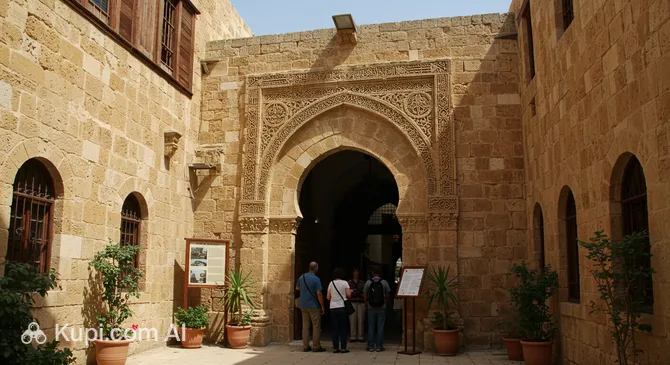
Equally interesting is the unique Soap Museum, located in a restored building of an old soap factory belonging to the Audi family. The exhibition introduces visitors in detail to the traditional methods of making olive oil soap, for which Saida has been famous for centuries. Here, you can not only learn the history of the craft but also purchase fragrant products as souvenirs.
Soap Museum. Illustration.
Source: Kupi.com AI
Traveler photos:
In the vicinity of the city, about 5 kilometers from the center, lies the Temple of Eshmun—an essential Phoenician religious complex dedicated to the god of healing. This site is unique for its carved reliefs and sacred pools, providing insight into the deep spiritual culture of the ancient Phoenicians. Although many artifacts have been moved to major world museums, the scale of the temple ruins still impresses researchers and travelers alike.
Local Cuisine
The gastronomic scene in Saida is a true paradise for fresh seafood lovers. Thanks to the active port, the daily catch is delivered to local restaurants and grilled immediately. Be sure to try the signature fish with local tartour sauce or a delicate tabbouleh with shrimp—the hallmark of the city's seaside cuisine.
In addition to seafood, Saida honors Levantine traditions. Excellent hummus, crispy falafel, and fragrant flatbreads with zaatar are served here. Among meat dishes, kibbeh and traditional meat dumplings are worth noting. Street food culture thrives in the markets, where you can grab a quick, delicious, and very affordable snack while watching the bustle of the stalls.
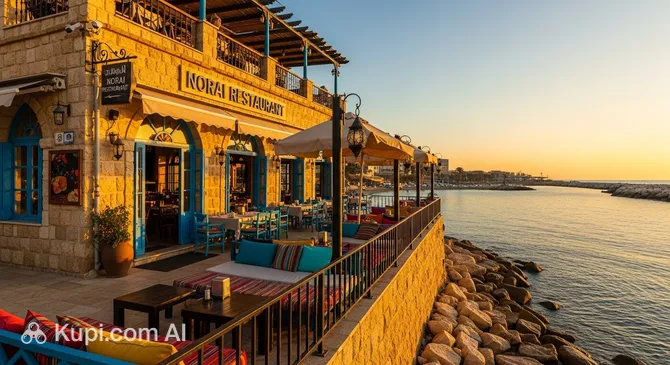
Saida is also famous for its sweets. The local baklava is considered among the best in the region, and numerous confectioneries offer unique desserts based on semolina and cheese. It is customary to wash down all this richness with strong Arabic coffee with cardamom or refreshing ayran. If you are looking for a lunch spot with a nice view, check out La Marsa Garden or visit Noray Restaurant, which serves classic dishes in a cozy setting.
Norai Restaurant. Illustration.
Source: Kupi.com AI
Traveler photos:
Travel Tips
Saida is a fascinating city that rewards the attentive traveler with its sincerity and depth. To ensure your trip is as comfortable as possible, we have prepared a few practical tips.
Clothing and Dress Code: Saida is a city with conservative traditions. Tourists are advised to choose modest clothing that covers the shoulders and knees, especially when visiting the old city and mosques. Comfortable flat-soled shoes are essential for walking through castles and markets.
Transport: Moving between cities is most convenient by taxi or buses from Beirut. Inside the city, it is better to walk or use taxi services. Be aware that traffic jams at the city entrance are common.
Finances: Use the local currency (Lebanese pound), although US dollars are also widely accepted. In small shops and markets, it is better to have small denominations of cash with you. Cards are accepted in large malls and hotels.
Health: Do not drink tap water—always buy bottled water. There are plenty of pharmacies in the city, but it is better to bring specific medications with you.
Communication: The main language is Arabic, but many residents, especially young people and those in the tourism sector, understand English and French. Learning a few basic phrases in Arabic is highly appreciated by locals.
Local Etiquette: Lebanese people are extremely hospitable. Greet people politely and don't be afraid to engage in short conversations. In conservative areas, avoid public displays of affection.
What to Avoid: Do not take photos of military sites, government buildings, or checkpoints. It is also not advisable to enter remote, densely built residential areas late at night without an escort.
Extra Tip: Try to visit Khan al-Franj in the morning, when the light hits the arcades most beautifully, creating perfect conditions for photography.
Following these simple rules will help you feel like a welcome guest in Saida and discover all the secrets of this ancient Phoenician port.
Entertainment & Nightlife
Entertainment in Saida is of a quiet and traditional nature, reflecting the city's relatively conservative atmosphere. You won't find noisy nightclubs or large bars with loud music here—local residents and tourists usually head to Beirut, just an hour's drive away, for active nightlife. Nonetheless, Saida in the evening has its own special charm.
The center of evening life is the waterfront and the port area, which are home to numerous teahouses and cafes. A popular spot for a leisurely stroll is Nejmeh Square, the hub of daily local activity. In the evening, it is pleasant to sit in one of the establishments, order an Arabic coffee or smoke a hookah while watching the flow of local life.
If you are looking for a place to dine in a pleasant setting, consider La Marsa Garden or Noray Restaurant. These venues offer a comfortable atmosphere and traditional cuisine, suitable for both a family evening and a meeting with friends. For those who enjoy shopping and modern leisure, the city features Oscars Mall, where you can find shops and lounge areas.
Daytime activities in Saida mainly involve exploring the historical heritage at the Soap Museum or walking around the seaport. Safety in the central districts and around Khan al-Franj is at a high level, and taxis can be easily called via an app or hailed on the street. Night walks in the old city are quite safe, though it is worth noting that most establishments close fairly early.
Parks & Museums
The museum scene in Saida is focused on its incredibly rich past. A key site is the Soap Museum, where the history of one of the city's main crafts is presented in the authentic setting of an old soap factory. This is not just an exhibition of artifacts but a living immersion into the technology and culture of personal hygiene in the ancient East. Another important spot on the map is the archaeological zone of the Temple of Eshmun, located in the suburbs, where you can see the ruins of a Phoenician shrine under the open sky.
Soap Museum. Illustration.
Source: Kupi.com AI
Traveler photos:
In the city center, Nejmeh Square plays a significant role, serving as a link between modern quarters and historical heritage. Although there are few full-scale parks with extensive green zones in Saida's dense urban layout, residents and visitors use the waterfront as their primary recreation area. Here, the sea breeze and views of the Mediterranean horizon replace garden alleys.
For those seeking historical atmosphere in architecture, Khan al-Franj is a must-visit. Its inner courtyard is an oasis of silence and harmony amidst the noisy market streets. While Saida may lack massive city parks, the proximity of the sea and preserved Phoenician monuments create a unique landscape where history literally grows through modernity.
Nejmeh Square. Illustration.
Source: Kupi.com AI
Traveler photos:
Getting Around
The transport system in Saida is typical for Lebanese cities: it relies on the private sector and does not have a centralized rail service. There is no metro or tram system in the city, so the primary means of transport for tourists are taxis and microbuses, known as "services."
Microbuses run along the main highways, connecting Saida with Beirut and Tyre. This is the most budget-friendly way to get around; however, they do not have a fixed schedule—they depart as they fill up. Within Saida itself, distances in the historical center are small, and most attractions, such as markets and castles, can easily be explored on foot.
For more comfortable travel, it is recommended to use taxis. There are both private drivers and ride-hailing apps available in the city. Keep in mind that during peak hours, traffic jams often occur at city entrances and on the coastal highway, which can significantly slow down travel. A railway line exists in the city, but it is currently not used for regular passenger transport, remaining a monument to the transport history of the past century.
Accommodation
Accommodation options in Saida primarily cater to those who value authenticity and home-like comfort. There aren't many large chain hotels here, but family pensions and guesthouses located in historical buildings of the old city are widely available. This is a great chance to stay in interiors with an Oriental flair and feel the rhythm of life of the local population.
For tourists planning a longer stay or those who prefer independence, many apartments are available for rent in the city. Budget-friendly options are most often found in the port area and along the coast. These locations are convenient as major attractions, such as the Sea Castle, are within walking distance.
The price range in Saida remains very democratic compared to Beirut. However, if you plan a visit during the height of the tourist season or during holidays, we recommend booking accommodation in advance through international services. Most mid-range hotels offer a basic set of amenities and traditional Lebanese hospitality, often including a breakfast made from fresh local products.
Nearby Cities
Saida is an excellent starting point for exploring the southern part of the Lebanese coast and its foothills. Thanks to its convenient location, you can easily take several fascinating day trips to see the diverse nature and culture of the region.
Just a few kilometers away is El-Ghaziyeh, and a bit further south lies Sarafand, famous for its glass-blowing workshops with traditions dating back to Phoenician times. If you head inland, you can visit the city of Nabatieh, which serves as a gateway to the picturesque mountains of Southern Lebanon. Other popular destinations include Barja and the coastal Damour.
City
Population
Distance
El Ghazieh
50 000
4 km
Barja
12 888
12 km
Sarafand
10 965
14 km
Ed Damour
10 000
21 km
Nabatieh
80 000
22 km
Don't forget major centers like the majestic Tyre with its Roman hippodromes or the glittering Beirut, offering endless shopping opportunities. Exploring the surroundings of Saida will allow you to see Lebanon from different sides—from ancient ruins to modern resort areas.
Shopping & Souvenirs
Shopping in Saida is, first and foremost, a journey through the labyrinths of the old city. The local markets (souks) have retained their medieval flavor: there are no flashy storefronts, but there is an abundance of fresh spices, textiles, copperware, and the famous local soap. A stroll through the stalls near the port allows you to purchase the freshest fish or traditional Lebanese delicacies directly from the producers.
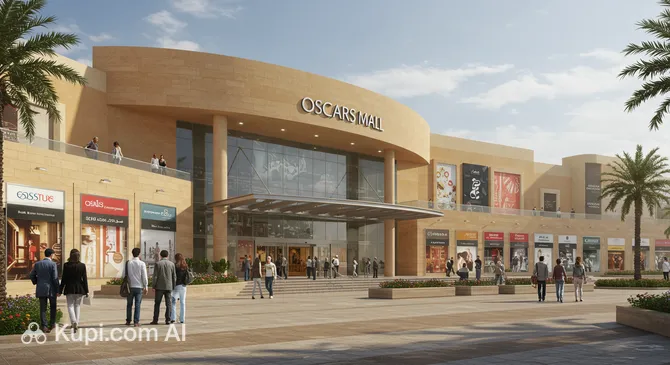
If you prefer a modern shopping format, visit Oscars Mall. This shopping center houses clothing, accessory, and home goods stores, making it a convenient place for comprehensive shopping in comfortable, air-conditioned conditions.
Oscars Mall. Illustration.
Source: Kupi.com AI
Traveler photos:
The most common souvenirs brought from Saida are products from the Soap Museum—natural handmade olive and laurel soap. Replicas of Phoenician figurines, traditional textiles, and Oriental sweets are also popular. Shops in the city usually operate from morning until late evening, and it is customary to pay in cash (Lebanese pounds) at the markets, although major centers also accept cards. Don't forget that at local markets, moderate bargaining can be part of the enjoyable buying process.