Support

Tripoli International Airport

Airports in the city

About the Airport

Tripoli International Airport (TIP) is not merely a transport hub, but historically the main air gateway to the capital of Libya and the entire nation. Located south of the city, it was designed as a primary centre for receiving international flights, connecting North Africa with Europe and the Middle East. Although the airport has been undergoing massive reconstruction in recent years, its significance to the region's transport infrastructure remains key, and it is preparing to once again open its doors to travellers from around the world.

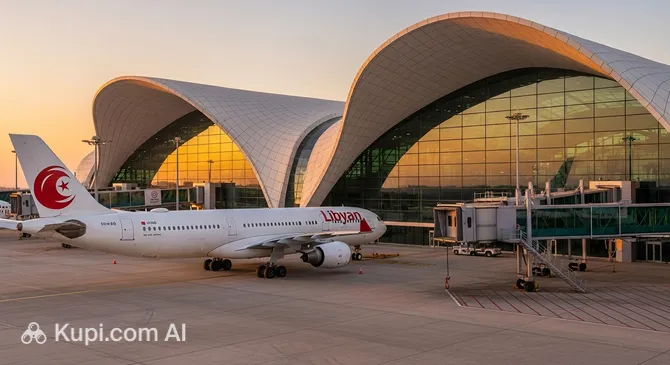
Tripoli International Airport. Source: Kupi.com Binoculars

For the convenience of travellers, essential information about the airport is provided below.

IATA Code TIP
ICAO Code HLLT
City Tripoli
Distance to Centre Approximately 24 km
Status International
Annual Passengers Under reconstruction (flights temporarily serviced at Mitiga Airport)
Popular Airlines Libyan Airlines, Afriqiyah Airways, Buraq Air, Tunisair, EgyptAir

The main feature of the airport is its strategic location, making it an ideal point for transit flights between continents. The restoration project includes the construction of modern terminals designed to handle significant passenger traffic and the modernisation of runways to accommodate all types of aircraft. Upon completion of the works, Tripoli International Airport will once again become a modern and comfortable hub, offering passengers a full range of services and amenities necessary for a pleasant start or conclusion to their journey.

Contact Information

Please note that Tripoli International Airport (TIP) currently handles a limited number of flights or none at all. The main operating airport for the capital of Libya is Mitiga Airport (MJI). Consequently, finding up-to-date contact information for TIP may be difficult. It is recommended to clarify all information directly with your airline.

  • Official Website: At this moment, Tripoli International Airport (TIP) does not have a consistently functioning official website for passengers. Information regarding flights to Tripoli should be sought on the websites of airlines and Mitiga Airport (MJI).
  • Information Desk Phone: There are no publicly available and working telephone numbers for the airport information service. For flight information, please contact your airline directly.
  • Airport Address: Qaser Ben Ghashir, approximately 32 km south of the centre of Tripoli, Libya.
  • Email: An official email address for passenger enquiries is unavailable.
  • Social Media: Official and verified social media pages for customer support are not maintained.
  • Lost Baggage Information: For all issues related to lost or damaged luggage, you should contact your airline's baggage tracing service directly.
  • Passenger Support Contacts: Any questions regarding tickets, schedules, and onboard service must be addressed to your airline's support service.

How to Get to the Airport

Tripoli International Airport (TIP) is located approximately 30 kilometres south of the city centre. It is important to note that the airport is currently undergoing major reconstruction, and most passenger flights are temporarily serviced at Mitiga Airport (MJI). Therefore, travellers arriving in the capital of Libya should check transport information specifically for Mitiga Airport. The information below regarding ways to get to Tripoli International Airport is for reference purposes and will be relevant once full operations resume.

Taxi and Private Transfer

Once the airport resumes operations, taxis will remain the most convenient way to reach the city. The journey will take between 30 to 45 minutes depending on traffic. It is strongly recommended to agree on the fare with the driver in advance; the estimated price may range from 50–70 Libyan Dinars. an even more reliable option is to book a private transfer, which ensures a meet-and-greet service and transport at a fixed price.

Public Transport

It is planned that bus routes will connect the airport with the centre of Tripoli. This option will be the most budget-friendly, although it may require more time due to potentially irregular schedules. There is no direct rail or metro connection to the airport. Up-to-date information on routes and schedules should be checked on-site after the full opening of the airport.

Car Rental and Parking

For those who prefer to drive themselves, counters for international and local rental companies will likely be operational at the airport. An international driving permit is usually required to rent a car. Drivers should be prepared for the nuances of the local driving style. Parking zones for short-term and long-term stays will be provided within the airport grounds.

Currently, the main airport for trips to Tripoli and its surroundings is Mitiga Airport (MJI). For regional travel, one may also consider Misrata Airport (MRA) or international airports in neighbouring Tunisia, such as Djerba–Zarzis International Airport (DJE) and Sfax–Thyna International Airport (SFA).

Terminals and Map

Tripoli International Airport (TIP) serves as the main air gateway to Libya and is in a stage of massive modernisation aimed at creating a modern transport hub that meets international standards. The airport is located in the Qaser Ben Ghashir district, approximately 24 kilometres from the capital's centre.

Currently, the airport infrastructure is undergoing significant changes as part of a reconstruction project implemented by an international consortium. The updated structure of the terminal complex is designed to ensure maximum comfort and safety for passengers, with a clear separation of flows and intuitive navigation.

Terminals and Their Purpose

The airport modernisation project provides for the operation of two passenger terminals, with a total capacity of up to several million passengers per year:

  • International Terminal: Designed to service flights to foreign destinations. Customs and passport control zones, as well as Duty Free shops, are concentrated here.
  • Domestic Terminal: Serves flights within Libya, connecting the capital with cities such as Benghazi, Sabha, and Misrata.

Layout and Navigation

The terminals are located in close proximity to each other, which facilitates transfers. The Departure and Arrival zones are separated by levels or sectors to avoid intersecting passenger flows. The renovated halls feature modern information boards, signage in English and Arabic, and information desks to assist travellers.

Features and Services

As part of the update, modern baggage handling and check-in systems are being implemented at the airport. For the convenience of passengers, the following are provided:

  • Comfortable waiting areas and VIP lounges.
  • A parking zone designed for hundreds of cars.
  • Food outlets and cafes serving local and European cuisine.

Procedures and Recommendations

The standard check-in time for international flights begins 3 hours before departure, and for domestic flights, 2 hours before. Security screening procedures may be enhanced, so it is recommended to allocate extra time for passing through security control.

Important Note on Navigation: Due to the stages of reconstruction and the specifics of air travel in the region, some flights heading to Tripoli may be serviced at Mitiga International Airport (MJI), located closer to the city centre. Before travelling, it is strongly recommended to carefully check the airport code on your ticket (TIP or MJI) and verify the current flight status with the airline.

Airport History

The history of Tripoli International Airport (TIP) is closely intertwined with key events in the history of Libya. Its story began in the 1930s when it was built by Italian authorities as a military airbase named Castel Benito. Located approximately 24 kilometres south of the city centre, it initially served as a strategic military facility.

During World War II, the airfield was of significant importance, and after passing under the control of British forces, it was renamed RAF Castel Benito. Following Libya's independence, the facility was converted into a civilian airport and became the country's main international air gateway. This marked the beginning of its development as a key transport hub.

The most significant modernisation in the airport's history occurred in the 1970s. In 1978, a new modern passenger terminal, designed by British engineers, was opened. At that time, it was considered one of the most advanced in North Africa and allowed for a significant increase in passenger traffic. For decades, the airport served as the main hub for the national carrier, Libyan Arab Airlines, connecting the country with dozens of cities in Europe, Africa, and the Middle East.

In recent history, the airport has faced serious challenges. As a result of the events of 2014, its infrastructure, including the famous terminal, was heavily damaged, leading to a complete suspension of its operations. The functions of the capital's main airport were transferred to Mitiga Airport. Despite this, there are projects for restoration and the construction of new terminals, which are intended to open a new chapter in the history of the air gates of Tripoli.

Services and Facilities

It is important to note that currently, Tripoli International Airport (TIP) is undergoing massive reconstruction and is temporarily not servicing passenger flights. Consequently, standard airport services are unavailable on its premises. All information below describes the amenities that are planned to be launched after the opening of the new terminal.

According to the project, once operations resume, modern infrastructure will be available to passengers. There are plans to open several cafes, snack bars, and shops, as well as a large Duty Free zone. For comfortable waiting, the creation of standard and VIP lounges is envisaged. Free Wi-Fi access will be provided throughout the terminal, along with charging stations for electronic devices.

The reconstruction project also includes the creation of currency exchange points, ATMs, and a medical centre. For travellers with children, mother and child rooms will be equipped. Passengers with reduced mobility will be provided with necessary support, however, it is recommended to notify your airline in advance regarding special needs.

At the moment, all flights to the capital of Libya are received by another airport — Mitiga (MJI), where travellers can find a basic set of services. After TIP opens, there will be no hotels directly on its premises, but getting to city hotels will not be difficult. Since completion dates may change, it is strongly recommended to check up-to-date information on the airport status before planning a trip.

Where to Eat

Amid the current modernisation of Tripoli International Airport (TIP), the catering infrastructure is gradually expanding to meet the needs of modern travellers. At this stage, the range of establishments focuses on providing basic comfort: here you will find cosy cafes and fast-food points offering both light snacks and hot beverages.

Coffee Culture and Beverages

Since Libya is famous for its coffee traditions, the main emphasis in the airport terminals is on coffee shops and tea stations. Travellers are highly recommended to try:

  • Libyan Tea: A strong, sweet drink often served with thick foam and roasted peanuts or almonds. This is not just a drink, but a part of local hospitality.
  • Arabic Coffee: Aromatic and rich, often with the addition of cardamom.
  • Fresh Juices: In the absence of alcohol bars (Libya observes strict dry laws), fresh juice bars offering juices from seasonal fruits are popular.

Snacks and Local Cuisine

For a quick bite, buffets and kiosks with pastries are available in the waiting areas. If you wish to experience local flavours, look out for:

  • Tuna and Harissa Sandwiches: The most popular snack option in the region. Spicy harissa paste gives the dish a piquant kick.
  • Dates and Oriental Sweets: An ideal option for a light snack with tea or as a souvenir.
  • Pastries: Croissants and local pies with various fillings (cheese, spinach, meat).

Dietary Features and Restrictions

Passengers should take into account important dietary features at the airport:

  • Halal: 100% of meat dishes and products at the airport comply with Halal standards, as this is a state regulation.
  • Alcohol: The sale and consumption of alcohol are strictly prohibited throughout the country, including the airport and Duty Free shops.
  • Vegetarianism: Specialised vegetarian restaurants may not be available, but salads, pastries with cheese or vegetables, and hummus are always available on cafe menus.

Location and Opening Hours

Most food outlets operate in accordance with the flight schedule. In the public area (landside), there are usually cafes for those seeing off or meeting passengers, where one can have coffee before check-in. In the secure area (airside), after passing passport control, there are small cafeterias and vending machines for passengers waiting for boarding.

Price Range

Prices at Tripoli airport are generally moderate by international standards. A cup of coffee or tea with a sandwich will cost an affordable amount, however, cash (local Dinars) is most often the only accepted payment method, so it is recommended to have small change with you.

Tips for Travellers

Travelling through Tripoli International Airport (TIP) requires certain preparation and knowledge of local specifics. Given the current modernisation processes and strict security measures, following simple rules will help make your experience as calm and comfortable as possible.

Arrival Time and Check-in

Due to enhanced security measures in force at Libya's transport hubs, it is strongly recommended to arrive at the airport in advance:

  • For international flights: arrive at least 3–4 hours before departure. This time is necessary to pass through several document and luggage check cordons, which may begin even on the approach to the terminal.
  • For domestic flights: arriving 2–2.5 hours in advance is sufficient.
  • Have printed copies of tickets and itinerary receipts with you. Electronic versions on a smartphone may not be accepted at some preliminary inspection points, and internet access is not always stable.

Security Screening Features

Security procedures at Tripoli airport may seem strict, but they are aimed at protecting passengers. Be prepared for the fact that:

  • You may have to undergo screening several times: when entering the airport territory, when entering the terminal, and before proceeding to boarding.
  • Personal search lines often have separate queues for men and women. Please respect this cultural norm and follow the signs.
  • Removing shoes and outerwear, as well as taking electronics out of bags, is a standard requirement.

Hand Luggage: Do's and Don'ts

In addition to international aviation security standards (liquids up to 100 ml, ban on sharp objects), specific restrictions apply in Libya:

  • Strictest Ban on Alcohol: Under no circumstances should you attempt to carry alcohol in hand luggage or checked baggage. This is a serious violation of the law.
  • Portable Chargers (Power banks): Must be carried in hand luggage only. They are prohibited in checked baggage due to fire risk.
  • Drones and Quadcopters: Importing unmanned aerial vehicles without special government permits is prohibited and may lead to their confiscation and the detention of the owner.

Customs Control

When passing through customs, behave with restraint and politeness. Large amounts of currency (both upon import and export) as well as professional video equipment are subject to declaration. Avoid importing literature or materials that may be considered offensive to religion or local culture.

Tips for Choosing a Seat on the Plane

If your flight departs during daylight hours, choose a window seat. During take-off and landing, impressive views of the Mediterranean coast and the contrasting landscapes of North Africa open up. For long flights, an aisle seat will ensure greater mobility, which is important on full flights.

For Transfer Passengers

Tripoli Airport is not a major transit hub in the usual sense, so automatic baggage transfer when changing airlines may not be performed. If you have a connecting flight with different carriers:

  • Allow at least 3–4 hours for the transfer.
  • Clarify in advance whether you need to collect your luggage and check it in again.

Saving Time and Money

  • Cash: Foreign bank cards may not work in airport terminals or shops. Be sure to carry cash (Libyan Dinars or, as a last resort, Dollars/Euros in small denominations) to pay for luggage wrapping, food, or small services.
  • Transfer: Arrange a taxi or transfer in advance through your hotel or host. "Hailing" a taxi on the spot can be more expensive and difficult due to the language barrier.

In Case of Flight Delay

Delays can happen due to weather conditions (for example, sandstorms) or operational reasons. Since information boards may be updated with a delay, stay close to the boarding gate and listen carefully to voice announcements. Keep a bottle of water and a light snack with you, as the choice of food in the "airside" area may be limited.
Reached the end of the page?

That means the route is fully explored